






Antique Porcelain Box
An antique porcelain box serves as a small vessel for trinkets, powder, or sugar, combining ceramic form with portable utility.
Antique Porcelain Box
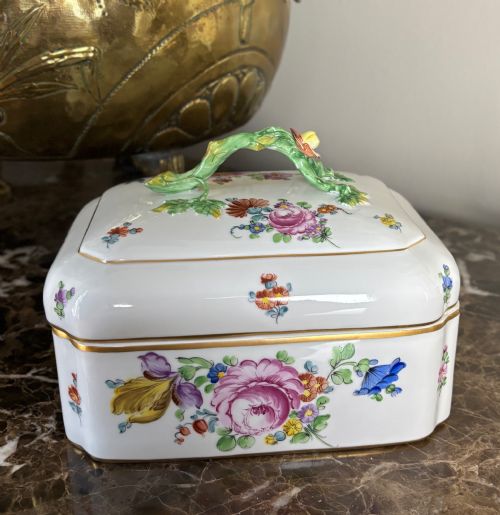
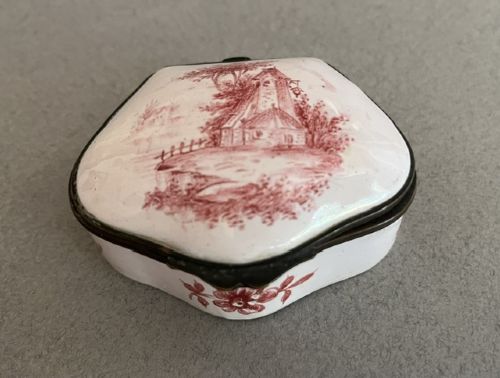
An antique porcelain box covers a variety of small lidded containers utilised for domestic and personal purposes over several centuries. Buyers encounter forms ranging from French trinket boxes and jewellery caskets to sugar boxes, powder bowls, and pillboxes originating from English, French, German, and Italian workshops. The inventory spans periods from the eighteenth century through the Victorian era up to the Art Deco designs of the 1930s.
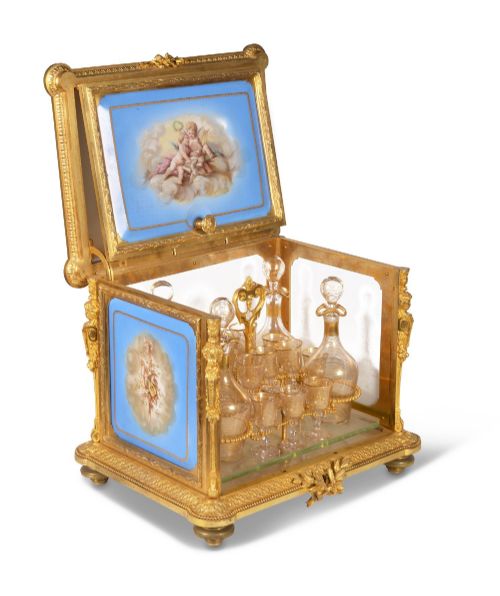
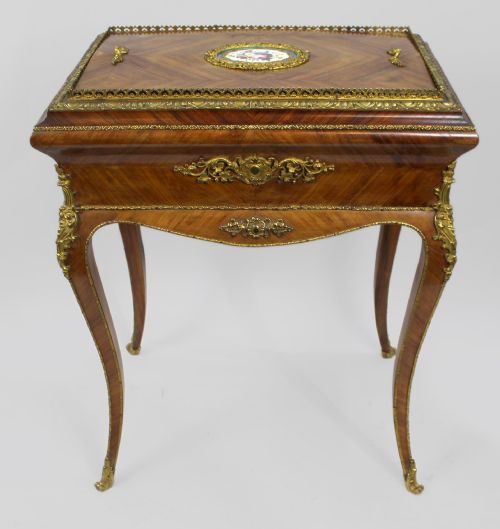
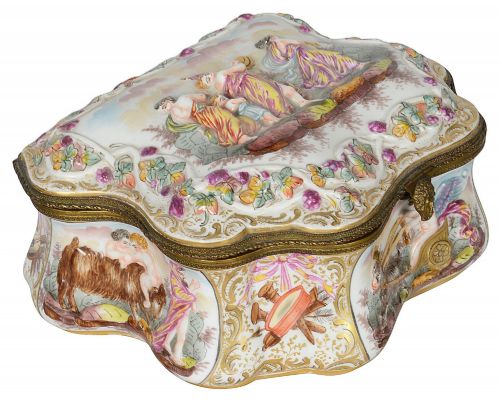
Many examples combine ceramic bodies with metal mounts, such as ormolu, gilt, and brass hinges or clasps. Others take specific shapes like table caskets, cylindrical powder jars, or octagonal covered vessels. These pieces reflect the shifting domestic fashions of their respective eras, moving from ornate Rococo revival table pieces to geometric Art Deco vanity items.
Materials and Craftsmanship
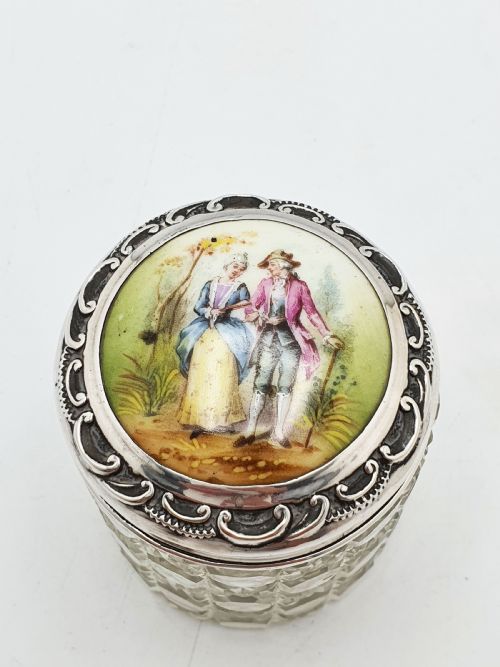
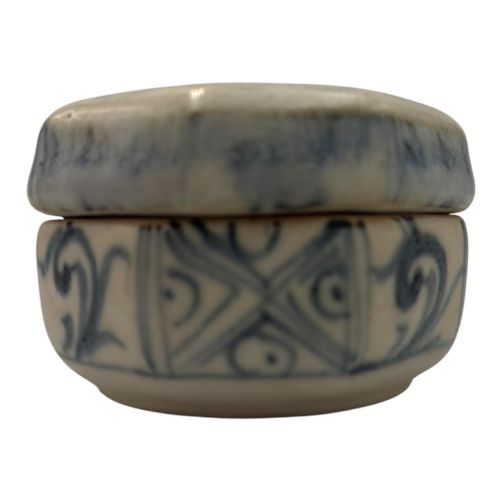
The construction of an antique porcelain box relies on fired ceramic bodies, frequently decorated with hand-painted motifs, enamel work, and glaze applications. Potters shaped the clay by hand or in moulds before applying underglaze blue, polychrome enamels, or transfer prints. Kiln firing fixed the vitrified body and its surface decoration.
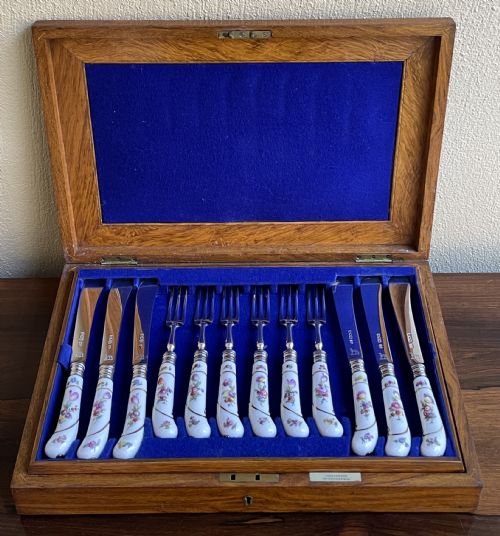
Metal components played a structural role in housing these ceramic panels and forming secure closures. Craftsmen fitted brass, gilt metal, or ormolu mounts around the rims and hinges of boxes to protect the edges and attach lids. Gold leaf and raised gilt detailing frequently highlight the ceramic surfaces, adding metallic contrast to the glaze.
Antique Porcelain Box Retail Price Guide 2026
Typical asking prices for porcelain box among the pieces listed under this phrase on Sellingantiques today, from the lower quarter to the upper quarter. They describe what is for sale here now, not the wider market.
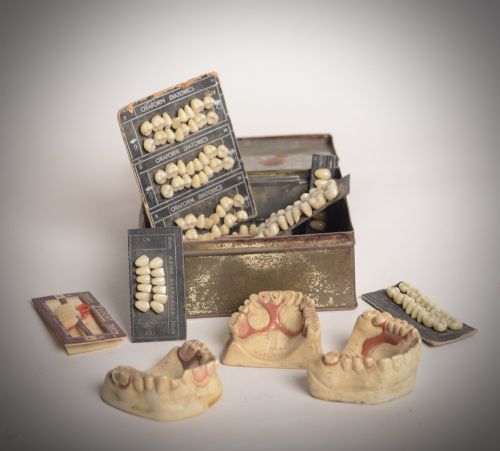
Several boxes doubled as dental sample cases and whist counters, proving Victorians needed decorative storage for playing cards and teeth alike.
Factors of Distinction
Quality in an antique porcelain box depends on the precision of the ceramic moulding and the fineness of the hand-painted decoration. Superior pieces display crisp details in facial expressions, floral motifs, or landscapes, executed without the blurring or pooling often seen in mass-produced items. The alignment of the lid to the base indicates the care taken during the initial firing and subsequent mounting stages.
The integration of metal mounts also dictates overall grade. Finer boxes utilise heavy ormolu or solid brass hinges that operate smoothly and fit the ceramic contours precisely, whereas lesser examples rely on simple stamped metal strips. The crispness of the gilt detailing and the depth of the glaze further distinguish standard production ware from superior atelier output.
Edme Samson Of Paris·Richard Ginori
The Antique Porcelain Box Glossary
- Ormolu
- Gilded bronze mounts applied to furniture, clocks, and porcelain boxes during the eighteenth and nineteenth centuries. This decorative metalwork provides structural reinforcement and opulent contrast to the ceramic body.
- Sucrier
- A covered sugar bowl or sugar box designed for tea service use. These lidded containers frequently match larger ceramic tea sets from the eighteenth and nineteenth centuries.
- Casket
- A large box, often footed and heavily mounted in metal, used for storing jewellery, documents, or valuables on a table or desk. These pieces generally feature elaborate locking mechanisms and decorative porcelain panels.
- Bonbonniere
- A small ornamental box specifically created to hold sweets or bonbons. These delicate vessels are frequently found in French porcelain from the nineteenth century.
- Biscuits
- Unglazed ceramic ware fired once to a porous state, also known as bisque. This matte material offers a smooth, marble-like texture favoured for nineteenth-century decorative figures and boxes.
Antique Porcelain Box: Frequently Asked Questions
What were antique porcelain boxes used for?
These vessels served various domestic and personal functions depending on their shape and size. Smaller receptacles held pills, patches, or trinkets, whilst larger caskets secured jewellery or stationery.
Sugar boxes and powder bowls fulfilled specific roles in the dining room and the dressing room. Their variety reflects the specific storage needs of past households.
How do I identify French porcelain boxes?
French pieces, particularly those from Sevres or Limoges, often exhibit distinctive cobalt blue grounds, elaborate gilt detailing, and heavy ormolu mounts. The painting style leans towards romantic scenes, floral sprays, or classical motifs.
Many bear factory marks or painter signatures on the underside, though unmarked decorative boxes remain common.
What is the difference between a trinket box and a table casket?
Trinket boxes are generally small, portable items meant for dressing tables to hold rings or pins. Table caskets are substantially larger, heavier pieces designed to sit permanently on desks or side tables.
Caskets frequently feature robust brass or ormolu frames and sophisticated locking hinges.
How should I clean my antique porcelain box?
Dust the surface gently with a soft, dry brush to remove particulate matter without disturbing fragile gilt or enamel work. Avoid submerging boxes with metal mounts or fabric linings in water.
Moisture can weaken old adhesives, tarnish brass hinges, or rust iron pins inside the construction.