


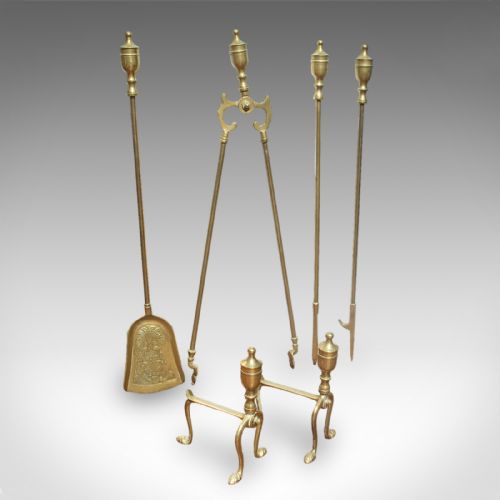


Antique Poker Tool
An antique poker tool brings enduring hearthside utility and period craftsmanship directly to your fireplace.
Antique Poker Tool
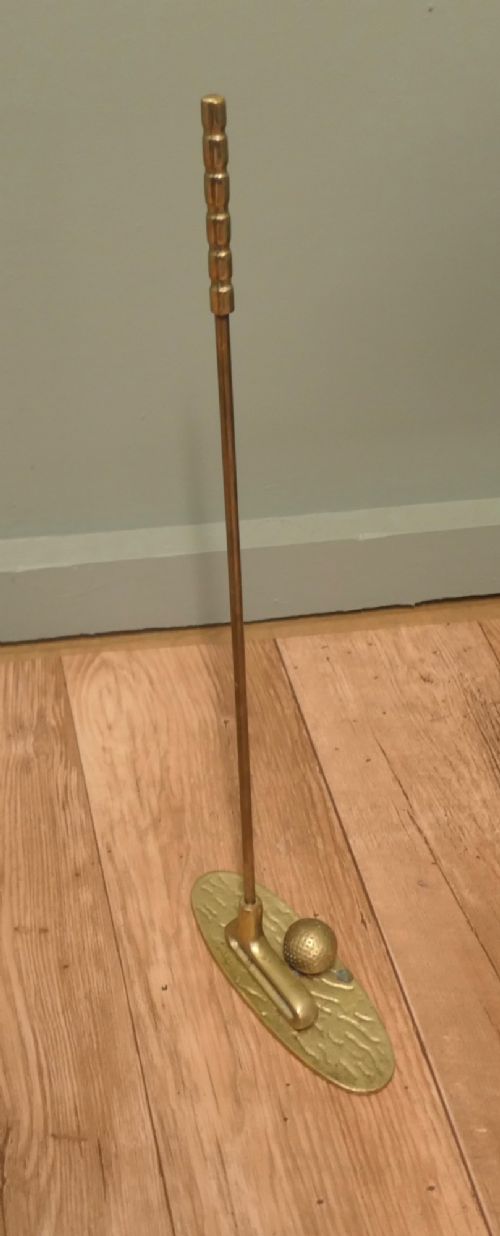
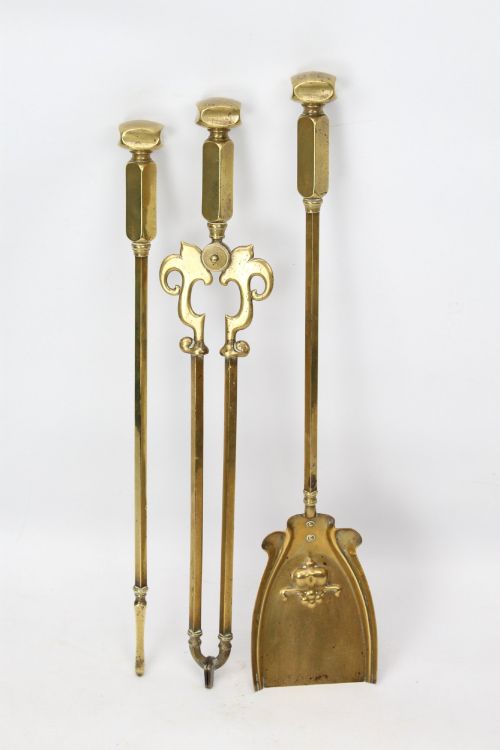
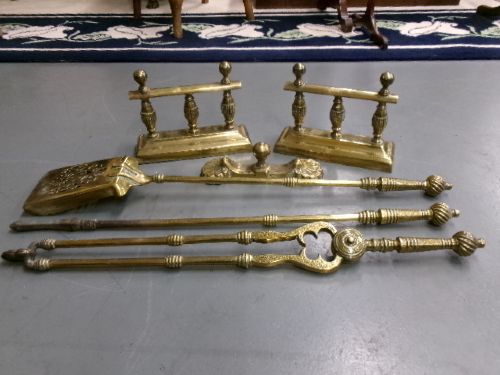
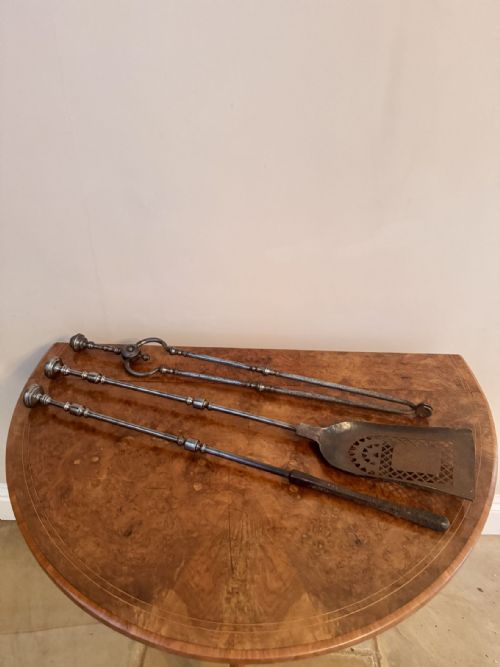
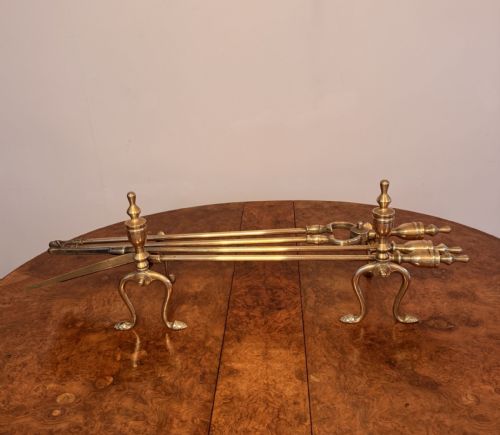
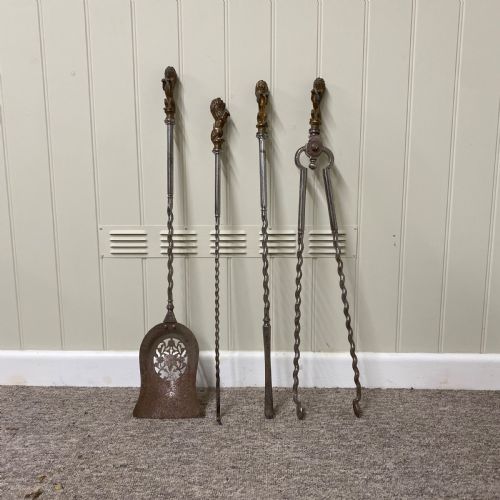
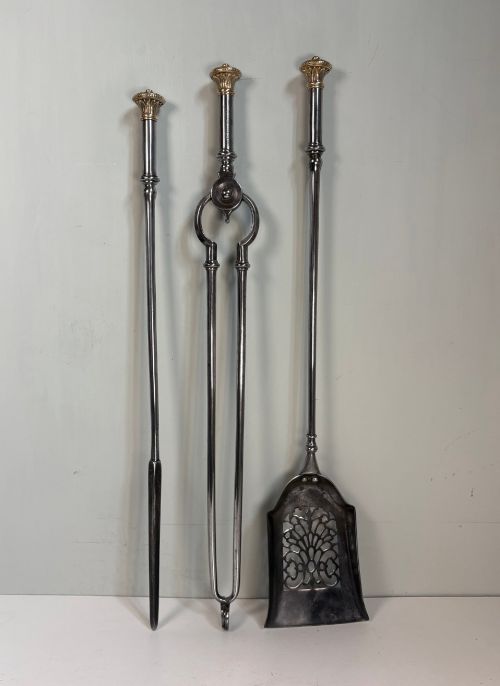
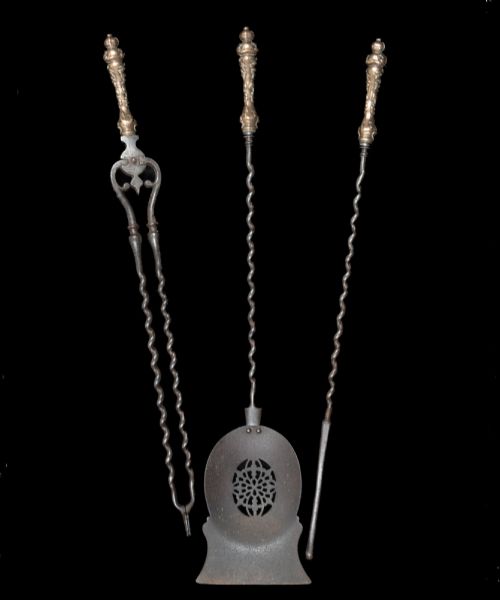
An antique poker tool forms the central element of any traditional hearth setup, designed specifically for adjusting burning fuel and managing wood or coal fires. When you search for an antique poker tool, you encounter hardworking fireplace accessories often grouped into comprehensive companion sets rather than appearing in isolation. These items span periods from the Georgian era through the Victorian and Edwardian periods, reflecting the shifting domestic tastes of British homes.
Materials and construction methods
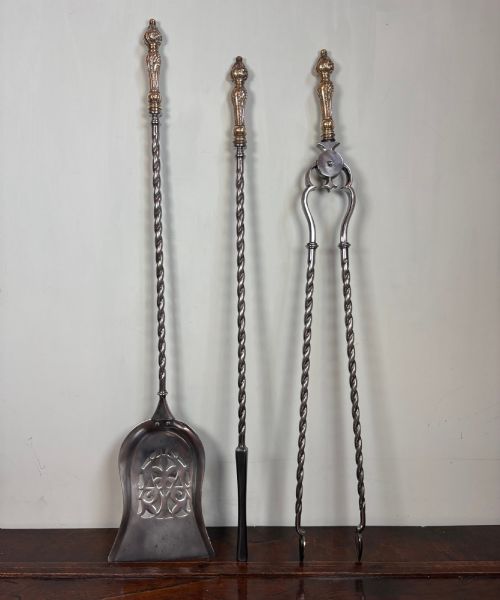
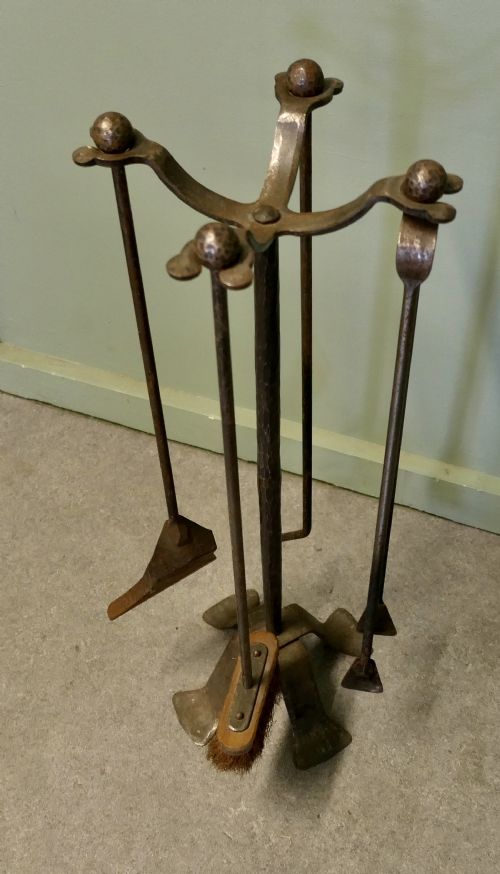
The materials recorded in these listings rely heavily on durable metals suited to daily fireside service, primarily brass, steel, wrought iron, and cast iron. Blacksmiths and metalworkers shaped these elements through forging and casting, often pairing polished steel shafts with decorative brass handles. Gun metal and timber also appear in specific variants, showing how makers combined different substances for structural strength and visual contrast.
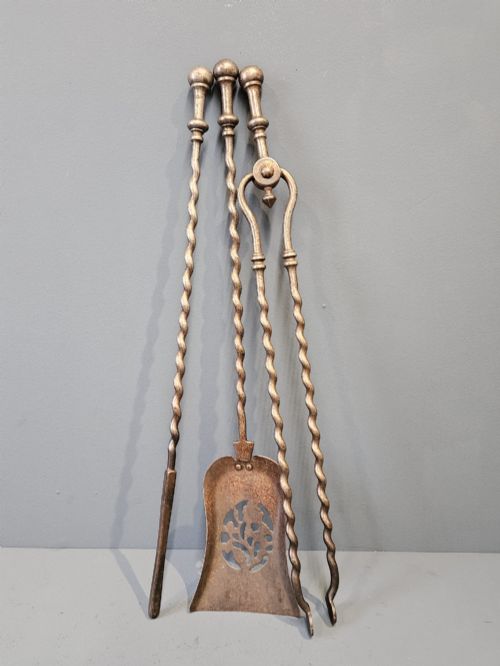
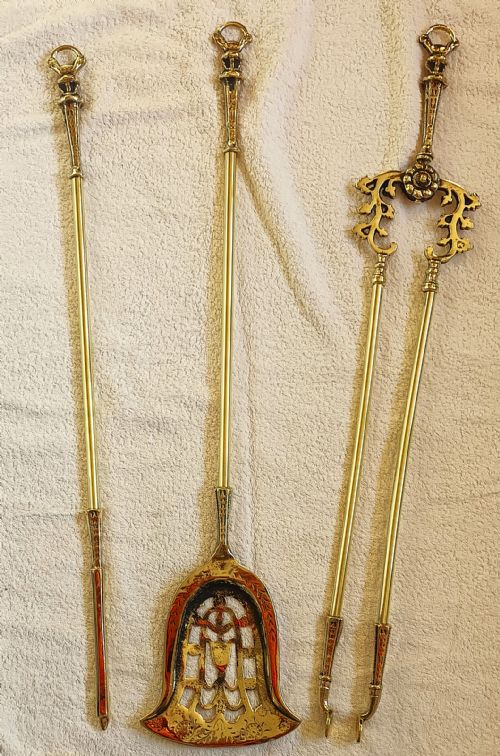
Surface treatments and assembly techniques dictate the final appearance of each implement, from hand-turned rope twist handles to riveted joints and applied rococo brass mounts. Polished steel surfaces required careful finishing to resist rust and reflect the firelight, while cast brass components offered intricate relief decoration. These methods ensure that surviving tools retain their physical integrity after generations of active hearth use.
Antique Poker Tool Retail Price Guide 2026
Typical asking prices for poker tool among the pieces listed under this phrase on Sellingantiques today, from the lower quarter to the upper quarter. They describe what is for sale here now, not the wider market.
The inventory combines functional fireplace accessories with decorative companion sets and fire dogs.
Distinctions in quality
Quality in these implements rests upon the weight of the metal and the integrity of the construction, where substantial gauge brass and thick forged steel outlast lighter stamped alternatives. Superior examples display crisp detailing in handles and mounts, whether executed in a restrained Georgian profile or an elaborate Arts and Crafts design. The balance and heft of a tool reveal the maker's underlying skill.
Surface preservation and the retention of original matching components further separate ordinary survivals from superior specimens. Sets that retain their original shovel, tongs, and poker together in a unified aesthetic command greater interest than assembled groupings. The precision of the joinery and the depth of the metal polish complete the hierarchy of quality.
The Antique Poker Tool Glossary
- Companion set
- A matched collection of fireplace implements, usually comprising a poker, tongs, and shovel arranged together on a stand or with fire dogs.
- Inglenook
- A large recessed fireplace space designed to accommodate seating alongside the hearth, frequently requiring heavy-duty iron tools.
- Fire irons
- The collective term for the functional metal tools used to tend a domestic coal or wood fire.
- Rococo style
- A decorative aesthetic characterised by ornate, asymmetrical scrolls and natural shell motifs, seen on Victorian and Edwardian brass sets.
- Draw bore pins
- Specialised workshop or construction pins decorated with poker work, representing alternative wood-based items found in the wider selection.
Antique Poker Tool: Frequently Asked Questions
How do I date an antique poker?
Dating an antique poker relies on observing the manufacturing techniques, metal composition, and prevailing stylistic motifs of the period. Earlier examples from the Georgian era often feature hand-forged steel with simple turned details, while Victorian and Edwardian versions frequently utilise bright brass and cast elements.
Comparing the specific handle design and overall weight to known period pieces helps narrow down the decade of production. Examining wear patterns on the tip can also indicate the intensity of use during its working life.
Were these tools meant for coal or wood?
The intended fuel depends heavily on the specific period and regional style of the fireplace implement. Heavier wrought iron tools and large sets were typically forged for deep wood-burning inglenook hearths in country houses.
Slender steel and brass pokers were better suited to managing smaller coal grates found in urban Victorian and Edwardian parlours. Many multi-piece companion sets included specialised shovels designed specifically for handling loose coal dust and ash.
Can I still use these tools on a real fire?
Most solid brass, steel, and iron fireplace implements remain structurally robust enough for regular use on modern hearths. However, you should check the handle joints and shaft integrity to ensure they can bear the weight of heavy logs or hot coals.
Fragile decorative examples or those with loose handles are best reserved for display alongside your fireplace rather than active duty. Treating antique metal with care preserves its condition for future generations.