



Antique Pocket Purse
An antique pocket purse is a small portable accessory designed to secure coins or personal items, offering tangible craftsmanship from past centuries.
Antique Pocket Purse
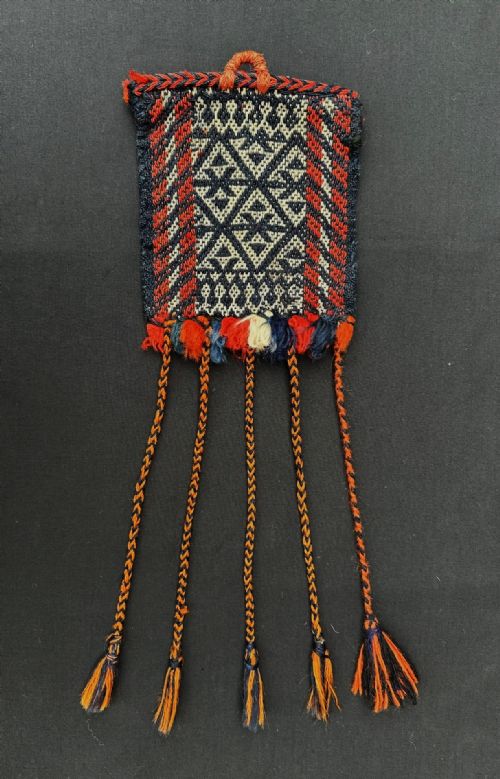
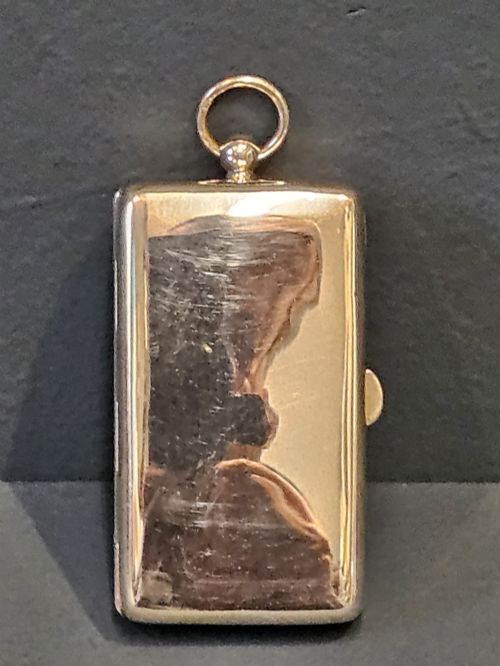
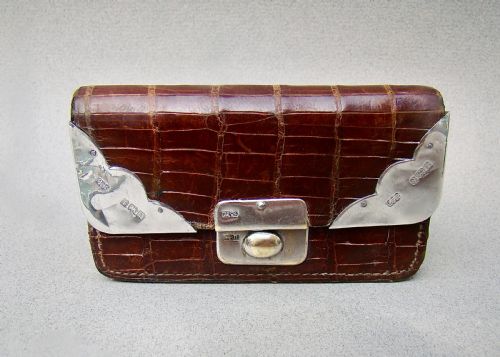
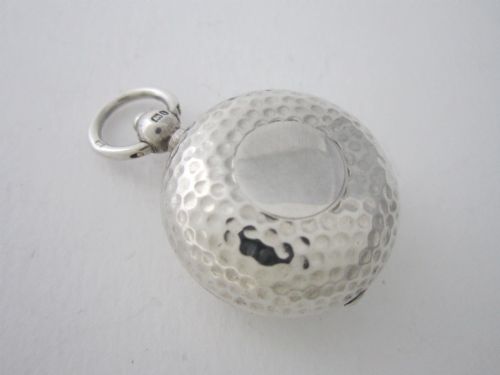
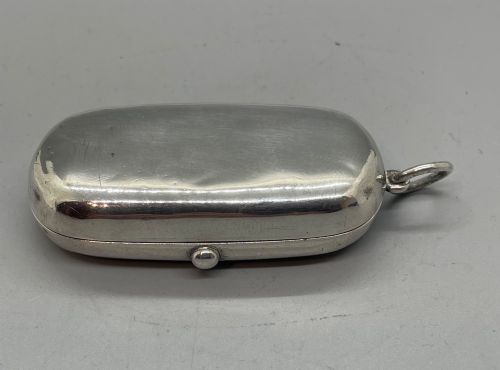
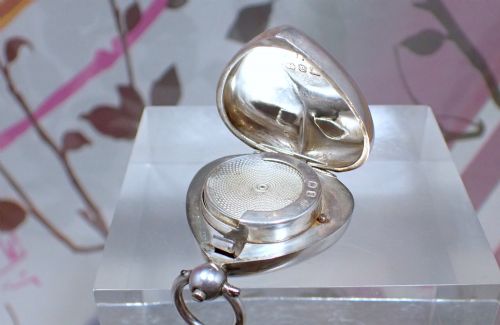
When you search for an antique pocket purse, you encounter compact accessories primarily spanning the Victorian, Edwardian, and Art Deco periods. These pieces range from dedicated coin holders and sovereign cases to small leather purses and folding travel clocks.
The versions most frequently met on this page combine precious metals with functional designs intended for pocket or handbag use. Many incorporate specialised compartments for sovereigns, stamps, or powder.
Originating largely from the late nineteenth and early twentieth centuries, these objects reflect the everyday personal habits of their original owners. Their survival depends on robust initial construction and careful subsequent keeping.
Materials and construction methods
Makers utilised sterling silver alongside base metals, leather, and exotic skins such as crocodile. Metal components typically received thorough polishing or hallmarking to certify their metallic purity.
Enamel application and hand carving on mother of pearl introduced decorative surface texture. Mechanisms such as spring-loaded sovereign hinges and folding clock struts required precise metalworking skills.
A tiny pocket timepiece with a presentation inscription whispers of long-forgotten retirements and punctual Edwardian train journeys.
Distinctions in craftsmanship
Superior examples display crisp hallmarks, securely mounted hinges, and intact internal linings without structural play. Lesser pieces often show uneven wear on leather skins or softened detail in engraved monograms.
The integration of decorative elements like guilloché enamel or hand-carved shell separates standard utilitarian items from finer presentation pieces.
Charles Penny Brown·Aaron Lufkin Dennison·Henry Charles Freeman·Ludwig Krumm·Mappin and Webb
The Antique Pocket Purse Glossary
- Sovereign case
- A small circular or double-lobed container designed to hold British gold sovereign coins securely. These holders often feature internal sprung retaining clips.
- Hallmark
- An official stamp applied to precious metals indicating the assay office, metal standard, and year of testing. This mark provides reliable dating evidence.
- Guilloché
- A decorative engine-turning technique producing precise geometric patterns beneath translucent enamel. It appears frequently on twentieth-century compacts and cases.
- Sterling silver
- An alloy consisting of ninety-two point five percent silver and seven point five percent other metals, usually copper. This standard composition dominates British silverwork from the periods represented.
Antique Pocket Purse: Frequently Asked Questions
What fits inside an antique pocket purse?
These items were built to hold specific period currencies like gold sovereigns, loose change, or folded banknotes. Some variations accommodated powder puffs or visiting cards.
Today, modern users repurpose them for pills, contemporary coins, or small keepsakes while appreciating their historical utility.
How do I date a silver pocket case?
Dating relies heavily upon the stamped hallmarks, which include specific date letters corresponding to assay office records. Stylistic cues like Edwardian scrollwork or Art Deco geometric enamel also narrow down the era.
Maker marks further assist by identifying the active working years of the silversmith or firm.
Are these items suitable for daily use?
While structurally robust, antique silver and leather require gentle handling to preserve hinges, clasps, and delicate surface finishes. Frequent friction can wear down thin gilding or antique leather grains.
Many collectors prefer occasional use or display, reserving them for careful transport of lightweight items.
How do I clean tarnished silver accessories?
Silver naturally oxidises over time, developing a dark patina that many collectors choose to retain as proof of age. Gentle polishing with a dedicated soft cloth removes excessive grime without harming engraved details.
Harsh chemical dips should be avoided, particularly on pieces with enamel, leather, or fabric linings that moisture can ruin.