

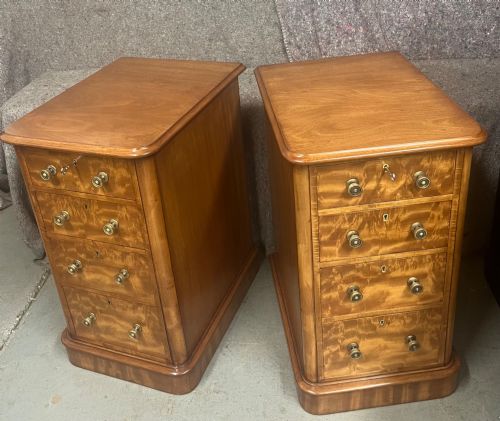
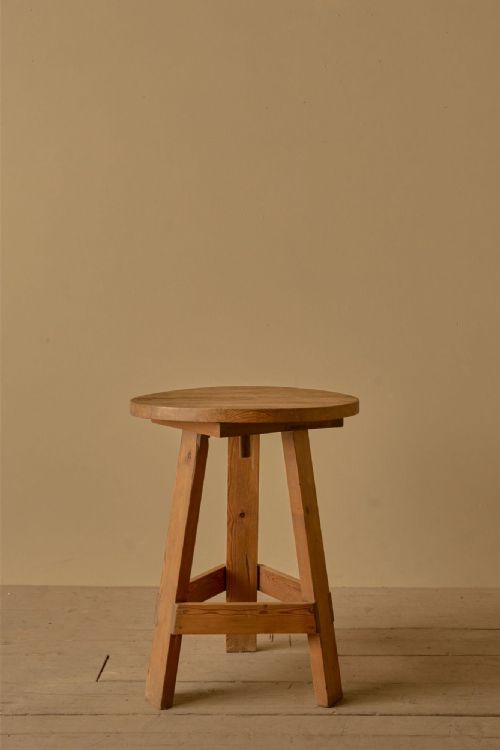
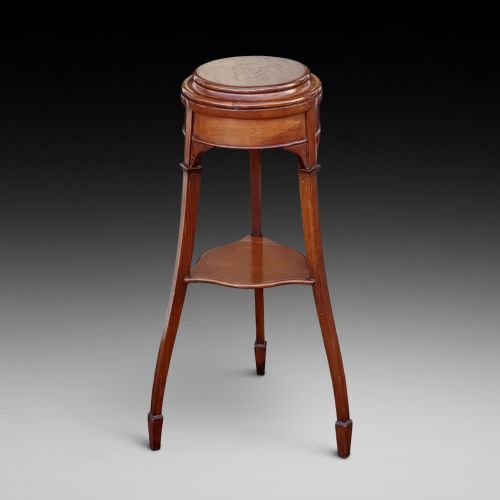
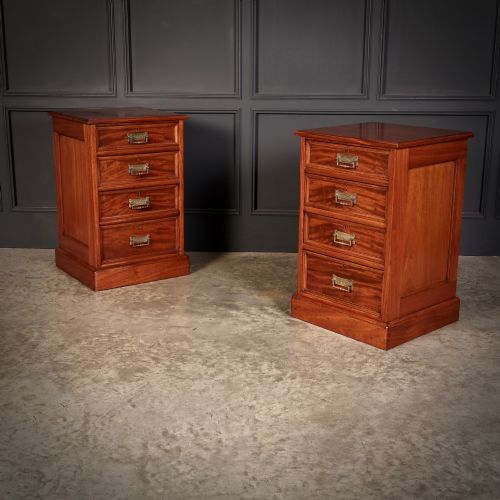
Antique Plinth Table
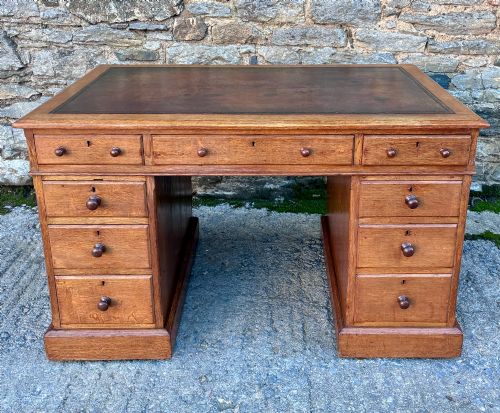
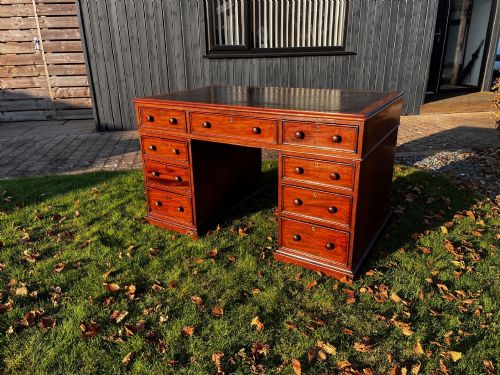
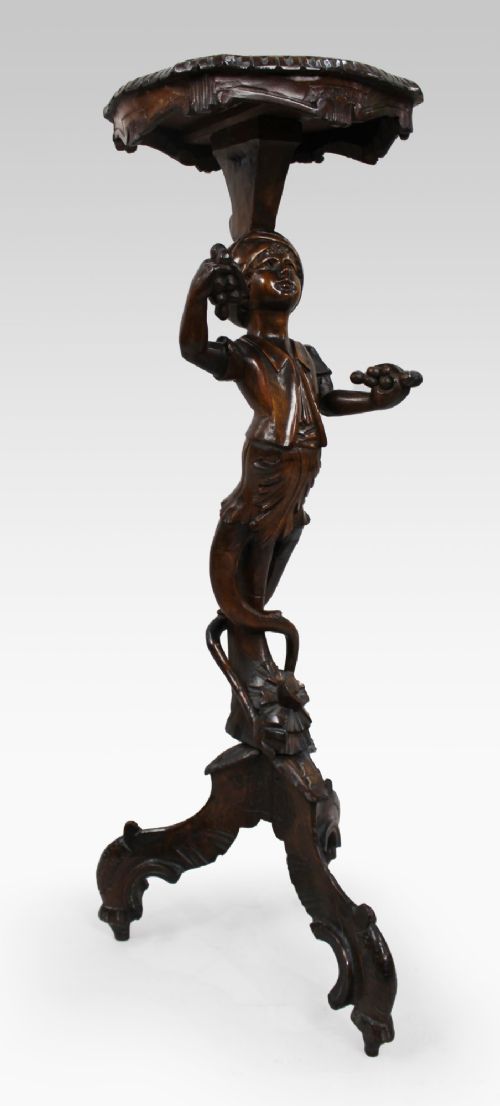
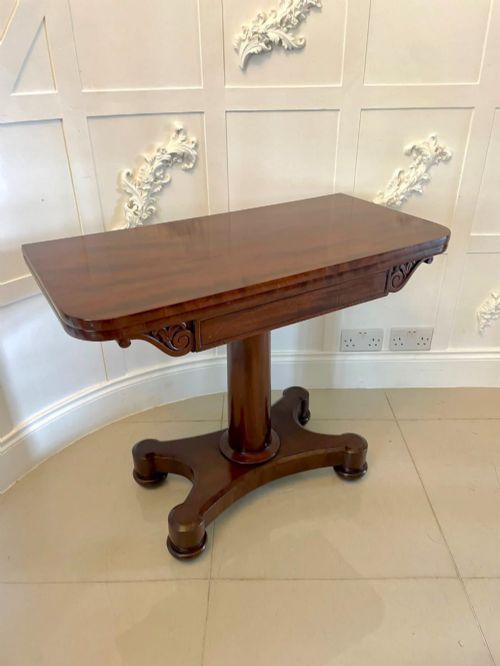
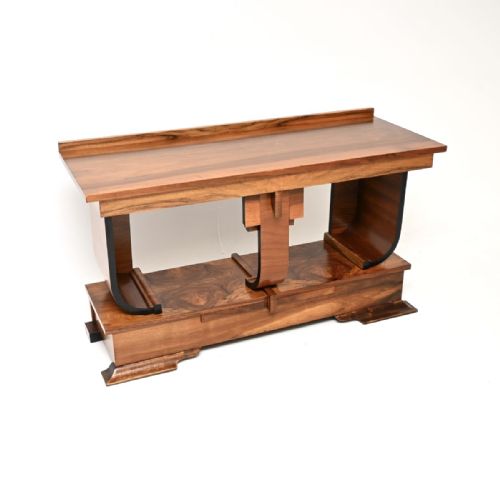
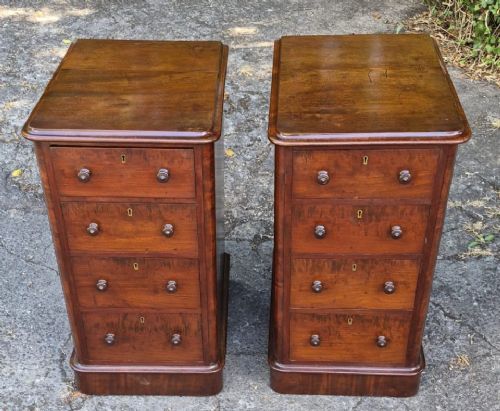
An antique plinth table gathers items raised on pedestals, from mahogany writing desks to marble sculpture bases.
Antique Plinth Table
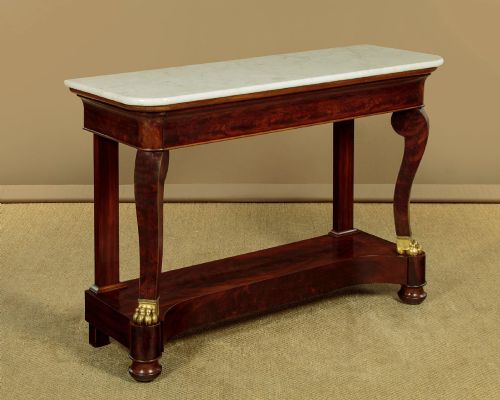
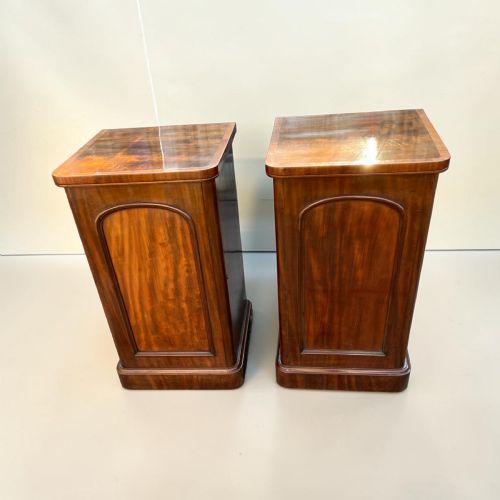
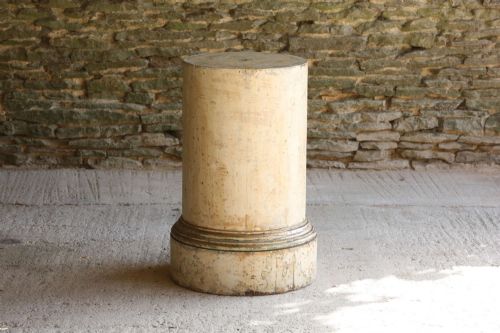
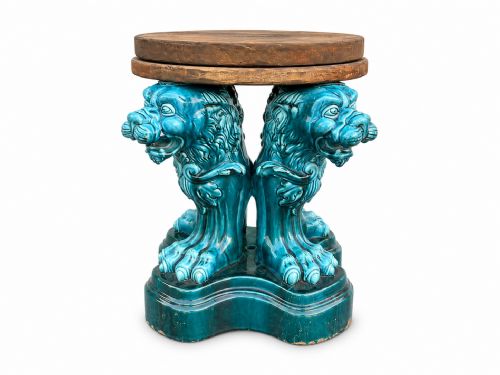
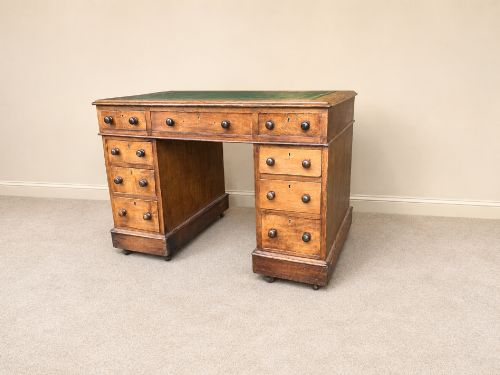
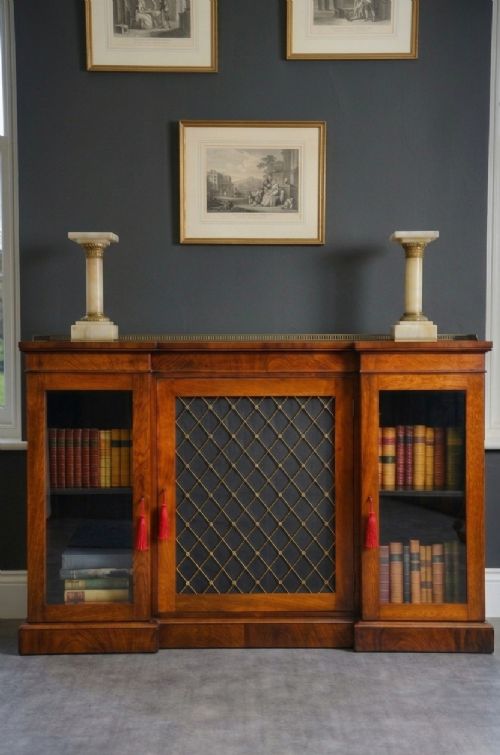
An antique plinth table encompasses elevated forms like pedestal desks, display stands, and console tables. Buyers seeking this phrase encounter varied supports ranging from heavy wooden cabinets to stone bases.
The selections span several periods including Georgian, Victorian, and Edwardian eras. Pieces often incorporate architectural supports, central columns, and raised platforms designed to display objects or provide a solid writing surface.
Form follows function across these items, linking heavy library desks with slender plant stands. Mahogany and walnut structures dominate the offerings, matched with marble bases and bronze statuary.
Materials and construction
Cabinet makers utilised dense hardwoods such as mahogany and walnut, frequently selecting burr veneers for decorative surfaces. These timbers provide the structural integrity required for large pedestal desks and heavy side tables.
Stonework and metal feature prominently in the construction of bases and stands. Marble, bronze, and brass form heavy plinths that anchor sculptures, clocks, and vases, providing a stable counterweight to delicate upper tiers.
Antique Plinth Table Retail Price Guide 2026
Typical asking prices for plinth table among the pieces listed under this phrase on Sellingantiques today, from the lower quarter to the upper quarter. They describe what is for sale here now, not the wider market.
Listings feature mahogany, walnut, and oak alongside marble, bronze, and brass across Victorian and Edwardian periods.
Distinguishing quality
Excellence in these items rests upon timber selection and joinery execution. Superior desks and tables display carefully matched grain patterns, tight dovetailing in drawers, and substantial secondary woods.
The integration of mixed media dictates overall refinement. Fine examples pair cast bronze or carved marble bases with exact metal fittings and smooth operational surfaces without structural wobble.
Holland and Sons·Deighton and Dunthorne·Mappin and Webb·Paul Garnier·Guido Cacciapuoti
The Antique Plinth Table Glossary
- Pedestal
- A structural support or base that elevates a desk, cabinet, or sculpture. It often contains internal drawers or provides a solid weight-bearing column.
- Plinth
- A heavy flat slab or block serving as the base for a statue, vase, or column. It grounds the object visually and physically.
- Console table
- A table designed to stand against a wall, frequently supported by brackets, pedestals, or legs. These items often feature decorative marble tops or carved wooden frames.
- Burr walnut
- A figured wood grain derived from growth excrescences on walnut trees. Cabinet makers prize it for intricate, swirling patterns on furniture surfaces.
- Gothic Revival
- A design style drawing inspiration from medieval architecture. Pieces show pointed arches, heavy tracery, and dark oak construction.
Antique Plinth Table: Frequently Asked Questions
What defines a plinth table?
A plinth table stands on a solid central column, pedestal base, or raised platform rather than conventional corner legs.
These pieces distribute weight evenly through a central shaft, appearing in forms ranging from library desks to display stands.
How do I date an antique pedestal desk?
Dating relies on timber choices, drawer construction methods, and prevailing decorative styles across the Georgian and Victorian eras.
Early pieces utilise solid mahogany with hand-cut dovetails, while later nineteenth-century examples often introduce machine-sawn elements and burr veneers.
Where should I place a marble plinth in a room?
Marble plinths suit locations that support heavy weights and benefit from a stable, non-combustible foundation.
They function well in entrance halls, studies, or living spaces to elevate sculptures, clocks, and heavy decorative objects.
How do I care for walnut and mahogany surfaces?
Maintain timber surfaces by dusting regularly with a soft cloth and avoiding direct sunlight or excessive moisture.
Periodic application of suitable wax feeds the wood and preserves the depth of the grain without forming sticky residue.