






Antique Plaster Figures
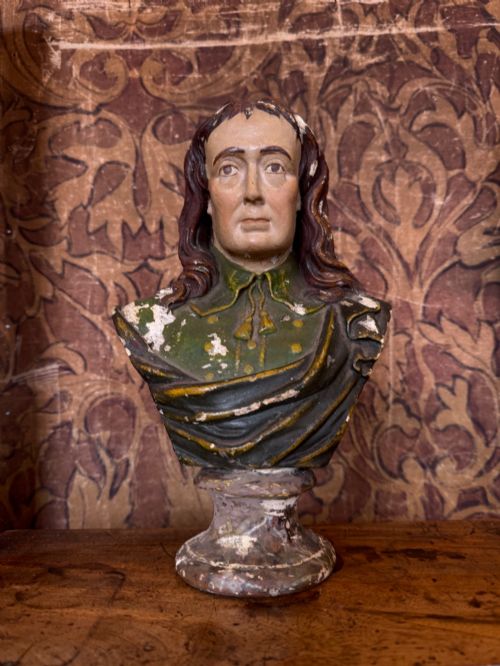
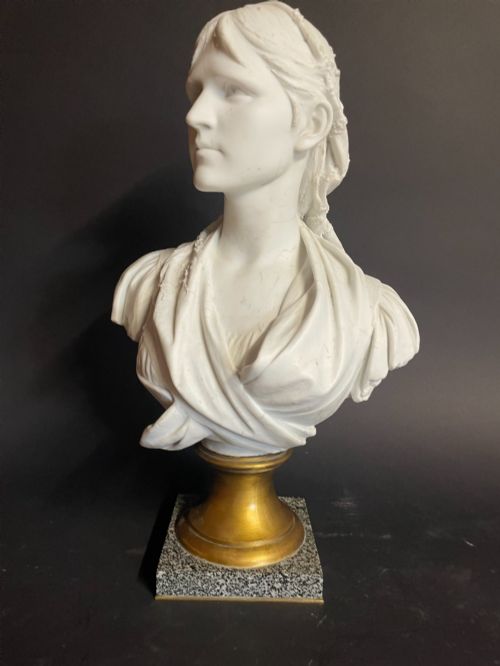
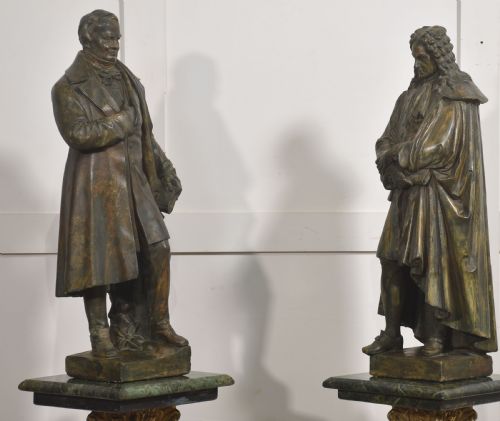
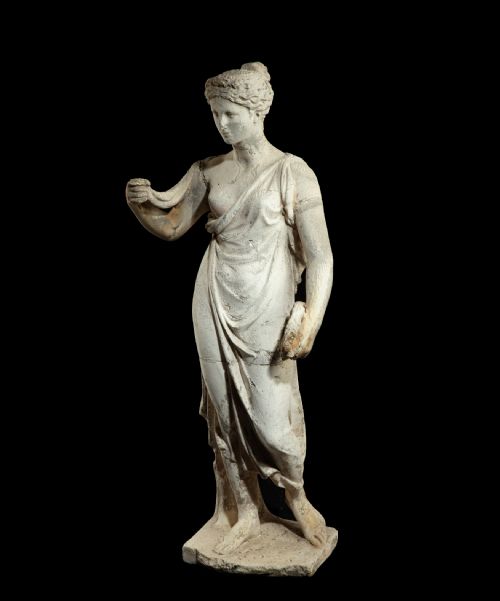
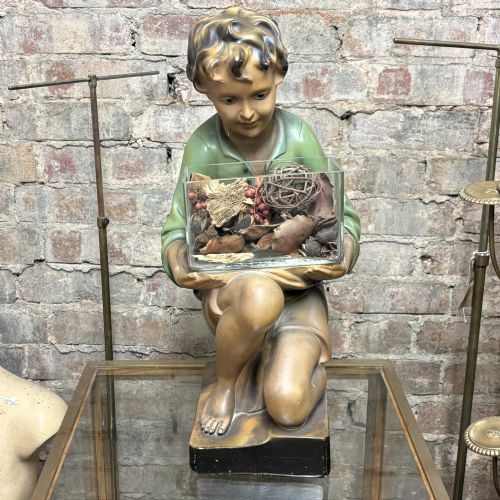
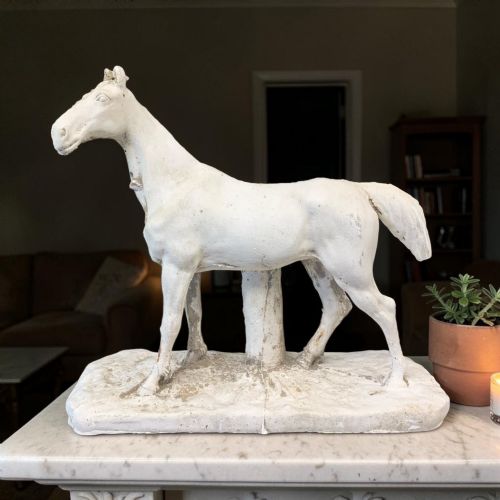
These antique plaster figures bring classical presence and character into a room through moulded relief and modelled form.
Antique Plaster Figures
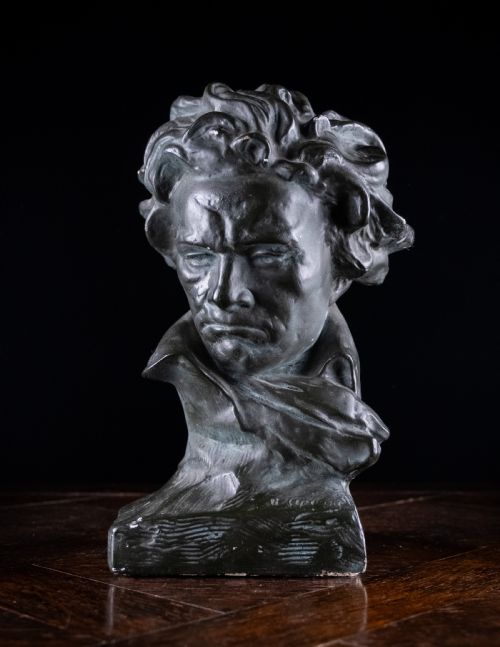
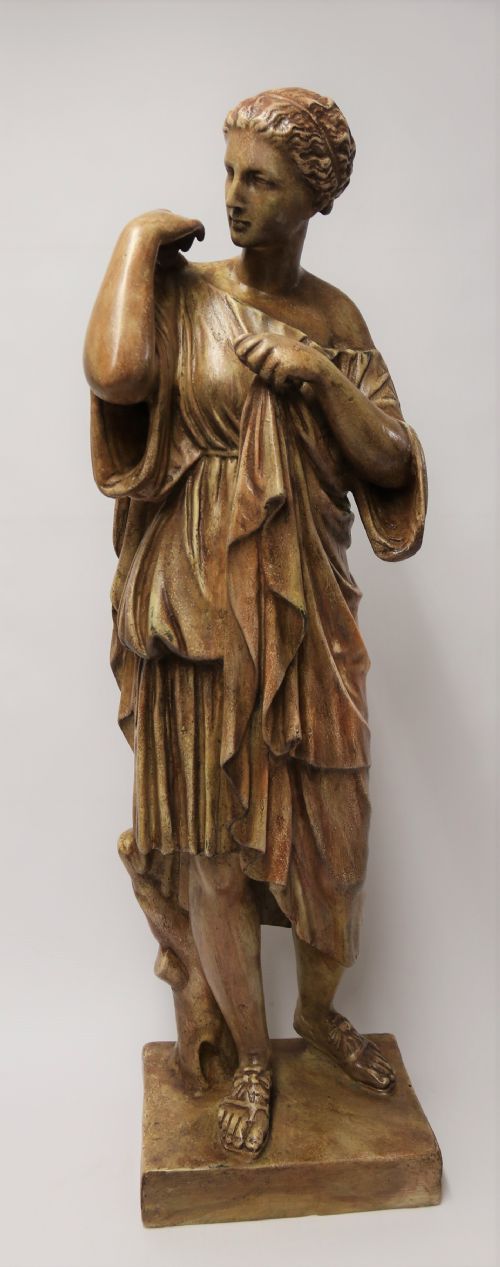
When you search for antique plaster figures, you encounter a diverse range of objects spanning from the Regency period through the Art Deco era. The selection centres on portrait busts, mythological deities, historical personages, and trade display pieces.
You are most likely to meet 19th-century portrait busts of classical emperors, literary figures like John Milton, and graceful female muses. These range from cabinet-sized library pieces to large architectural figures.
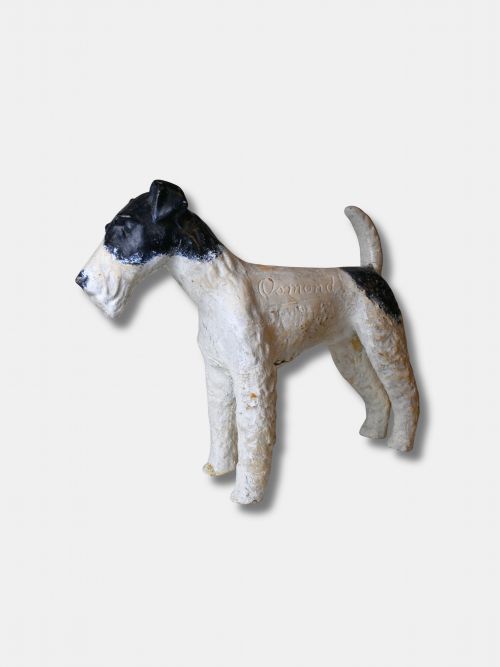
The material accommodates both grand Neoclassical subjects and utilitarian shop advertising figures, such as dogs, pigs, and lingerie mannequins. Each category reflects the prevailing aesthetic demands of its decade of origin.
Materials and Construction
The primary medium is plaster, often reinforced or finished to imitate heavier materials such as bronze, terracotta, or carved marble. Many examples incorporate wooden bases, brass fittings, or granite elements to provide stability.
Makers applied polychrome paint, metallic patinas, or simple chalk finishes to the surface to achieve the desired visual depth. Some workshop pieces rely on composition materials alongside traditional plaster to capture fine details in advertising figures.
Antique Plaster Figures Retail Price Guide 2026
Typical asking prices for plaster figures among the pieces listed under this phrase on Sellingantiques today, from the lower quarter to the upper quarter. They describe what is for sale here now, not the wider market.
Listings span the 19th and early 20th centuries, uniting Regency Neoclassical forms with Edwardian shop figures and Art Deco statuary.
Distinctions in Quality
The sophistication of the surface treatment, whether an intentional patination mimicking bronze or a delicate polychrome scheme, separates standard decorative items from works bearing distinct artistic authorship.
Dopmeier·Humphrey Hopper·Rouillard Angers·Octave Galliard-Sansonetti·Bohumil Rezl
The Antique Plaster Figures Glossary
- Plaster
- A building and sculpting material made from gypsum, water, and other ingredients, cast into moulds to create decorative figures. It hardens into a smooth, durable surface suitable for interior display.
- Grand Tour
- A traditional trip of Europe undertaken by upper-class European young men of sufficient status, resulting in the acquisition of classical souvenirs like miniature plaster figures. These items served as proof of cultural education.
- Stucco
- A fine plaster used for decorative work, architectural mouldings, and figures. It provides a smooth finish that accepts paint and patination readily.
- Polychrome
- Painted in several colours. This surface treatment brings realism and decorative warmth to sculptural figures.
- Patinated
- Treated to simulate the natural ageing and oxidation of metal or stone. It gives plaster surfaces the appearance of bronze or terracotta.
Antique Plaster Figures: Frequently Asked Questions
How do I clean antique plaster figures?
Dust surfaces gently with a soft, dry brush to prevent dirt accumulation without disturbing the painted or patinated finish. Avoid using water or liquid cleaners, as moisture penetrates unsealed plaster and causes structural damage.
Keep figures away from direct sunlight and damp environments to preserve the integrity of the material and any applied colour layers.
What is a Grand Tour plaster figure?
These are miniature or full-scale reproductions of classical sculptures purchased by travellers during their European tours in the 18th and 19th centuries. They allowed collectors to bring ancient Greek and Roman art into their home libraries.
Subjects typically included famous statues, mythological figures, and architectural elements recast in plaster.
How were advertising figures used?
Shopkeepers utilised plaster and composition figures in windows and display counters to attract customers to specific goods. Examples include trade animals, clothing mannequins, and branded signage.
These functional pieces combined commercial utility with sculptural presence, often featuring robust construction to withstand daily retail environments.
How do I date a plaster bust?
Examine the style of the subject's clothing, hair, and base construction, comparing these details against historical art movements like Regency Neoclassicism or Art Deco. Inscriptions, signatures, or remnants of maker labels also provide chronological anchors.
The weight, mounting style, and underlying material composition further help differentiate 19th-century library pieces from later 20th-century studio models.