


Antique Planter Boxes
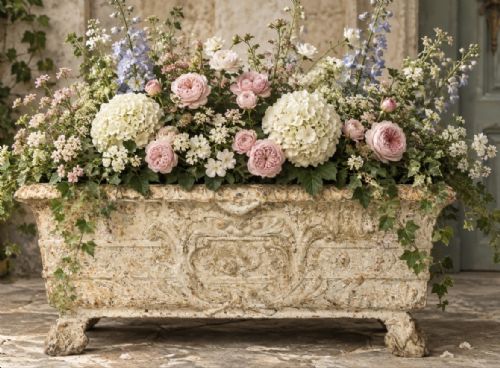
These antique planter boxes bring living greenery and refined design indoors, offering structured botanical display for period interiors.
Antique Planter Boxes
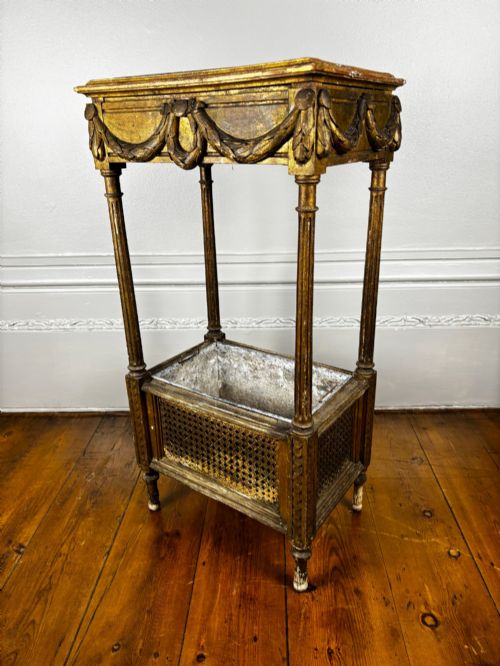
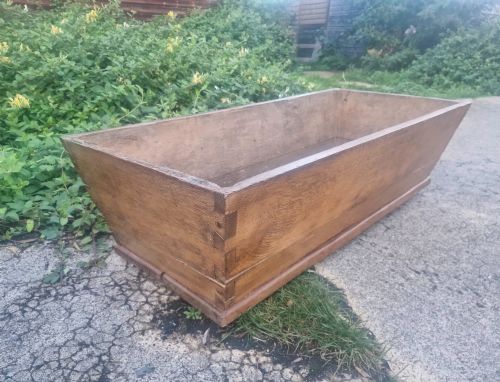
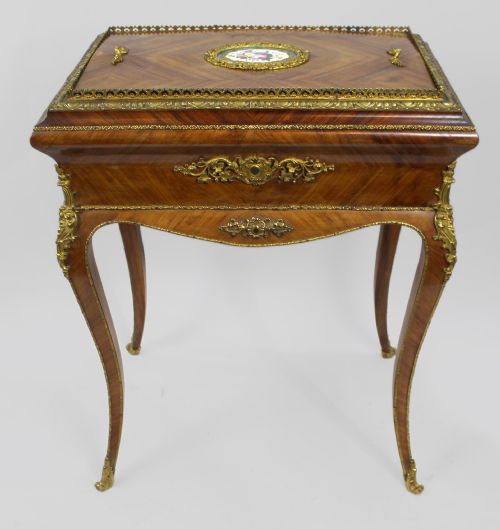
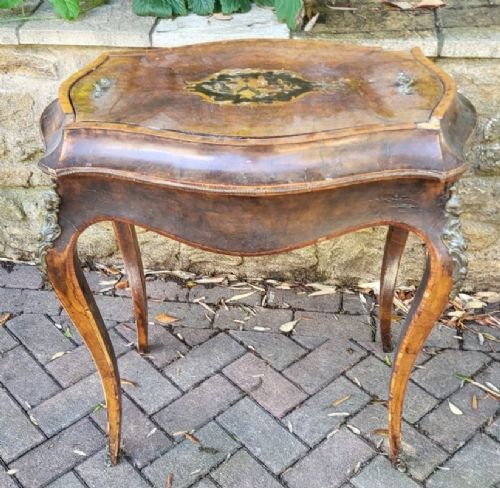
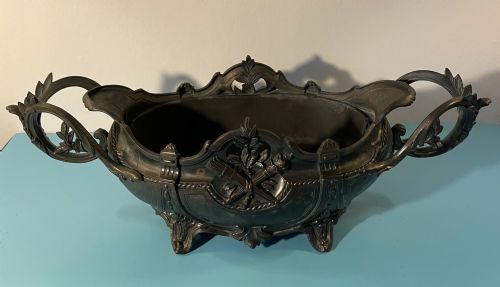
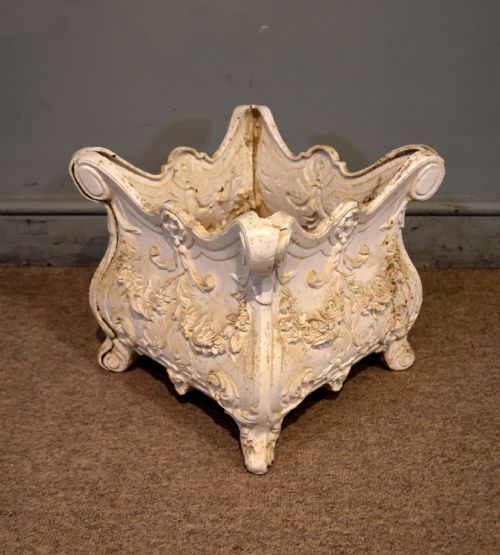
Antique planter boxes encompass versatile vessels designed to house potted plants, foliage, and cut florals within domestic and conservatory settings. Buyers encounter numerous French and English specimens spanning the eighteenth, nineteenth, and early twentieth centuries.
How they were made
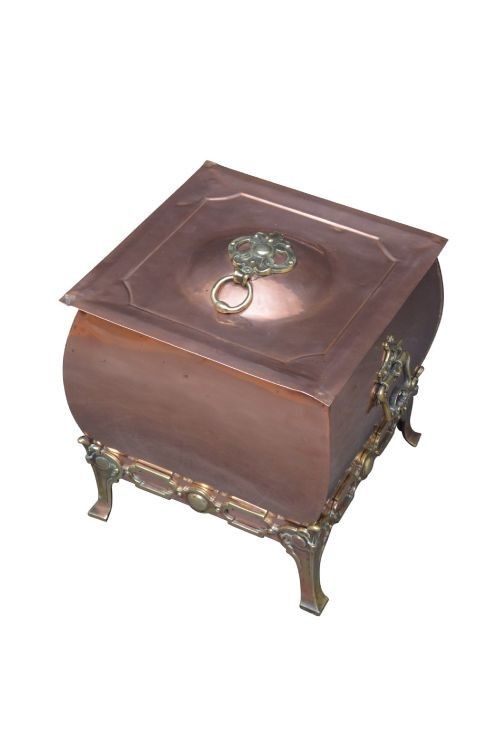
Construction relies upon traditional cabinetmaking and metalworking techniques, utilising timbers such as mahogany, walnut, satinwood, and pine alongside durable metals like cast iron, wrought iron, brass, and copper.
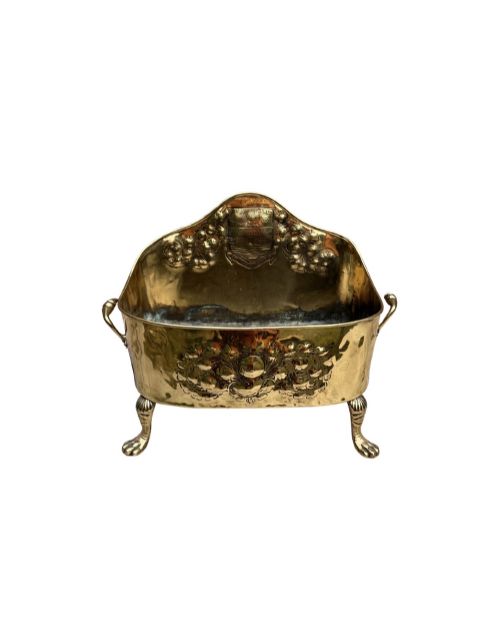
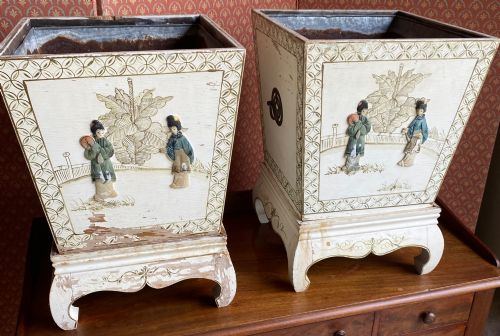
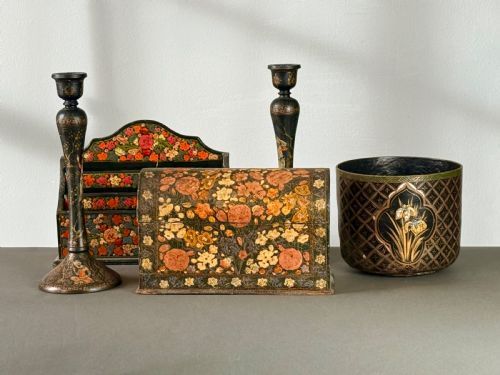
Finishing methods involve intricate marquetry inlay, giltwood carving, hand-painted lacquer, and repoussé metalwork often complemented by porcelain plaques, bronze mounts, and salt-glazed ceramics.
Antique Planter Boxes Retail Price Guide 2026
Typical asking prices for planter boxes among the pieces listed under this phrase on Sellingantiques today, from the lower quarter to the upper quarter. They describe what is for sale here now, not the wider market.
Materials span carved giltwood, ebonised pine, inlaid kingwood, and heavy cast iron across various continental and domestic origins.
What varies in quality
Quality rests upon the crispness of surface carving, the precision of wood veneers, and the structural integrity of internal metal liners designed to manage moisture.
Superior examples demonstrate harmonious proportions, sophisticated decorative mountings, and material authenticity that reflect the highest standards of period craftsmanship.
Coalbrookdale·Julius Dressler
The Antique Planter Boxes Glossary
- Jardiniere
- An ornamental pot or stand for holding plants or flowers, usually manufactured from ceramic, metal, or wood. These vessels often sit upon dedicated stands or serve as table centerpieces.
- Repousse
- A metalworking technique in which a malleable metal is ornamented by hammering from the reverse side. This process creates raised designs on brass, copper, and silver containers.
- Cellarette
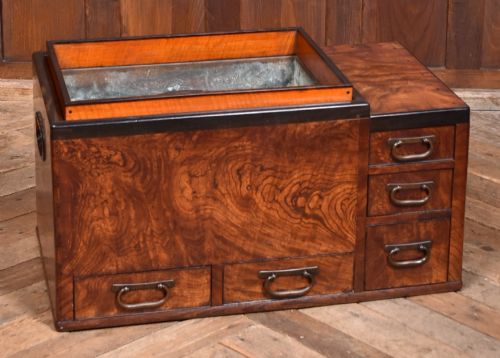
- A lockable cabinet or box traditionally used to hold bottles of wine, frequently repurposed as an indoor planter or coal bucket. They appear in fine timbers such as mahogany and walnut.
- Cachepot
- A decorative container used to conceal an unadorned flowerpot, preventing water damage to furniture surfaces. They frequently incorporate porcelain, lacquer, or glazed ceramic bodies.
- Strapwork
- Ornamental work consisting of flat, interlaced bands resembling leather straps, often applied to iron garden containers. This decorative motif appears on heavy nineteenth-century metalwork.
Antique Planter Boxes: Frequently Asked Questions
How do I protect my furniture from moisture?
Most antique planter boxes include internal metal liners or trays designed to catch drainage water from potted plants. Placing a secondary plastic nursery pot inside ensures easy removal and prevents direct contact with the wooden or metal base.
For pieces lacking original liners, placing a shallow saucer beneath the plant pot preserves the interior surfaces. Regular inspection prevents moisture accumulation and protects delicate timber and joinery.
Can I use these planters outdoors?
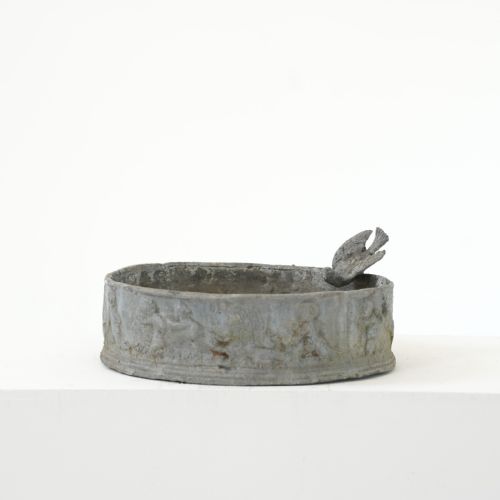
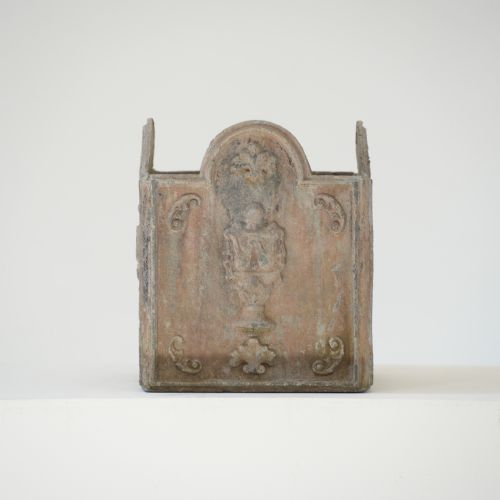
Cast iron, wrought iron, and lead containers withstand outdoor garden environments and exposure to the elements. These robust materials develop natural patinas over time when placed on patios or in conservatories.
Wooden and lacquered varieties require indoor placement to prevent warping, cracking, and surface degradation from moisture and frost. Protecting sensitive finishes preserves the structural integrity of period pieces.
What is the difference between a jardiniere and a planter?
A jardiniere typically refers to an ornamental, highly decorative vessel designed for interior display, often featuring painted porcelain, fine wood veneers, or intricate metal mounts. They functioned as focal points on tables and stands within formal reception rooms.
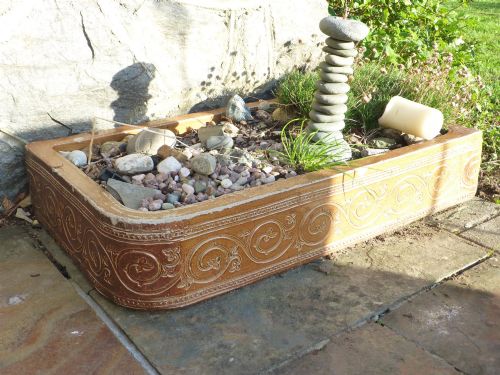
Planters and troughs encompass a broader category that includes utilitarian garden containers, heavy iron window boxes, and architectural pieces built for robust botanical use.
How do I clean and maintain brass or copper liners?
Gentle dusting with a soft, dry cloth preserves the aged surface without stripping the natural patination valued by collectors. Avoid harsh chemical cleaners that remove historic finishes and alter the metal colour.
Applying a microcrystalline wax provides a protective barrier against moisture and tarnishing. This maintenance routine safeguards decorative repoussé details and mounts.