



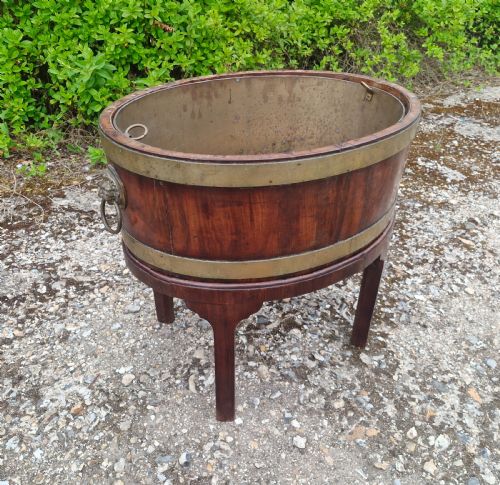


Antique Plant Tubs
These antique plant tubs bring organic form and heritage craftsmanship into interior spaces and gardens alike.
Antique Plant Tubs
When you search for antique plant tubs, you encounter vessels built to house flora, drawing on styles spanning the Georgian, Victorian, and Edwardian eras. The selection comprises forms such as jardinieres, cachepots, and cellarettes adapted for botanical display.
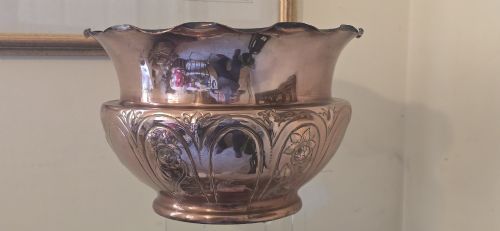
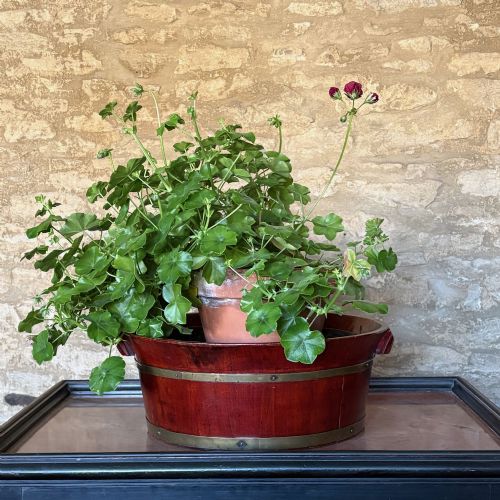
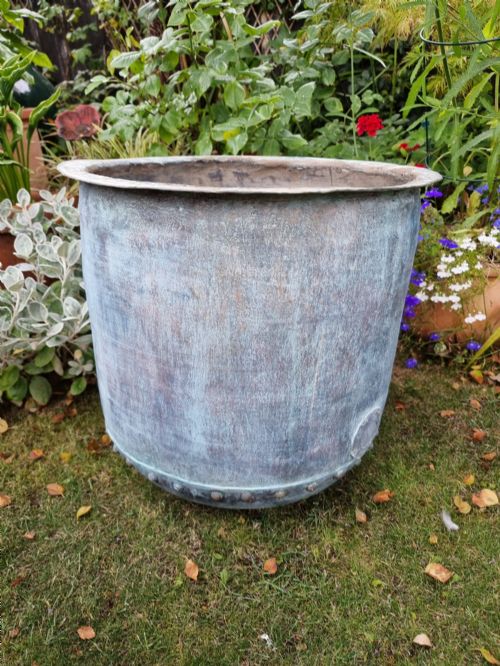
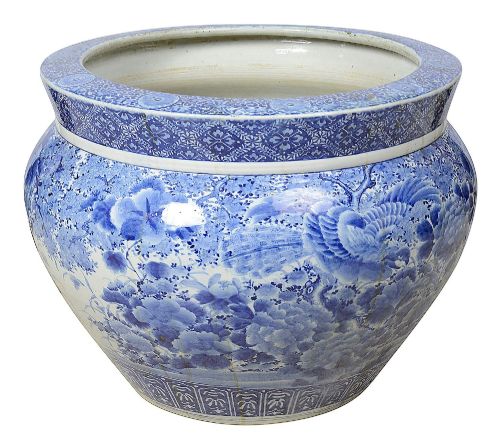
The objects listed here frequently manifest as large copper or brass vessels, alongside mahogany planters bound with brass and porcelain jardinieres originating from European and Asian kilns. French copper garden display pots and Japanese porcelain pieces appear among the diverse styles.
You will also find lead planters on claw feet, zinc pairs, and earthenware fish bowls. These items bridge domestic interior decoration and garden landscaping across multiple centuries of design.
Materials and construction methods
Metal vessels in this category utilise beaten copper, cast brass, and heavy zinc, often shaped by hand with visible hammering marks and riveted seams. Wooden examples employ dense mahogany bound with structural brass bands to contain moisture and soil safely.
Ceramic and porcelain pieces demonstrate thrown or moulded bodies finished with hand-painted underglaze blue or polychrome enamel decoration. Gold leaf accents and crests applied to the front surfaces further highlight the decorative techniques utilised by period artisans.
Antique Plant Tubs Retail Price Guide 2026
Typical asking prices for plant tubs among the pieces listed under this phrase on Sellingantiques today, from the lower quarter to the upper quarter. They describe what is for sale here now, not the wider market.
Materials across the listings include mahogany, porcelain, brass, copper, lead, zinc, and enamel.
Distinguishing quality across pieces
Quality separates through the integrity of the materials and the depth of hand-finishing applied to the metalwork, wood, or ceramic body. Heavy gauge copper with crisp hand-hammering and robust brass banding indicate superior execution compared to lighter, purely decorative items.
Provenance and maker attribution elevate certain porcelain and mahogany pieces, such as those from documented factories like Worcester or Meissen. The precision of the joinery in coopered wooden tubs and the clarity of transfer-printed or hand-painted porcelain glazes determine the upper echelon of the range.
Barr, Flight and Barr·Meissen
The Antique Plant Tubs Glossary
- Jardiniere
- An ornamental pot or stand for holding flowers or plants, typically ceramic or metal. These vessels sit on floors or tabletops rather than being planted directly into the earth.
- Cachepot
- An ornamental pot used to conceal an ordinary flower pot, lacking drainage holes in the base. This French term translates literally as hide-pot.
- Cellarette
- A lockable container used originally to hold bottles of wine, frequently repurposed as a planter due to its watertight lead or metal lining. Late Georgian examples often utilise coopered mahogany with brass bands.
- Coopered
- Built from wooden staves fitted together and bound with metal hoops, mimicking the construction of barrels. This technique provides the structural strength required for holding wet soil.
- Meiji Period
- The era in Japanese history spanning from eighteen sixty-eight to nineteen twelve, known for distinctive porcelain and metalwork exported to the West. Pieces from this time often feature blue and white or polychrome decoration.
Antique Plant Tubs: Frequently Asked Questions
Can I use antique plant tubs outdoors?
Certain metal and lead tubs withstand exterior weather conditions, though copper and brass develop natural verdigris over time.
Porcelain and fine ceramic pieces risk frost damage and should remain indoors or within sheltered garden structures during winter months.
How were antique plant tubs originally used?
Wealthy households utilised these vessels inside formal reception rooms to display mature indoor palms, ferns, or flowering plants during social seasons.
Others served in domestic contexts as wine coolers or waste bins before collectors subsequently repurposed them for botanical displays.
How do I protect the interior of a wooden planter?
Coopered mahogany buckets and wine coolers usually feature metal liners or original lead linings designed to contain damp soil and moisture.
Inserting a modern plastic pot inside the vessel prevents direct contact between wet earth and the historic timber.
How do I identify a Georgian plant tub?
Georgian and late Georgian examples often take the form of elliptical or round mahogany buckets with substantial brass bands and carrying handles.
Construction details such as hand-cut dovetails and period timber patination help distinguish these eighteenth and early nineteenth-century pieces from later reproductions.