




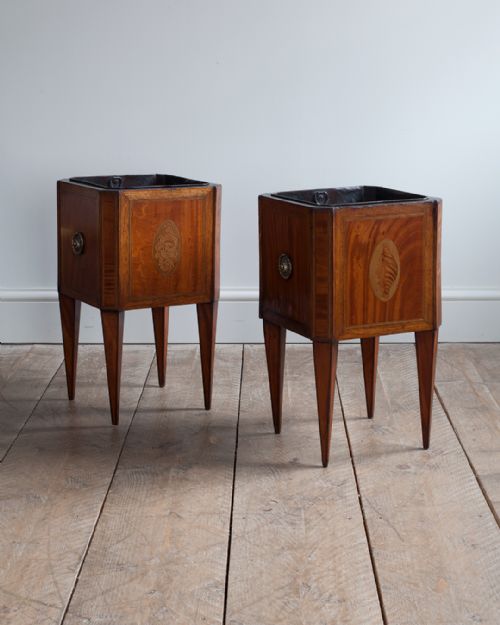


Antique Plant Box
An antique plant box brings living greenery indoors with time-worn elegance, spanning periods from Georgian timber to Victorian brass.
Antique Plant Box
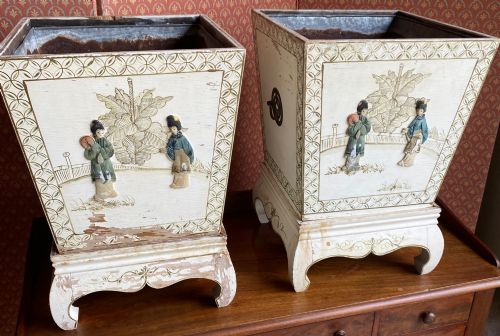
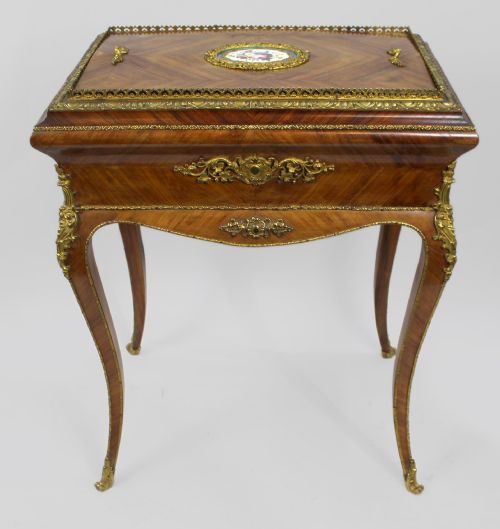
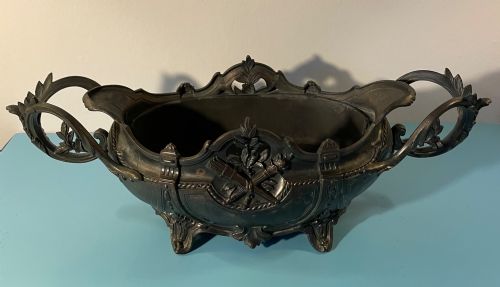
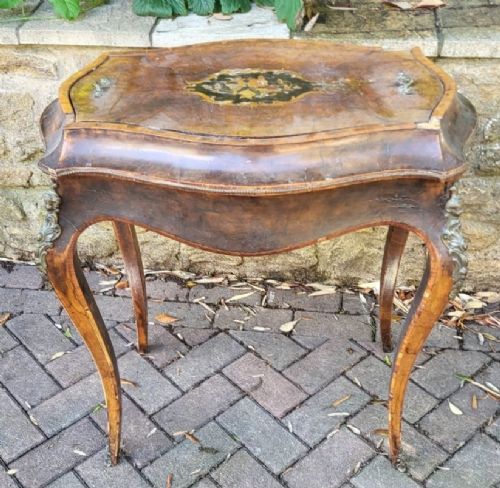
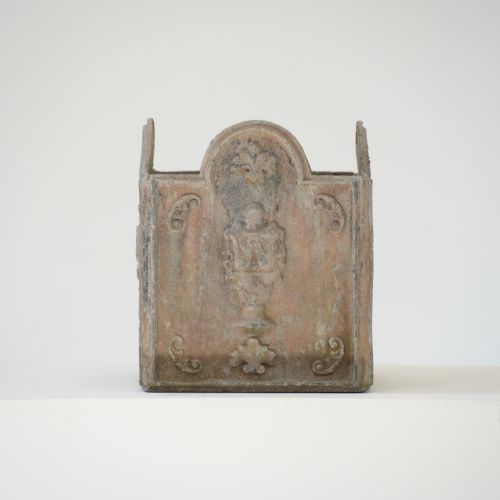
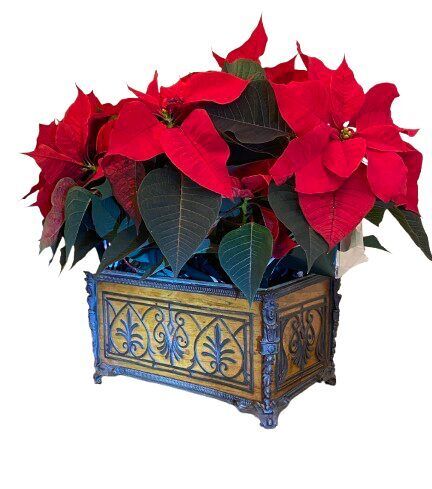
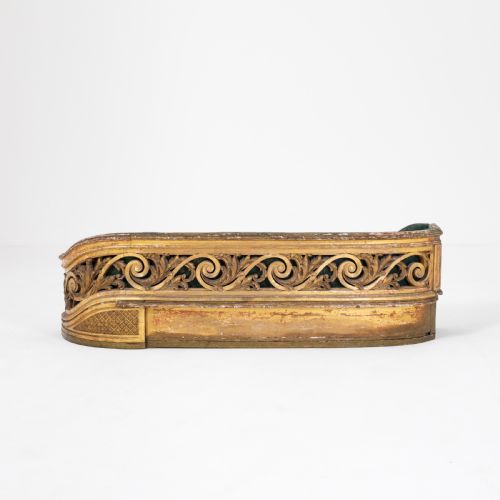
An antique plant box takes many forms, most frequently appearing as a jardiniere, planter or plant stand designed to house indoor flora or garden greenery. These vessels range from compact brass pots to substantial mahogany and kingwood jardinieres intended for grand reception rooms.
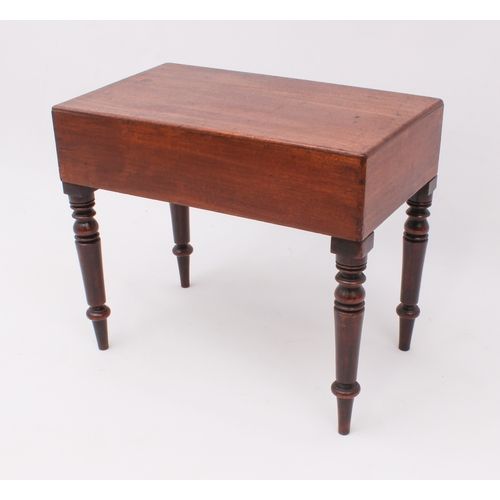
Earlier Georgian pieces also feature, alongside quirky crossovers like mahogany bidets and copper coal boxes adapted for botanical use. Each piece reflects the interior fashions of its era, from elaborate Louis revival mounts to simpler Arts and Crafts copper work.
How they were made
Cabinetmakers utilised rich timbers such as mahogany, kingwood, burr walnut and satinwood, often embellishing surfaces with intricate marquetry inlay, ebonising, or hand-painted Japanese motifs. These wooden boxes frequently incorporated metal liners or inserts to protect the structure from damp soil and water.
Metalworkers shaped brass, copper, bronze and wrought iron using techniques like repoussé embossing, strapwork construction and applied ormolu mounts. Porcelains, including Sevres-type plaques and majolica from makers like Julius Dressler, were incorporated into timber and metal frames to add colour and texture.
Antique Plant Box Retail Price Guide 2026
Typical asking prices for plant box among the pieces listed under this phrase on Sellingantiques today, from the lower quarter to the upper quarter. They describe what is for sale here now, not the wider market.
Listings feature diverse materials including brass, mahogany, kingwood, porcelain, and wrought iron, spanning the Georgian, Victorian, and Edwardian eras.
What varies in quality
The distinction between standard production and exceptional work lies in the crispness of the casting, the precision of the timber inlay, and the integrity of the original metal liner. Superior examples display refined hand-chasing on brass mounts, select veneers with strong grain patterns, and cohesive stylistic detailing.
Design ambition separates basic utility pieces from high-style decorative items, seen in sophisticated proportions, balanced Ormolu mounts, or integrated porcelain plaques. The survival of original patination, gilding, and structural components underpins the enduring appeal of the better specimens.
Julius Dressler
The Antique Plant Box Glossary
- Jardiniere
- An ornamental pot or stand for holding plants or flowers, usually manufactured from ceramic, metal or polished wood. The word derives from the French term for a female gardener.
- Repousse
- A metalworking technique where the artisan hammers the material from the reverse side to form a raised design in relief on the front. This method was widely utilised on nineteenth-century brass plant boxes.
- Ormolu
- Gilded bronze ornamentation applied to furniture, clocks and decorative containers during the eighteenth and nineteenth centuries. The technique involves creating a finely chased bronze mount and applying a gold amalgam.
- Kingwood
- A dense, heavily figured Brazilian hardwood featuring dark violet and brown striping, popular in high-end French cabinetmaking. It was frequently used for veneering decorative boxes and jardinieres.
- Marquetry
- The art of applying decorative pieces of veneer to a structural structure to form intricate geometrical patterns or pictorial scenes. Craftsmen employed contrasting woods to achieve rich tonal variations.
Antique Plant Box: Frequently Asked Questions
What is an antique plant box?
An antique plant box is a decorative container designed to house potted plants indoors, protecting tabletops and floors while adding elegance to a room. These pieces range from simple metal pots to elaborate inlaid wooden stands.
Historically, they allowed homeowners to display exotic ferns and flowering plants safely within formal living spaces. Today, they serve the same practical function while functioning as sculptural decorative objects.
How were plant boxes used historically?
In the nineteenth century, these vessels sat in drawing rooms and conservatories, holding potted greenery brought indoors for display. Metal liners protected the underlying wood or fabric from moisture.
Wealthy households utilised grand jardinieres to showcase expensive hothouse plants during dinner parties and receptions. They were central elements of interior decoration in both English and French homes.
Can I use an antique planter for real plants?
Yes, though you should protect the interior with a modern plastic liner or a shallow dish to prevent water damage. Many period boxes retain their original metal inserts, but older soldered joints can develop leaks over time.
Checking the interior condition helps determine whether direct planting is safe or if a secondary pot is necessary. With basic care, these vessels perform their original function admirably.