



Antique Place Markers
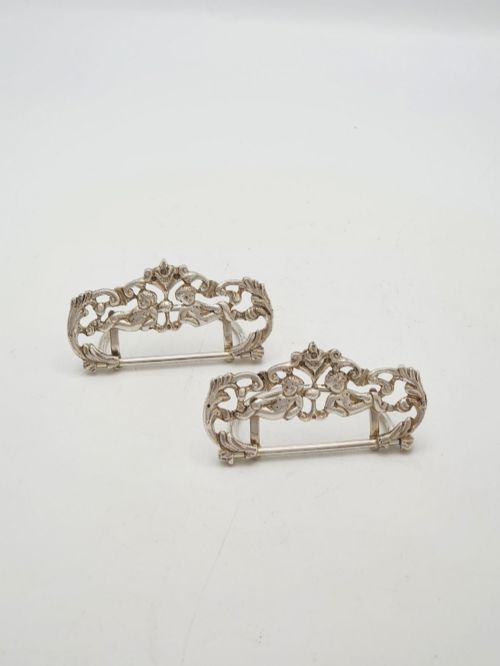
Antique place markers dress formal dining tables with miniature silver sculpture, combining table organisation with decorative charm.
Antique Place Markers
When you search for antique place markers, you encounter small table accessories designed to hold name cards or menu cards upright during dinner parties. These pieces primarily date from the Victorian and Edwardian eras through to the 1930s, reflecting the elaborate dining customs of those periods.
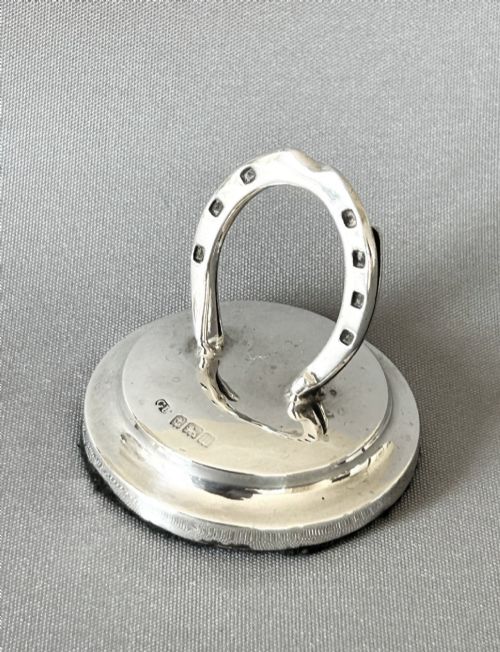
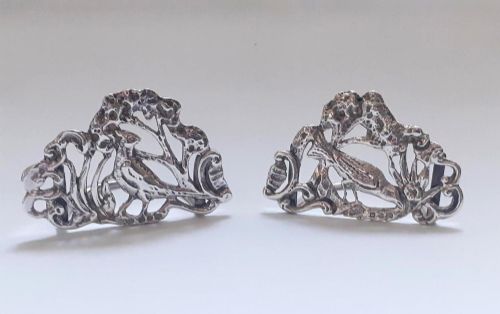
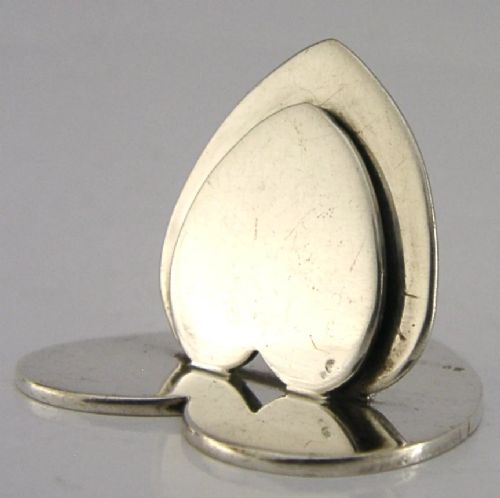
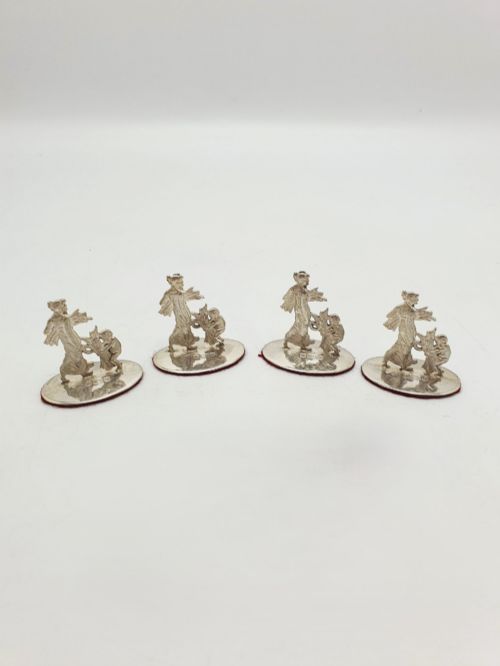
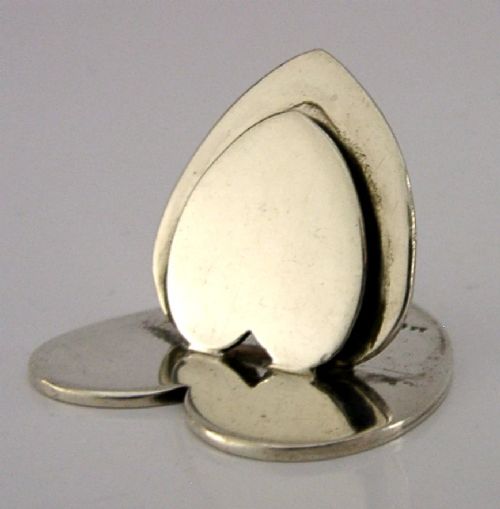
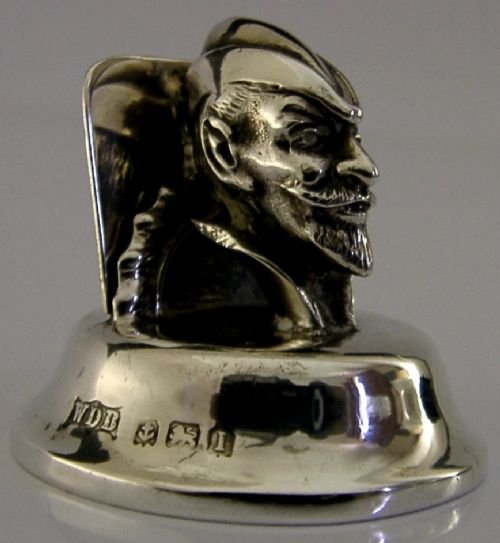
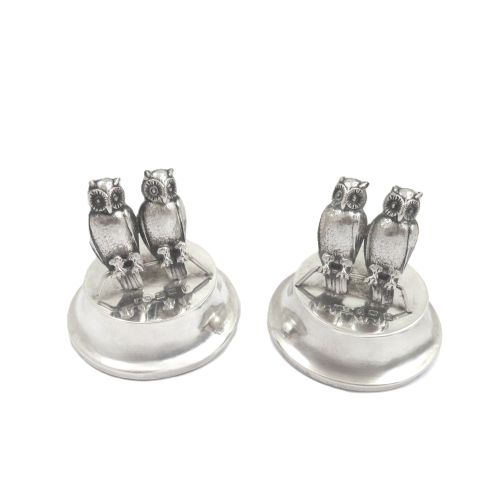
The most common forms on this page include figural designs depicting animals, birds, and human figures, alongside love hearts, sentry boxes, and Scottish influenced motifs. Many examples double as menu card holders, serving a dual purpose on the formal table.
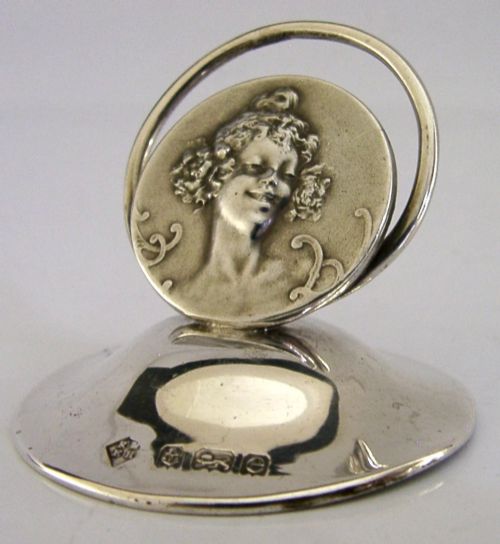
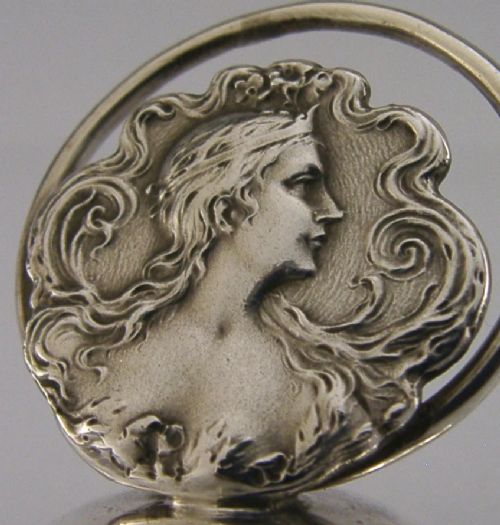
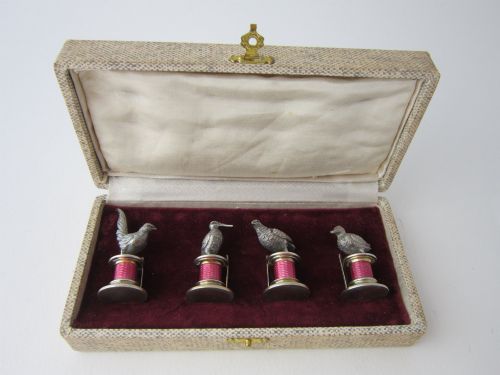
Makers such as Sampson Mordan and Liberty produced notable examples in sterling silver, often appearing as matched pairs or larger sets of four, six, or twelve. The selection spans distinct aesthetic movements including Art Nouveau, Arts and Crafts, and Scottish Revival.
Materials and methods of construction
The primary material across these listings is sterling silver, occasionally augmented with colourful guilloche enamel or gemstone details for added visual interest. Silversmiths utilised casting, stamping, and hand-finishing techniques to render intricate figural details like owl feathers, horse heads, and flowing maiden hair.
Many items incorporate hinged or fixed weighted bases to ensure the miniature sculptures remain stable when supporting cards. Hallmarks stamped directly into the silver provide precise dates and assay office origins for the majority of these pieces.
Antique Place Markers Retail Price Guide 2026
Typical asking prices for place markers among the pieces listed under this phrase on Sellingantiques today, from the lower quarter to the upper quarter. They describe what is for sale here now, not the wider market.
Distinctions in craftsmanship
Quality in these small table accessories rests upon the crispness of the casting and the sensitivity of the figural modelling. Superior pieces exhibit fine anatomical detail in subjects like birds and animals, whereas lesser examples rely on flat stamping or soft contours.
The reputation of the maker also dictates distinction, with works associated with established workshops commanding greater attention from collectors. Complete sets and matched pairs demonstrate higher desirability than single displaced items.
Sampson Mordan·Liberty
The Antique Place Markers Glossary
- Guilloche enamel
- A decorative technique involving precise mechanical engraving beneath translucent layers of coloured enamel. This method creates a repetitive geometric pattern that catches the light on decorative surfaces.
- Sterling silver
- An alloy consisting of ninety-two point five percent silver and seven point five percent other metals, usually copper. This standard composition provides the necessary durability for detailed table ornaments.
- Figural
- Artworks or objects modelled in the exact likeness of a human, animal, or mythical subject. In this context, it describes markers shaped as owls, foxes, maidens, and horses' heads.
- Assay office
- A statutory body charged with testing the purity of precious metals and stamping them with official hallmarks. These marks verify the metallic content and often indicate the city of testing.
Antique Place Markers: Frequently Asked Questions
How were place markers used?
Hosts placed them beside each setting to guide guests to their designated seats or to display the evening's menu options. They sat directly on the tablecloth among the glassware and cutlery.
Because formal meals involved multiple courses, these markers often accommodated menu cards alongside guest names.
How do I care for silver markers?
Keep silver place markers clean by gently dusting them with a soft cloth and avoiding harsh abrasive cleaners that can damage fine details. Proper storage in a dry environment prevents tarnishing.
Enamelled pieces require particular care to protect the coloured glass surfaces from impact and chemical exposure.
Can I use them today?
You can use them for modern dinner parties, weddings, or celebratory feasts to hold name cards or small menu descriptions. They add a touch of historical elegance to contemporary table settings.
They also display well in cabinet collections when not in active use on the dining table.