




Antique Pique Box
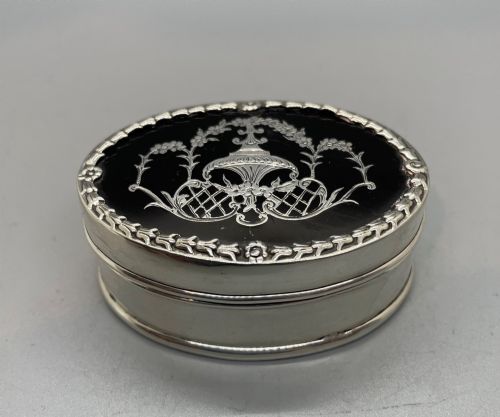
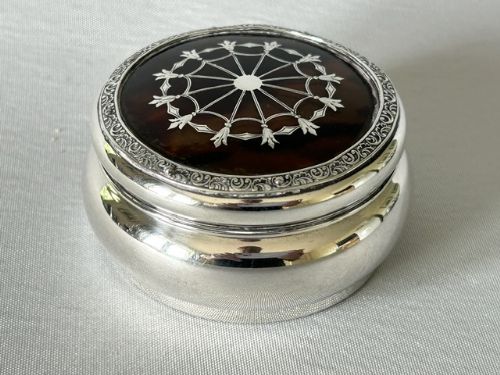
An antique pique box brings together warm shell and precious metal inlay in a small container made to hold snuff or trinkets.
Antique Pique Box
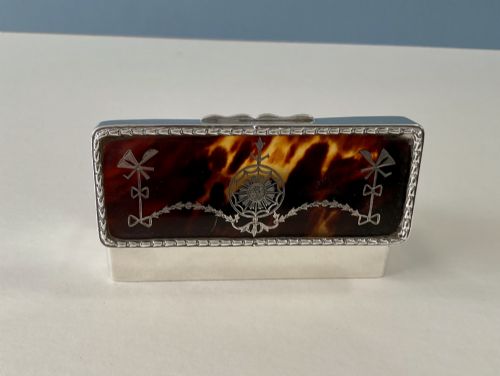
The forms vary from standard rectangular trinket boxes to more imaginative shapes like snuff shoes with inlaid diamonds and brass foliage. Materials range from genuine tortoiseshell and blond tortoiseshell to faux tortoiseshell, horn, wood, and sterling silver. These variations reflect both everyday Georgian pocket items and larger Edwardian dressing table pieces.
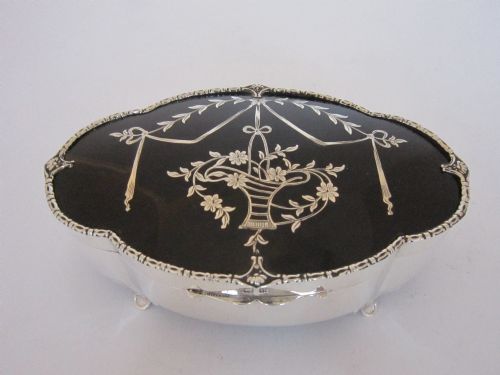
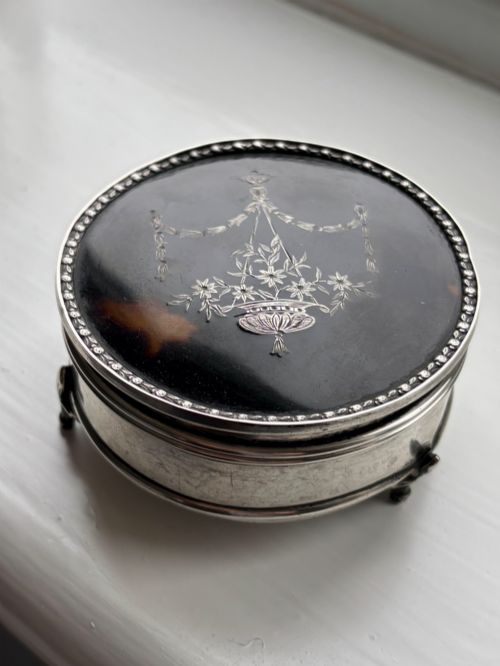
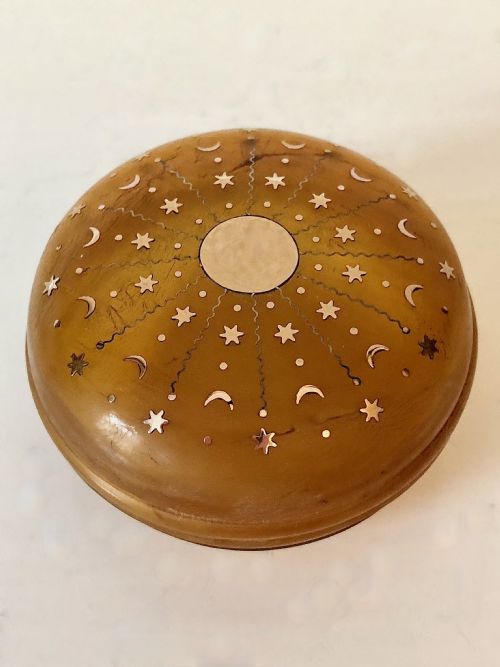
Many examples combine sterling silver mounts with dark or blond shell lids, secured with tiny metal pins that form floral or geometric motifs. Other items utilise brass pique work set directly into carved horn or wood surfaces. Each surviving piece demonstrates the meticulous patience required to apply microscopic metal work to organic materials.
Materials and construction
The makers of an antique pique box relied on organic substrates such as tortoiseshell, blond tortoiseshell, horn, and wood as the foundation for their work. These organic materials were often shaped by hand, as seen in carved horn snuff boxes and shoe-form containers.
Decoration was achieved by pressing heated gold or brass wire and tiny plates into the softened surface of the shell or horn. Once the organic material cooled, it held the metal inlay firmly in place, creating a smooth and durable decorative skin.
Metal mounts in sterling silver were frequently added to edge the lids and provide functional hinges and clasps. These structural silver elements complemented the fine inlaid pique work without overwhelming the delicate patterns on the lid.
Antique Pique Box Retail Price Guide 2026
Typical asking prices for pique box among the pieces listed under this phrase on Sellingantiques today, from the lower quarter to the upper quarter. They describe what is for sale here now, not the wider market.
Some makers shaped their snuff boxes into the exact form of buckled shoes inlaid with tiny metal diamonds.
Factors of quality
The fineness of the metal inlay dictates the visual success of an antique pique box, with tightly spaced gold or brass pins showing greater artisan skill. Simpler pieces rely on sparse brass foliage, whereas finer items incorporate intricate geometric arrangements or gold wire.
The condition and preparation of the organic shell material also define the tier of the piece. Blond tortoiseshell and rich dark shell with natural translucency command attention compared to plain horn or wood substrates.
The integration between the metal mounts and the organic body reveals the standard of manufacture. Well-executed hinges and flush sterling silver collars indicate a higher grade of workshop production.
Ollivant & Botsford·Asprey & Co.
The Antique Pique Box Glossary
- Pique
- A method of decorating organic materials by inlaying tiny points or strips of gold or brass. This technique creates delicate surface patterns on small receptacles.
- Tortoiseshell
- The mottled brown and amber keratin shell of certain turtle species used for decorative boxes. It provides a translucent background for metal inlay.
- Blond tortoiseshell
- A lighter, more translucent variant of shell prized for its warm amber tone. It often serves as a backdrop for gold wire work.
- Snuff box
- A small pocket container designed to hold powdered tobacco. Many examples feature specialised shapes like shoes or carved horn bodies.
- Trinket box
- A small lidded receptacle intended for dressing table storage of small personal items. These pieces frequently combine sterling silver frames with shell panels.
Antique Pique Box: Frequently Asked Questions
What is an antique pique box?
An antique pique box is a small lidded container decorated by inlaying tiny pins or strips of gold and brass into organic materials like shell or horn.
These pieces were traditionally used to store snuff, trinkets, or small pieces of jewellery on a dressing table.
How do you date an antique pique box?
Dating relies on examining the metal mounts, hallmarks, and overall style to distinguish Georgian pieces from later Edwardian or George V examples.
Sterling silver mounts often carry assay marks that narrow down the exact year of production.
What materials were used to make them?
The primary bodies were constructed from tortoiseshell, blond tortoiseshell, horn, wood, or faux tortoiseshell.
Artisans then inlaid these surfaces with brass or gold wire alongside sterling silver structural framing.
How were these boxes used originally?
Georgian examples often served as pocket containers for tobacco or small valuables carried on the person.
Later Edwardian iterations transitioned into dressing table accessories meant to hold rings and brooches.