
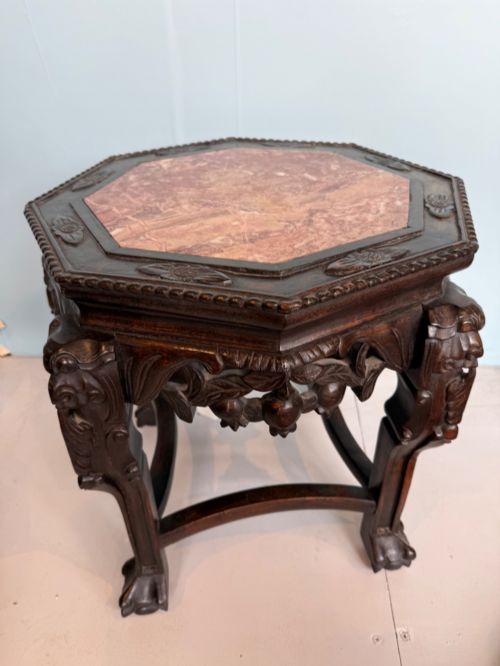

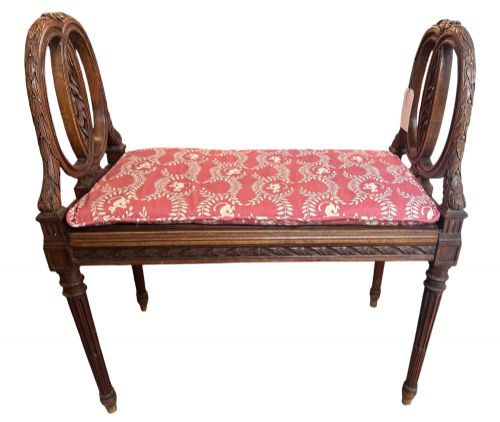


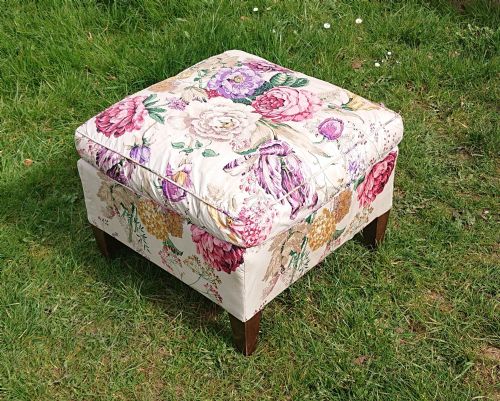
Antique Pink Stool
An antique pink stool brings soft colour and compact practicality to a room, offering versatile seating or a resting place for feet.
Antique Pink Stool
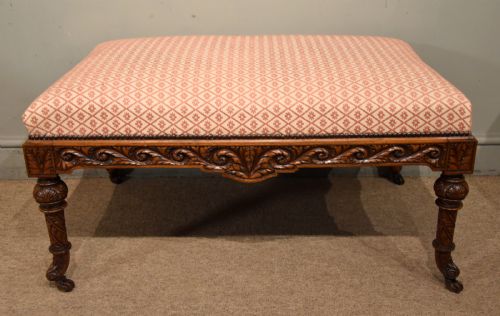
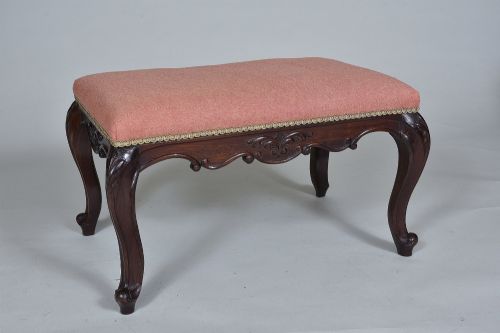
An antique pink stool encompasses various low seats and foot rests finished in textile, fabric, or velvet upholstery displaying pink tones. The selection spans distinct periods including the Victorian era, Edwardian period, and the nineteen twenties.
Forms vary from footstools and dressing stools to piano stools, window seats, and ottomans. Timber frames in mahogany, walnut, rosewood, and oak support the upholstered pink surfaces.
Origin and style stretch across English Georgian designs, French Louis XVI styles, and nineteenth-century craftsmanship. Buyers select these pieces to introduce functional seating with historical character.
What varies in quality
Construction integrity of the timber frame determines durability, separating solid hardwood joinery from lighter or compromised structures. Carved ornamentation and turned legs reflect the precision of the maker's hand.
The condition and retention of original textile or velvet upholstery influence the piece's integrity. Finer examples maintain cohesive proportions and harmonious integration between frame materials and fabric.
The listings on this site record Victorian and Edwardian frames combined with textile, velvet, and fabric upholstery.
H Brooks and Co·A.M.E. Fournier
The Antique Pink Stool Glossary
- Cabriole leg
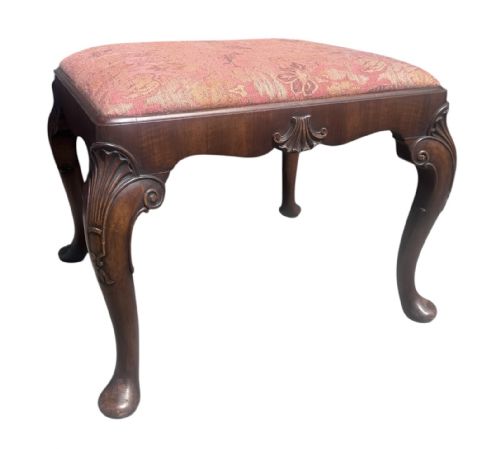
- A furniture leg that curves outward at the knee and tapers inward to an ankle, typical of eighteenth-century and Victorian revival designs. This shape provides stable support while maintaining a graceful silhouette.
- Ottoman
- A low upholstered seat or footstool without a back or arms, often designed for domestic relaxation. These pieces function as independent seating or as companion foot rests.
- Needlepoint
- A type of canvas work embroidery utilised historically for durable upholstery on stools and chairs. Stitched patterns often incorporate floral motifs using wool or silk threads.
- Window seat
- An elongated stool or bench traditionally placed in a bay window recess for seating. These forms frequently feature upholstered tops supported by mahogany or walnut frames.
- Bobbin leg
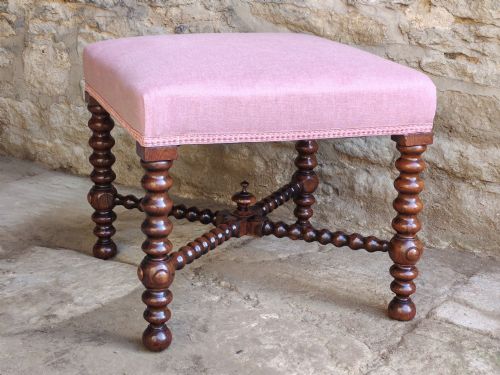
- A furniture leg turned on a lathe to resemble a series of rounded wooden bobbins or spools stacked together. This decorative turning technique appears on nineteenth-century seating.
Antique Pink Stool: Frequently Asked Questions
How do I clean antique upholstery?
Surface dust can be removed gently using a soft brush or a low-suction vacuum attachment designed for textiles.
Water and chemical cleaning agents should be avoided unless recommended by a professional conservator to protect historic fabric.
Can these stools support daily sitting?
Sturdily constructed wooden frames with sound joinery handle regular use as occasional seats or foot rests.
Heavier weight demands careful placement, and delicate antique upholstery benefits from mindful handling.
Where should I place a window seat?
These long stools suit hallway placements, bedroom ends, or living room window recesses.
Their low profile preserves natural light flow while providing accessible seating.
How do I identify a Victorian stool?
Victorian examples frequently employ rosewood or walnut timbers paired with cabriole legs or carved ornamentation.
Upholstery styles and turned wooden components typical of the nineteenth century help confirm the period.