



Antique Pine Shelves
Antique pine shelves bring honest utility and warm grain to rooms that need storage with character.
Antique Pine Shelves
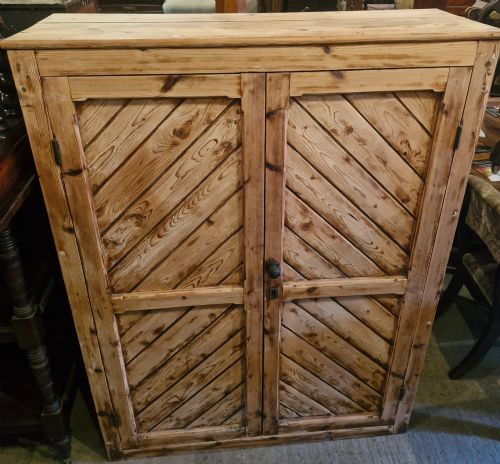
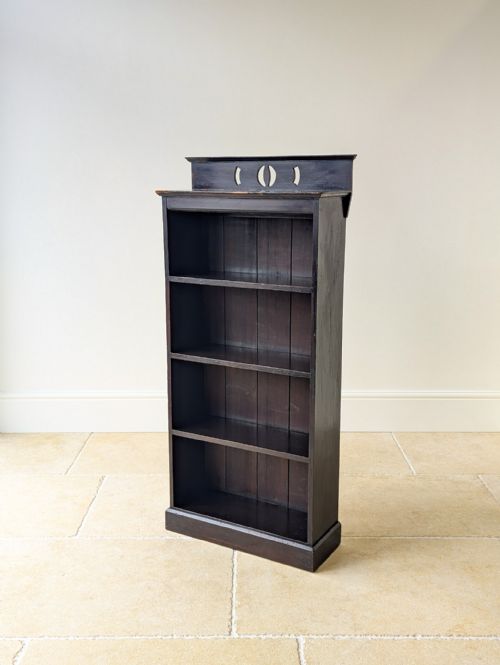
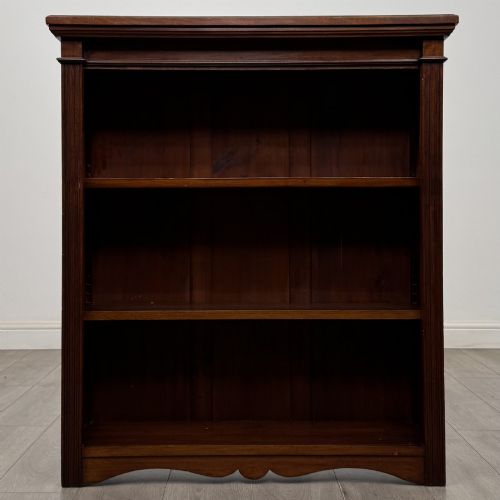
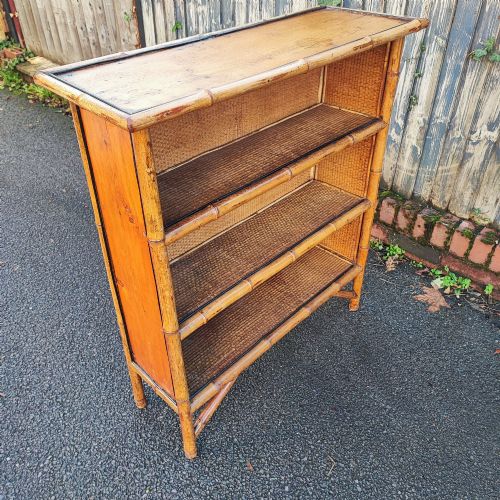
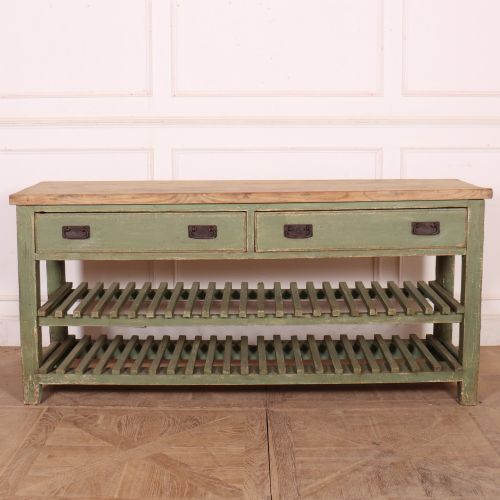
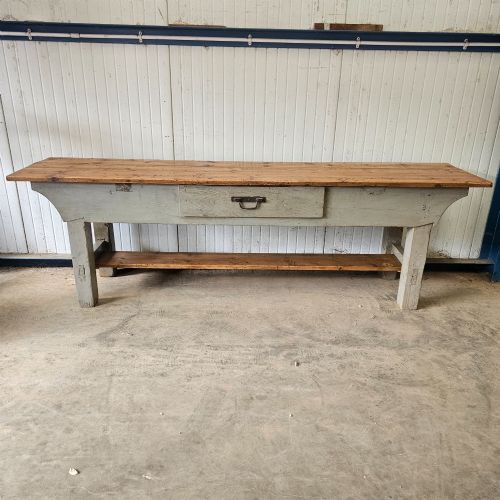
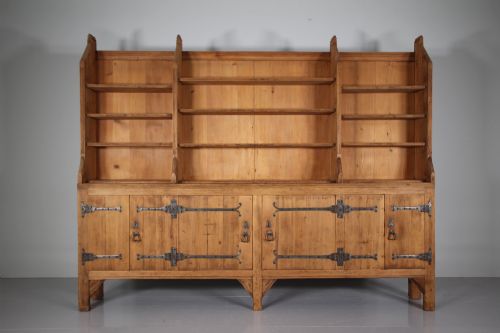
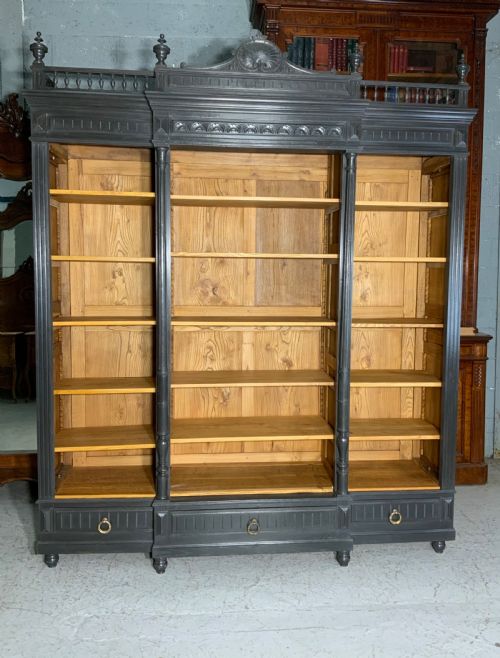
When you search for antique pine shelves, you find practical storage pieces built from softwood that served everyday domestic and commercial life across centuries. The selection ranges from simple open bookcases and wall-mounted plate racks to robust dresser bases and industrial filing units.
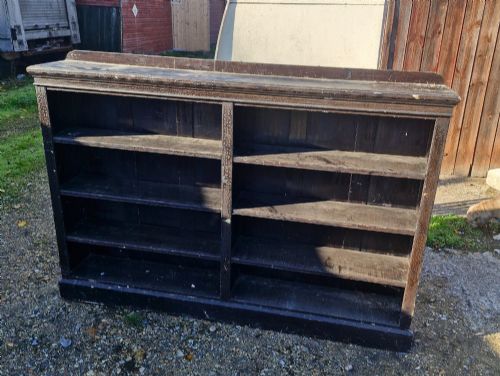
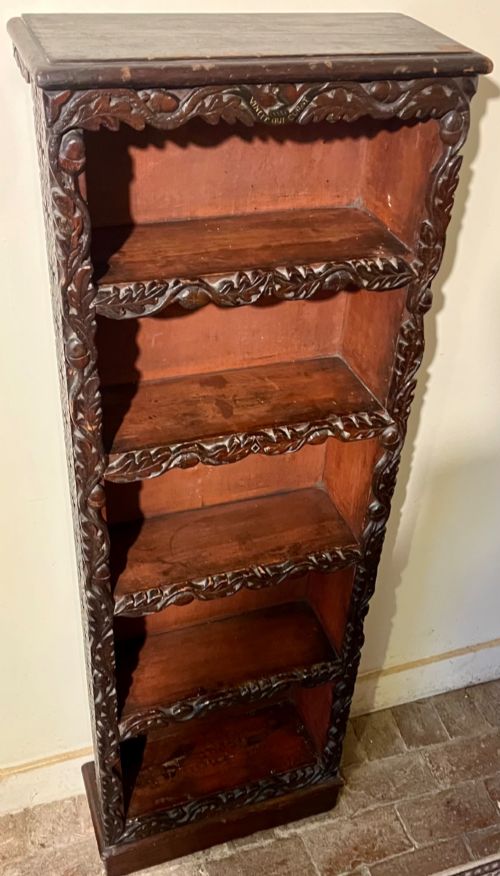
You are most likely to meet Victorian and nineteenth-century open bookcases or country wall shelves on this page. These pieces often feature simple boards or adjustable uprights designed for holding books, kitchen wares, and household goods.
Regional variations appear frequently, spanning English, Scottish, Irish, and French workshops. Forms extend from rustic farmhouse potboards and corner cabinets to specialised pigeon holes and bakers racks.
How they were made
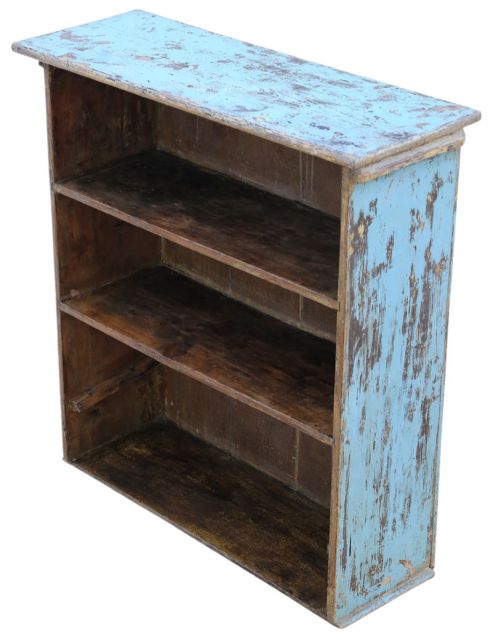
Carpenters constructed these pieces primarily using solid pine, deal wood, and occasionally oak for structural elements. Surfaces were either left natural to take wax, or coated in traditional paint finishes such as blue, white, or dark wax layers.
Joinery relied on straightforward pegged or nailed construction suited to utility furniture, sometimes incorporating brass or iron hardware for hinges and brackets.
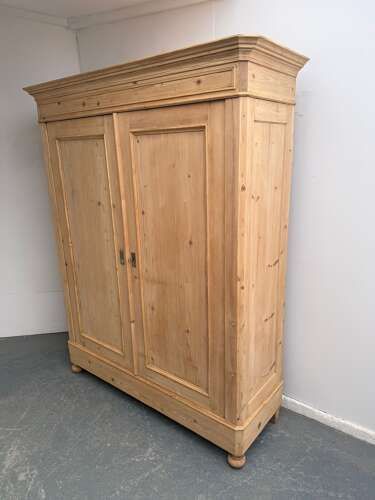
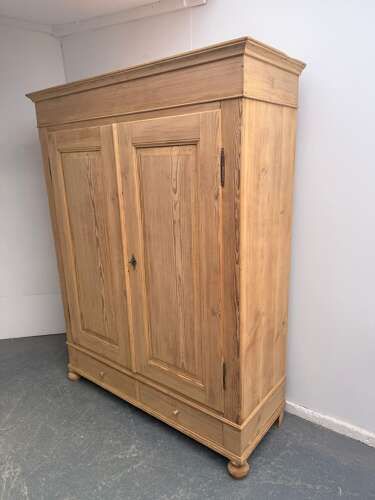
Many larger wardrobes and bookcases utilised knockdown designs with pegged frames so they could be dismantled and moved between rooms or properties.
Antique Pine Shelves Retail Price Guide 2026
Typical asking prices for pine shelves among the pieces listed under this phrase on Sellingantiques today, from the lower quarter to the upper quarter. They describe what is for sale here now, not the wider market.
Listings feature pine, painted wood, oak, and iron materials across Georgian, Victorian, and twentieth-century periods.
What varies in quality
Quality rests upon the integrity of the original timber and the retention of honest surface finishes. Pieces retaining their early or original paint layers command distinct attention compared to those stripped bare in later decades.
Proportion and scale dictate the success of a shelf unit, separating utilitarian workshop items from refined domestic pieces designed for polite parlours. Well-balanced cornices, sturdy plinths, and functioning adjustable shelving mechanisms elevate simpler forms.
The Antique Pine Shelves Glossary
- Potboard
- A lower shelf in a dresser base historically used for storing heavy pots and pans. It sits just above the floor between the legs.
- Deal wood
- A historical term for softwood timber, typically fir or pine, imported from the Baltic and widely used in British cabinetmaking. It forms the core material for much vernacular furniture.
- Pigeon holes
- Small, compartmentalized open shelving units designed for sorting letters, documents, or small items. They appear in commercial post offices, offices, and domestic studies.
- Plate rack
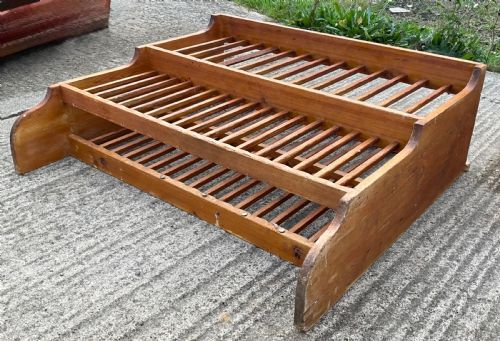
- A wall-hanging or standing rack featuring vertical slats or grooves designed to display plates upright. They are a staple of traditional kitchen and pantry furnishings.
- Knockdown
- Furniture constructed to be easily dismantled into flat sections using wooden pegs or wedges rather than permanent glue. This method facilitated transport in large houses and rural deliveries.
Antique Pine Shelves: Frequently Asked Questions
How do I date antique pine shelves?
Dating relies upon examining construction marks, backboards, and fastener types, alongside historical stylistic cues. Hand-sawn boards and square-headed iron nails usually point to earlier periods.
Secondary clues include the type of timber used and how the surfaces have aged under successive layers of wax or paint. Comparing cornices and proportions to dated examples in the archive helps narrow down the decade.
Can adjustable pine shelves support heavy books?
Most antique pine bookcases with adjustable wooden brackets or ratchet systems handle standard volumes comfortably. However, heavy folios may require careful placement on fixed lower shelves.
Checking the stability of the upright grooves and support pins ensures the pine does not bow under sustained weight over time.
Should I strip painted pine shelves to bare wood?
Preserving original or early paint finishes is generally recommended because they provide historical character and protection. Stripping removes the patina accumulated over generations of domestic use.
If a piece has modern, unsympathetic paint, stripping back to the raw pine and applying a traditional wax finish offers a classic alternative.
Where do pine wall shelves work best at home?
Wall-mounted racks and small cupboards suit kitchens for displaying ceramics, or studies for holding books and papers. Their modest depth keeps walkways clear in narrow hallways.
Matching the scale of the shelf to available wall space prevents the piece from dominating a smaller room.