




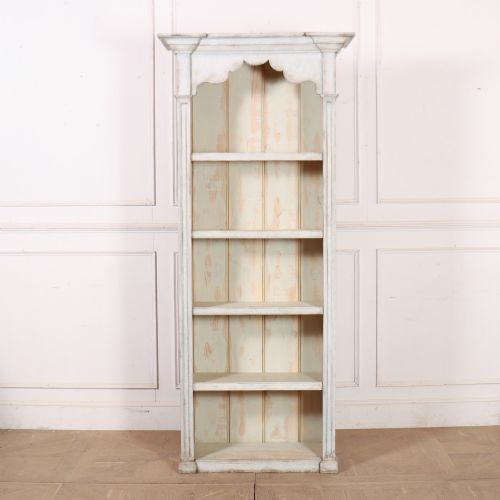
Antique Pine Shelf
An antique pine shelf brings warmth and utility to a room, offering practical storage with the honest character of earlier centuries.
Antique Pine Shelf
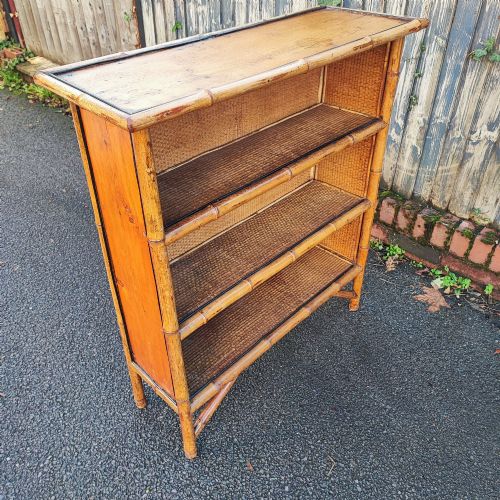
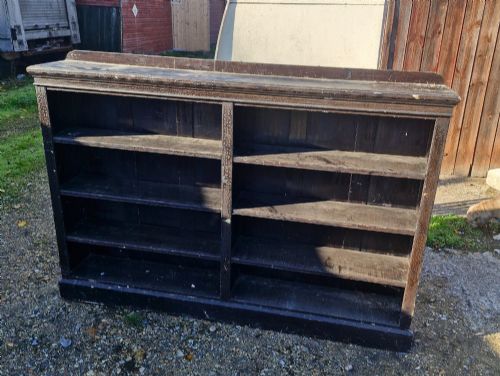
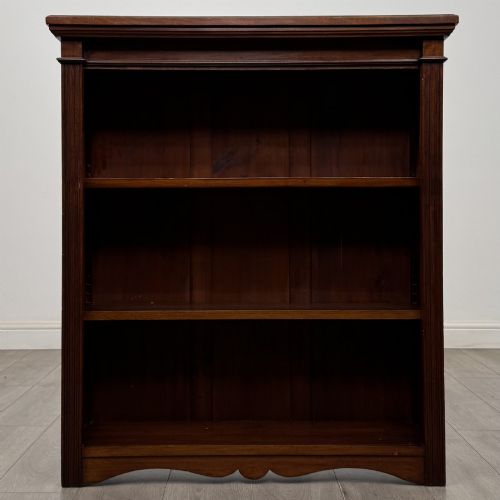
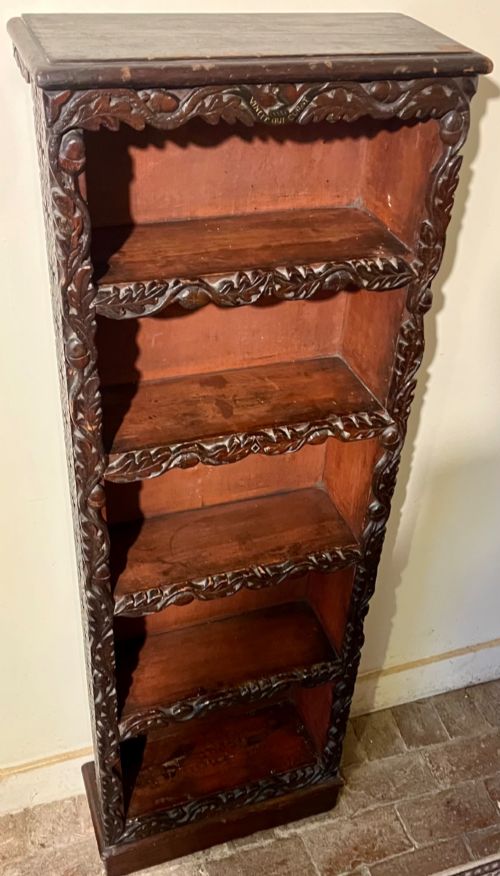
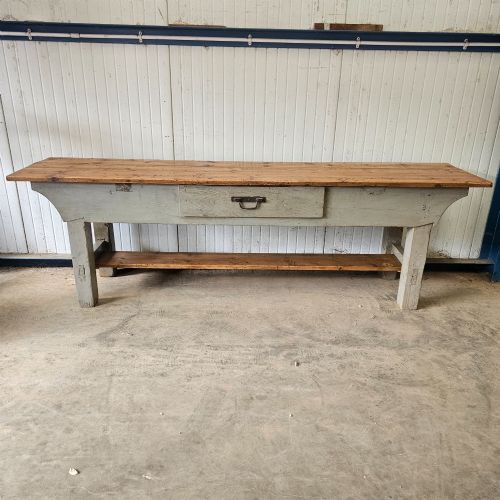
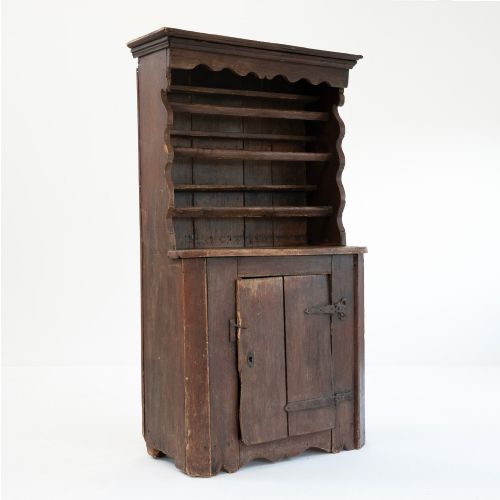
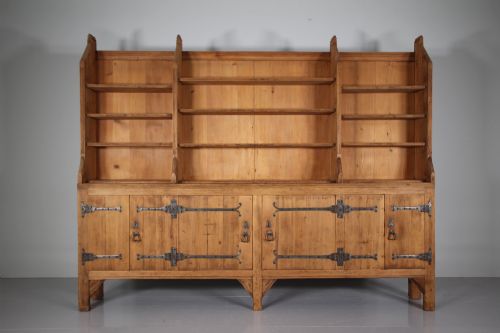
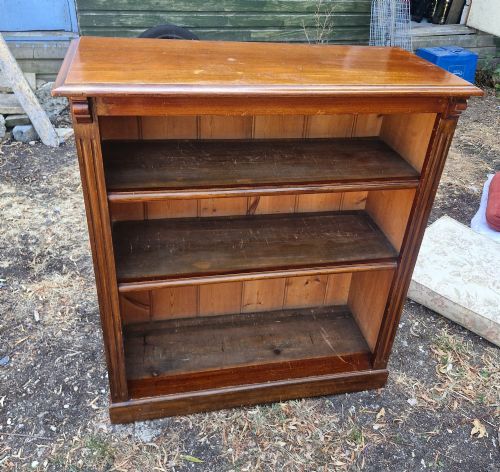
When searching for an antique pine shelf, buyers encounter a diverse range of functional storage forms that span several centuries. The selection includes wall shelves, open bookcases, corner cabinets, and dresser bases featuring lower pot shelves.
Nineteenth-century and Victorian pieces dominate the listings, alongside examples from the eighteenth century, the Edwardian era, and the early twentieth century. English, Scottish, Irish, French, and Hungarian origins appear throughout the inventory, reflecting broad regional traditions of domestic utility.
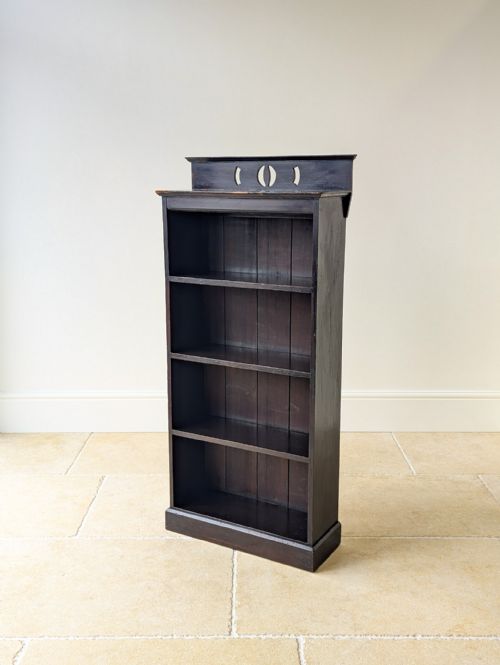
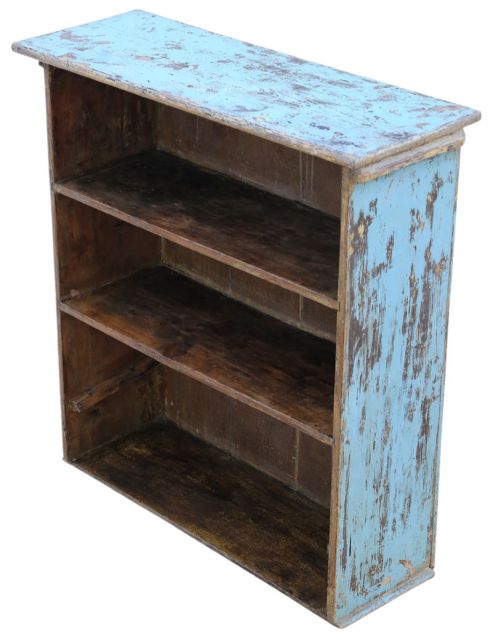
Simpler rustic country forms sit alongside more formal adaptations, such as Godwinesque bookcases and architectural corner cupboards with columns. Buyers frequently find both waxed natural timber finishes and original painted surfaces, including historic blue pigments.
Materials and construction
Constructed primarily from solid pine and deal wood, these shelves often incorporate supporting elements of oak, iron, and brass. Joinery methods reflect traditional cabinetmaking and regional joinery, utilising exposed boards and sturdy fixings suited to heavy domestic use.
Surface treatments vary significantly between items, ranging from plain waxed finishes that highlight the grain to layered historical paint. Certain pieces incorporate functional mechanisms such as adjustable shelving brackets and pigeon hole compartments.
Antique Pine Shelf Retail Price Guide 2026
Typical asking prices for pine shelf among the pieces listed under this phrase on Sellingantiques today, from the lower quarter to the upper quarter. They describe what is for sale here now, not the wider market.
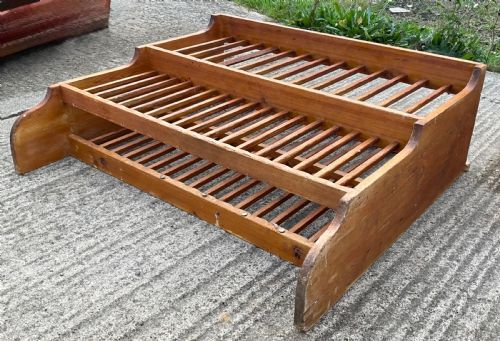
Scottish shoe racks prove that even muddy footwear once deserved a dedicated piece of handcrafted furniture.
Assessing the pieces
Quality in these items rests on the integrity of the original timber and the retention of honest patination over time. Pieces that preserve their authentic surface finish, whether aged wax or original paint, hold greater visual and historical coherence.
Proportion and structural soundness distinguish the finer examples from standard utility pieces. Well-balanced forms with careful detailing, such as architectural cornices or original brass fittings, demonstrate superior craftsmanship.
The Antique Pine Shelf Glossary
- Potboard
- A lower open shelf on a dresser base designed for storing pots and heavy kitchenware. This lower tier grounds the piece structurally.
- Delft rack
- A wall-mounted shelving unit specifically designed for displaying plates and ceramic dishes. These racks often feature retaining grooves along the shelves.
- Pigeon holes
- A grid of small rectangular compartments used for sorting documents and letters. They frequently appear in utilitarian office and filing furniture.
- Godwinesque
- A style associated with the nineteenth-century designer E.W. Godwin, characterised by simplified Anglo-Japanese lines. These pieces often feature ebonised or painted finishes.
Antique Pine Shelf: Frequently Asked Questions
How do I date an antique pine shelf?
Dating relies on construction methods, timber characteristics, and style markers present in the piece. Eighteenth-century examples often display hand-sawn boards and pegged joinery, whereas nineteenth-century pieces may show early machine-sawn timber.
Hardware, such as brass hooks or iron hinges, also provides clues to the period. Paint analysis can further confirm whether a surface coating is contemporary with the wood.
Are these shelves suitable for heavy books?
Many period bookcases and wall shelves were built to carry substantial loads of books or heavy kitchen ceramics. Solid pine and deal construction offers strong weight-bearing capacity when the joints remain sound.
Adjustable shelving systems found in Victorian bookcases allow buyers to accommodate volumes of varying heights. Checking the thickness of the shelf boards helps determine load suitability.
Should I choose waxed or painted pine?
The choice between a waxed timber finish and painted pine depends entirely on the desired interior aesthetic. Waxed pieces emphasise the natural grain, knots, and warm patina accumulated over generations.
Painted examples, including those with blue or distressed finishes, introduce distinct colour and regional charm. Original paint remnants offer higher collector interest than modern decorative repainting.
Where were these pieces used originally?
These items served utilitarian roles in farmhouses, sculleries, kitchens, and administrative spaces across Britain and Europe. Dresser bases and potboards functioned in domestic food preparation areas.
Specialised items like post office filing shelves and bakers racks fulfilled commercial needs in workplace environments. Today, these functional roots allow them to integrate easily into modern living spaces.