





Antique Pilaster Carving
An antique pilaster carving brings architectural authority to a room, offering vertical emphasis and classical proportion through centuries of timber and stone.
Antique Pilaster Carving
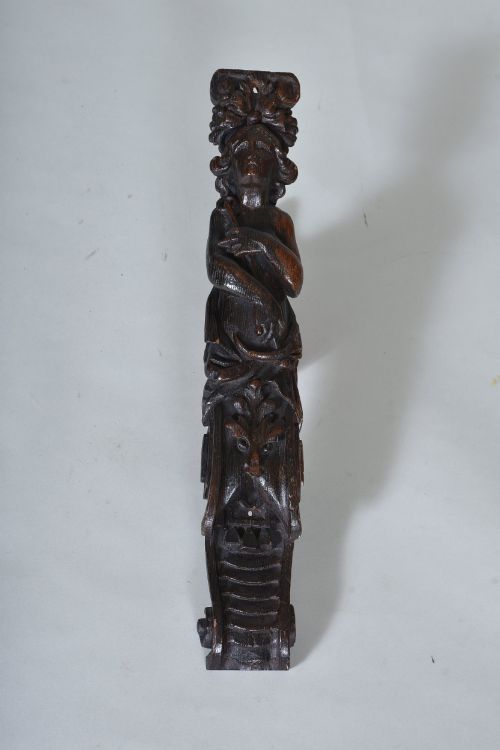
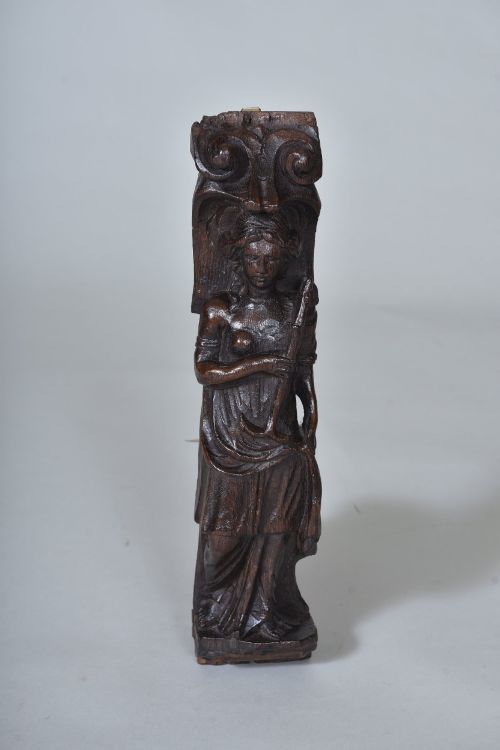
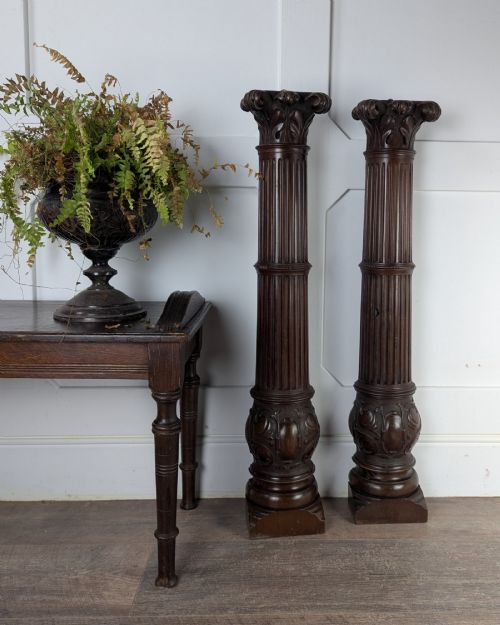
When you search for an antique pilaster carving, you are looking at architectural elements salvaged or adapted from historic interiors, including half columns, caryatids, and terms. The examples you are most likely to meet on this page include 17th century oak carvings, 19th century mahogany and walnut columns, and decorative figures originating from Victorian, Regency, and earlier architectural settings.
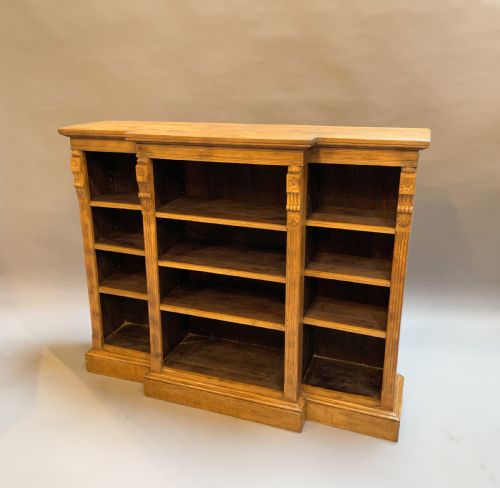
These pieces function both as structural salvage and standalone decorative carvings, taking the form of capitals, half columns, and figural terms that once framed doorways, bookcases, or mantelpieces. The selection spans centuries of craftsmanship, connecting seventeenth century joinery with nineteenth century revival styles.
The objects listed demonstrate how architectural details transition from fixed building fabric to movable interior ornaments. Buyers encounter everything from simple wooden shafts to complex carved figures depicting classical motifs.
How they were made
Makers shaped these architectural elements primarily from dense hardwoods like oak, walnut, mahogany, and rosewood, alongside softer timbers and occasional sandstone. Carvers utilised hand chisels and gouges to cut deep relief patterns directly into the grain.
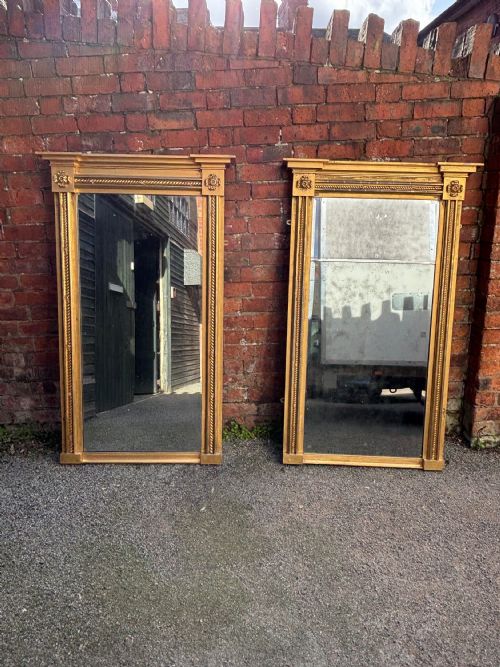
Giltwood and gesso finishes appear on neoclassical and Victorian mirrors and architectural ornaments, where layers of plaster were applied over wood and meticulously gilded. Patination developed through decades of handling, wax application, and environmental exposure.
A stoic caryatid with folded arms preserves the exact expression carved for a Flemish interior centuries ago.
What varies in quality
The distinction between ordinary architectural salvage and exceptional carving lies in the crispness of the chisel work and the depth of the relief. Master carvers achieved anatomical precision in figures and botanical clarity in acanthus leaves, whereas lesser pieces rely on shallow, mechanical cuts.
The integrity of the timber and the retention of original surface patination dictate the desirability of each piece. Surviving gilding, untouched historic polish, and the absence of crude modern reconstruction separate museum-grade items from utilitarian fragments.
The Antique Pilaster Carving Glossary
- Pilaster
- A rectangular architectural element that projects slightly from a wall, mimicking a classical column with a base, shaft, and capital.
- Caryatid
- A sculpted female figure serving as an architectural support in place of a column or pilaster.
- Term
- A pedestal tapering toward the base, typically surmounted by a carved human bust or upper torso.
- Capital
- The topmost member of a column or pilaster, often decorated with carved foliage or scrolls.
- Gesso
- A plaster mixture applied to wood surfaces as a smooth base for gilding or painting.
- Reeded
- Decorated with parallel convex mouldings resembling bundled reeds.
Antique Pilaster Carving: Frequently Asked Questions
How were antique pilasters used?
Historic interiors utilised pilasters to frame doorways, fireplaces, and large library bookcases, adding formal architectural structure to rooms. They served both structural support roles and purely decorative framing functions.
Today, collectors mount them on walls or display them on stands as sculptural art objects that anchor modern interior schemes.
What woods appear in these carvings?
The listings show a predominance of oak, walnut, mahogany, and rosewood, reflecting the favored timbers of British and continental cabinetmakers. Softer woods and sandstone also appear among architectural salvage items.
Each timber species dictates the weight, grain pattern, and historic finishing technique of the individual carving.
How do I date an antique carving?
Dating relies on identifying tool marks, wood species, and stylistic traits associated with specific periods such as the seventeenth century or the Victorian era. Neoclassical and Jacobean revival motifs offer clear clues to the manufacturing decade.
Comparing the depth of relief and construction methods with dated examples in the archive helps confirm the era of origin.
Can these carvings be wall mounted?
Most architectural pilasters and figural terms adapt well to wall display when fitted with appropriate concealed brackets by a professional restorer. Their flat backs typically facilitate secure flush mounting against interior walls.
Consider the weight of dense hardwoods like oak or walnut before selecting wall fixings.