
Antique Picture on Paper
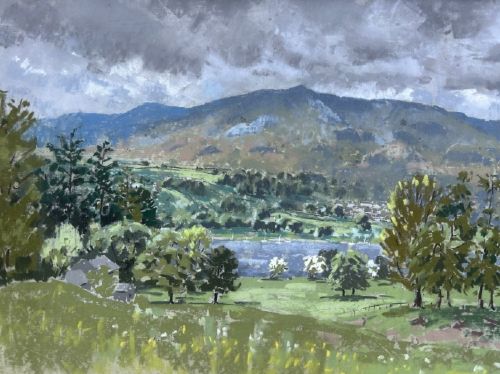
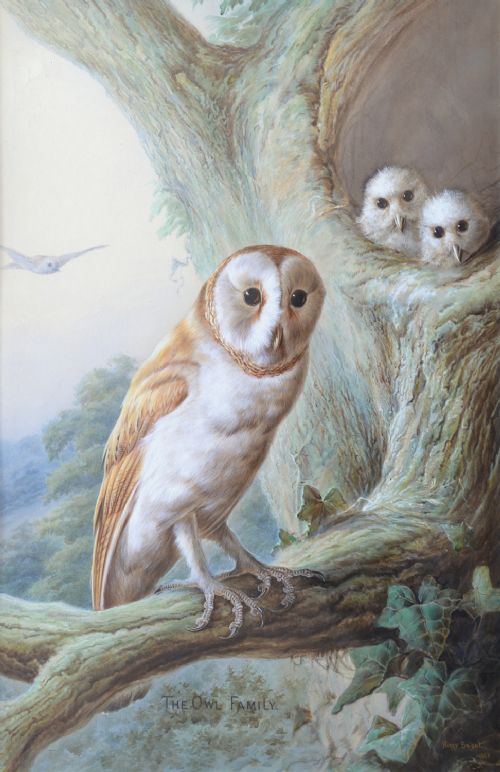
An antique picture on paper brings the direct hand of past centuries into a room through delicate washes, crisp lines and fragile sheets.
Antique Picture on Paper
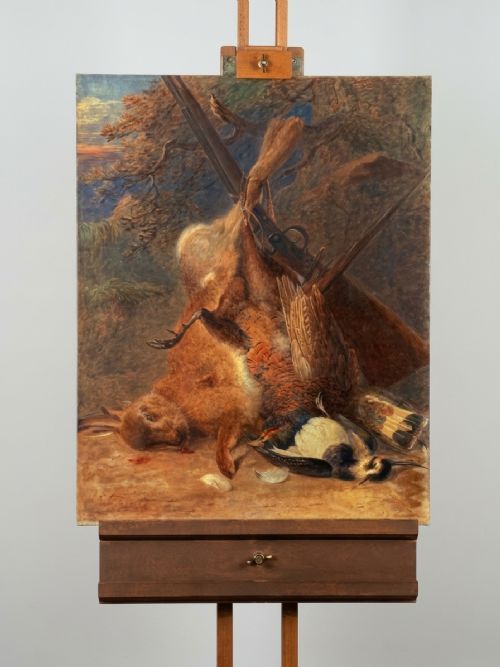
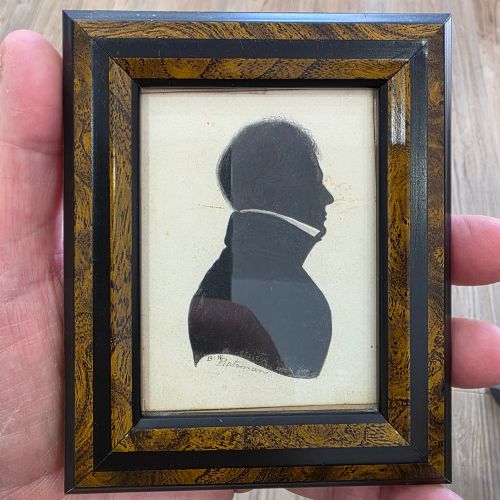
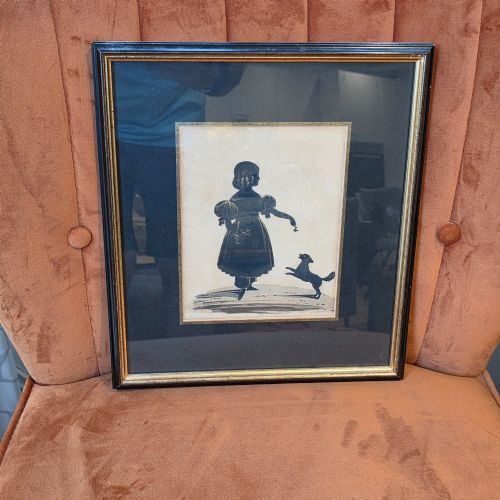
An antique picture on paper encompasses a diverse range of works, from finely rendered landscape paintings and detailed maritime scenes to intimate portrait silhouettes. These pieces span several centuries, capturing the changing artistic tastes of the Georgian, Victorian and Edwardian eras.
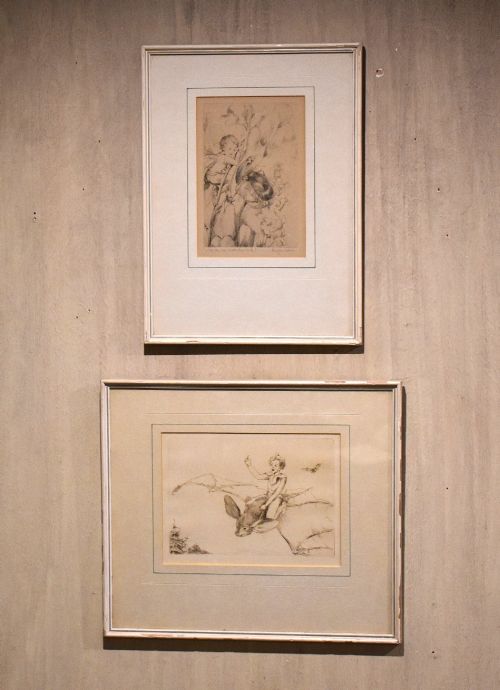
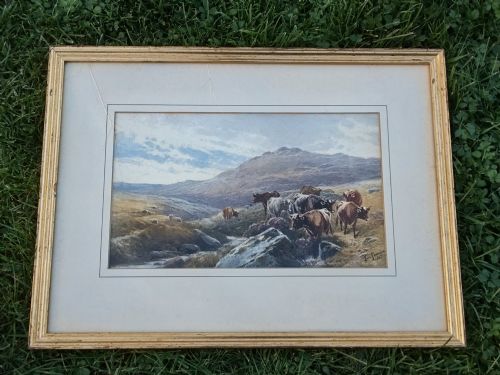
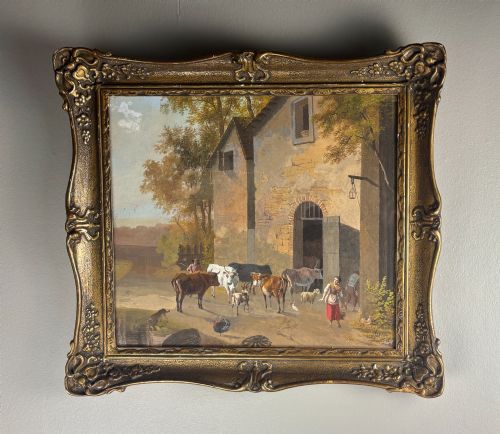
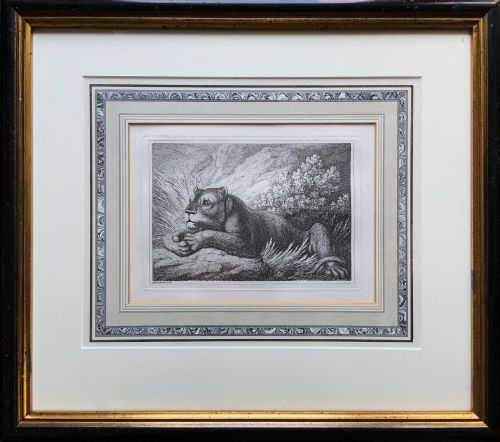
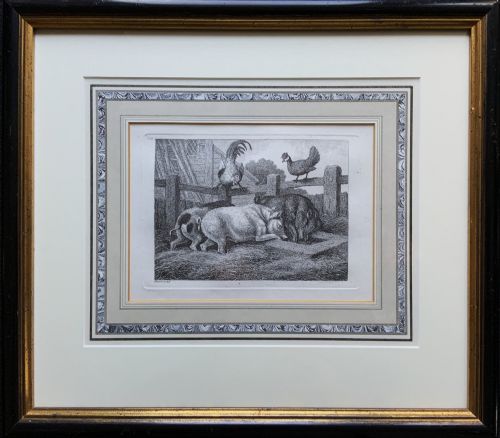
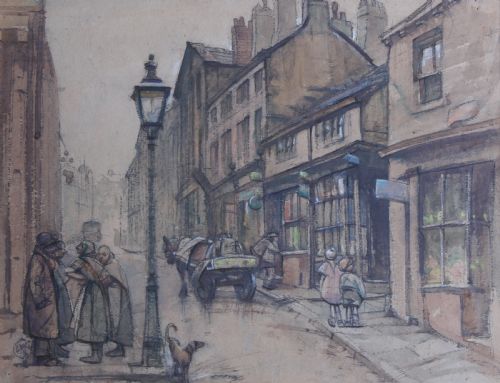
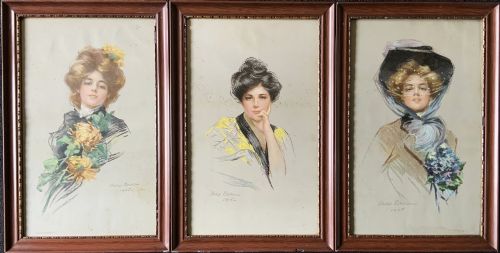
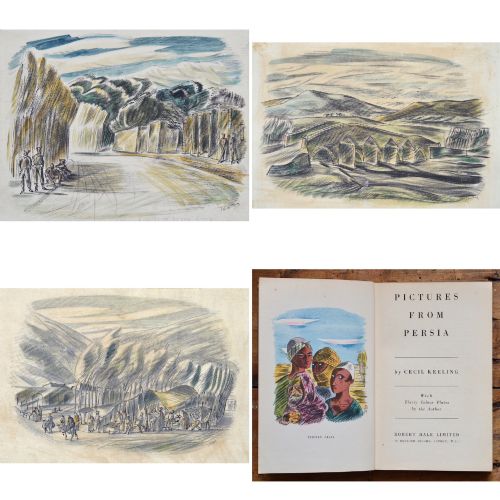
The most common forms found in this selection are watercolours, etchings, lithographs and pen and wash drawings, often preserved behind glass in period wood frames. Buyers frequently encounter framed prints and original sketches that document everything from domestic caricatures to grand architectural views.
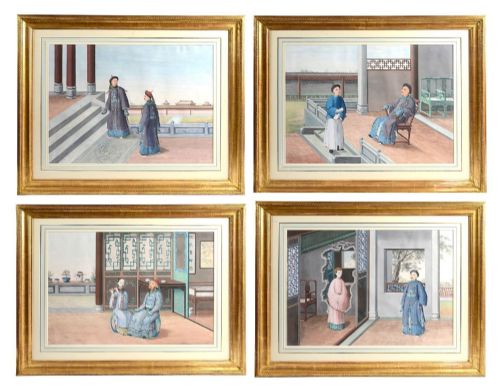
Origins vary widely across these works, ranging from British provincial scenes by named artists to Chinese export gouache paintings and French historical engravings. Each piece reflects the specific recording medium of its time, offering a direct window into historical visual culture.
How They Were Made
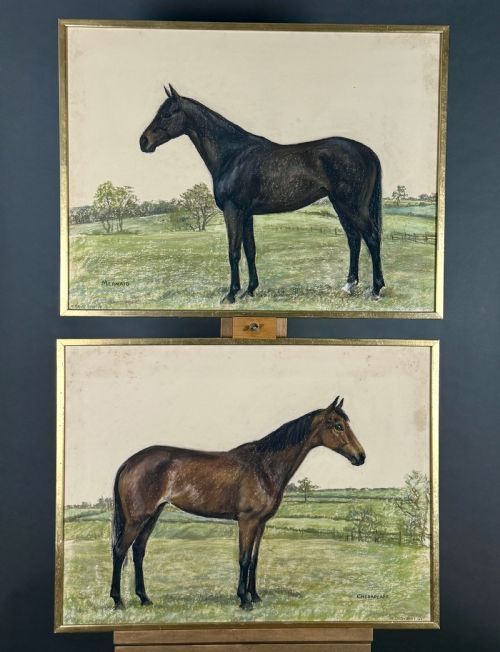
The foundation of these works relies upon varied paper stocks combined with fluid drawing media such as watercolour pigment, ink, pastel and bodycolour. Artists built up their compositions through layered washes or precise cut-paper silhouettes, sometimes enhanced with delicate gold leaf details.
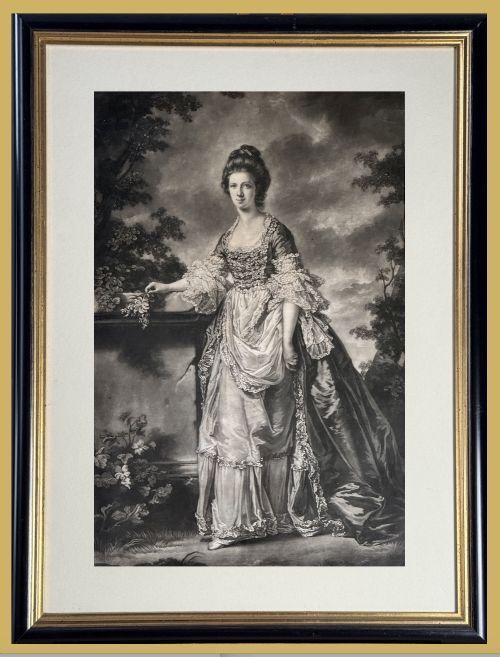
Printmakers utilised techniques like etching, engraving, mezzotint and lithography to transfer inked designs from metal plates or stones onto the sheet. These printed sheets were frequently hand-coloured afterwards to add vibrancy and depth to the final published image.
Framing played a vital role in the construction, mounting works behind glass within wooden surrounds, such as original Hogarth frames, to protect the fragile paper surface from atmospheric moisture and handling.
Listings span the eighteenth, nineteenth and twentieth centuries, featuring watercolours, etchings, lithographs and silhouettes in wood and glass frames.
What Varies in Quality
Quality rests significantly upon the sureness of the draftsmanship and the artist's ability to capture light and movement within the medium. A confident hand in a watercolour wash or an etching displays a vitality that separates masterly execution from routine illustration.
Condition and preservation dictate much of the standing of an individual work, particularly regarding the stability of the paper and the retention of original pigment tones. Works that have avoided excessive fading or heavy foxing retain their intended visual impact much more successfully.
The integration of the piece with its original housing, such as period frames and early glass, enhances the integrity of the object. A harmonious pairing of image and historical mount demonstrates greater overall survival and authenticity.
William James Hubard·George Sydney Shepherd·George Lorain Stampa·William Henry Earp·Herbert Dicksee·Alfred Young Nutt·Percy Lancaster·Sir William Nicholson·A Marie Parsons·William Joseph Boyes·Frank Watson Wood·William Marshall Craig·Augustin Edouart·Richard Henry Wright·John Smith·Sir Godfrey Kneller·David Roberts·Joseph H Barnes·Thomas Maidment·Étienne Baudet
The Antique Picture on Paper Glossary
- Watercolour
- A painting method where fine pigment is suspended in a water-based solution and applied to paper. This technique allows for transparent washes of colour that catch the light through the white of the sheet.
- Etching
- A printmaking process where acid bites lines into a metal plate that has been covered with an acid-resistant ground. The resulting inked plate produces fine, highly detailed impressions on paper.
- Lithography
- A planographic printing technique based on the chemical repulsion of oil and water. Artists draw directly onto a limestone slab or metal plate to create multiple flat-surface prints.
- Silhouette
- A solid, dark profile portrait cut from black paper or painted onto a light background. These portable likenesses became immensely popular during the eighteenth and nineteenth centuries.
- Mezzotint
- A tonal printmaking method where the copper plate is roughened uniformly to produce rich dark areas. Scrapers and burnishers are then used to create subtle gradations of light and shade.
Antique Picture on Paper: Frequently Asked Questions
How should I hang antique paper art?
Display these delicate works away from direct sunlight to prevent the watercolour pigments and paper fibres from fading over time. Maintaining a stable indoor environment avoids moisture damage to the fragile sheets.
Secure the framed pieces using sturdy picture hooks suited to the weight of the wood and glass. Ensure the backing remains sealed to protect the paper from dust and insects.
What is a silhouette portrait?
A silhouette is a profile likeness cut from black paper or painted onto a contrasting background, often enhanced with gold leaf details. These portraits served as an affordable and accurate form of personal record before photography became widespread.
Artists sometimes mounted them within small, protective cases or hanging frames for domestic display. They remain prized for their crisp outlines and direct historical connection to sitters.
How do I identify a Victorian watercolour?
Victorian watercolours often feature detailed landscape scenes, maritime views or narrative subjects executed with transparent pigments on heavy rag paper. Signatures and dates in the corner can help pinpoint the exact year of creation.
Stylistically, these pieces reflect the period's fascination with naturalism, topographical accuracy and picturesque scenery. Examining the framing style and paper watermark offers further clues to the era.
What is the difference between an etching and an engraving?
An etching relies on acid to bite lines into a metal plate, resulting in free, fluid strokes that mimic hand-drawn lines. Engraving uses a sharp steel tool called a burin to cut directly into the metal, creating cleaner, crisper geometric lines.
Both techniques produced durable prints on paper that circulated widely as book illustrations or standalone wall art. Close inspection under magnification reveals the characteristic ridges of ink left by each method.