





Antique Pheasant Sculpture
An antique pheasant sculpture brings the watchful stillness of the field indoors, cast in bronze or carved from deep walnut with a practiced hand.
Antique Pheasant Sculpture
An antique pheasant sculpture captures the distinctive silhouette and plumage of game birds through various artistic movements, ranging from realistic Victorian naturalism to stylised Art Deco forms. These pieces serve primarily as decorative figures, table ornaments, or wall plaques intended to bring rural subjects into domestic interiors.
The selections encountered here span several distinct periods, most notably the nineteenth century and the early decades of the twentieth century. Examples take the form of freestanding bronze figures, carved wooden wall trophies from the Black Forest region, and delicate porcelain or silver representations.
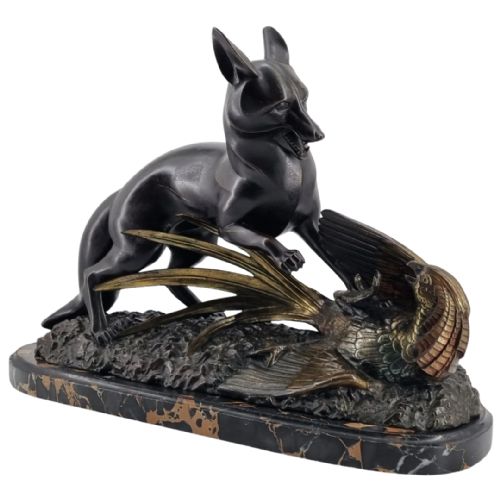
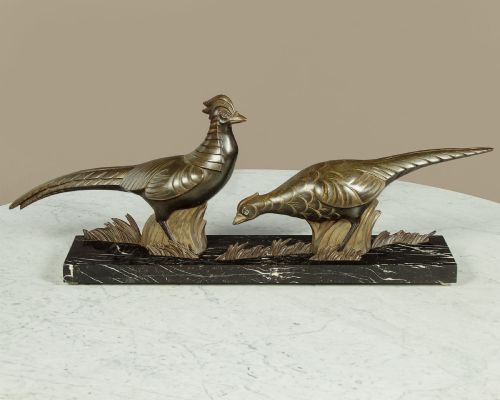
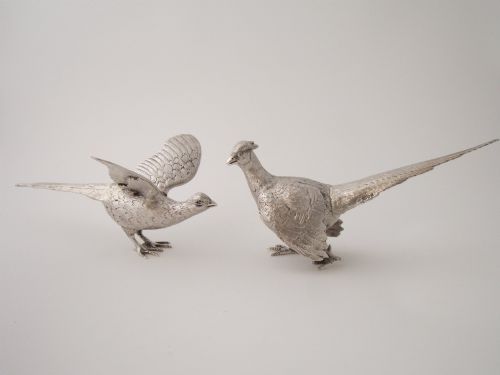
Originating across European workshops, these sculptures reflect both French Animalier traditions and British sporting tastes. The variety encompasses single standing birds, paired game, and more dramatic scenes involving gundogs or predatory animals.
Materials and construction methods
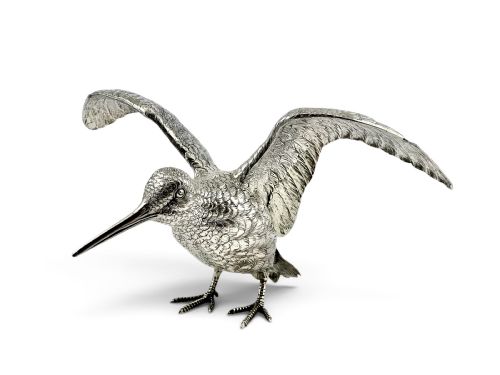
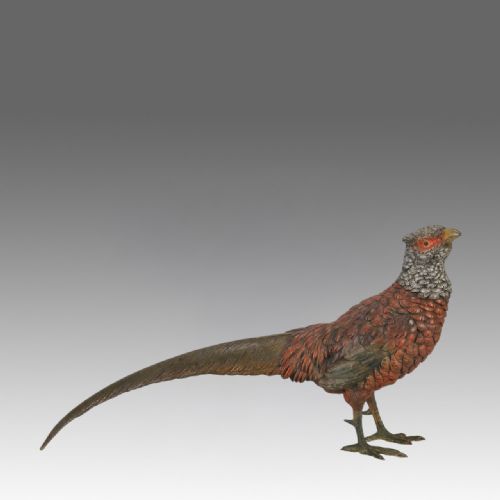
Makers utilised traditional foundry and carving techniques, casting metals such as bronze and sterling silver or carving directly from solid walnut and other dense woods. Bronze and patinated metal figures frequently received cold-painted finishes to render the iridescent plumage of the birds with lifelike colour.
Marble and onyx bases frequently accompany metal sculptures, providing a stable plinth that contrasts with the textured surfaces of the birds. Carved wooden wall plaques employ high-relief techniques, depicting game birds alongside foliage and hunting motifs.
Antique Pheasant Sculpture Retail Price Guide 2026
Typical asking prices for pheasant sculpture among the pieces listed under this phrase on Sellingantiques today, from the lower quarter to the upper quarter. They describe what is for sale here now, not the wider market.
Some wooden wall plaques are so densely carved with fruit and foliage that the pheasant practically hides in its own larder.
Markers of fine execution
The standard of a sculpture rests upon the anatomical precision of the bird and the crispness of the chasing or carving. Master casters and carvers captured tension in the musculature and distinct feather texturing, whereas lesser examples rely on generic shaping and soft surface detail.
The application of cold paint and patination significantly influences the visual success of metal pieces, requiring subtle blending to mimic natural plumage. Similarly, the integration of supportive elements like marble bases or wooden mounting plaques demonstrates the original ambition of the workshop.
Lavroff·Franz Bergman·Delabrierre·P J Mêne·Paul Joris·jules moigniez
The Antique Pheasant Sculpture Glossary
- Animalier
- A term describing nineteenth-century sculptors who specialised in realistic depictions of animals. These artists studied anatomy closely, often portraying wildlife in natural poses or active pursuits.
- Cold painted
- A technique where bronze or metal figures receive paint applications without subsequent kiln firing. This method allowed for intricate multicoloured detailing on bird sculptures, though the pigment remains delicate.
- Black Forest carving
- Woodwork originating from the mountainous region of central Europe, characterised by deeply carved linden or walnut plaques and figures. These pieces frequently incorporate hunting trophies, game birds, and foliage.
- Patinated metal
- Metal surfaces treated with chemical solutions to produce a controlled aged finish or colouration. This process protects the underlying material while enhancing visual depth.
Antique Pheasant Sculpture: Frequently Asked Questions
What materials were commonly used for these sculptures?
Sculptors worked primarily in bronze, sterling silver, and patinated metals, often pairing them with marble or onyx bases. Wood, particularly walnut, and porcelain also appear frequently.
Craftsmen applied cold-painted colours to metals or utilised high-relief carving for wooden wall plaques to capture realistic textures.
How do I identify a nineteenth-century piece?
Nineteenth-century examples often align with the French Animalier school or Victorian naturalism, showing careful anatomical study and heavier metal casting. Foundry marks and artist signatures frequently appear on the base or plinth.
Stylistic cues such as realistic feather rendering and traditional hunting motifs generally separate these earlier works from later modernist interpretations.
Where were these sculptures displayed originally?
Owners placed these figures as table ornaments in libraries, studies, and dining rooms to reflect rural sporting interests. Wall plaques were mounted in halls and shooting lodges.
They functioned as decorative statements celebrating country pursuits and natural history.
How do Art Deco pieces differ from Victorian ones?
Art Deco versions, emerging around the 1920s and 1930s, favour streamlined geometries and stylised forms over strict anatomical realism. They often feature simplified planes and modern material pairings.
Victorian and earlier nineteenth-century works focus on detailed textures, lifelike poses, and traditional casting techniques.