



Antique Pheasant Art
Antique pheasant art captures the spirit of field sports and wild birds through enduring bronze, carved wood and painted canvas.
Antique Pheasant Art
When you search for antique pheasant art, you are looking at a diverse group of works that celebrate game birds through various decorative and fine art mediums. These pieces span the nineteenth and early twentieth centuries, reflecting changing tastes from Victorian naturalism to Art Deco design.
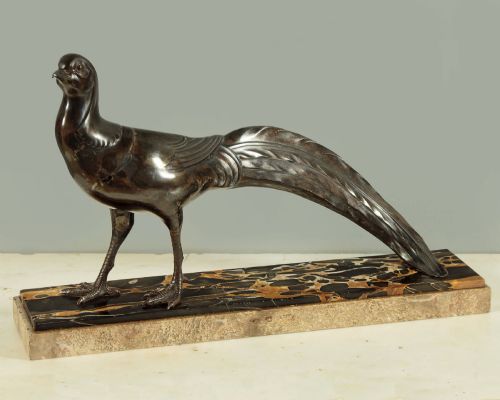
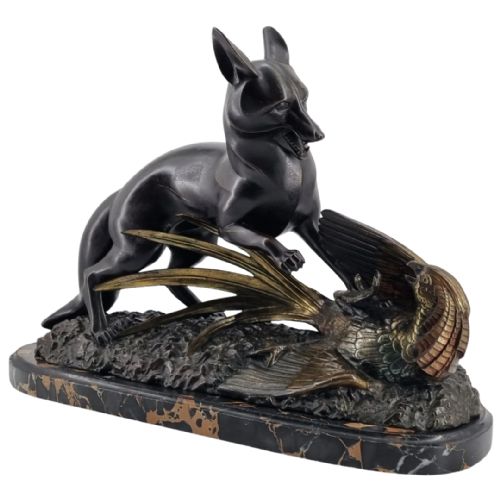
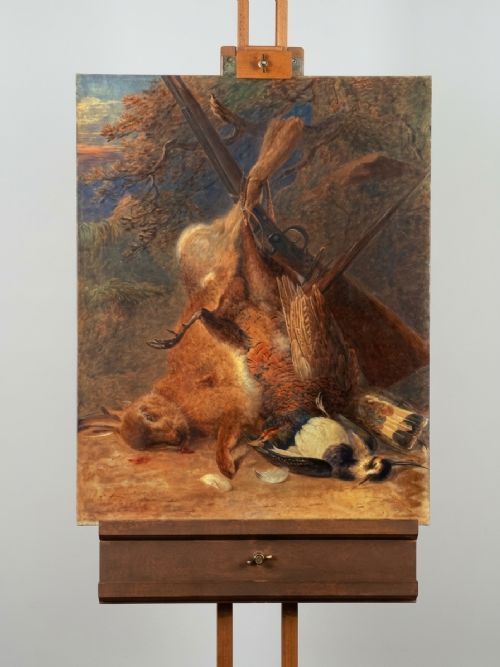
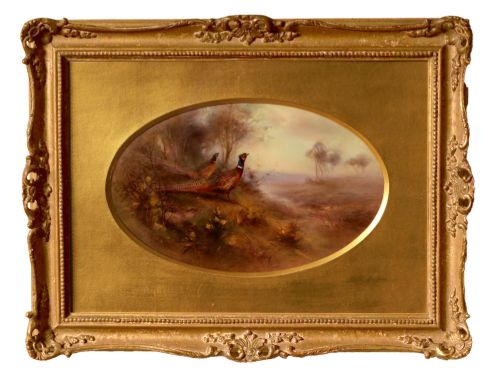
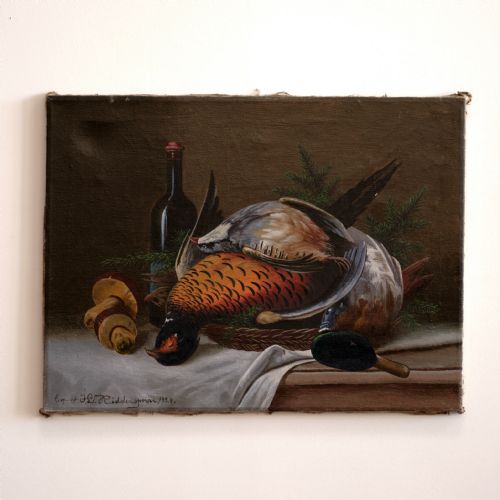
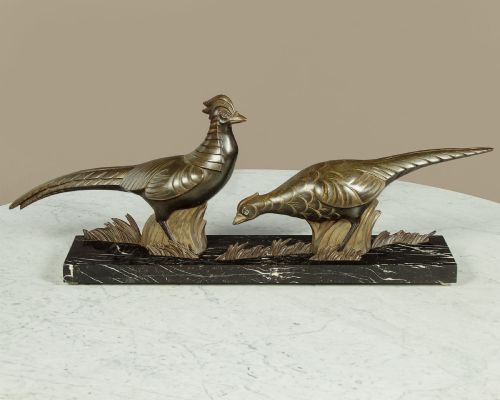
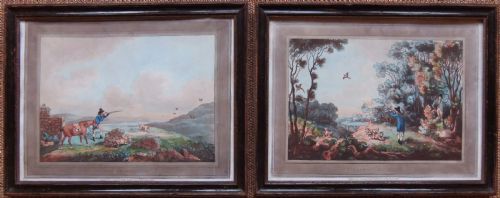
The versions you are most likely to meet on this page include framed prints, oil paintings on canvas, and detailed bronze sculptures. Artisans and painters from different periods captured the pheasant either as part of a still life or within natural woodland settings.
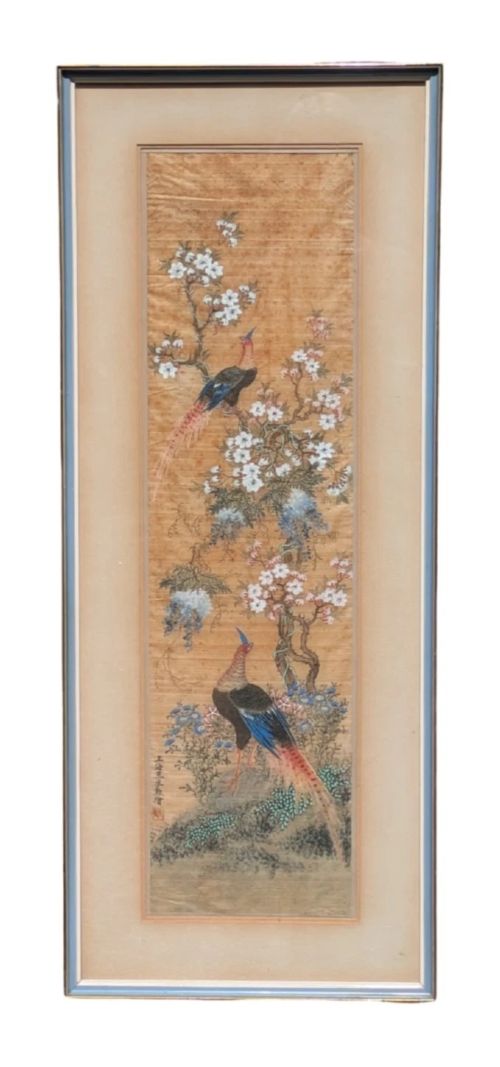
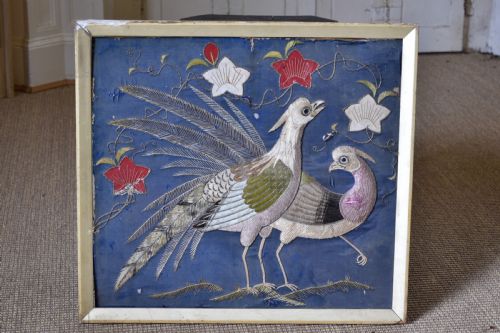
Origins range widely, taking in British sporting traditions, European workshops, and Asian decorative arts such as Japanese Meiji cloisonné and Chinese silk painting. Each object brings a distinct regional technique to the depiction of plumage and form.
Materials and construction methods
The pieces recorded here rely on a distinct range of materials, combining metals, carved woods, and delicate textiles. Bronze sculptures utilise traditional casting methods to capture feathered texture, while Black Forest pieces demonstrate intricate hand-carving in solid wood.
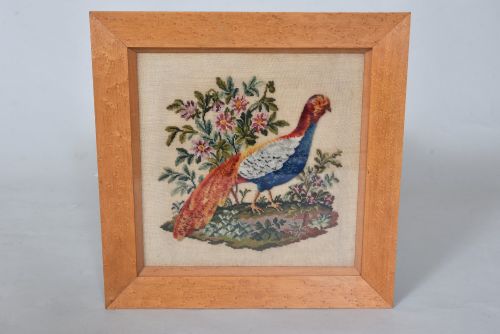
Painted works employ oil on canvas, watercolour and bodycolour on paper, or meticulous hand-painting directly onto porcelain plaques. Textile pieces incorporate embroidery and plushwork, building depth through varied thread and fabric application.
Antique Pheasant Art Retail Price Guide 2026
Typical asking prices for pheasant art among the pieces listed under this phrase on Sellingantiques today, from the lower quarter to the upper quarter. They describe what is for sale here now, not the wider market.
Even a plushwork pheasant needs a quiet wall away from ambitious house cats.
Assessing quality and execution
Quality in these works rests upon the fidelity of the bird's anatomy and the confidence of the maker's hand. Superior bronze castings and wood carvings display crisp detail in the feather patterns and a convincing sense of movement, whereas weaker examples appear stiff or generalised.
In painted and printed works, the depth of the palette and the precision of the brushwork separate standard decorative items from superior artistic output. Pieces associated with named porcelain painters or established sporting artists command greater attention through their accomplished draftsmanship.
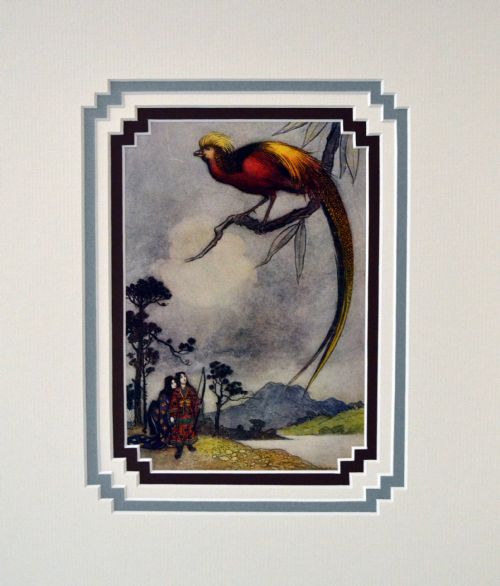
James Stinton·Archibald Thorburn·Dean Wolstenholme·Benjamin Blake·Warwick Goble
The Antique Pheasant Art Glossary
- Cloisonné
- An enamelling technique where thin metal wire creates compartments on a base, which are then filled with coloured paste and fired. This method produces intricate, jewel-like patterns seen on decorative chargers.
- Plushwork
- A textile craft technique using padded or raised threadwork to create a textured, three-dimensional surface effect. Victorian makers utilised this method for tactile depictions of birds.
- Bodycolour
- An opaque watercolour paint mixed with white pigment to create a solid, matte finish. It allows artists to achieve greater density and highlight details on paper.
- Black Forest carving
- Woodwork originating from the mountainous regions of central Europe, noted for realistic animal carvings and hunting trophies. These pieces frequently feature deep relief and naturalistic foliage.
- Lithograph
- A printmaking process based on the incompatibility of oil and water, allowing multiple impressions from a single stone or metal plate. It became widely used for producing coloured bird illustrations in the nineteenth century.
Antique Pheasant Art: Frequently Asked Questions
What periods do these pieces come from?
The listings span the nineteenth century and early decades of the twentieth century. You will encounter Victorian, Edwardian, and Art Deco examples among the works.
Production methods shifted over this time, moving from detailed naturalistic taxidermy and wood carvings toward stylised metal sculptures and modernist prints.
How were porcelain plaques decorated?
Artists painted directly onto the glazed porcelain surface using specialist ceramic colours before firing the piece in a kiln. This fixed the pigments permanently onto the plaque.
Renowned painters often signed their work on porcelain panels, recording detailed feather patterns and natural settings with fine brushes.
What is Black Forest wood carving?
Black Forest carving refers to nineteenth-century wooden decorative objects featuring realistic animals, leaves, and hunting motifs. These pieces are typically carved from solid blocks of lime or oak.
They often took the form of large wall plaques meant to display game or hunting trophies in country houses.
How do I care for antique textile art?
Textile works such as embroidery and plushwork require protection from direct sunlight to prevent the threads from fading. Keeping them behind glass in a stable environment safeguards the fabric.
Avoid hanging delicate silk or wool pieces in damp rooms, as moisture damages organic fibres over time.