




Antique Persian Woven Bag
An antique persian woven bag brings the utilitarian artistry of nomadic tribes directly into the home.
Antique Persian Woven Bag
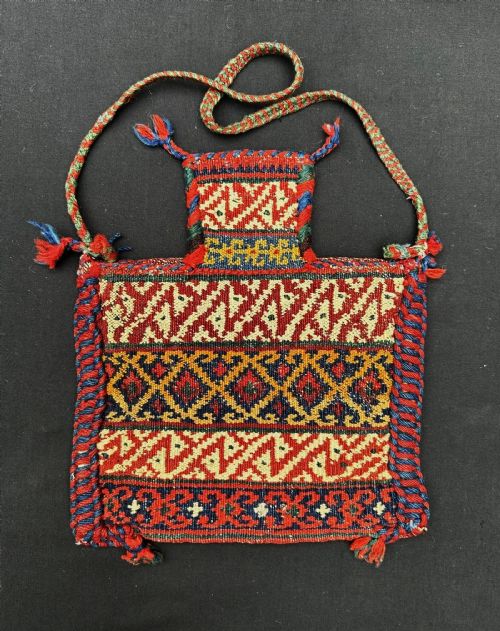
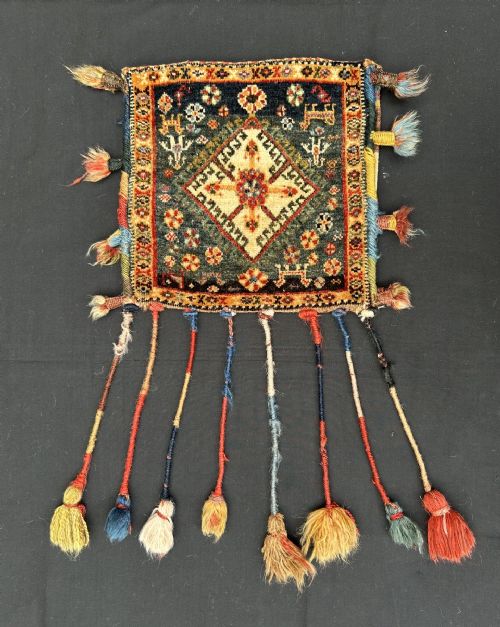
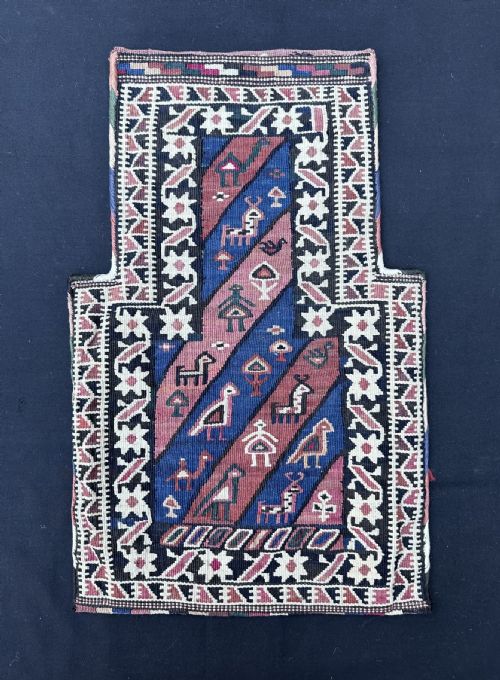
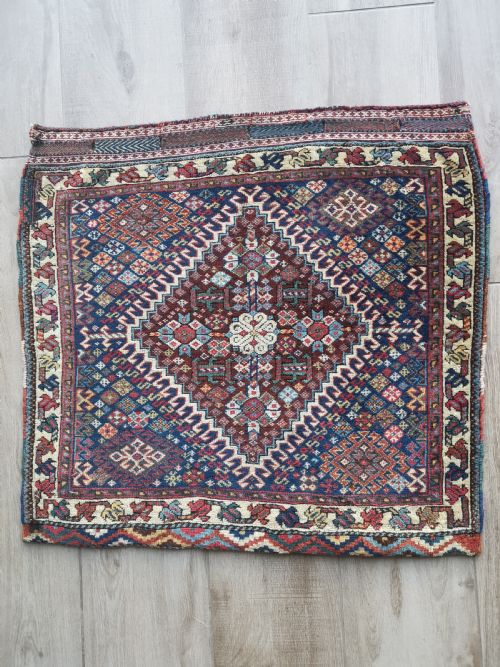
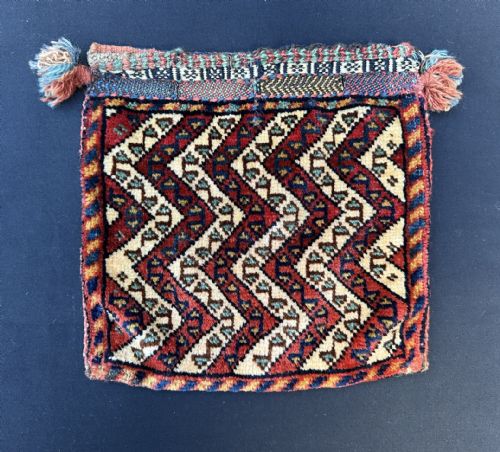
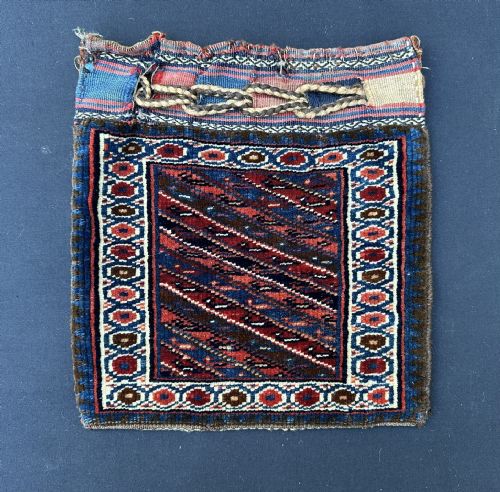
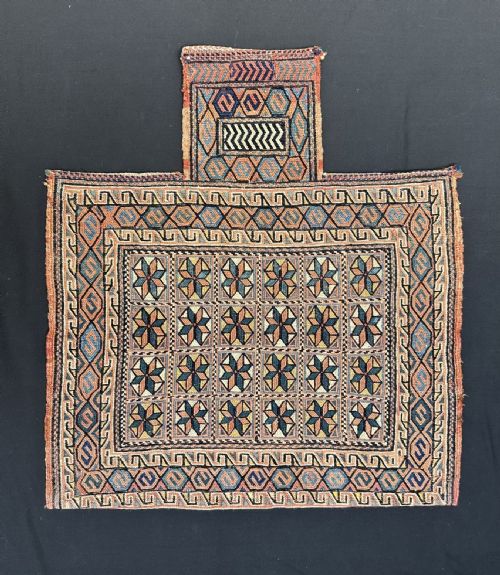
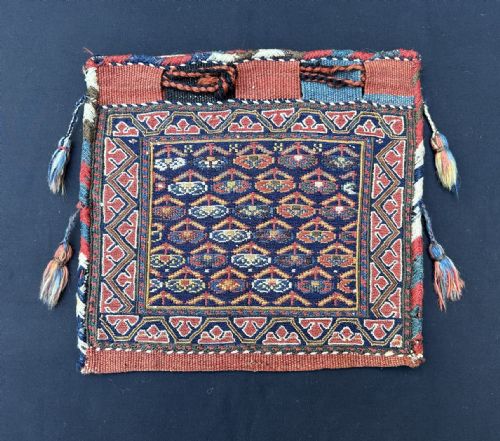
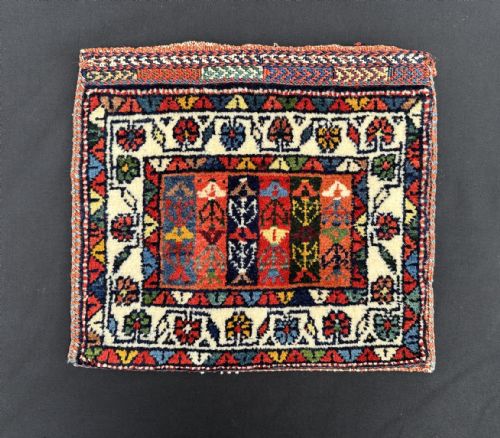
When searching for an antique persian woven bag, collectors encounter practical storage containers made by various tribal and nomadic groups across regions such as Fars, Kerman, and Khorassan. These items served specific daily functions for pastoral communities, ranging from saddle-bags and salt-bags to personal vanity pouches known as chantehs.
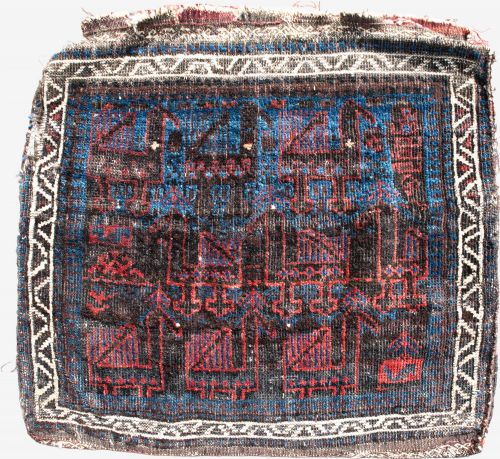
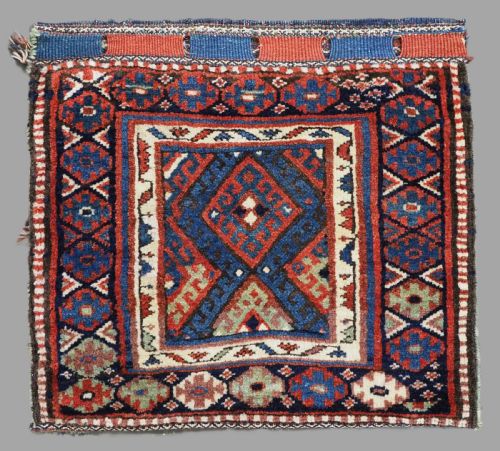
The pieces appearing on this page span the nineteenth and early twentieth centuries, reflecting the distinct cultural identities of the Qashqa'i, Afshar, Shahsavan, and Kurdish confederacies. Formats include complete double saddle-bags, single bag faces, and utilitarian pouches designed to carry personal possessions during seasonal migrations.
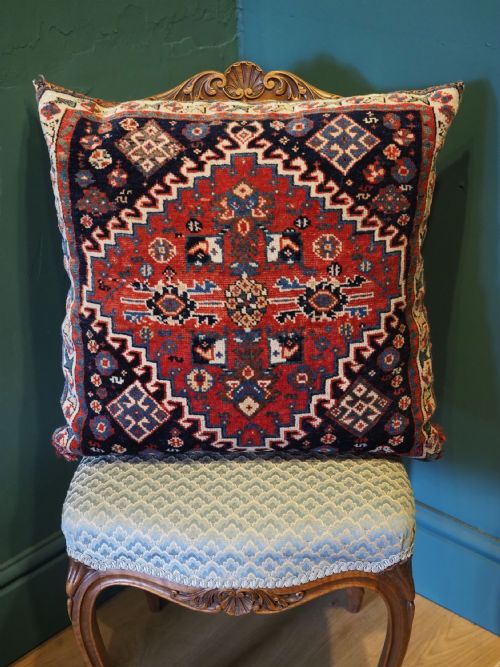
Most examples display traditional tribal motifs, geometric patterns, and central medallions woven to suit the domestic needs of nomadic life. Their survival demonstrates both the durability of their construction and the enduring appeal of regional Persian tribal textiles.
How they were made
The construction relies heavily on hand-spun wool and cotton, often reinforced with goat hair along selvedges and structural edges to withstand heavy daily use. Weavers utilised natural dyes derived from local plants and minerals, creating rich, varied colour palettes that mellow gracefully over time.
Techniques varied according to regional tradition, combining pile-knotted surfaces with flatweave structures such as Soumac work, plain weave backs, and intricate supplementary weft-float patterns. These methods allowed nomadic weavers to produce textiles that were simultaneously dense, flexible, and structurally sound.
Some personal vanity bags still retain small cowrie shells sewn in to ward off the evil eye.
What varies in quality
Quality in these textiles depends heavily on the fineness of the weave, the clarity of the design drawing, and the depth of the natural dye palette. Pieces featuring precise knotting, balanced proportions, and well-preserved structural backs command greater interest from experienced collectors.
The integrity of the materials also dictates the standard of the piece, with tightly packed hand-spun wool and minimal restoration representing superior examples of tribal craftsmanship. Variations in wool quality and dye consistency reflect the specific conditions of the local workshop or nomadic camp.
The Antique Persian Woven Bag Glossary
- Chanteh
- A small personal vanity bag or pouch woven by nomadic women for carrying personal items. These pieces often feature highly concentrated geometric designs.
- Khorjin
- The traditional double saddle-bag used on pack animals during tribal migrations. They consist of two pockets connected by a central web.
- Soumac
- A flatweave technique utilising wrapping wefts over warp threads to produce a durable, textured surface resembling embroidery. This method adds structural strength without a pile.
- Balisht
- A small pillow or cushion face created by tribal weavers, often utilising the same decorative motifs found on larger storage bags.
- Tacheh
- A specific type of large storage container or grain bag produced by nomadic groups in western Persia.
Antique Persian Woven Bag: Frequently Asked Questions
What were these bags used for?
Nomadic communities used these woven containers for transporting salt, tobacco, pipes, and personal belongings during seasonal migrations across the region.
They also served as domestic storage within tents, holding household goods or functioning as comfortable cushions and pillows.
How do I care for a textile?
Protect the wool from direct sunlight and damp environments to preserve the natural dyes and structural integrity of the fibres.
Gentle surface cleaning by a specialist familiar with antique tribal textiles ensures the piece remains stable without damaging the delicate weave.
How do I identify tribal origins?
Specific design motifs, colour combinations, and weave structures help attribute pieces to distinct groups like the Qashqa'i, Afshar, or Shahsavan.
Regional palettes and specific technical methods often point directly to the geographic area where the nomadic weavers lived.
Are complete saddle-bags rare?
Complete double saddle-bags with both original pockets and connecting webs survive less frequently because many were cut apart for easier use.
Finding a piece with its original plain weave back or matching sections intact is a notable discovery for collectors.