




Antique Persian Kerman Rug
An antique persian kerman rug brings enduring artistry and tactile warmth to a room, offering genuine historical depth through traditional motifs.
Antique Persian Kerman Rug
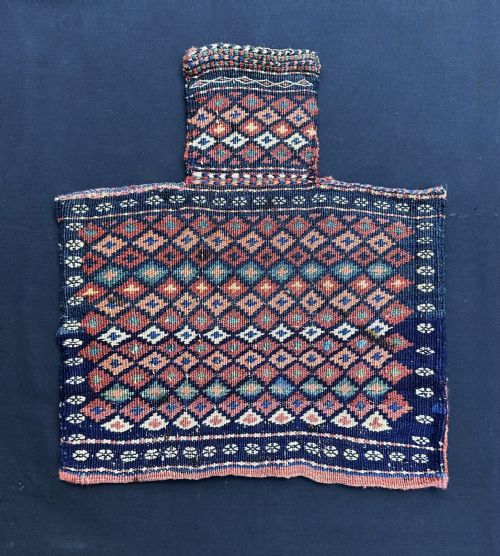
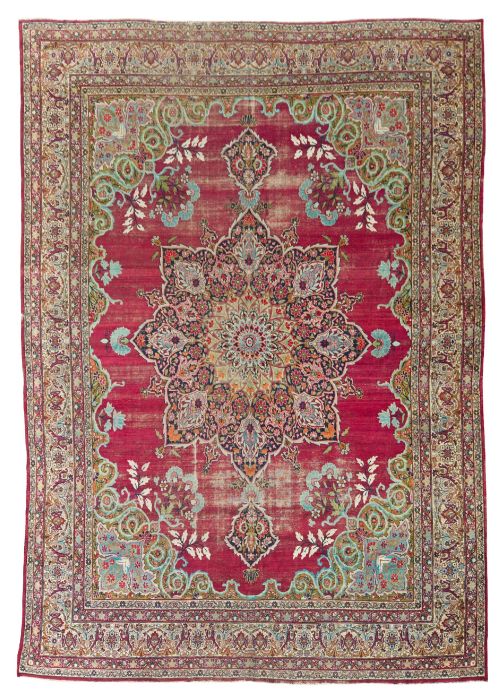
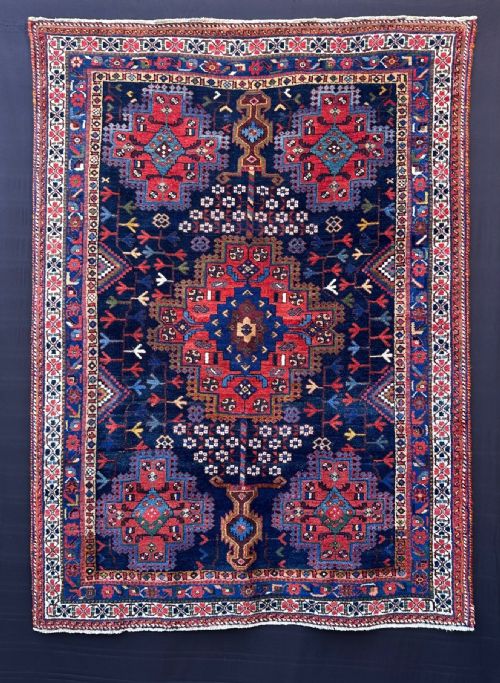
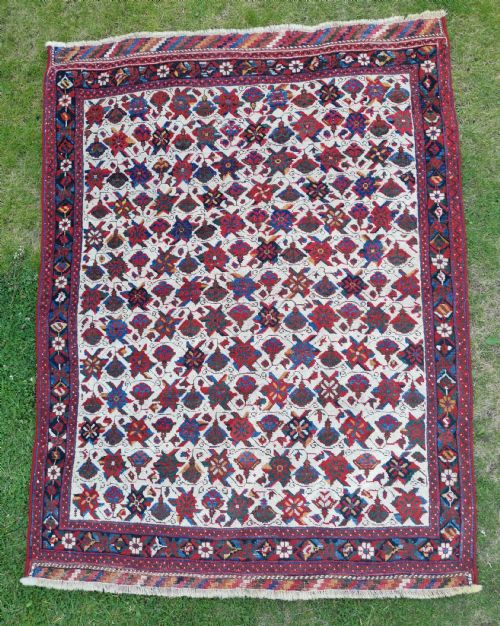
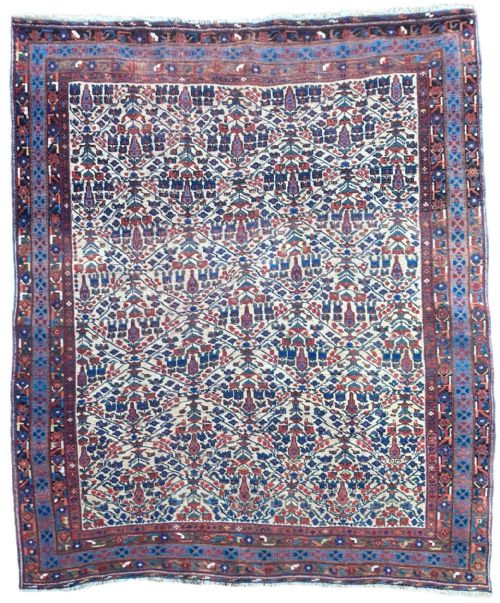
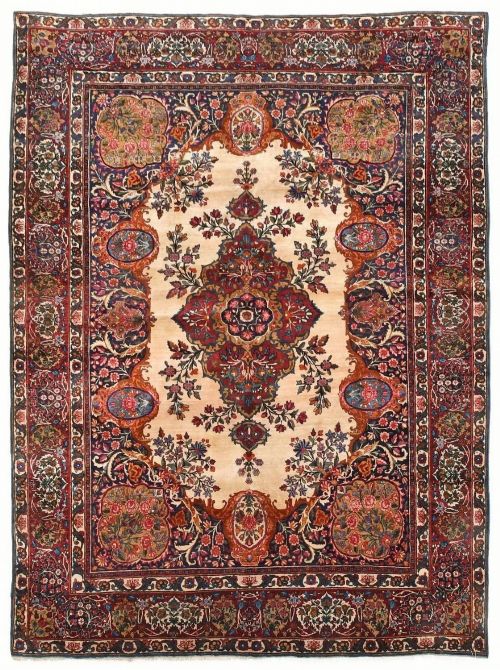
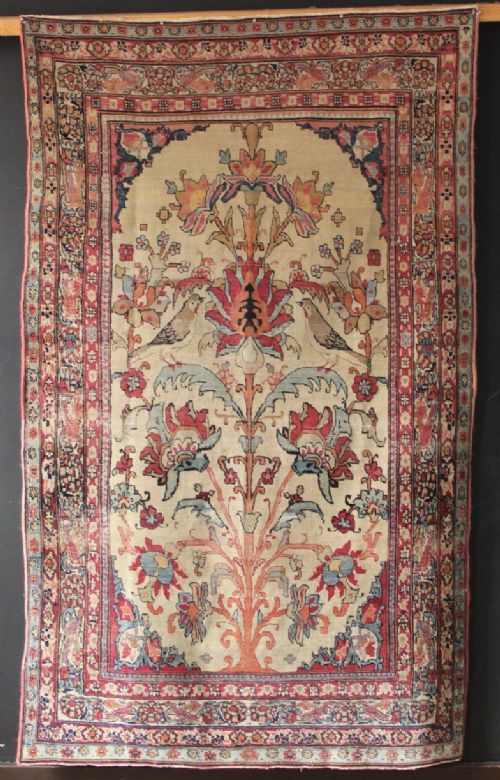
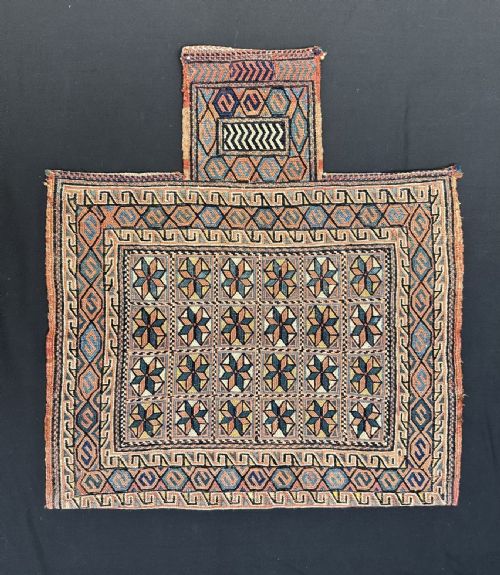
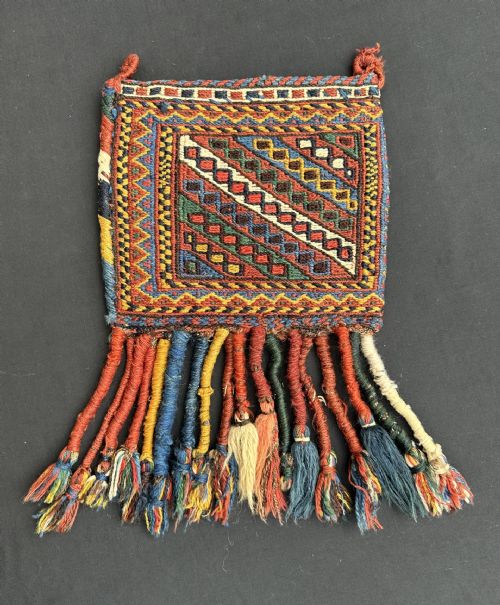
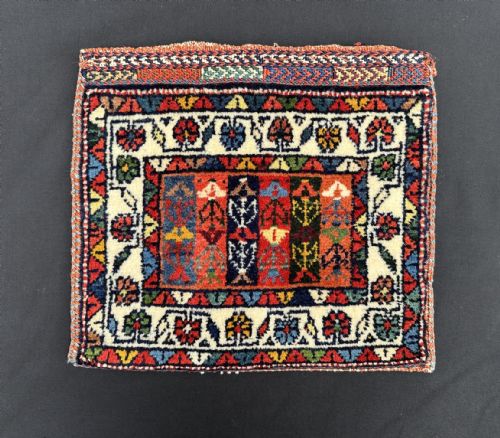
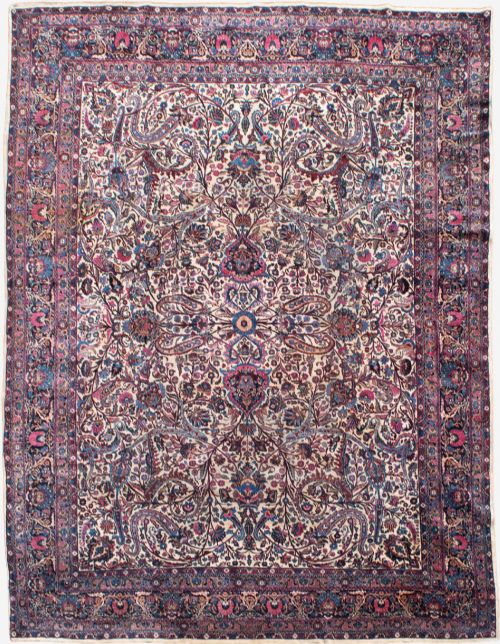
When you search for an antique persian kerman rug, you encounter woven works originating from the Kerman province of South Persia, spanning periods from the mid-nineteenth century through to the early decades of the twentieth century. These textiles encompass large room-size carpets, intricate mats, and smaller tribal formats including salt-bags, vanity bags, and flatweave bread sofrehs.
The most common examples met on this page include room-size Kirman carpets alongside regional Afshar tribal pieces from surrounding areas such as Bardsir, Neiriz, and the Jebal Barez Mountains. These diverse formats reflect both urban workshop production and nomadic weaving traditions anchored in the same southern province.
Materials and construction
The construction of these textiles relies primarily on wool foundations and pile, combined with cotton structural elements and occasionally cowrie shells for ornamentation in tribal storage pieces. Weavers utilised natural dyes to achieve rich colour palettes across both large carpets and smaller utility bags.
Techniques range from finely knotted pile work found in Kirman Lavar rugs to flatweave structures and Soumak techniques utilised by nomadic Afshar tribes. This variety in hand-knotting and flatweaving demonstrates distinct regional competencies across the province.
Antique Persian Kerman Rug Retail Price Guide 2026
Typical asking prices for persian kerman rug among the pieces listed under this phrase on Sellingantiques today, from the lower quarter to the upper quarter. They describe what is for sale here now, not the wider market.
Current listings feature pieces spanning the 1860s to the 1940s, constructed from wool, cotton, and natural dyes with occasional cowrie shells.
Factors of quality
The distinction between tiers of quality rests upon the fineness of the knotting, the precision of the repeat floral or pictorial design, and the integrity of the wool. Pieces bearing distressed surfaces or heavier wear sit differently in the market compared to tightly woven examples preserved in substantial room dimensions.
Structural refinement also marks the divide between standard utility bags and master workshop carpets, where intricate millefleurs prayer designs or exceptionally long narrow runner proportions demand greater technical mastery from the weaver.
The Antique Persian Kerman Rug Glossary
- Sofreh
- A woven spread or cloth used for eating or bread making among nomadic and village tribes.
- Soumak
- A flatweave textile technique involving coloured weft threads wrapped over the warp threads to create a textured surface.
- Boteh
- A traditional teardrop or almond-shaped motif representing a floral spray, cypress tree, or flame.
- Millefleurs
- A dense pattern composed of countless small flowers covering the field of the rug.
- Lavar
- A specific regional designation often associated with finely knotted Kirman carpets of high knot density.
Antique Persian Kerman Rug: Frequently Asked Questions
How were these bags used?
Nomadic groups utilised smaller bags and storage pouches for transporting household goods, grain, and personal items during seasonal migrations across the Kerman province.
Many of these functional pieces doubled as domestic furnishings inside tents, serving both practical storage roles and decorative purposes within daily tribal life.
Where were these pieces made?
Production centred both in urban workshops within Kerman city and among various nomadic tribes inhabiting the surrounding southern regions and mountain ranges.
Tribes such as the Afshar worked across specific locales including Bardsir, Neiriz, and the Jebal Barez Mountains, creating distinct regional styles.
How do I care for an old rug?
Protect the wool pile by placing the textile in low-traffic areas or mounting larger formats securely on walls if structural integrity requires support.
Regular gentle vacuuming without a beater bar helps remove dust, while professional cleaning tailored for natural dyes maintains the wool and cotton fibres.
How do I date these textiles?
Dating relies on stylistic analysis of the floral motifs, structural characteristics like wool quality and dye types, and comparative regional weaving traits.
Pieces originating from the nineteenth century often display distinct natural dye palettes and finer knotting compared to later twentieth-century workshop productions.