




Antique Pepper Dredger
These antique pepper dredger pieces are small table vessels for dispensing seasoning, offering collectors fine silver, cut glass, and brass craftsmanship from past centuries.
Antique Pepper Dredger
When you search for an antique pepper dredger, you are looking at small tabletop containers historically used for shaking spices over food. The listings on this page span the eighteenth century, the Edwardian era, and the mid-twentieth century.
You will encounter forms described variously as pepper casters, spice shakers, and sugar casters. Materials range from sterling silver and silver-gilt to cut glass, lead crystal, and brass.
Styles represented include George I, Queen Anne, Georgian Revival, and Edwardian. These diverse periods demonstrate how table silver evolved from early eighteenth-century octagonal forms to later twentieth-century revivals.
How they were made
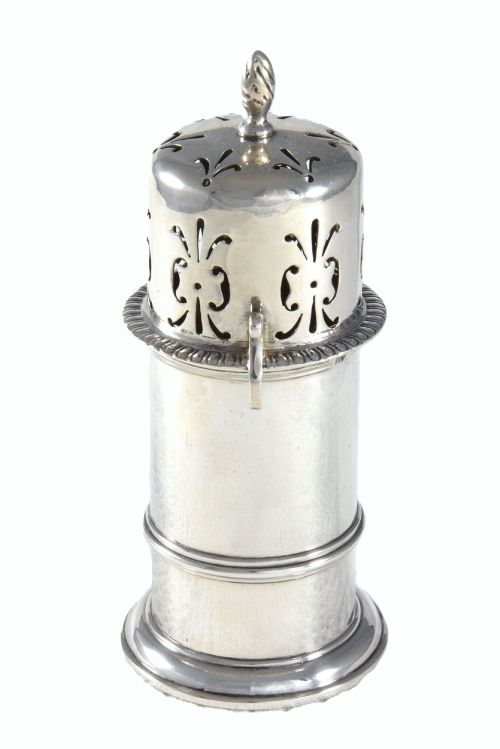
Makers utilised sterling silver and silver-gilt, often shaped into octagonal or cylindrical bodies with pierced lids designed for sifting. Cut glass and lead crystal bodies appear alongside brass spice shakers, showing varied manufacturing techniques.
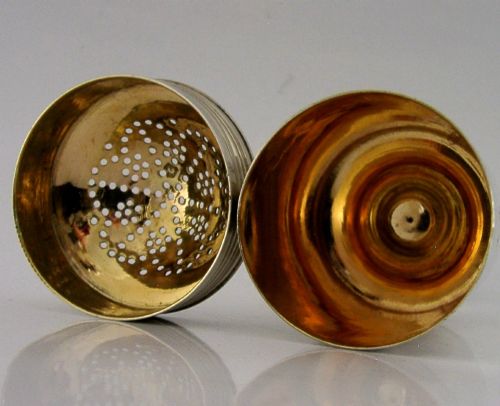
Silversmiths employed casting and piercing methods to create the intricate lid patterns necessary for dispensing fine powders. Screw feet and hallmarked fittings indicate the precise metalworking standards of their respective periods.
Antique Pepper Dredger Retail Price Guide 2026
Typical asking prices for pepper dredger among the pieces listed under this phrase on Sellingantiques today, from the lower quarter to the upper quarter. They describe what is for sale here now, not the wider market.
Listings span the eighteenth century, Edwardian era, and the nineteen-thirties and forties, incorporating sterling silver, brass, and cut glass.
What varies in quality
Quality in these pieces rests upon the crispness of the piercing on the lid and the weight of the metal utilised in the body. Earlier eighteenth-century examples exhibit substantial weight and hand-cut facets that differ from later twentieth-century production.
The presence of clear hallmarks, original screw-foot fittings, and armorial engravings elevates an example above standard domestic ware. The crispness of geometric cut glass and the preservation of silver-gilt surfaces further distinguish superior specimens.
Simon Pantin·The Barker Brothers·James Dixon And Sons Ltd·Thomas Pritchard
The Antique Pepper Dredger Glossary
- Silver-gilt
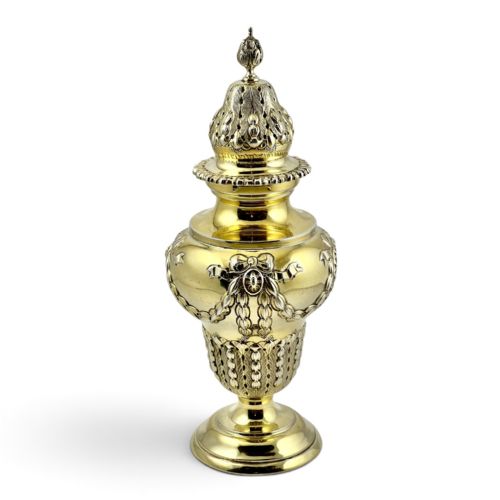
- Silver objects that have been coated with a thin layer of gold on the surface. This technique provides a rich, warm appearance often reserved for high-status tablewares.
- Caster
- A small container with a perforated top used for sprinkling sugar or spices onto food. They frequently appear in matching sets from the eighteenth century.
- Hallmark
- An official stamp applied to precious metals indicating the standard of purity, the assay office, and the year of manufacture. These marks help verify the exact age and origin of silver pieces.
- Lead crystal
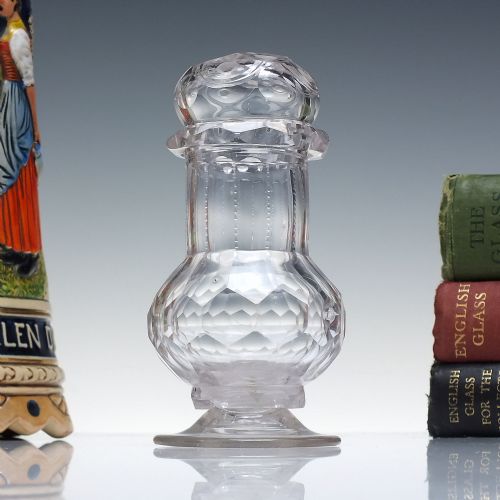
- A type of glass containing lead oxide, which increases brilliance, weight, and clarity. It is frequently cut with decorative patterns on vintage table vessels.
- Screw foot
- A threaded base mechanism allowing components of a glass or metal vessel to securely attach. This engineering detail is characteristic of certain eighteenth-century designs.
Antique Pepper Dredger: Frequently Asked Questions
What is the difference between a pepper dredger and a sugar caster?
A pepper dredger is generally smaller and was designed to hold pungent spices for savoury dishes, whereas sugar casters are typically larger vessels intended for sweet provisions.
Both items feature perforated lids for shaking contents over the table, but their scale and internal capacity usually reflect their original culinary purpose.
What materials were commonly used for these shakers?
Sterling silver and silver-gilt are the predominant metals found among these historical dining accessories, alongside brass for utilitarian spice shakers. Cut glass and lead crystal also form the bodies of eighteenth-century and Edwardian examples.
Combinations of glass bodies with silver screw-foot mountings demonstrate the diverse material approaches employed by period craftsmen.
How should I clean silver pepper dredgers?
Silver pieces require gentle maintenance using a non-abrasive cloth specifically formulated for precious metals to preserve the underlying details and hallmarks. Avoid harsh chemical dips that can strip away the natural patina accumulated over centuries.
Glass and crystal bodies can be washed cautiously in warm soapy water, ensuring that any attached metal mounts remain dry during the process.
Were these items used individually or in sets?
Dining customs varied, leading to both individual table casters and matched sets intended for multiple seasonings or grander table settings. Queen Anne examples were frequently produced as harmonious sets of three for the dining table.
Individual shakers also sufficed for smaller households or specific condiments as dining habits evolved through the Edwardian period.