

Antique Pencil
When you search for an antique pencil, you encounter either precision silver writing instruments or original graphite and charcoal drawings on paper.
Antique Pencil
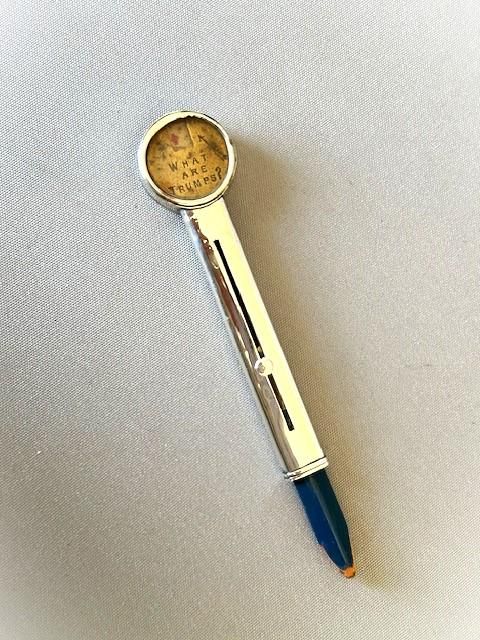
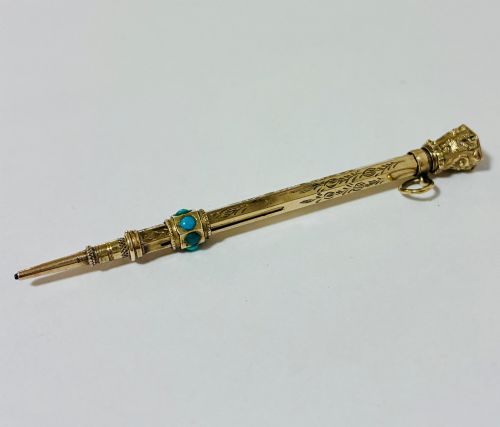
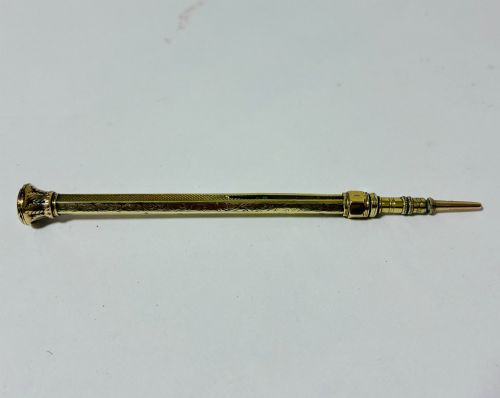
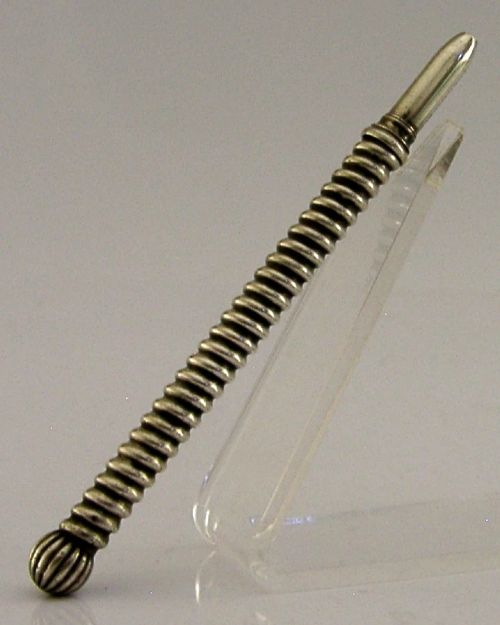
An antique pencil search leads you across two distinct categories: functional writing instruments and works on paper created using graphite or charcoal. Writing instruments span sterling silver and gold propelling mechanisms, often featuring novelty shapes or charm pendants.
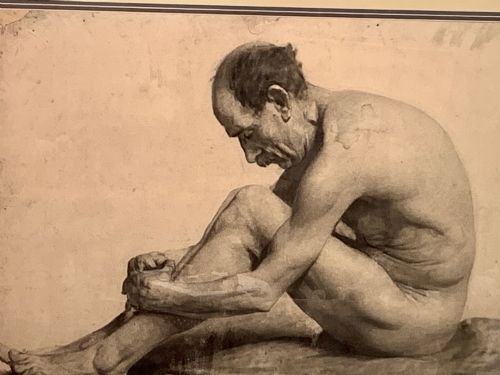
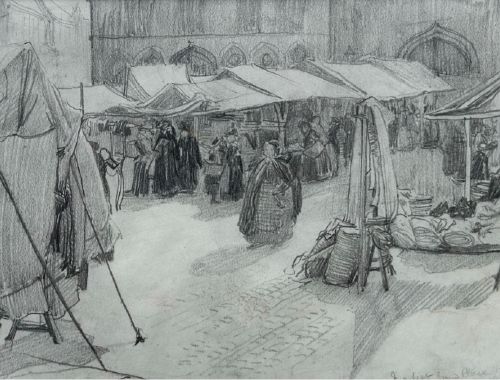
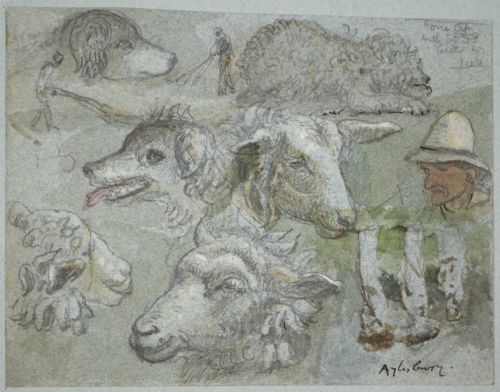
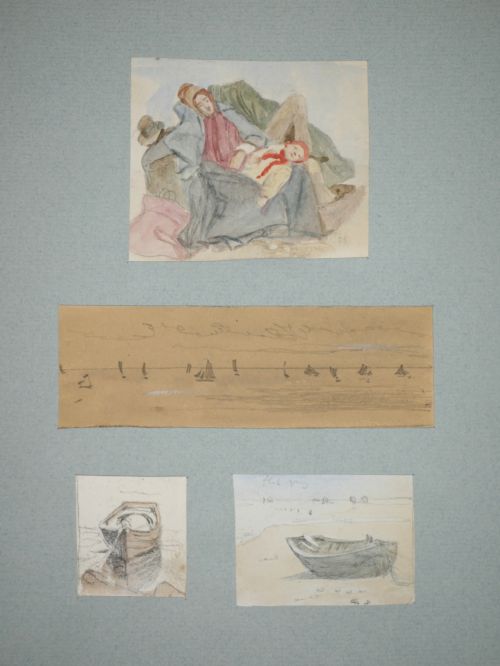
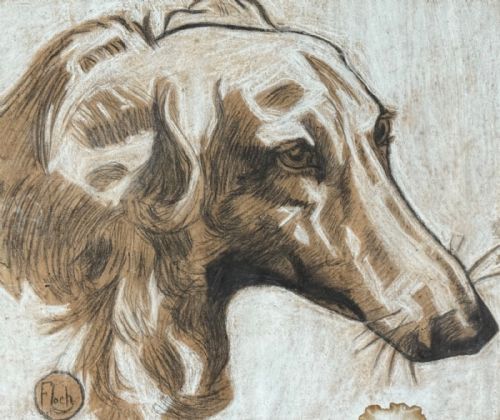
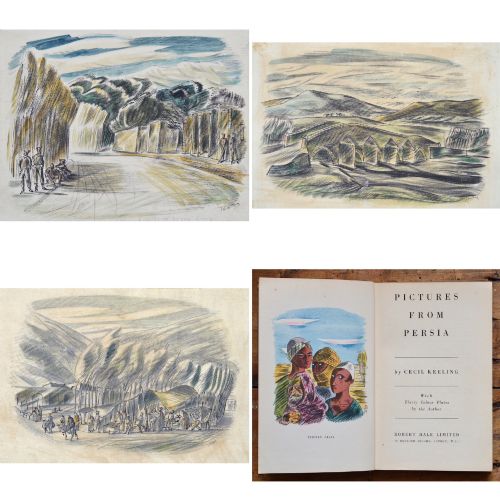
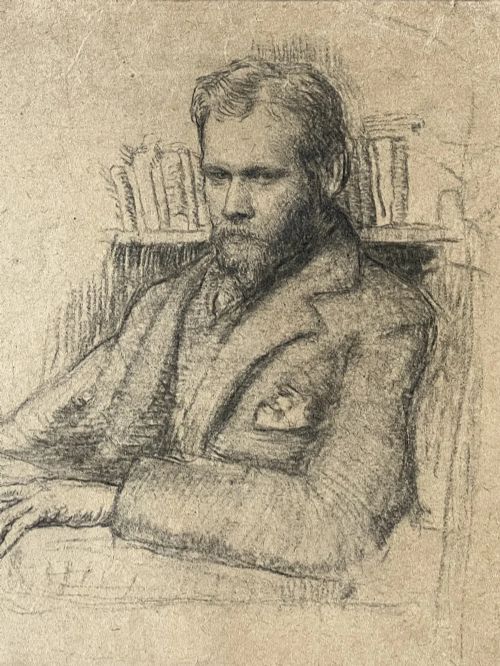
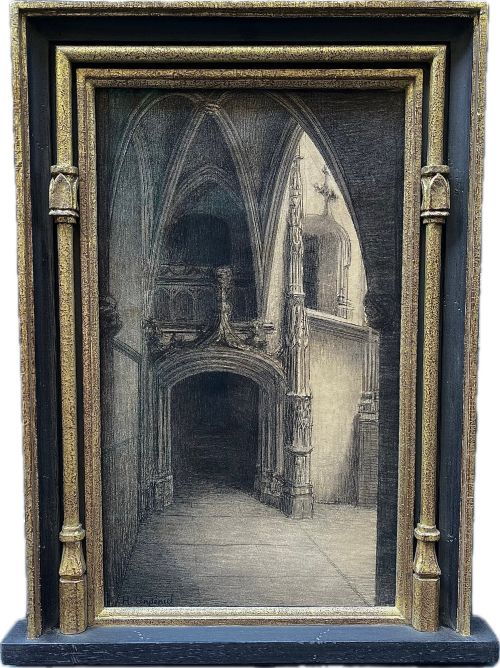
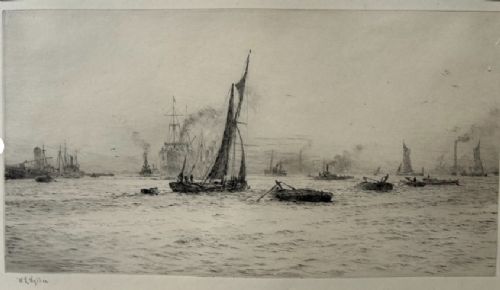
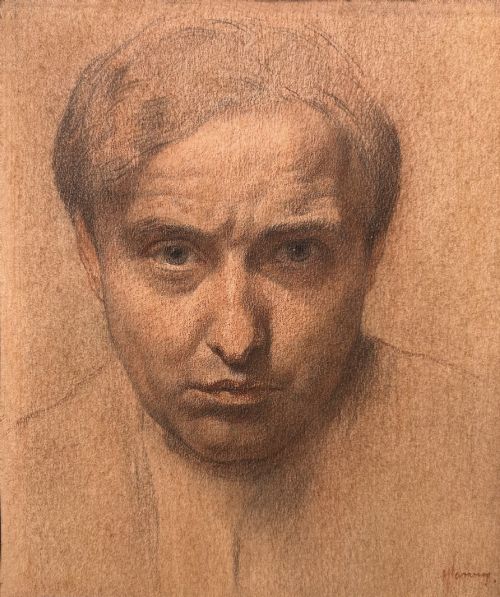
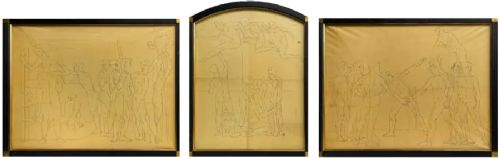
Works on paper encompass academic studies, portraits, landscapes, and architectural sketches from the eighteenth, nineteenth, and early twentieth centuries. These drawings range from rapid preparatory sketches to highly finished portraiture executed on buff paper or canvas.
Victorian examples dominate the selection of both silver propelling mechanisms and framed portrait drawings. Alongside these British pieces appear continental works and specific regional designs.
Materials and Construction
Silver and gold dominate the construction of mechanical writing instruments, utilising stamped or chased precious metals combined with enamel and gemstone accents. Many incorporate telescoping actions or multi-colour leads operated via turning or sliding collars.
Works on paper rely upon graphite, charcoal, plumbago, and gouache applied to various paper stocks, including buff sheets and watermarked paper. Framed pieces frequently utilise period wooden frames to house these delicate drawings and etchings.
Antique Pencil Retail Price Guide 2026
Typical asking prices for pencil among the pieces listed under this phrase on Sellingantiques today, from the lower quarter to the upper quarter. They describe what is for sale here now, not the wider market.
Several Victorian silversmiths decided that writing instruments simply had to resemble miniature Egyptian mummies and wild boars.
Assessing Quality
Quality in writing instruments rests on the crispness of the chasing, the reliability of the internal mechanism, and the integrity of any applied enamel or turquoise stones. Maker marks and hallmarks provide clear indicators of workshop origin.
In drawings, quality is determined by the sureness of the draughtsmanship, the subtlety of tonal modelling in the graphite or charcoal, and the preservation of the paper support free from excessive acidity or foxing.
William Comyns And Sons·Sampson Mordan·Edward Todd And Co·Hamilton And Co Calcutta
The Antique Pencil Glossary
- Propelling pencil
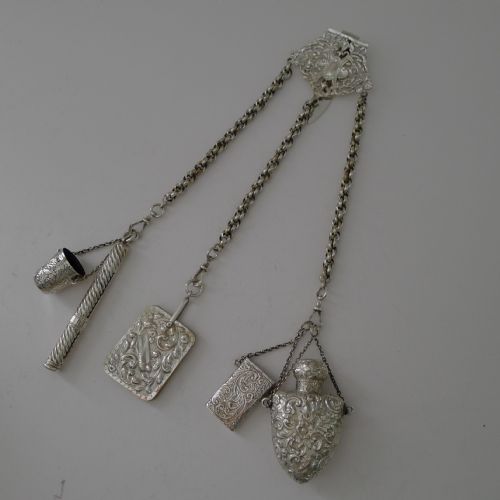
- A mechanical writing instrument that advances graphite via a rotating or sliding internal screw thread. These metal cases often double as chatelaine pendants.
- Plumbago
- An early term for graphite used as a drawing medium, particularly for highly finished miniature portraits in the eighteenth century. These works display meticulous fine-line detail.
- Chatelaine
- A decorative belt hook worn from the waist with suspended functional items such as sewing tools, keys, and mechanical pencils. They were popular accessories during the Victorian period.
- Deux crayon
- A drawing technique using two distinct coloured chalks or pencils on tinted paper to create highlights and shadows. This method adds depth to figure studies and portraits.
- Etching
- A printmaking process where lines are bitten into a metal plate with acid before being inked and pressed onto paper. Many listed works are pencil-signed by the artist.
Antique Pencil: Frequently Asked Questions
How do I date a silver propelling pencil?
Silver propelling pencils are typically dated by examining the hallmarks stamped onto the metal casing. These assay marks reveal the exact year of manufacture and the silversmithing workshop.
Unmarked pieces rely on stylistic clues such as chasing patterns, proportions, and the complexity of the internal mechanism to narrow down their production era.
Were antique pencils used for writing or art?
Antique pencils served both functional and artistic purposes depending on their form. Precious metal propelling tools were carried for daily correspondence or worn as decorative chatelaine accessories.
Graphite and charcoal implements were strictly utilised by artists and draftsmen for preparatory studies, academic nudes, and finished works on paper.
How should I display antique drawings?
Antique drawings on paper require careful framing away from direct sunlight to prevent the graphite and paper stock from fading. Acid-free mounts prevent chemical degradation over time.
Maintaining stable indoor humidity levels protects both the paper support and any nineteenth-century gilded wooden frames housing the artwork.
What is a novelty pencil?
A novelty pencil is a mechanical writing instrument fashioned into an unusual sculptural shape. Examples include miniature Egyptian sarcophagi and animal figures.
These pieces combined practical utility with decorative whimsy, often functioning as portable charms or pendants during the Victorian and Edwardian eras.