

Antique Pencil Artwork
Antique pencil artwork brings intimate hand-drawn lines from past centuries into your home.
Antique Pencil Artwork
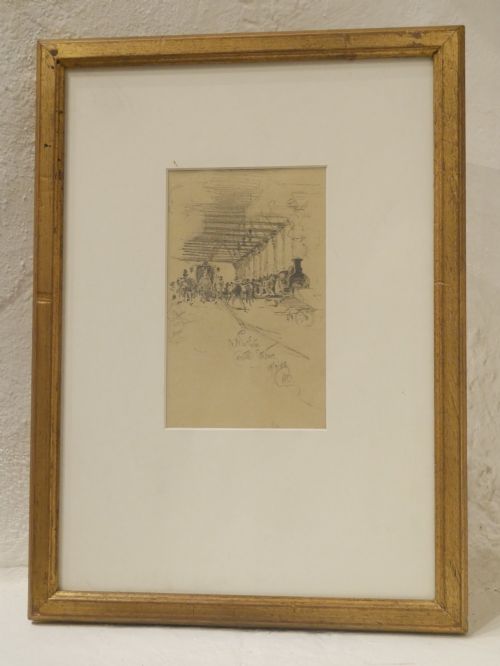
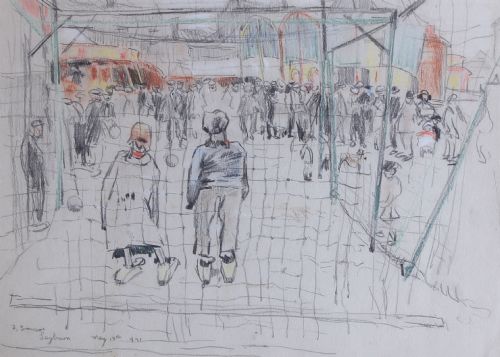
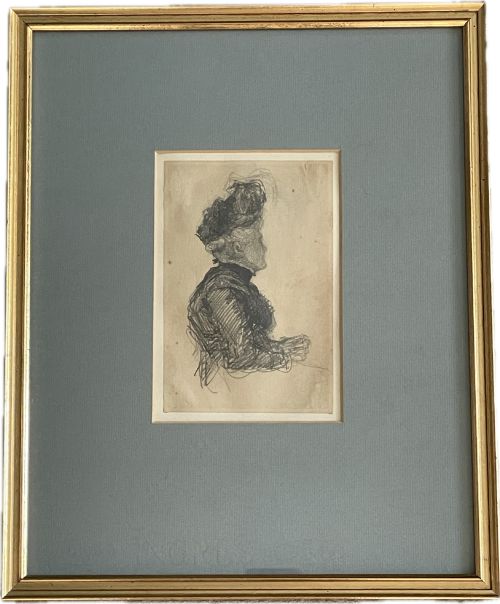
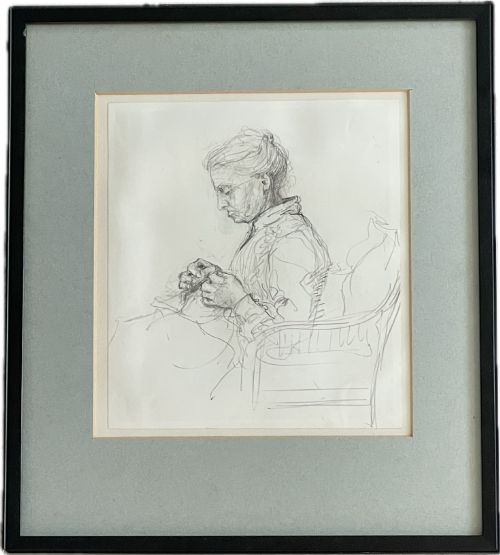
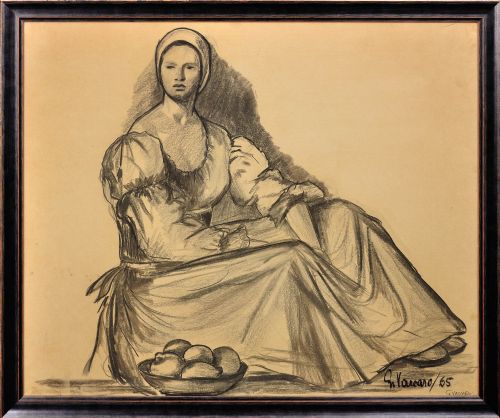
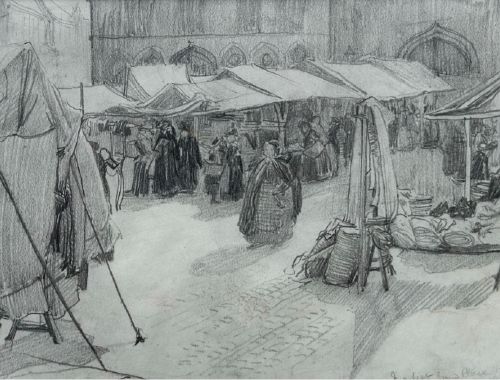
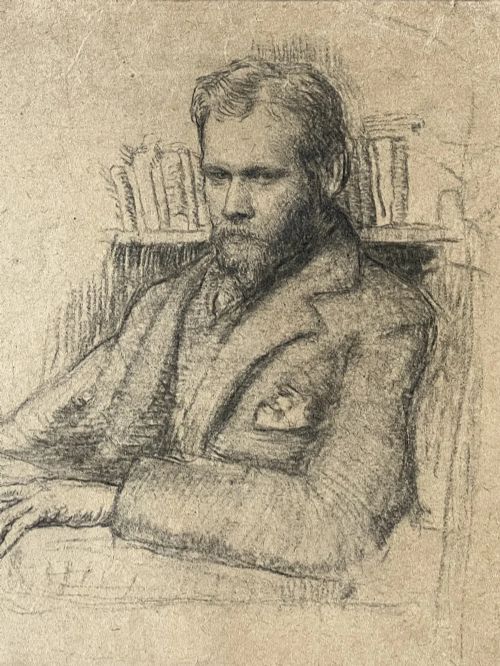
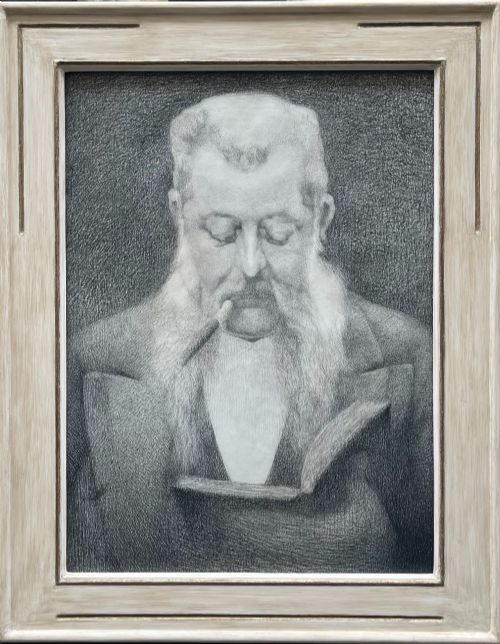
When you search for antique pencil artwork, you examine original drawings executed primarily on paper using graphite, charcoal, and plumbago. These pieces capture direct observations, preliminary studies, and finished portraits created by artists across multiple past eras.
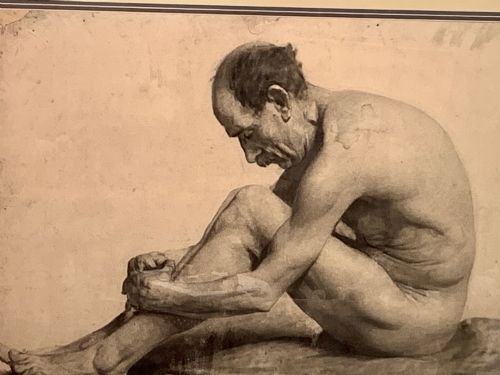
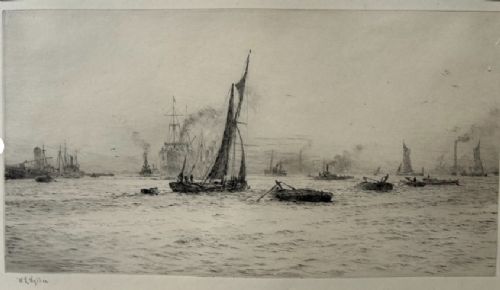
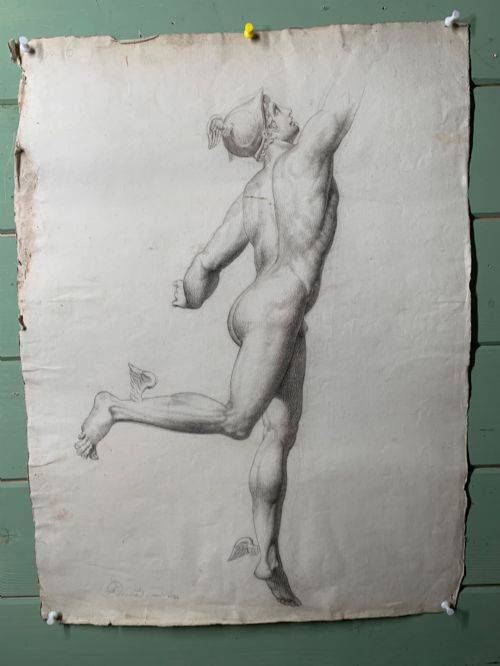
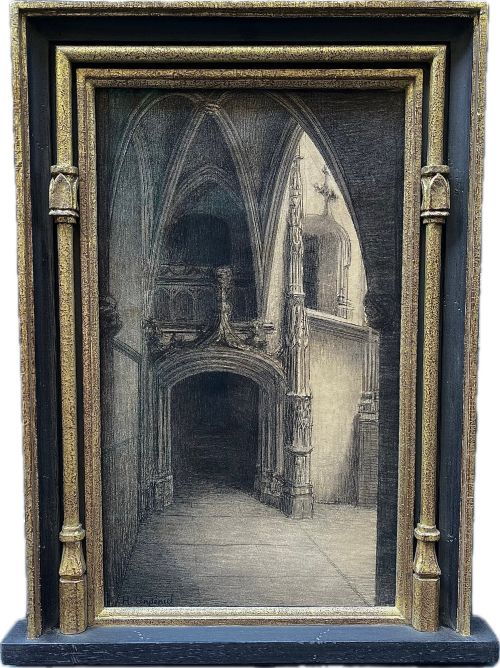
The selections you encounter most frequently on this page date from the eighteenth, nineteenth, and early twentieth centuries. They span diverse forms including framed wall art, botanical studies, figural sketches, and architectural views.
Originating largely from British and European schools, these works range from academic life drawings to informal landscape sketches. Each piece preserves the immediate touch of the draughtsman's hand without the intervention of mechanical reproduction.
Materials and techniques
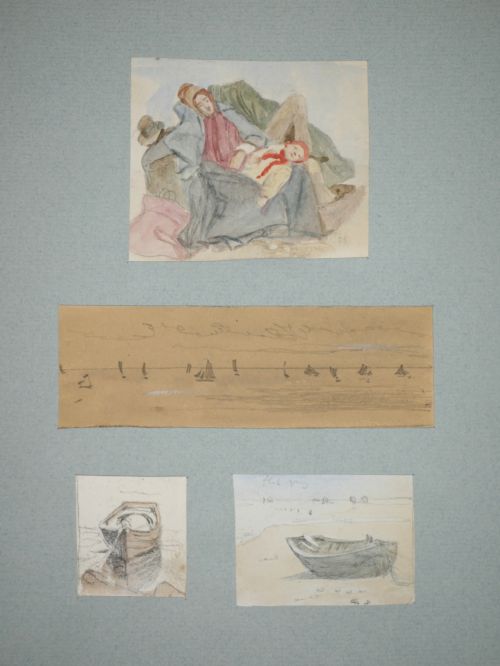
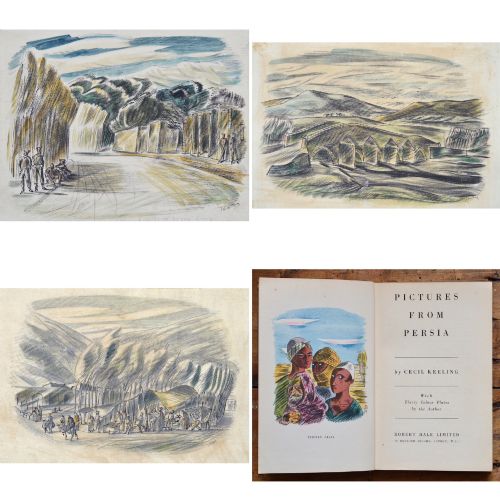
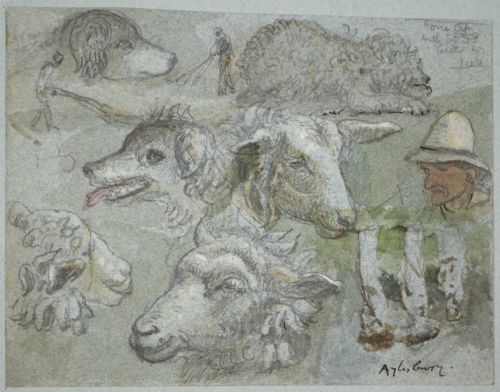
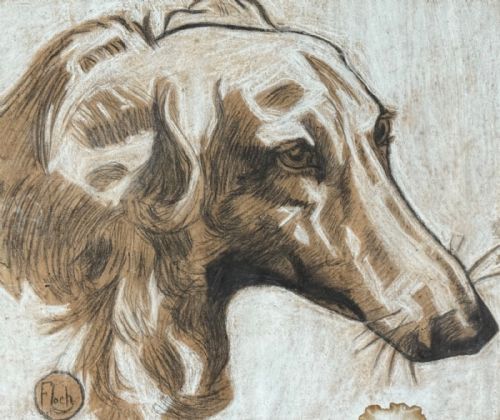
The primary mediums recorded in these listings combine graphite, charcoal, and plumbago applied directly to various paper supports. Artists frequently augmented these pencil drawings with touches of watercolour, gouache, or ink to add tonal depth and colour.
Support materials typically consist of handmade or machine-made paper, sometimes tinted buff or grey to receive highlights in white chalk or bodycolour. Many surviving examples retain their period frames of wood and glass, which protect the fragile surfaces from atmospheric damage.
Antique Pencil Artwork Retail Price Guide 2026
Typical asking prices for pencil artwork among the pieces listed under this phrase on Sellingantiques today, from the lower quarter to the upper quarter. They describe what is for sale here now, not the wider market.
Listings feature works spanning the 18th Century, Regency, Victorian, and Edwardian periods, utilising paper, graphite, and charcoal.
Determining quality in historical drawings
Quality rests upon the sureness of the draughtsmanship and the expressive economy of the line. Superior works display anatomical precision, confident shading, and a clear sense of structure, whereas lesser pieces often show hesitant strokes and stiff proportions.
The significance of the subject matter and the completeness of the composition further elevate a piece. Fully realised portraits and detailed architectural studies command greater attention than hasty marginal sketches or derivative copies.
Henry Percy Huggill·James Smetham·William Lionel Wyllie·Augustus John·Henri Charles Angéniol·John Taylor·Robert Richard Scanlan·Demetrios Galanis·J D Fergusson·J W Hogley
The Antique Pencil Artwork Glossary
- Plumbago
- An early form of graphite drawing executed with fine precision, popular for small-scale miniature portraits during the Georgian period. These works are prized for their meticulous detail and silvery metallic sheen.
- Graphite
- A form of carbon used as a drawing medium in pencils, replacing lead in artistic practice. It allows for a wide range of tonal values from pale grey to deep black.
- Charcoal
- A porous form of burnt carbonized wood used to create bold, expressive lines and deep shadows on paper. It is frequently blended to achieve soft transitions.
- Gouache
- An opaque watercolour paint composed of pigment, water, and a binding agent such as gum, often used alongside pencil to create highlighted areas. It provides solid, matte colour application.
- Academic Realism
- A style of painting and drawing produced under the influence of European academies of art, emphasising accurate anatomy, classical proportion, and traditional technique.
Antique Pencil Artwork: Frequently Asked Questions
How should I frame antique pencil drawings?
Protect the delicate paper and graphite surfaces by using acid-free mount boards that prevent the drawing from touching the glass directly. Ensure the framing is sealed properly to keep out dust and moisture.
Keep the artwork away from direct sunlight to prevent the paper from yellowing and the graphite from fading over time. Conservation-grade framing preserves the structural integrity of historical works on paper.
Are these drawings original or prints?
The pieces listed are original works executed by hand, featuring visible pencil strokes, smudges, and variations in line pressure unique to each drawing. Examining the surface under magnification reveals the actual deposit of graphite or charcoal on the paper fibres.
Unlike mechanical reproductions or printed engravings, genuine drawings lack dot patterns or uniform ink distribution. Each sheet represents a singular creative act by the artist.
How do I care for works on paper?
Display your drawings in rooms with stable temperature and humidity levels to avoid warping or foxing of the paper support. Avoid hanging them in damp spaces such as kitchens or unheated hallways.
Limit exposure to bright artificial lights and UV rays, which degrade organic materials over long periods. Routine gentle dusting of the exterior frame is all that is required for maintenance.
What periods do these drawings cover?
The collection spans several distinct historical eras, ranging from eighteenth-century Georgian and Regency sheets to Victorian and early twentieth-century examples. Each era reflects shifting artistic training, aesthetics, and subject preferences.
Earlier works often lean toward academic studies and classical proportions, while later twentieth-century pieces introduce modernist and avant-garde influences. Dating is typically verified through signatures, dates inscribed on the paper, or stylistic markers.