


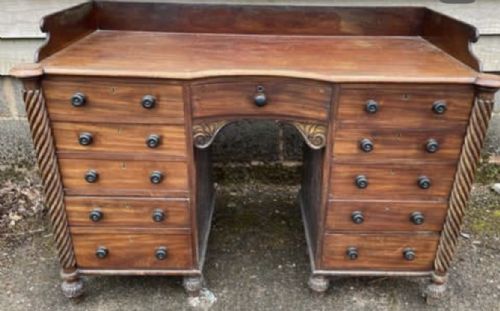

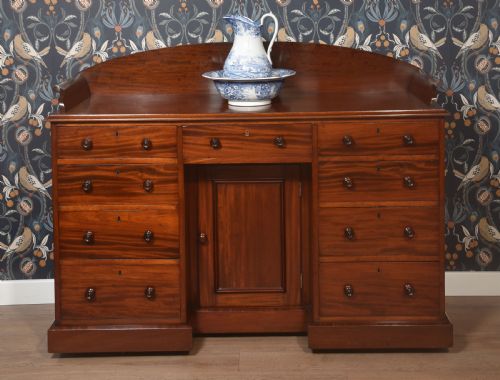
Antique Pedestal Washstand
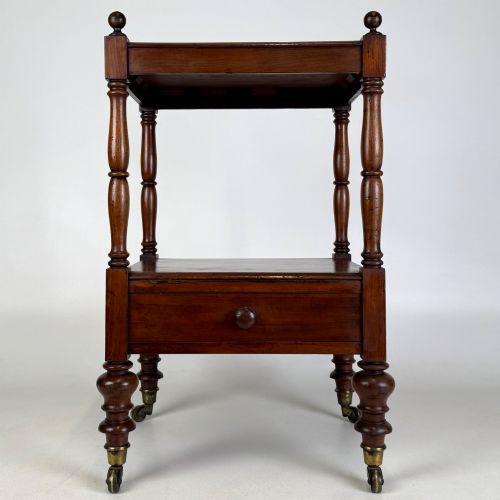
An antique pedestal washstand brings architectural timber and marble to the bedroom, offering a sturdy surface for a basin and pitcher.
Antique Pedestal Washstand
When you search for an antique pedestal washstand, you encounter practical furniture designed for personal hygiene before modern plumbing. The pieces listed span from the Georgian period through the Victorian era and into the Edwardian years.
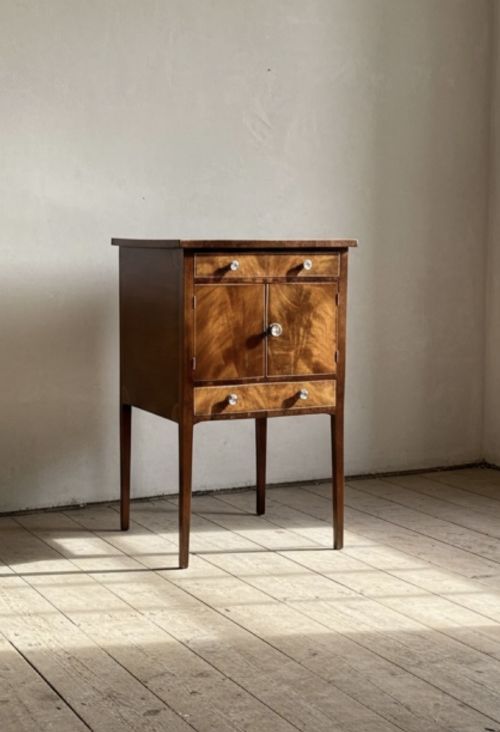
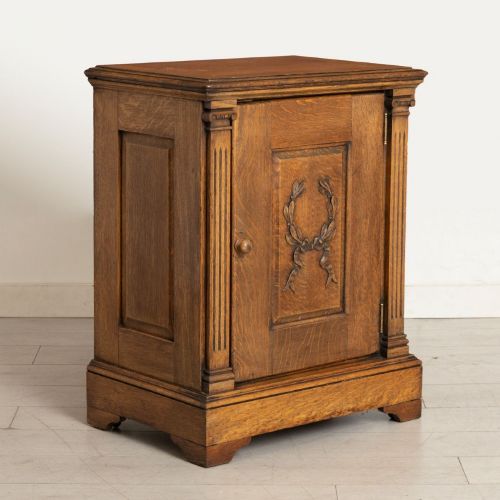
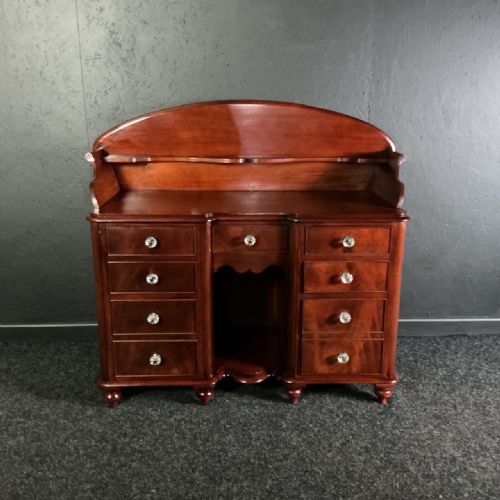
Mahogany forms the backbone of these pieces, alongside oak, walnut, and satinbirch. You will find forms ranging from simple cupboards to elaborate setups featuring marble tops and mirrors.
Materials and construction
Cabinet makers utilised solid mahogany, flame mahogany veneer, and oak to build the foundational carcasses of these pieces. Brass hardware provides functional detailing on handles and hinges.
Marble tops appear frequently on Victorian examples to handle water splashes safely. Satinwood inlay and part-ebonised walnut decorate more refined iterations from later periods.
The listings on this site span the 18th century, the Regency period, and the Victorian era, utilising materials such as mahogany, marble, and oak.
Markers of quality
The weight of the timber and the depth of the figuring in the mahogany distinguish standard workshop output from finer examples. Superior pieces display precise joinery in their carcase construction and well-fitted doors.
The presence of original marble tops and integrated brass fittings elevates a piece. Subtle decorative choices, such as satinwood inlay or classical architectural form, separate basic utility items from sophisticated commissions.
James Shoolbred
The Antique Pedestal Washstand Glossary
- Pedestal washstand
- A freestanding piece of furniture designed to hold washing basins and water jugs, often featuring a cupboard base. These items served daily ablutions in bedrooms before plumbed bathrooms became standard.
- Flame mahogany veneer
- A sliced sheet of timber displaying a distinctive flickering flame pattern applied to a secondary wood core. Makers selected this figure for prominent surfaces like doors and drawer fronts.
- Pot cupboard
- A small enclosed bedside cabinet originally designed to house a chamber pot. They frequently share forms and proportions with washstands.
- Aesthetic Movement
- A late 19th-century design style focusing on visual beauty rather than narrative or moral function. Pieces from this movement often incorporate ebonised finishes and gilt highlights.
- Marble top
- A polished stone slab fitted to the upper surface of washstands to resist water damage. This durable material provided a cool, impermeable workspace for jugs and basins.
Antique Pedestal Washstand: Frequently Asked Questions
What is an antique pedestal washstand?
An antique pedestal washstand is a piece of wooden bedroom furniture built to hold a basin and water pitcher. They date primarily from the Georgian, Victorian, and Edwardian periods.
Most feature a cupboard or shelf beneath the top surface to store washing equipment and chamber pots out of sight.
How were washstands used originally?
These items provided a dedicated station for morning and evening washing before running water was installed in homes. Users placed a ceramic basin and ewer on top for daily cleaning.
Enclosed lower cabinets kept personal items, soap, and chamber pots tucked away neatly in the bedroom.
Do all washstands have marble tops?
Not all washstands feature marble tops, though they appear frequently on Victorian examples. Many earlier pieces rely entirely on solid timber surfaces like mahogany or oak.
Marble was introduced primarily to protect the wood from spilled water during daily use.
How do I distinguish periods of washstands?
Georgian and Regency washstands tend to feature clean lines, simple mahogany carcases, and occasionally slender legs. Victorian examples often incorporate heavier proportions, marble slabs, and architectural details.
Later Edwardian versions can include attached mirrors and influences from earlier aesthetic styles.