

Antique Pedestal Plant Stand
An antique pedestal plant stand lifts greenery into the light, bringing height and proportion to a room through centuries of timber and stone.

Antique Pedestal Plant Stand
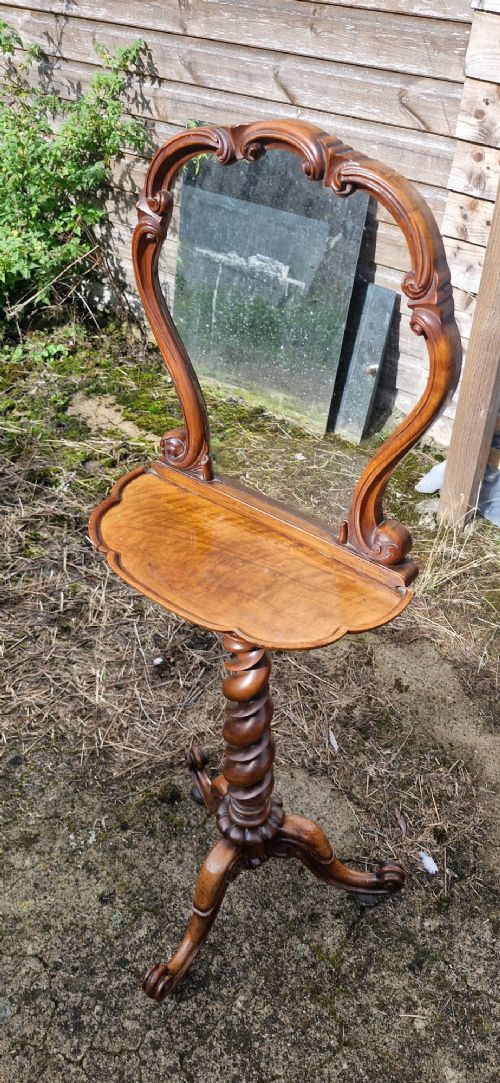
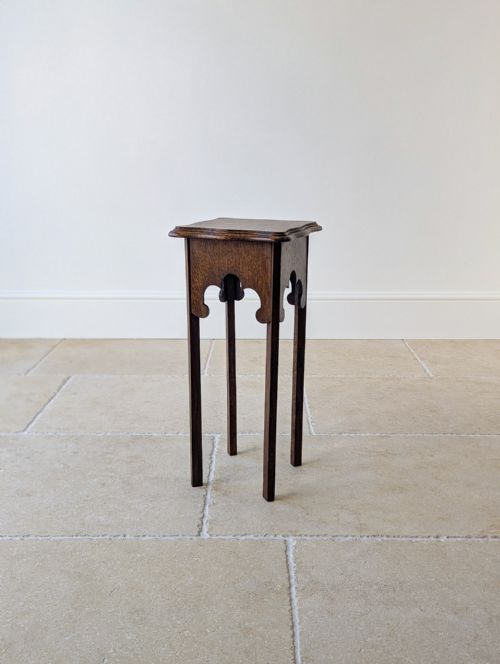
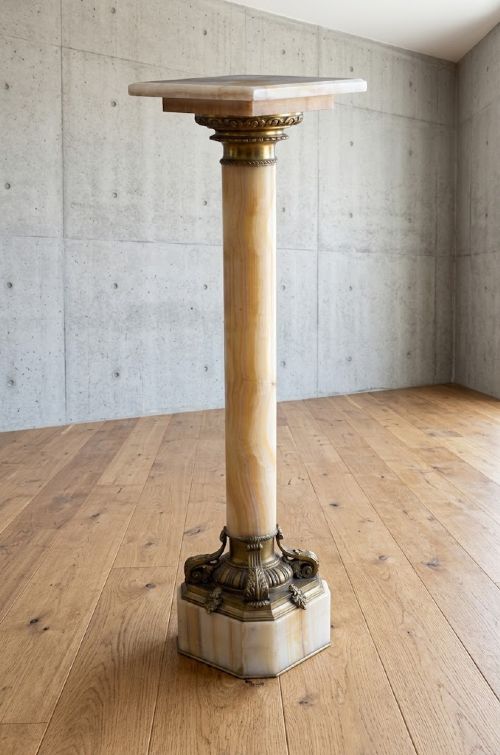
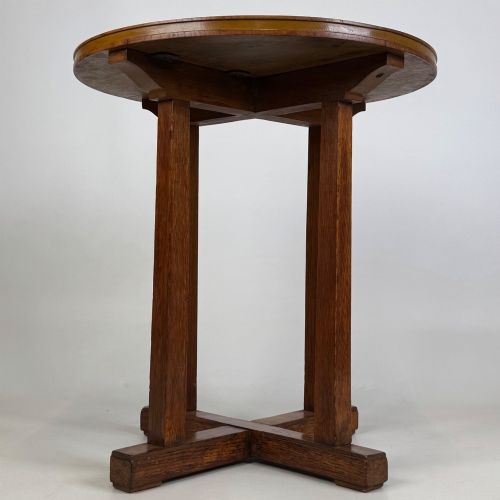
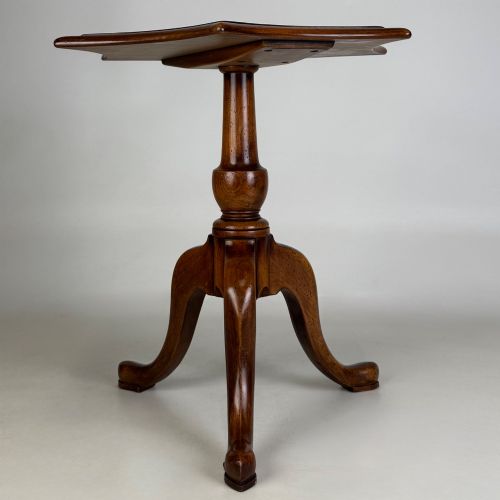
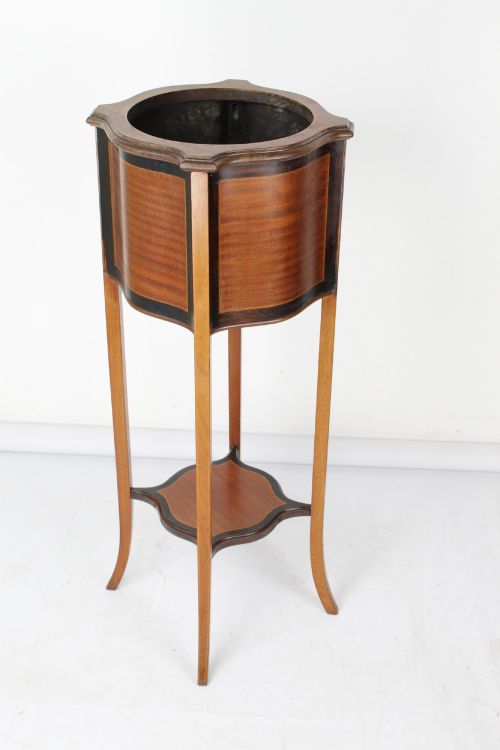
When you search for an antique pedestal plant stand, you look for elevated surfaces designed to display foliage, ceramics, or sculpture. The pieces recorded here span from the eighteenth century through the Edwardian era and Victorian period, taking forms such as torcheres, columns, plinths, and small occasional tables.
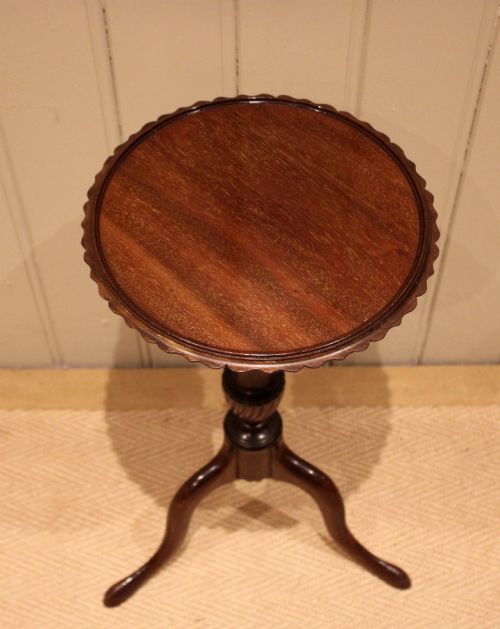
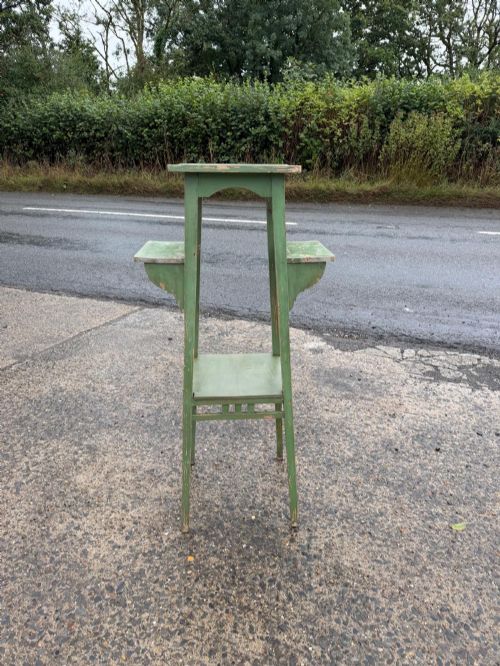
Mahogany and oak dominate the timber selection, alongside walnut, satinwood, and painted finishes. You will frequently encounter Edwardian designs alongside nineteenth-century columns inset with marble or mounted in ormolu, reflecting varied domestic fashions for interior display.
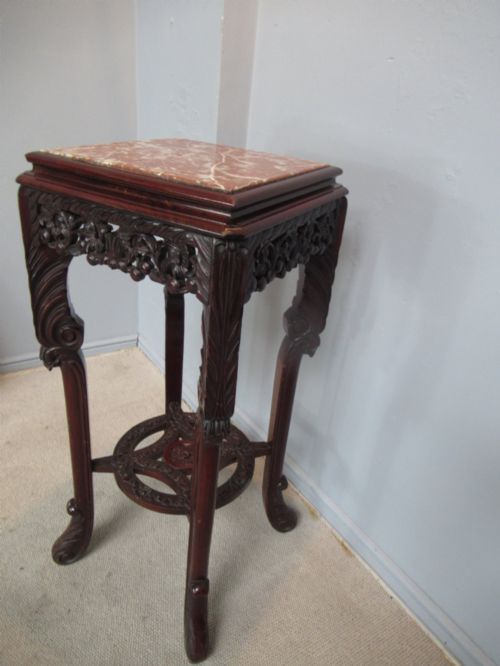
Object types frequently overlap with lamp tables, wine tables, and jardiniere stands, serving practical functions alongside purely decorative display. Regional varieties include Dutch torchere forms, French chateau styles, and Oriental hardwood stands.
Materials and construction methods
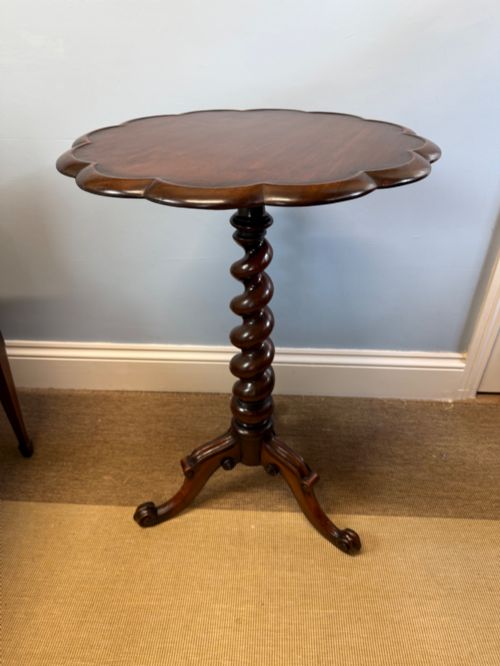
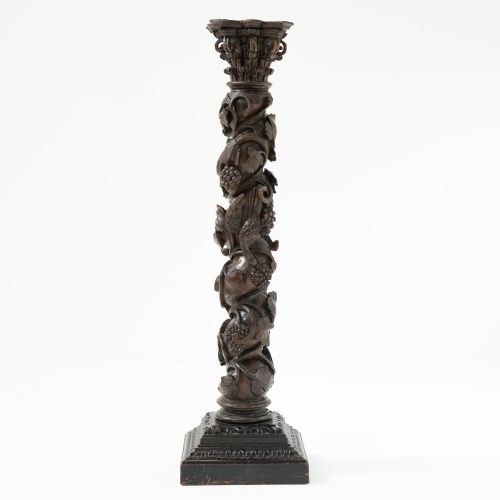
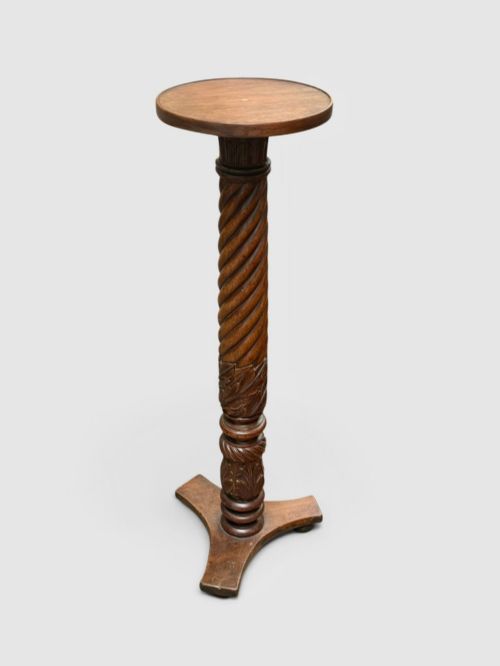
Cabinetmakers utilised dense timbers like mahogany, walnut, and oak, turning structural columns on lathes or carving intricate details by hand. Solomonic twists, barley twists, and figural carvings demonstrate the dexterity of period workshops.
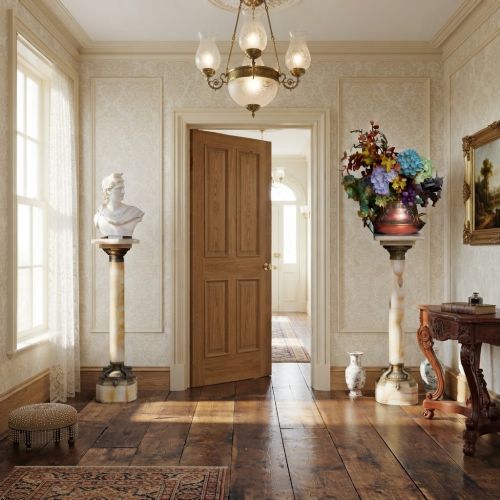
Surface ornamentation involved contrasting materials, such as inset marble tops, polished brass collars, ormolu mounts, and mother-of-pearl inlay. Paint and polished finishes protected the timber while highlighting the natural grain.
Listings feature pieces spanning the 18th century, Victorian era, and Edwardian period in mahogany, marble, oak, and walnut.
Distinctions in construction and material quality
Quality rests in the stability of the central column and the integrity of the joints connecting the shaft to the base and top. Solid timber turning and weight distribution ensure the stand supports heavy planters without tipping.
The refinement of decorative elements distinguishes standard utility items from finer reception room pieces. Crisp carving, carefully fitted marble inserts, and intact brass or ormolu mounts indicate superior craftsmanship.
The Antique Pedestal Plant Stand Glossary
- Torchere
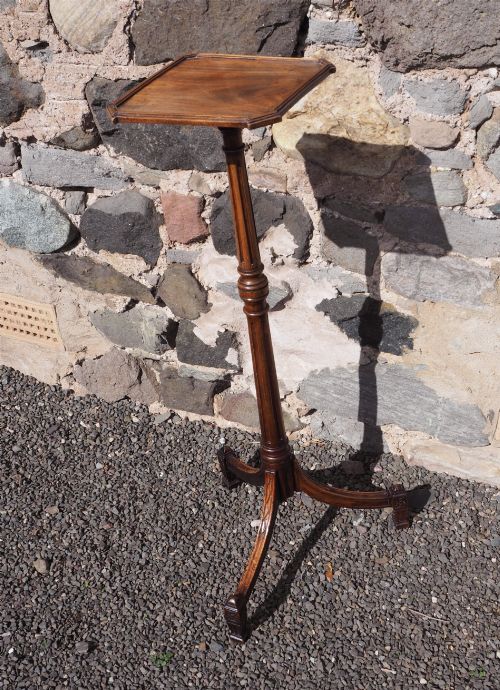
- A tall, slender stand designed originally to hold a candle or lamp, later adopted for plant display. These pieces usually feature a small circular top supported by a single carved column.
- Ormolu
- Gilded bronze or brass mounts applied to furniture and decorative columns. This technique gained widespread popularity in nineteenth-century French and English pieces.
- Solomonic column
- A twisted, spiral shaft resembling a corkscrew, seen on seventeenth and eighteenth-century furniture and revival pieces. The helical design creates dynamic movement along the vertical axis.
- Jardiniere stand
- A specialised piece intended to hold a heavy plant container or ceramic bowl. These often incorporate waterproof liners or sturdy undershelves for related gardening equipment.
- Plinth
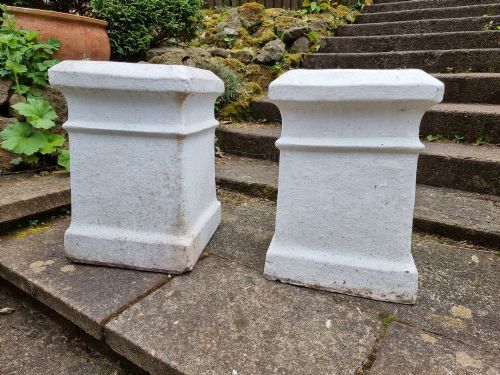
- The flat base or lower block of a column or pedestal. It provides essential weight and width to keep tall display stands stable on uneven floors.
Antique Pedestal Plant Stand: Frequently Asked Questions
How do I choose the right height?
Consider the scale of the room and the height of surrounding furniture when selecting a pedestal. Taller columns suit corners and empty wall spaces where vertical emphasis is required.
Shorter stands function effectively beside seating as lamp or occasional tables while keeping potted plants at a manageable viewing level.
Can these stands support heavy pots?
Most solid timber and stone-topped columns easily accommodate standard ceramic planters. Heavier specimens require stable, weighted bases to prevent accidental tipping.
Check the width of the top surface to ensure the base of your pot sits entirely within the perimeter.
Where should I place a torchere?
Torcheres excel in dark corners, entrance hallways, or flanking larger pieces of furniture. Their narrow footprint allows them to occupy minimal floor space while drawing the eye upward.
Ensure adequate natural light if using them for living plants, or pair them with sculptural arrangements.
How do I date a wooden column?
Examine the timber species, turning style, and joinery methods visible beneath the base. Georgian and Victorian pieces often display distinct hand-tool marks and traditional assembly techniques.
Edwardian and later Arts and Crafts examples favour simpler geometric lines and quarter-sawn oak surfaces.