

Antique Pedestal Centrepiece Bowl
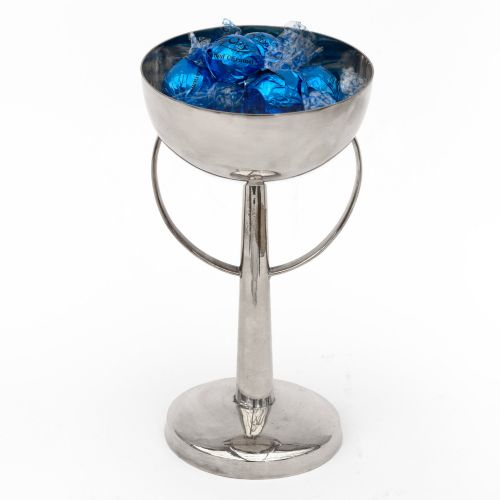
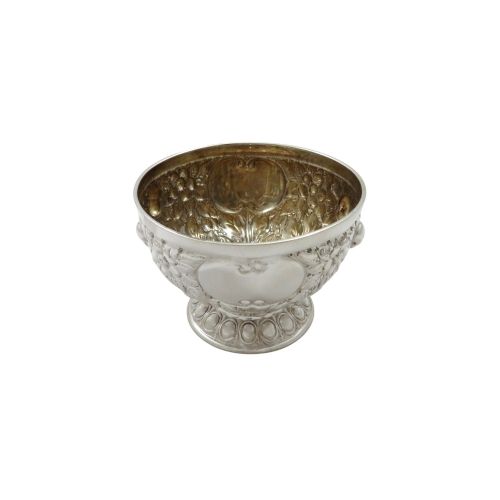
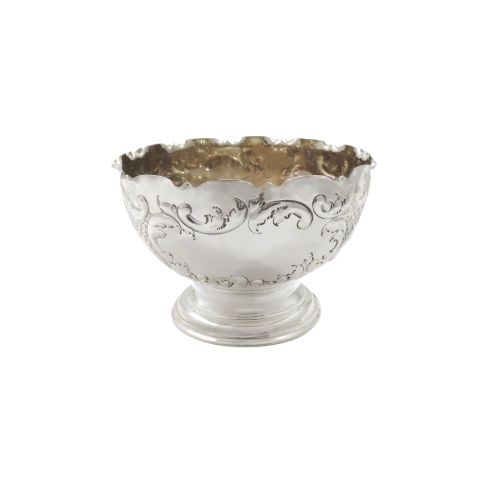
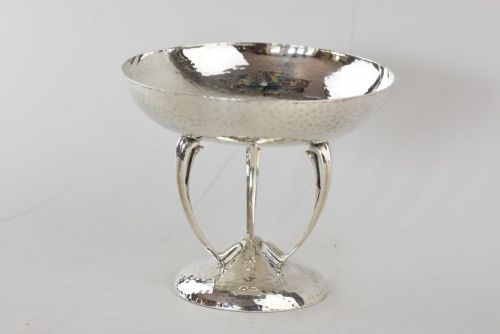
An antique pedestal centrepiece bowl anchors a dining table or sideboard with raised presence, drawing the eye through height and ornament.
Antique Pedestal Centrepiece Bowl
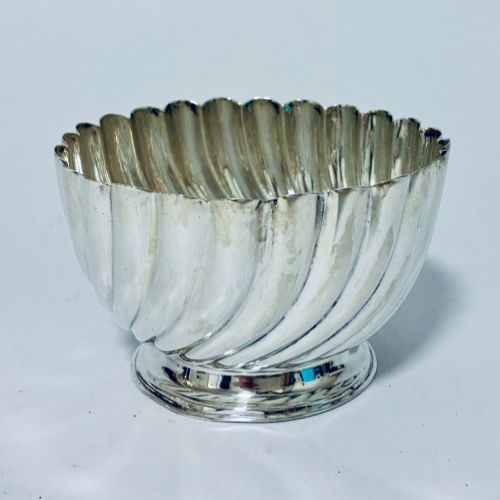
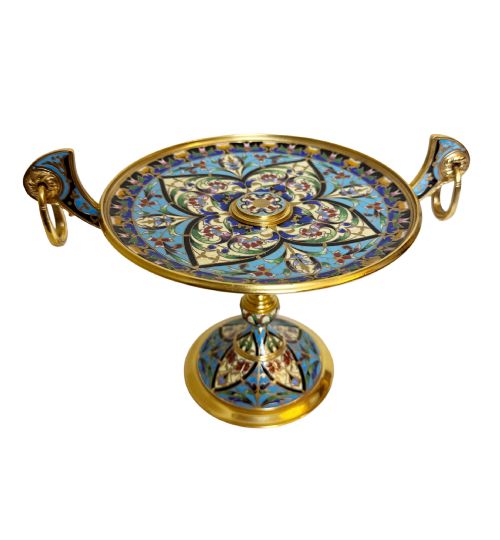
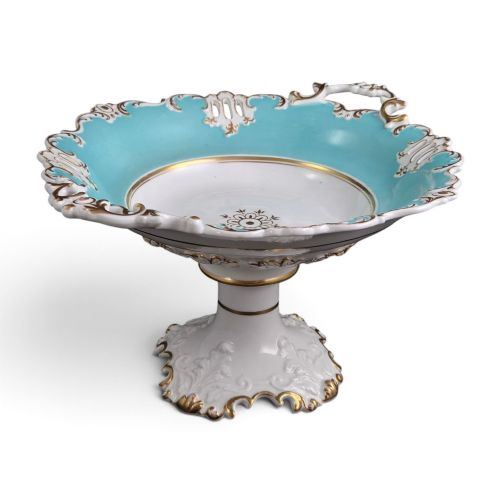
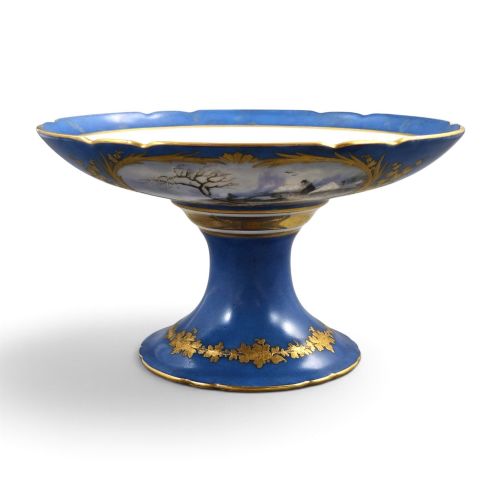
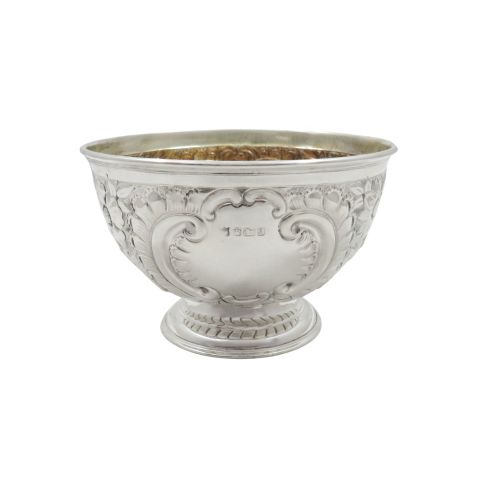
An antique pedestal centrepiece bowl takes many forms across the nineteenth and early twentieth centuries, functioning as a focal vessel for fruit, flowers, or formal display. Buyers searching this phrase meet everything from raised sterling silver dishes and silver plate fruit baskets to porcelain tazzas and cut glass footed bowls.
The objects span varied stylistic movements including Victorian, Rococo Revival, French Empire, Arts and Crafts, Art Nouveau, and Art Deco. Origins range from English workshops and Irish glasshouses to French ateliers and Italian studios.
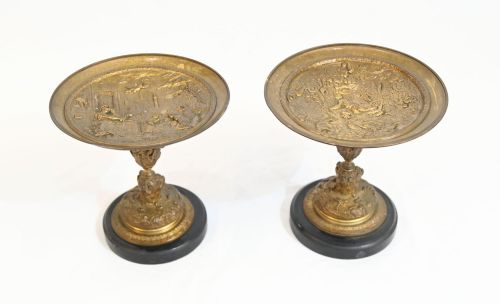
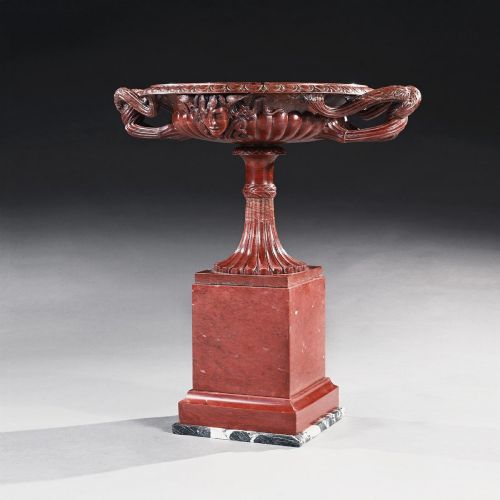
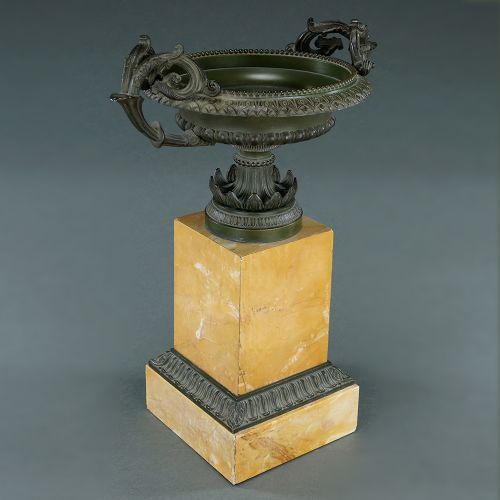
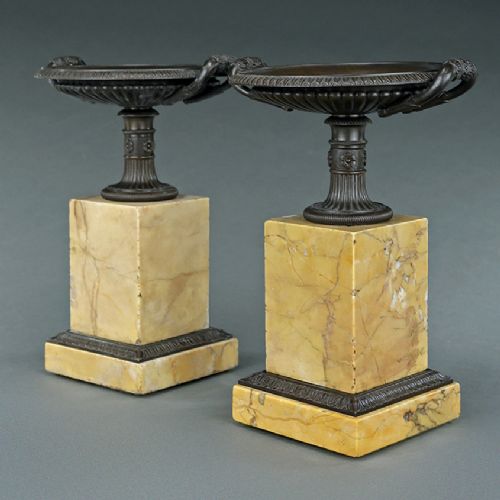
Vessels appear in diverse materials such as gilt bronze, marble, pewter, ironstone, and enamel. Many sit upon a raised foot, stem, or tripod base to elevate the bowl above the surface of the furniture.
How They Were Made
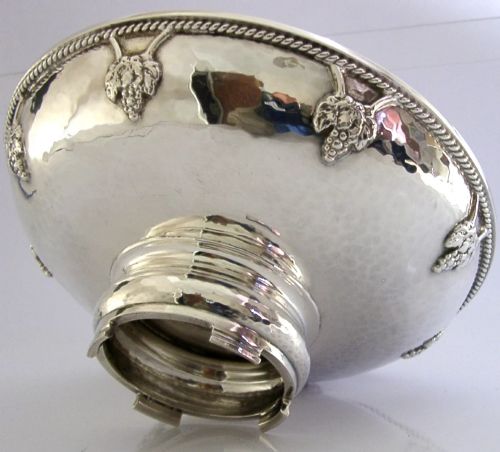
Metals such as sterling silver, silver plate, brass, and pewter were cast, hammered, planished, or repoussé-worked to shape bodies and pedestals. Makers utilised mounts, applied handles, and chased vine or neo-classical motifs onto the surfaces.
Ceramic and glass vessels combined moulding, blowing, cutting, and etching with painted enamels, gilt decoration, and transfer printing. Porcelain and ironstone pieces often fused body clays with rich cobalt blues and polychrome patterns before kiln firing.
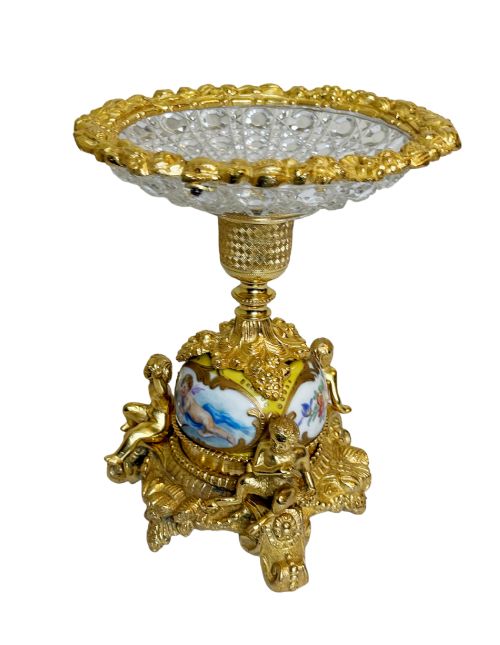
Combination pieces married bronze or gilt metal frames with cut crystal, marble, agate cabochons, or champlevé enamel inserts. These composite constructions required precise mechanical fitting between metal mounts and fragile glass or stone.
Cherubs and fruiting vines frequently peer out from bronze mounts and carved oak bowls.
What Varies in Quality
Quality rests in the crispness of execution, whether in the depth of hand-hammered planishing on silver or the precision of wheel-cutting on heavy crystal. Superior pieces display crisp relief in cast bronze mounts and careful hand-chasing rather than soft, mass-produced moulding.
The integration of mixed materials dictates distinction, separating standard vessels from those with harmonious mounts, tightly fitted marble bases, or balanced patination. Weight, stability on the pedestal foot, and the integrity of applied handles or cherub figures show the maker's discipline.
Goldsmiths and Silversmiths Company London·George W. Scott and Sons Ltd·Liberty and Co·Nathan and Hayes·Benedetto Boschetti·Charles Boyton·Elizabeth Graydon-Stannus
The Antique Pedestal Centrepiece Bowl Glossary
- Tazza
- A shallow bowl or cup mounted on a stem and foot, originating from Renaissance display plate. These vessels serve as formal centrepieces or decorative dishes.
- Comport
- A footed dish or bowl used for serving fruit or sweets at the table. The term appears frequently in nineteenth-century English earthenware and ironstone descriptions.
- Planished
- A metalworking technique involving systematic hammer blows that leave a textured, light-catching finish across the surface. This method is characteristic of Arts and Crafts silver and pewter.
- Repoussé
- A metalworking method where an artisan hammers ornament from the reverse side to form raised designs in relief on the front. This technique defines ornate Victorian and Anglo-Indian vessels.
- Old Sheffield Plated
- An early fusion process where a layer of silver is fused to a copper core by heat and pressure. Pieces made this way reveal thin lines of base metal where wear occurs.
Antique Pedestal Centrepiece Bowl: Frequently Asked Questions
What is a pedestal bowl used for?
These vessels were historically placed in the centre of dining tables to hold fruit, sweetmeats, or decorative floral arrangements during formal meals. Their elevated design ensured guests could converse across the table beneath the display.
Today, they function as standalone decorative objects on sideboards, mantels, or entrance tables. Many collectors continue to use them for seasonal fruit or floral centrepieces.
How do I date a silver centrepiece?
Silver pieces frequently carry hallmarks indicating the assay office, standard mark, and date letter corresponding to specific years of manufacture. Stylistic clues such as neo-classical borders or Art Nouveau whiplash lines also narrow down the era.
Unmarked silver plate or base metal items rely on stylistic shifts and maker stamps for chronological placement. Comparing form and decorative technique against documented examples helps establish the period.
Are glass centrepieces fragile to live with?
Cut glass and crystal pedestal bowls require stable placement away from table edges due to their heavy upper weight and glass composition. Hand washing in lukewarm water protects historical surfaces from thermal shock or detergent damage.
Displaying them on solid wooden furniture or reinforced sideboards ensures safety. Modern placement simply requires mindful handling during cleaning and repositioning.