



Antique Pearlware Pottery
Antique pearlware pottery brings the refined white body and blue-tinted glaze of the Georgian and Regency eras straight to your table.
Antique Pearlware Pottery
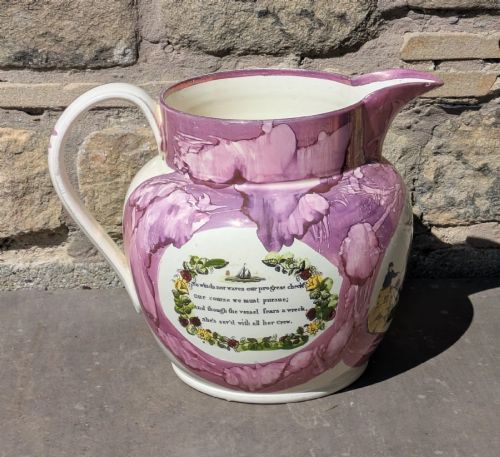
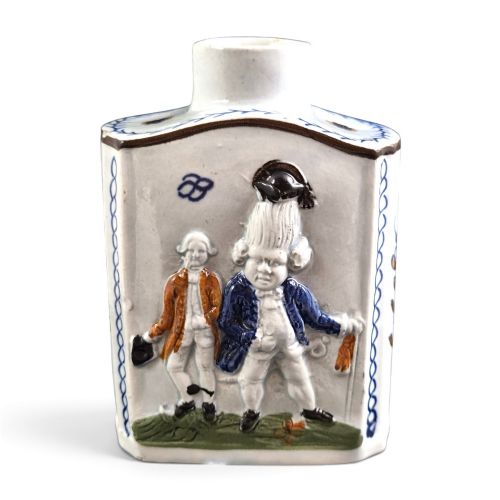
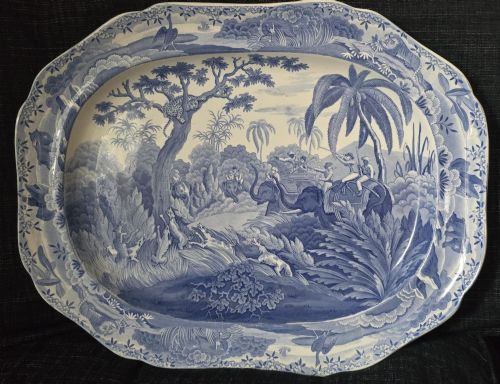
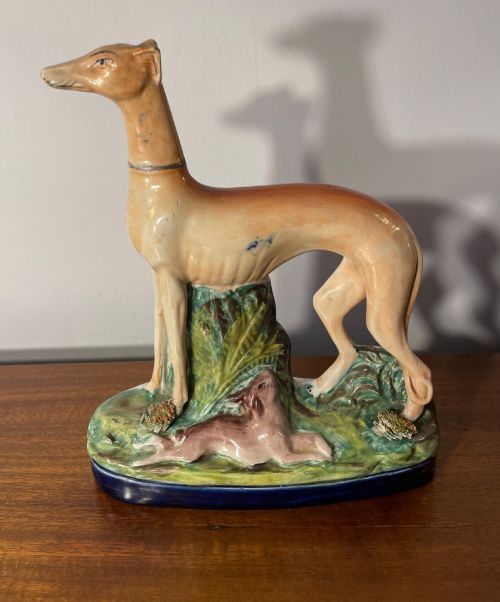
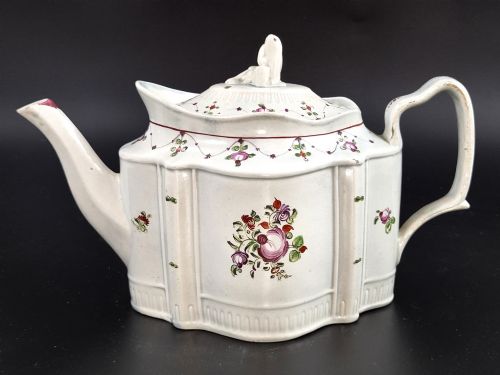
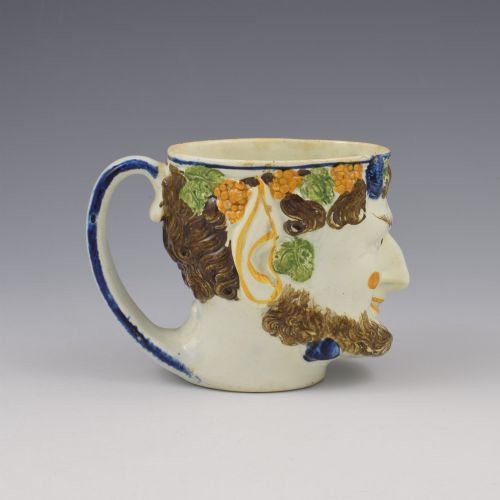
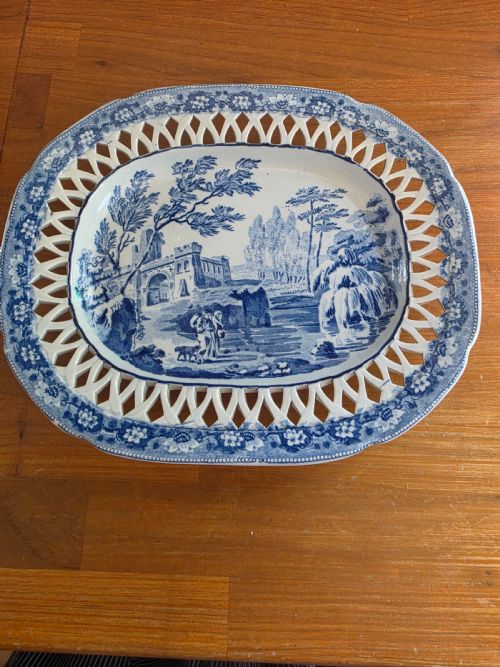
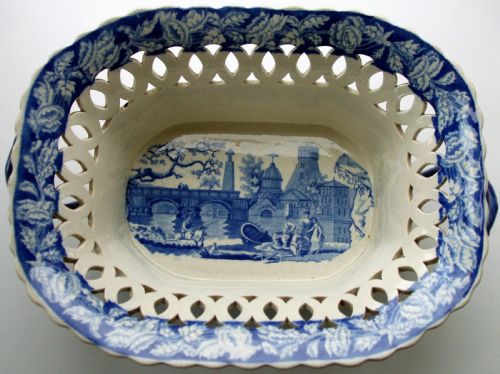
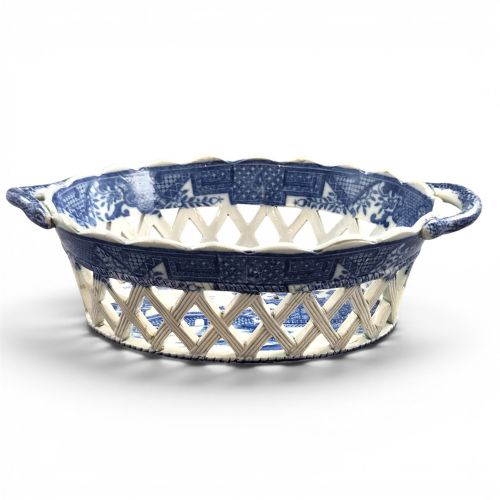
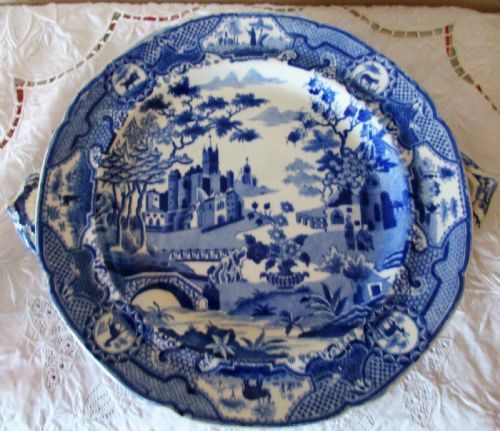
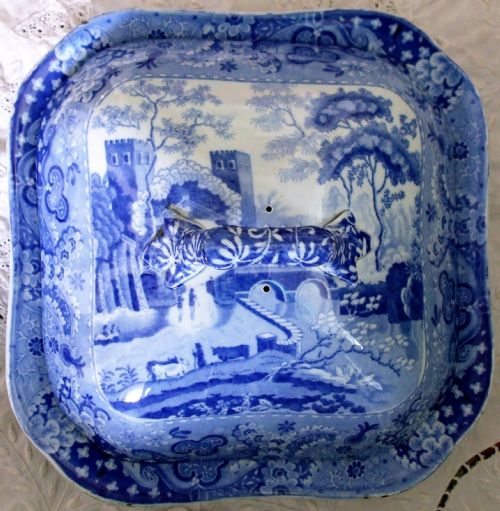
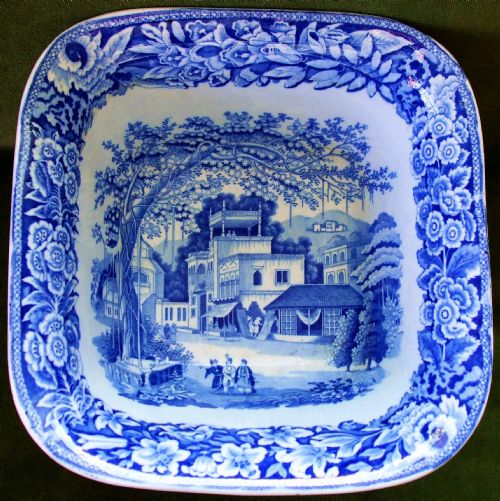
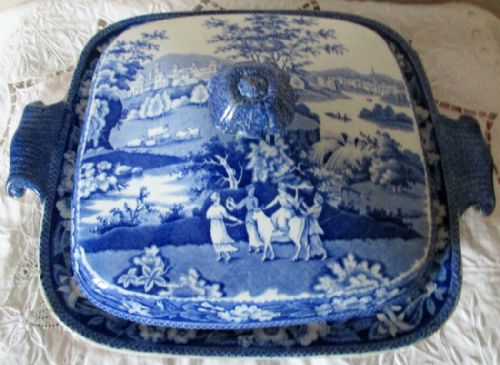
The most common versions on this page are blue and white transfer-printed items depicting landscapes, castle scenes, and classical motifs. You also find hand-painted polychrome wares, often called Prattware, alongside moulded figures like lions, leopards, and biblical groups. Forms range from utilitarian utility pieces such as spoon trays and pounce pots to large platters and chestnut baskets.
Many objects reflect English folk art traditions, including frog mugs and cow creamers produced in Staffordshire and Wales. Makers applied cobalt pigment under the glaze, creating deep blues that contrast sharply with the characteristic pale glaze pooling around handles and feet. These wares bridge the gap between humble utility earthenware and high-status porcelain.
Materials and production techniques
Potters constructed these pieces using refined clay earthenware mixed with calcined flint to achieve a lighter base than standard creamware. Artisans then applied a transparent lead glaze containing small quantities of cobalt oxide, which settled in crevices to produce the signature bluish tint. This formulation required careful firing in kilns to vitrify the ceramic body and set the glaze evenly.
Decoration relied heavily on underglaze blue transfer printing, a technique where engraved copper plates transferred intricate pictorial designs onto tissue paper and then onto the biscuit ceramic. Alternatively, painters applied enamel colours by hand over or under the glaze, utilising cobalt, copper, and iron pigments for blues, greens, and oranges. Potters also shaped figures and vessels in metal moulds before hand-finishing the details.
Antique Pearlware Pottery Retail Price Guide 2026
Typical asking prices for pearlware pottery among the pieces listed under this phrase on Sellingantiques today, from the lower quarter to the upper quarter. They describe what is for sale here now, not the wider market.
Listings span the 18th century, 19th century, Georgian, Regency, and Victorian periods, utilising earthenware, pearlware, cobalt pigment, and lead glaze.
Factors determining quality and execution
Quality rests on the crispness of the transfer print and the uniformity of the glaze pooling. Superior pieces display sharp, clean lines in scenes like the London Bridge or Long Bridge patterns, without blurred edges or smudged cobalt pigment. The pearlware glaze should exhibit an even, pale blue tone rather than patchy discoloration or heavy pooling that obscures the underlying earthenware body.
Spode·George Gordon Morison·Davenport·J. & R. Clews·J. & R. Riley·Stubbs·John Rogers & Son·Ralph Wood·Walton
The Antique Pearlware Pottery Glossary
- Pearlware
- A refined earthenware body developed in the late eighteenth century featuring a white or cream-coloured paste under a bluish-tinted lead glaze.
- Transfer printing
- A decoration method using an engraved copper plate to transfer inked designs onto paper and subsequently onto the ceramic surface before firing.
- Prattware
- A type of earthenware associated with the late eighteenth and early nineteenth centuries, characterised by underglaze painting in ochre, blue, brown, and yellow.
- Frog mug
- A drinking vessel featuring a small ceramic frog moulded inside the base, designed to surprise the drinker as the liquid drained.
- Reticulation
- An openwork or pierced pattern cut into baskets, trays, and serving dishes during the leather-hard stage of manufacture.
Antique Pearlware Pottery: Frequently Asked Questions
What is pearlware?
Pearlware is a refined variety of earthenware created by adding flint to white clay to imitate Chinese porcelain. Potters covered this lighter body with a lead glaze containing cobalt to give it a pale blue hue.
This innovation bridged the gap between heavy creamware and expensive porcelain during the late Georgian era.
How do I identify pearlware?
Look closely at the glaze pooling in crevices, handles, and around the base, where it appears distinctly bluish. The underlying ceramic body should look whiter than older creamware.
Transfer-printed blue and white landscapes or hand-painted polychrome decoration usually indicate this period of production.
Were these pieces used daily?
Many items, including teapots, platters, and mugs, served practical functions in Georgian and Regency households. Utilitarian vessels like frog mugs and commode-shaped teapots saw regular service at dining tables and inns.
More decorative items, such as chestnut baskets and figures, spent time displayed on sideboards or mantelpieces.
What is a frog mug?
A frog mug is a drinking vessel featuring a small, three-dimensional ceramic frog positioned inside the bottom of the mug. As the drinker finished their beverage, the frog appeared unexpectedly.
These novelty items were popular in nineteenth-century taverns and celebratory gatherings.