


Antique Pearl Necklace Charm
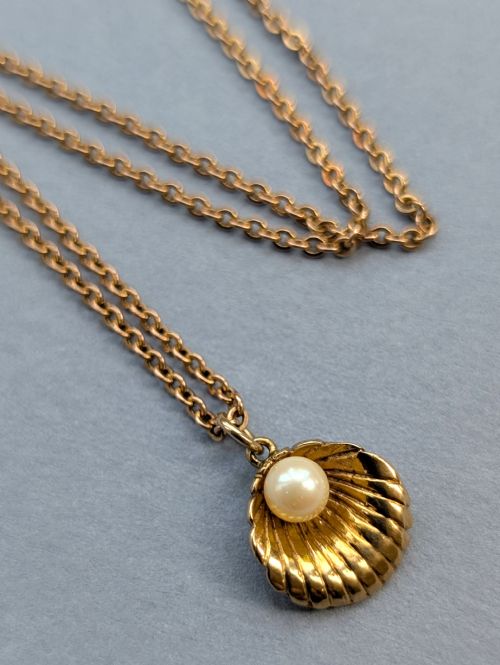
An antique pearl necklace charm is a small, wearable ornament combining lustrous pearls with precious metals from the Georgian, Victorian, and Edwardian eras.
Antique Pearl Necklace Charm
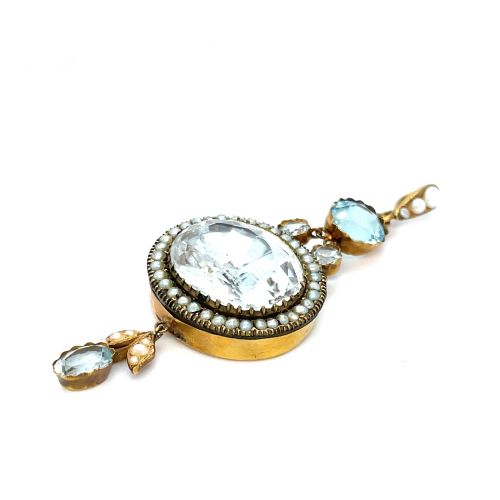
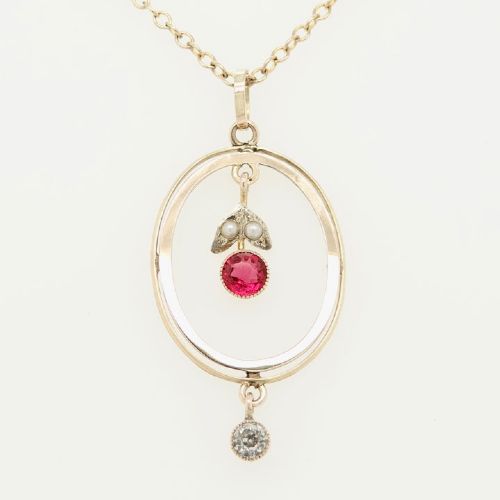
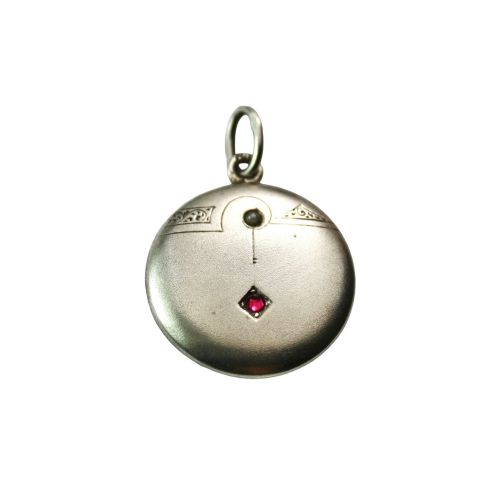
The antique pearl necklace charm category encompasses delicate pendants, lockets, and small motifs designed to suspend from a chain or collar. These pieces span the Georgian, Victorian, and Edwardian periods, alongside later twentieth-century examples.
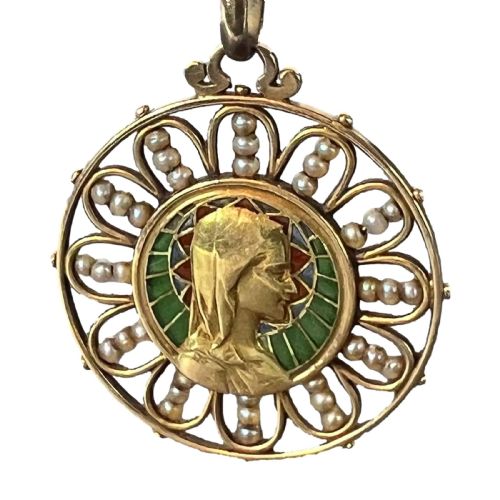
Buyers frequently encounter seed pearl designs, often configured into floral, star, crescent, or heart shapes. These smaller adornments combine pearls with gold or silver mounts to create compact decorative statements.
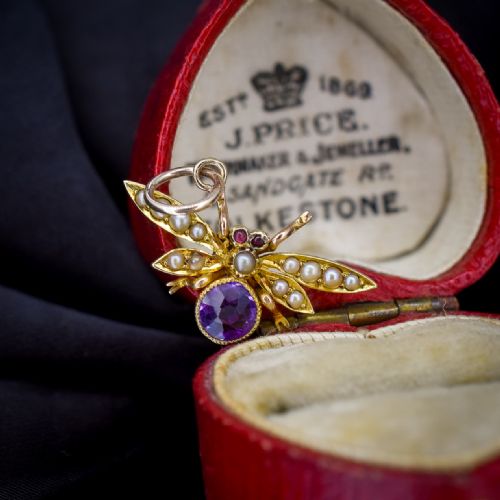
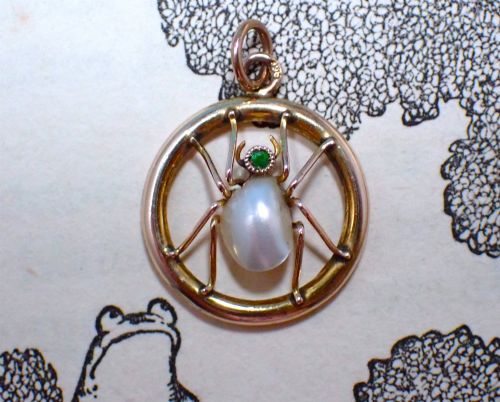
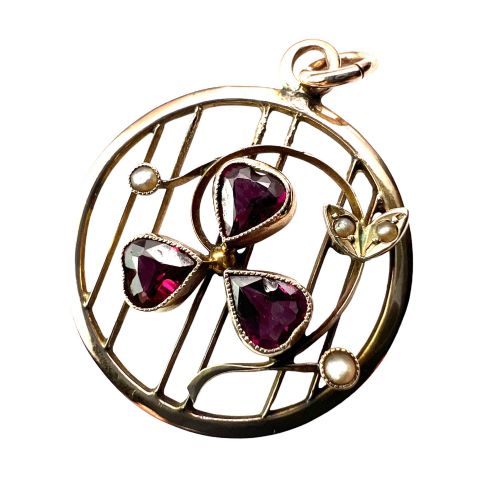
Many items integrate pearls with coloured gemstones such as amethyst, garnet, emerald, sapphire, and tourmaline. Insect, snake, and clover motifs appear alongside classic geometric configurations.
Materials and Construction
Goldsmiths utilised various purities of gold, including 9ct, 15ct, 18ct, and high carat yellow and rose gold, alongside silver and platinum. Pearls and seed pearls are mounted securely into these precious metal settings, often complemented by diamonds, paste, or coloured gemstones.
Craftsmen employed techniques such as fine wirework for seed pearl clusters, foil backing for stones, and enamelling, including plique-à-jour. Structural mounts frequently feature detailed casting, chasing, and stone-setting appropriate to the period.
Design styles span Victorian celestial, Edwardian hearts, Art Nouveau, and Art Deco geometric motifs.
Distinctions in Quality
Quality rests in the precision of the metalwork and the uniformity and lustre of the pearls employed. Finer pieces demonstrate meticulous hand-assembly where seed pearls are individually set and matched for colour and orient.
The sophistication of the design dictates distinction, separating standard production items from masterworks featuring complex gemstone pairings, articulated components, or specialist enamel work.
Knoll and Pregizer
The Antique Pearl Necklace Charm Glossary
- Seed Pearl
- Very small, naturally formed pearls, often drilled and threaded or glued onto fine wire frames to form floral or geometric clusters in antique jewellery.
- Plique-à-jour
- An enamelling technique where enamel is applied to a cellular framework without a backing, allowing light to shine through the transparent or translucent colour.
- Paste
- Hand-cut and polished lead glass used historically as an imitation gemstone, valued for its own brilliance and historical setting rather than as a mere substitute.
- Baroque Pearl
- An irregular, non-spherical pearl prized for its unique organic shape and irregular lustre.
- Foil Backing
- The placement of a thin sheet of coloured metallic foil behind a gemstone or glass paste to enhance its colour and reflective brilliance.
Antique Pearl Necklace Charm: Frequently Asked Questions
What periods do these charms come from?
The pieces span multiple historical eras, with examples originating from the Georgian, Victorian, Edwardian, and Art Deco periods. Mid-century items also appear within the selection.
Each period introduces distinct stylistic traits, from Georgian floral motifs to Victorian celestial designs and Edwardian heart shapes.
How were these charms worn historically?
These items functioned primarily as pendants or charms suspended from fine gold or silver necklaces, chains, and chatelaines. They were designed to sit near the neckline as personal adornments.
Many incorporated hidden compartments or double-sided glazing to hold miniature portraits or locks of hair.
What metals support the pearls?
Goldsmiths mounted pearls in 9ct, 15ct, and 18ct yellow or rose gold, alongside silver. The metal purity often reflects the manufacturing date and geographic origin of the item.
Silver was frequently utilised in earlier and Edwardian settings, sometimes backed with gold to prevent tarnishing against clothing.
How do I identify a seed pearl piece?
Seed pearl pieces feature hundreds of tiny, closely set pearls arranged to form petals, stars, crescents, or hearts. The pearls are typically secured on thin pins or wires over a solid metal backing.
Close inspection reveals individual setting work, distinguishing genuine period wirework from later glued reproductions.