


Antique Pastry Table
An antique pastry table offers a solid marble or wood workspace built for domestic and commercial kitchens, bringing durable utility and classic charm into modern homes.
Antique Pastry Table
When you search for an antique pastry table, you encounter robust kitchen preparation surfaces originating mainly from the nineteenth and early twentieth centuries. These pieces reflect utilitarian workshop designs intended for rolling dough and kneading bread efficiently.
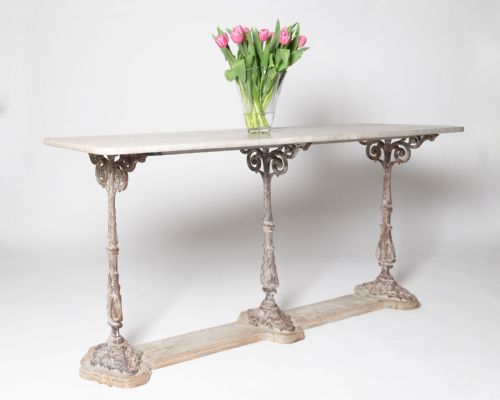
The most common versions on this page combine heavy marble tops with iron, pine, or oak bases. Examples span Victorian English kitchen furniture and French bistro or patisserie styles.
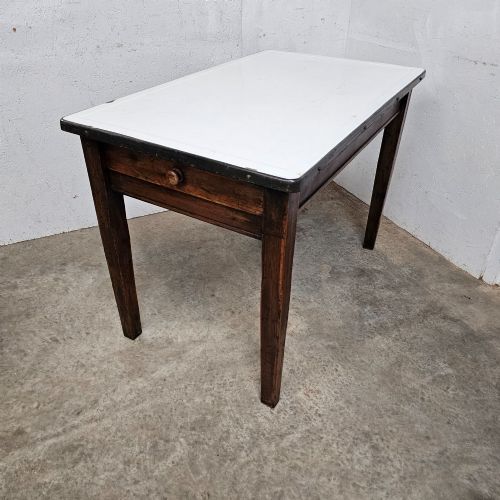
Makers utilised pine, oak, and wrought or cast iron alongside marble to construct sturdy utility tables that handled daily culinary demands. Surviving forms range from simple prep tables to console variants fitted with twin drawers.
How they were made
Makers constructed these tables using heavy slabs of white marble paired with robust wooden frames in pine and oak. Marble provided the cool, non-stick surface essential for pastry work.
Structural support relied on cast iron or wrought iron bases, often found in French patisserie and bistro designs. Carpenters joined wooden frames with durable joints to withstand the heavy downward pressure of kneading.
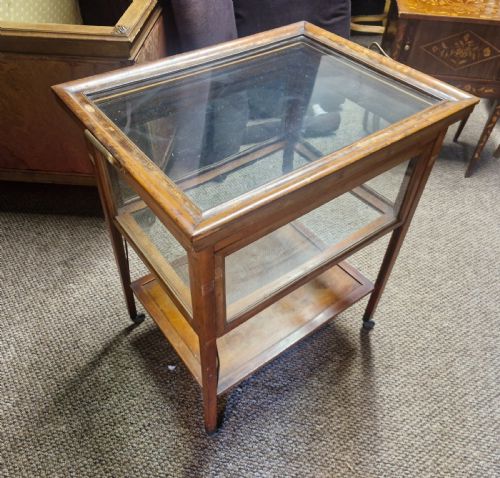
Some iterations incorporated metal wheels or drop sides, while others featured vitreous enamel and brass details to enhance daily functionality.
What varies in quality
Quality separates through the integrity of the materials, particularly the thickness and figuring of the marble slab. Superior tables feature heavy, unblemished stone paired with dense hardwood or substantial iron bases.
The Antique Pastry Table Glossary
- Patisserie
- A French pastry shop or the style of furniture associated with baking and confectionary preparation. These tables often feature marble tops suited for rolling dough.
- Pine
- A softwood utilised extensively for secondary furniture framing and painted country tables. It provided an accessible material for nineteenth-century workshops.
- Wrought iron
- Iron beaten into shape by hand or machine, forming durable structural bases for French bistro and bakery tables. It offers high tensile strength.
- Vitreous enamel
- A material made by fusing powdered glass to a substrate by firing, seen on select prep tables for a smooth, hygienic surface.
Antique Pastry Table: Frequently Asked Questions
What is an antique pastry table?
An antique pastry table is a functional work surface originally built for kitchens and bakeries to roll dough and prepare food. They typically feature heavy stone or wooden tops.
Surviving examples date from the nineteenth and early twentieth centuries, reflecting utilitarian French and English workshop traditions.
Why use a marble top table?
Marble remains naturally cool to the touch, preventing butter and fats from melting while kneading pastry dough. This thermal property made it the preferred surface for bakers.
Additionally, the smooth stone provides a hygienic, easy-to-clean workspace for food preparation.
Where were these tables made?
These utility tables originate from various European workshops, with many surviving examples hailing from France and England. French pieces frequently pair iron bases with marble.
English variants more commonly utilise oak or pine frames, sometimes incorporating drawers for kitchen utensils.
How do I care for marble?
Marble requires gentle cleaning with mild, non-acidic soap and warm water to protect the polished surface from staining and etching. Avoid harsh chemical cleaners.
Applying a suitable stone sealer periodically helps guard against moisture and culinary oils.