



Antique Pastoral Oil
When you search for antique pastoral oil paintings, you enter a quiet world of grazing herds, riverbanks and sunlit meadows rendered in rich pigment.
Antique Pastoral Oil
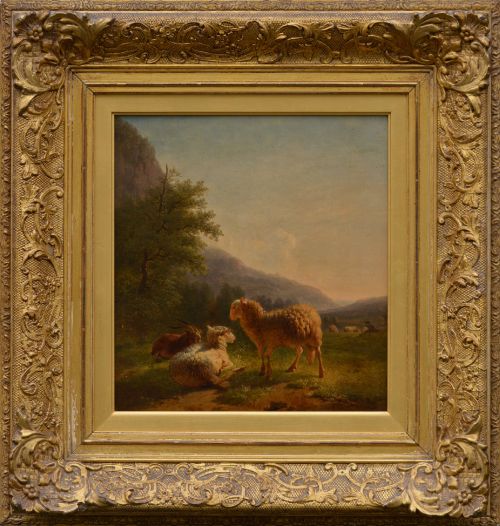
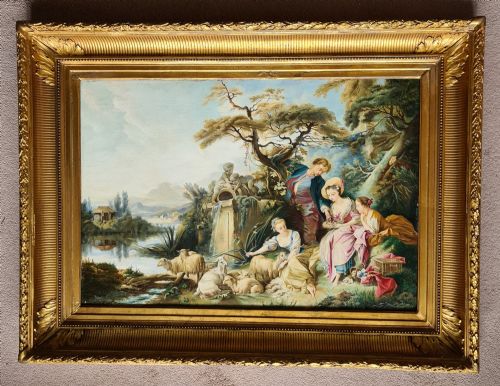
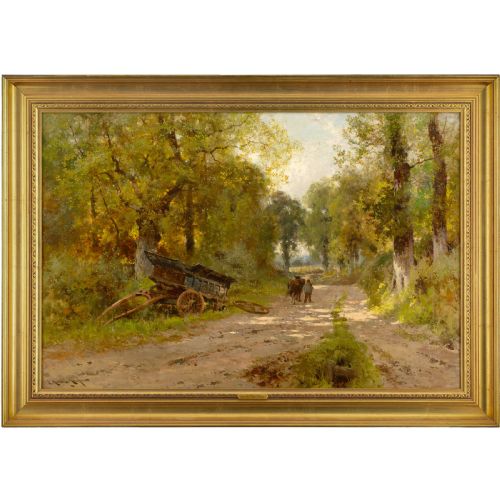
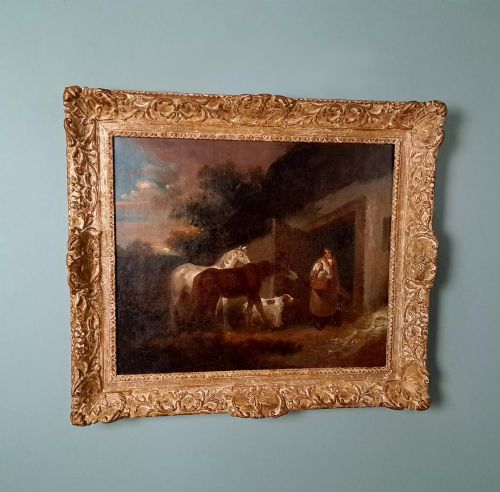
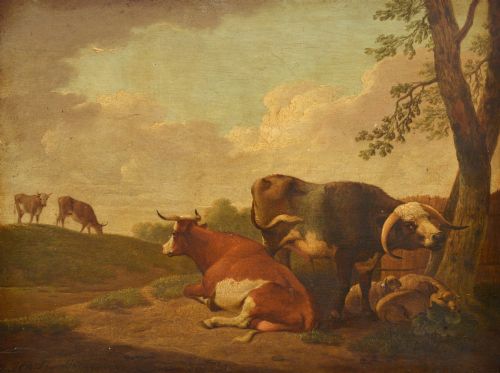
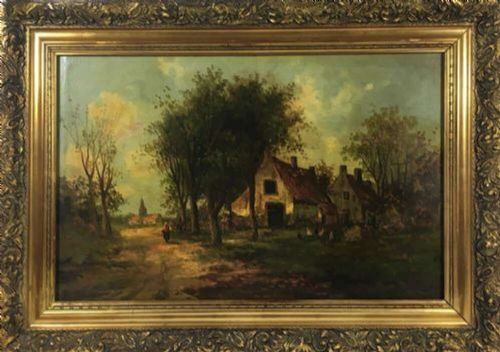
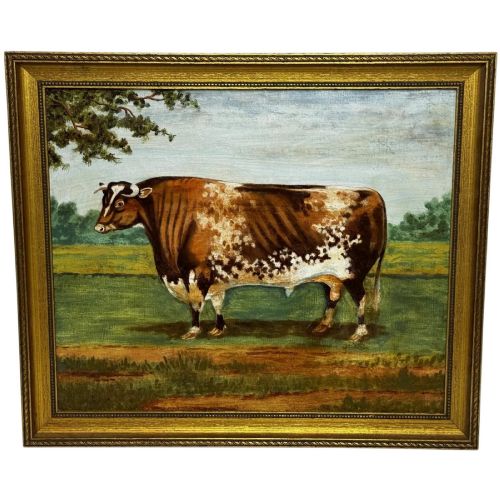
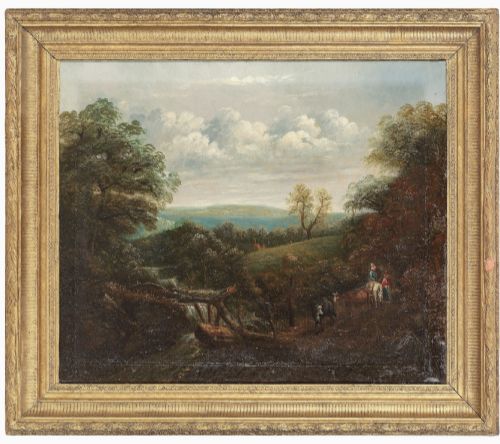
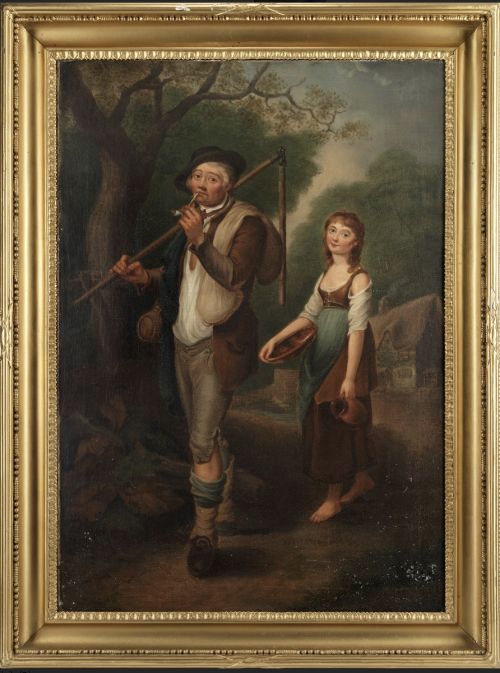
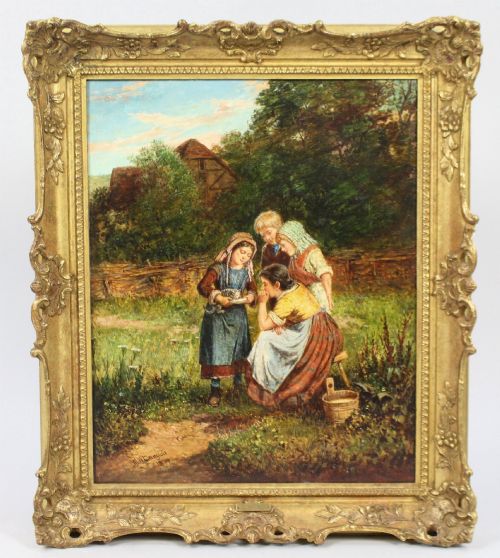
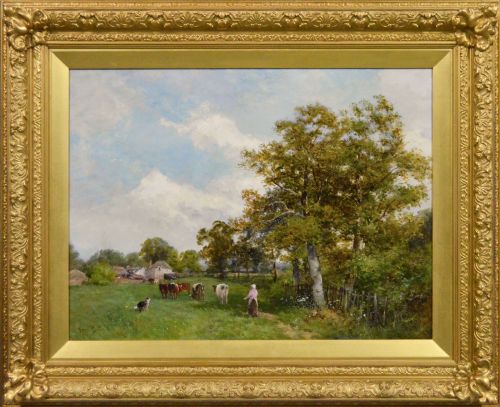
An antique pastoral oil presents rural scenes of shepherds, cattle, sheep and farmworkers set within 18th, 19th and early 20th-century British and European landscapes. These works capture idyllic agricultural life, river views and wooded pastures through the eyes of academic realists and impressionists alike.
The selections available range from intimate wood panel sketches by provincial artists to expansive canvases signed by known continental and British painters. Buyers frequently encounter framed landscape compositions depicting livestock, harvest fields and quiet country paths.
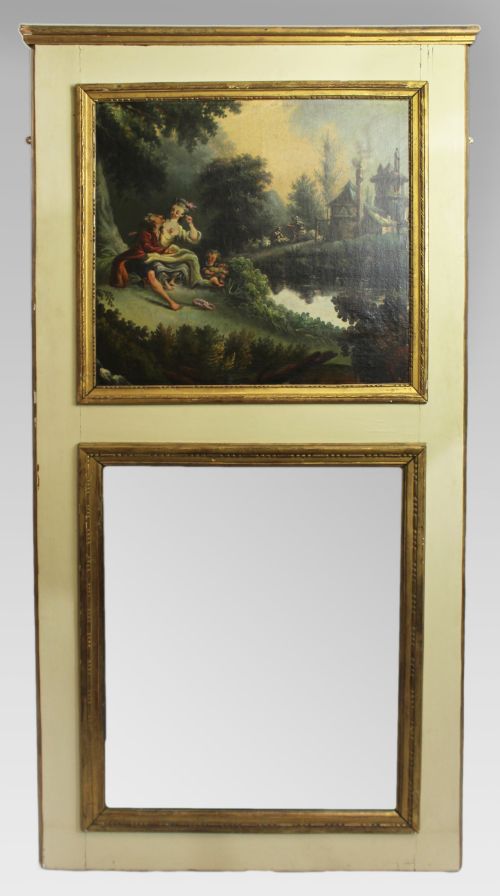
Period wall art includes framed oils integrated into decorative furnishings such as French trumeau mirrors, alongside traditional gilt-framed wall hangings. The predominant eras represented span the Georgian, Victorian and Edwardian periods.
How they were made
Artists applied oil paint using brushes and palette knives onto prepared surfaces, primarily utilising woven canvas or solid wood panels. Canvas supports were often stretched over wooden frames, whilst smaller works favoured wooden boards or panels.
Many surviving pieces retain their original surrounds, constructed from carved wood, gesso and gold leaf. Giltwood and gesso frames provide structural support and historical context, often featuring elaborate ornamentation characteristic of the period.
Listings feature 19th-century realists, British impressionists and European schools working in oil on canvas and wood.
What varies in quality
The distinction between ordinary and exceptional works lies in the handling of light, anatomical precision of figures and animals, and the depth of the composition. Master painters balanced atmospheric perspective with confident brushwork, whereas naive or provincial pieces relied on simpler forms and flat colour application.
Material preservation significantly influences overall merit, distinguishing works that retain vibrant pigment layers and original stretchers from those marred by heavy restoration. The craftsmanship of the accompanying frame, particularly carved and gilded wooden surrounds, further elevates the standing of a piece.
Eugène Verboeckhoven·Thomas Sidney Cooper·Jacob Philipp Hackert·Hendrik Willem Schweickhardt
The Antique Pastoral Oil Glossary
- Canvas
- A heavy woven fabric stretched across a wooden frame to serve as a support for oil painting. It provides a textured surface that interacts with layered pigment.
- Gesso
- A plaster-like mixture applied to wood or canvas to create a smooth, stable base for painting or gilding. It frequently forms the relief decoration on antique frames.
- Panel
- A flat piece of wood used as a rigid support for painting instead of fabric. Panels were favoured for smaller, detailed works throughout the 19th century.
- Pentimento
- An alteration in a painting where an earlier layer of brushwork shows through the upper paint. This spontaneous change reveals the artist's evolving composition.
- Trumeau
- A decorative wall mirror featuring an oil painting set into the upper portion of the wooden frame. These dual-purpose furnishings originated in 18th-century France.
Antique Pastoral Oil: Frequently Asked Questions
What is a pastoral painting?
A pastoral painting depicts idealized rural scenes focusing on agriculture, shepherds, livestock and quiet countryside landscapes. These artworks romanticise traditional farming life and the natural environment.
Originating centuries ago, the genre gained immense popularity during the Victorian era. Artists sought to evoke peace and nostalgia through depictions of rivers, valleys and grazing animals.
How do I identify the period?
Dating relies on stylistic clues, the type of support used, and framing materials. Canvas types, stretcher construction and handwritten notes on the reverse often point to specific decades.
Examining the clothing of figures and the artistic conventions of the school represented helps narrow down the era. 18th-century works lean towards classical composition, while 19th-century pieces embrace realism and impressionism.
Where should I hang these?
These works suit traditional living spaces, studies and hallways where ambient light enhances the oil pigments. They pair well with period furniture, wood panelling and neutral wall colours.
Avoid placing canvases in direct sunlight or damp areas to protect the delicate paint layers and wooden panels. Stable indoor temperatures preserve both the artwork and its original frame.