


Antique Pastoral Canvas Artwork
When you seek antique pastoral canvas artwork, you look for evocative scenes of rural life painted in oil across centuries.
Antique Pastoral Canvas Artwork
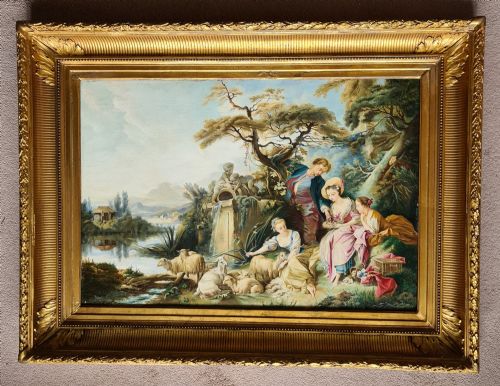
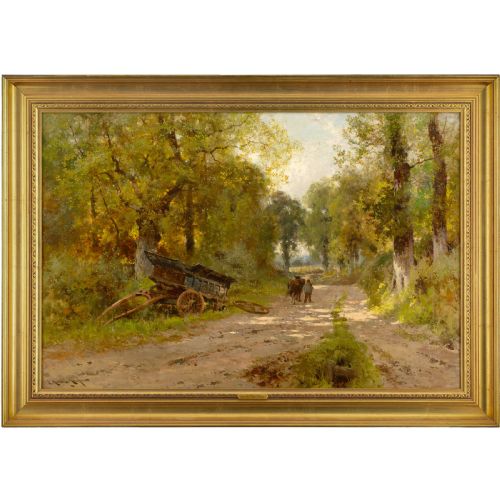
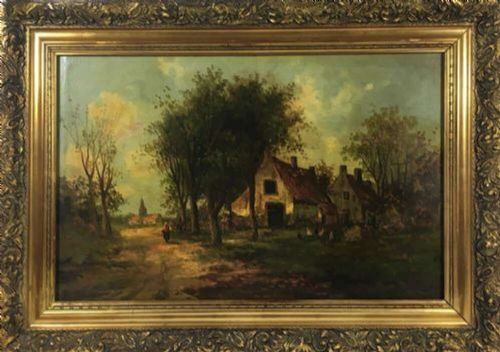
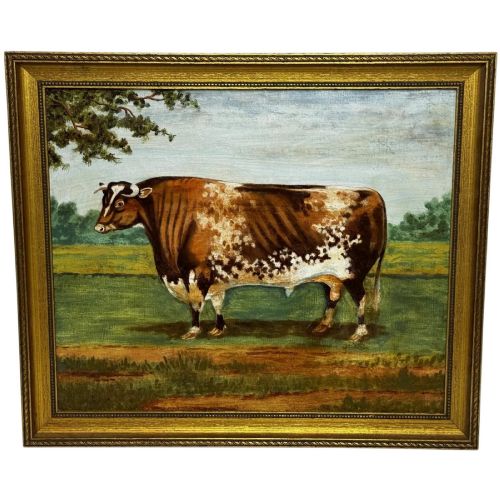
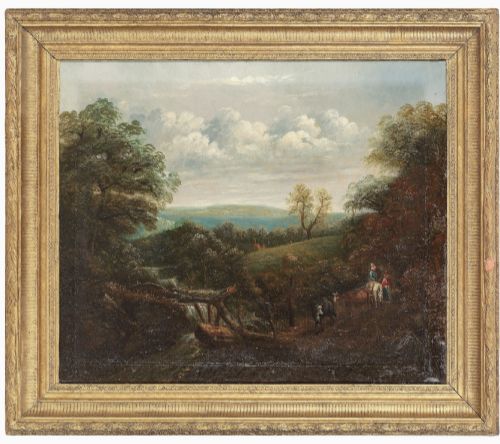
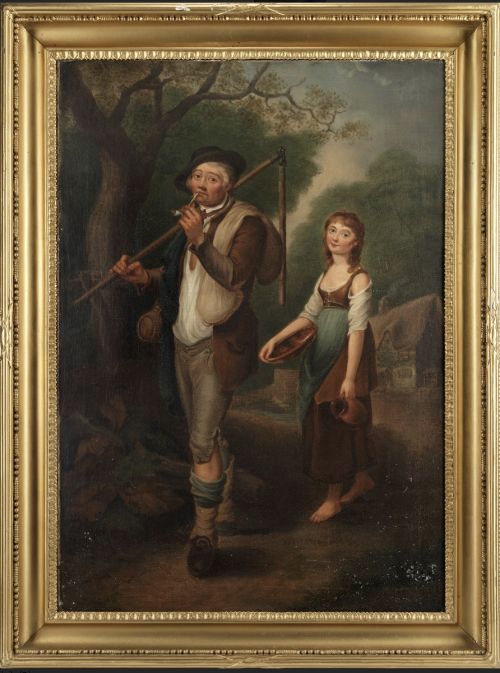
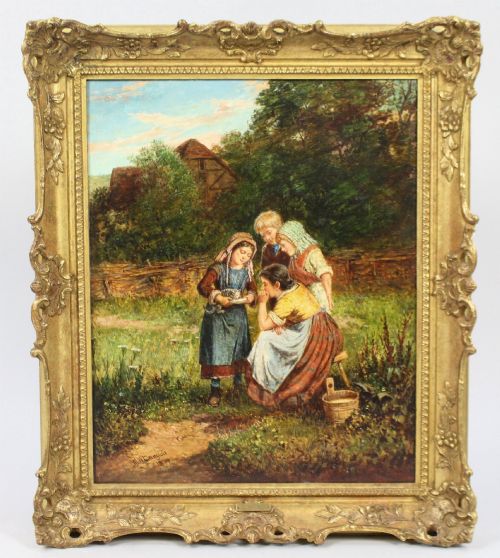
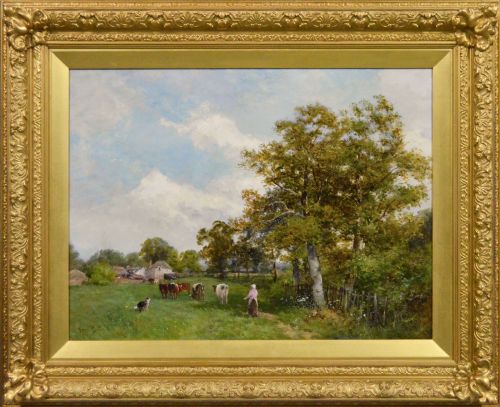
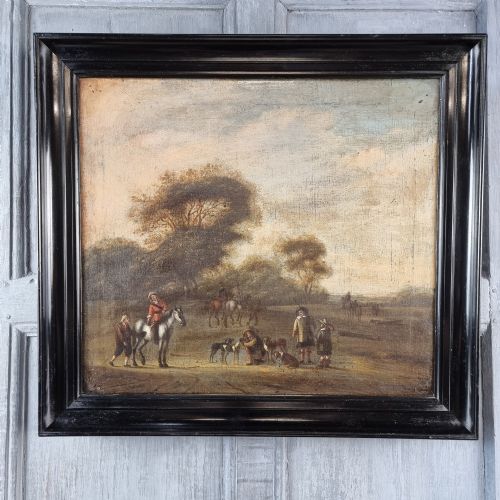
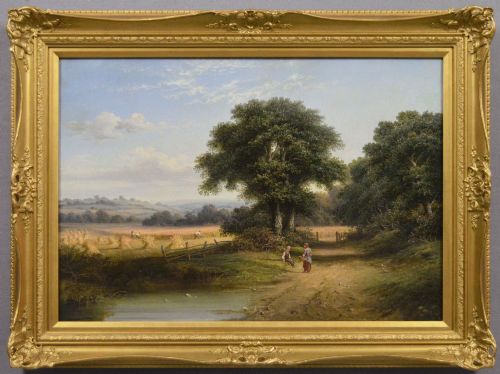
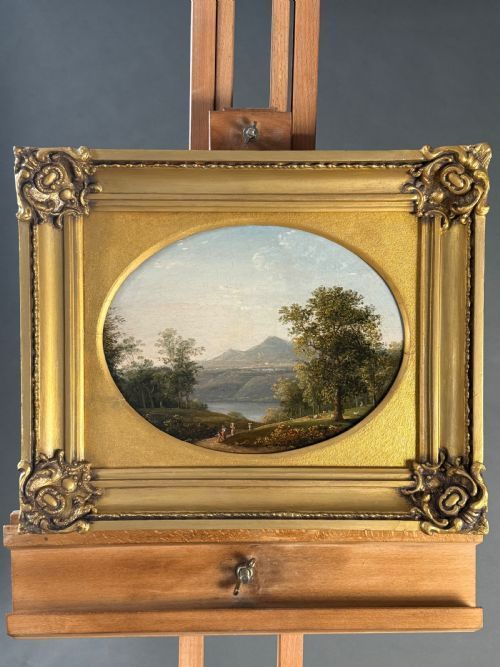
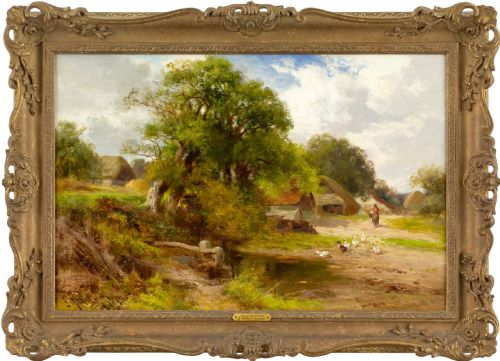
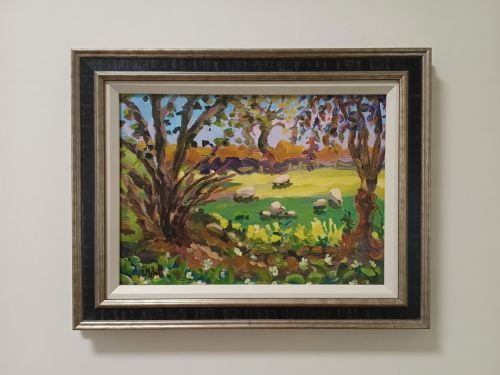
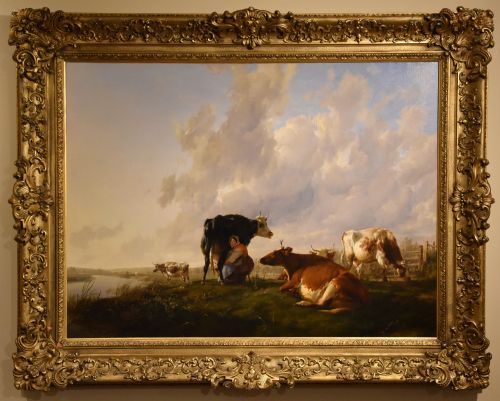
Antique pastoral canvas artwork comprises oil paintings depicting rural landscapes, farmyard scenes, shepherds, livestock, and country figures. These works span from the late seventeenth century through the Edwardian period, capturing changing interpretations of the countryside across British, French, and Italian schools.
How they were made
Artists painted primarily in oil on stretched canvas, utilising oil paint layered to build depth in skies, foliage, and animal coats. Canvas supports were prepared with grounds before application of the pigments.
Framing utilised carved wood embellished with gesso and gilt, providing structural support and ornamentation tailored to the aesthetic of the nineteenth and earlier centuries.
Framing materials recorded include wood, giltwood, and gesso.
What varies in quality
Quality rests upon the handling of light, anatomical precision in animal and human figures, and the expressive depth of the landscape composition. Masterful works demonstrate confident brushwork and atmospheric harmony.
The integrity of the original canvas surface, the subtlety of the oil layering, and the preservation or period-correct status of the giltwood frame significantly influence the standing of each painting.
Eugène Verboeckhoven·William H Myers·John Horace Hooper·Thomas Barker of Bath·Mark William Langlois·David Bates·Walter Heath Williams·Jacob Philipp Hackert·Thomas Sidney Cooper·Ernest Higgins Rigg·Robert Watson·Albert Rieger·William Watson Jnr·Douglas Cameron·Johann Friedrich Voltz·Henry H Parker·Jan Miel·John Emms·A M Gauci·Charles Clair·Charles Zacharie Landelle·William Henry Mander
The Antique Pastoral Canvas Artwork Glossary
- Canvas
- A heavy woven fabric used as a surface for oil painting. It is typically stretched over a wooden frame before pigment is applied.
- Giltwood
- Wood decorated with gold leaf or a gilt finish. It is commonly found on the decorative frames enclosing these paintings.
- Gesso
- A plaster-like mixture applied to wood frames to create a smooth surface for gilding. It provides crisp detail to moulded frame ornaments.
- Barbizon School
- A nineteenth-century French art movement focused on realism in landscape painting. Painters of this circle drew inspiration from direct observation of nature and rural life.
- Grand Tour
- A traditional cultural excursion of Europe undertaken by upper-class Europeans. Resulting artworks typically depicted Italian landscapes and classical scenery.
Antique Pastoral Canvas Artwork: Frequently Asked Questions
What defines a pastoral painting?
A pastoral painting depicts rural life, agriculture, shepherds, and domesticated animals within a countryside setting. These scenes often romanticise agrarian existence and natural harmony.
Subjects typically include livestock near rivers, figures gathered by country paths, and rolling valleys captured in varying daylight.
How do I care for an oil painting on canvas?
Keep the canvas away from direct sunlight, high humidity, and extreme temperature fluctuations to prevent cracking or warping. Dust the surface gently with a soft, dry brush without applying pressure.
Avoid using water, chemical cleaners, or damp cloths on the paint or the giltwood frame.
How can I tell the period of a canvas?
Dating relies on the style of the brushwork, the composition, the stretcher frame construction, and the type of canvas weave. Pigment analysis and the accompanying frame also offer strong chronological clues.
Signatures, inscriptions, and artist records help narrow the decade of creation.
What is the Barbizon influence?
The Barbizon influence stems from a French movement prioritising naturalistic landscape painting over classical academic formulas. Artists emphasised atmospheric effects and everyday rural realism.
Paintings showing this influence feature looser brushwork and unidealised depictions of farmyards and woodland.