


Antique Pastel Picture
When you search for an antique pastel picture, you step into a world of delicate pigment drawings spanning from Georgian portraiture to mid-century landscapes.
Antique Pastel Picture
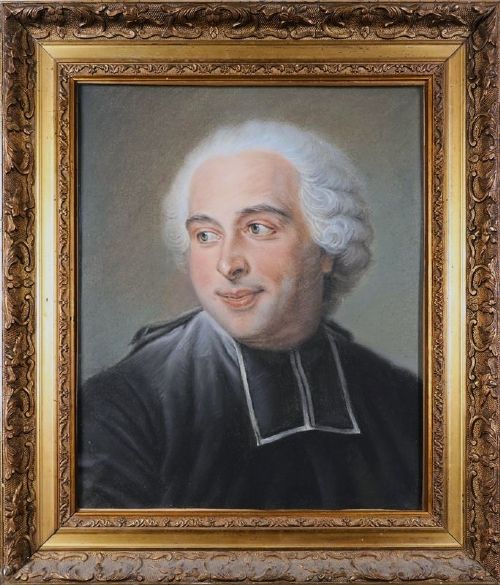
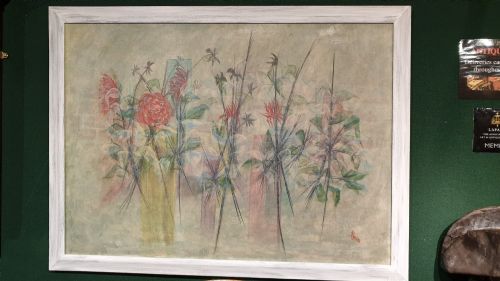
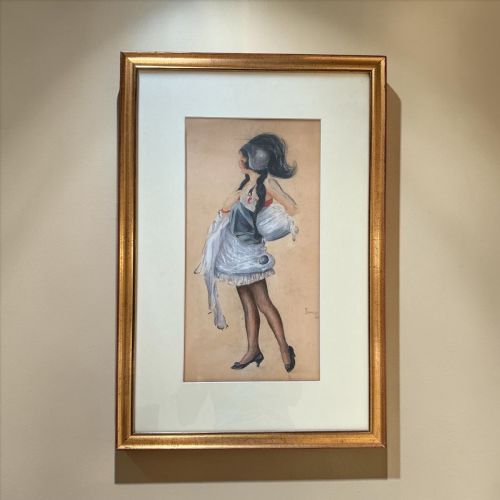
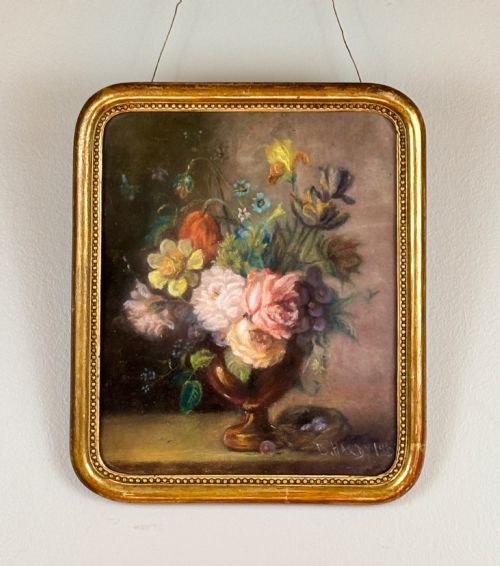
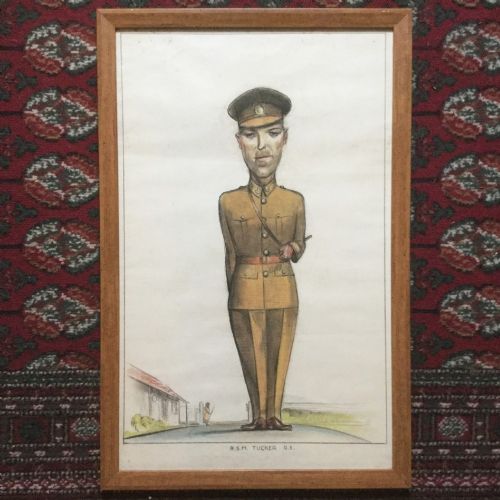
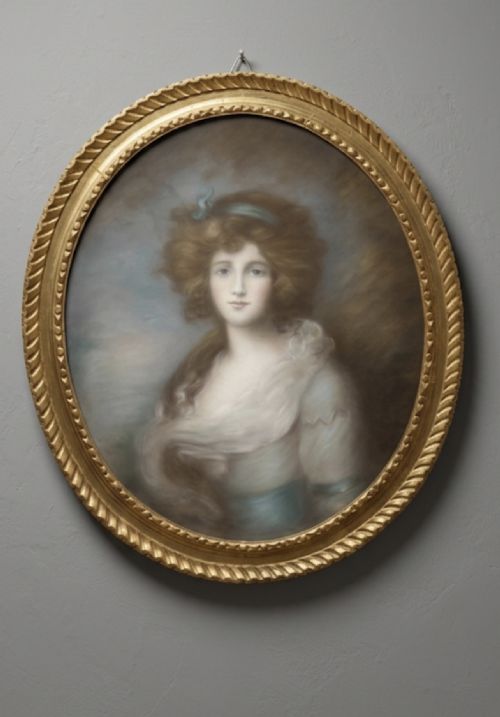
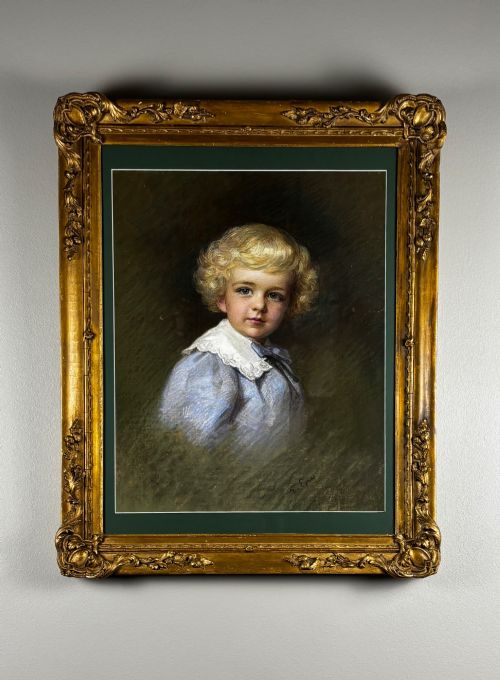
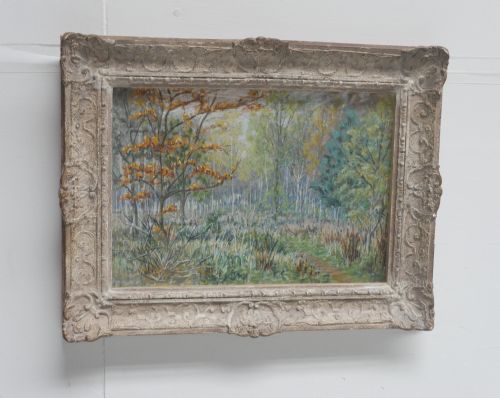
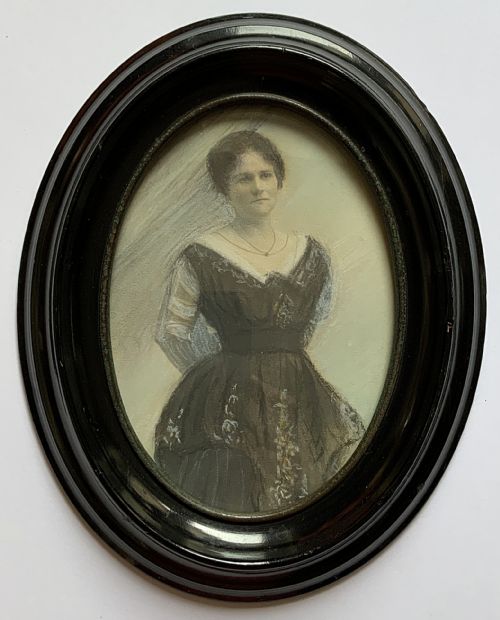
An antique pastel picture is a work of fine art executed primarily with dry pigment sticks, capturing subjects ranging from intimate human portraits to expansive rural landscapes and city streets. The pieces available here span from the Georgian and Victorian eras through the Edwardian period into the mid-twentieth century, including French school works and English school compositions. You will encounter framed pastel drawings, gouache mixes, and canvas works that reflect changing artistic movements such as Impressionism and Art Deco.
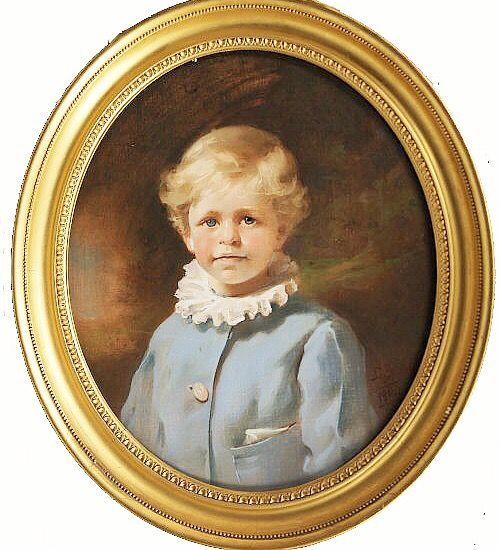
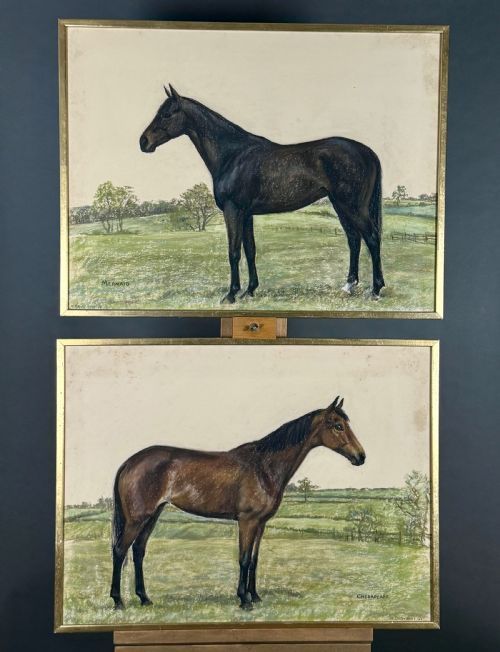
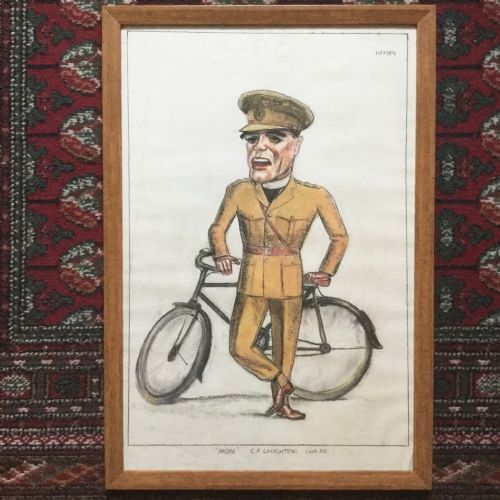
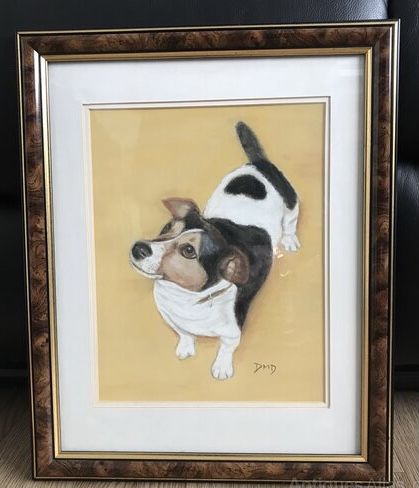
Portraits dominate the earlier centuries, featuring specific sitters like army officers, young ladies, and historical figures, while later decades introduce dynamic street scenes, animal studies, and coastal views like Polperro Harbour. These works frequently arrive preserved behind glass within wooden, giltwood, or walnut frames that complement the delicate nature of the medium. The formats vary from miniature ovals to huge landscape studies measuring several feet across.
How these pieces were made
The primary material is dry pastel applied to paper, card, or canvas, often combined with gouache, watercolour, chalk, or ink pen to build depth and detail. Artists ground pigments and bound them into workable sticks, laying down strokes that rely on the tooth of the paper to hold the chalk dust in place. Watercolour and gouache underdrawings frequently served to establish the base composition before the final pastel layers were applied.
Protection of the fragile surface was paramount, leading makers to mount these drawings behind glass in wooden or gilded frames. Heavier supports like canvas or board appear in specific Victorian and Art Deco pieces, offering greater structural rigidity than paper alone while still accepting the soft pigment.
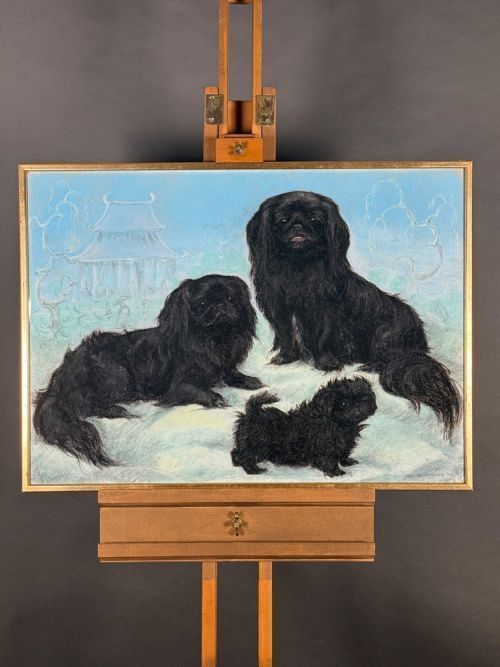
Several pastel portraits capture spirited domestic animals, including three black Pekingese dogs and a nursery poodle.
What varies in quality
The integrity of the framing materials and the degree of pigment preservation also mark the upper tier of works. Original giltwood and walnut frames alongside minimal pigment loss indicate superior historical care and craftsmanship.
Maurice Quentin de la Tour·Leon Sprinck·Thomas Gainsborough·Emily Eyres·Joseph Knight·Cecil Charles Windsor Aldin·Berthe des Clayes·Denis William Reed·Robert Faulkner·Willem E. Roelofs·John Abernethy Lynas-Gray·Josiah Gilbert·John Parry·Henry Bright·Gerrit Schipper
The Antique Pastel Picture Glossary
- Pastel
- A dry art medium in the form of a stick, consisting of powdered pigment and a binder. It produces colours that closely resemble the natural dry pigments.
- Gouache
- An opaque water-based paint often used alongside pastel to add solid highlights and body to works on paper. It provides a dense matte finish.
- Giltwood
- Wood carved and covered with a thin layer of gold leaf or gold paint. This finish frequently decorates the frames surrounding fine portraits and landscapes.
- Impressionism
- An art style characterised by relatively small, thin, yet visible brush strokes and an accurate depiction of light. Works in this vein focus on transient effects.
- Gilt
- Covered thinly with gold leaf or gold paint. Gilt frames add a traditional ornamental border to antique drawings.
Antique Pastel Picture: Frequently Asked Questions
What is an antique pastel picture?
An antique pastel picture is a historical work of art created using coloured chalk sticks on paper, canvas, or board. These pieces record portraits, landscapes, and daily scenes by past artists.
They offer a direct look into historical aesthetics, preserving the soft textures and vibrant tones of dry pigments across centuries.
How should I display a pastel drawing?
Pastel drawings require framing behind glass to protect the fragile, unvarnished pigment surface from touch, dust, and moisture.
Keep them away from direct sunlight to prevent the delicate colours from fading over time.
How do I date an antique pastel?
Dating relies on the style of the clothing in portraits, the framing materials, artist signatures, and inscriptions on the reverse. Victorian and Georgian pieces often feature specific clothing styles and paper watermarks.
Comparing the technique to known dated works by the same school or artist helps narrow down the decade.
Are pastels the same as paintings?
While pastels use pigment like paintings, they are technically drawings because the medium is applied in dry stick form rather than wet paint. However, heavily worked pastels are frequently referred to as pastel paintings.
The finished visual effect can match the depth and coverage of oil on canvas, especially when combined with gouache.