

Antique Parquetry Furniture
Antique parquetry furniture brings geometric timber surfaces and continental proportion into a room, spanning bureau plats, commodes, and writing tables.
Antique Parquetry Furniture
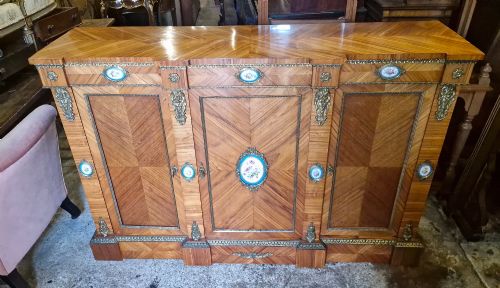
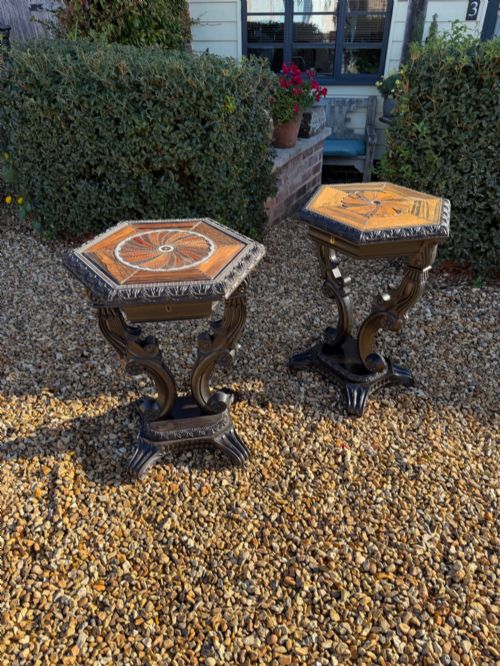
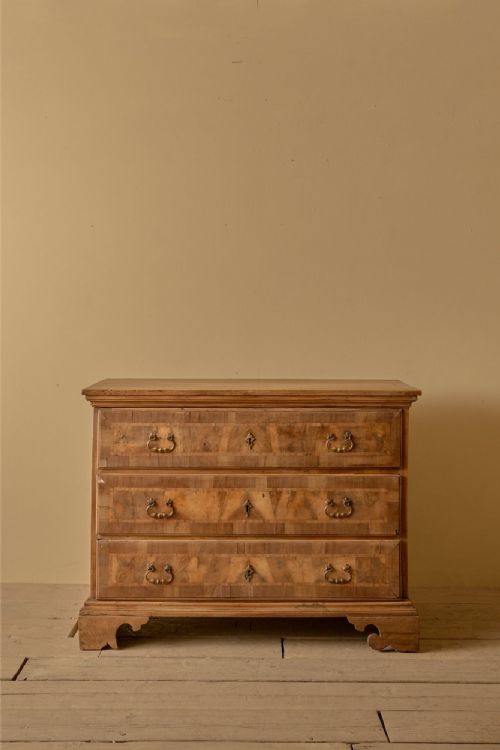
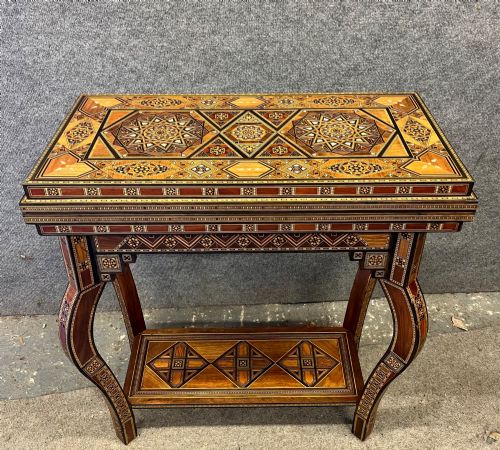
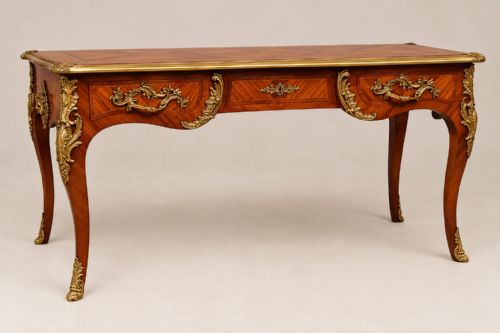
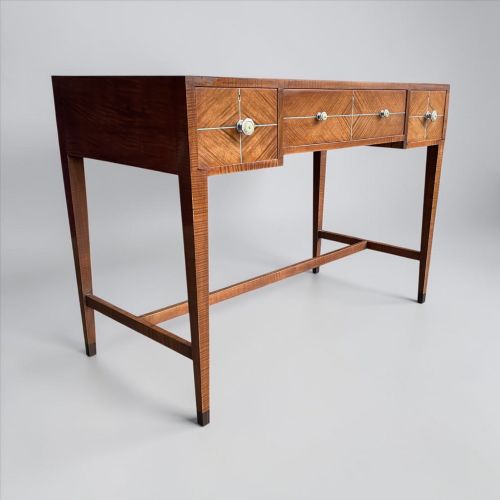
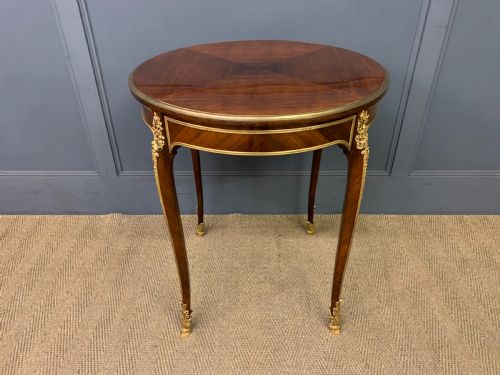
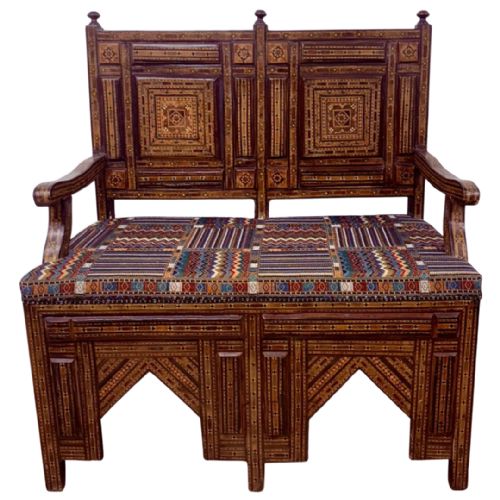
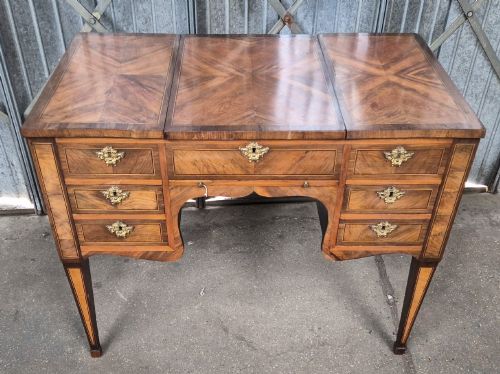
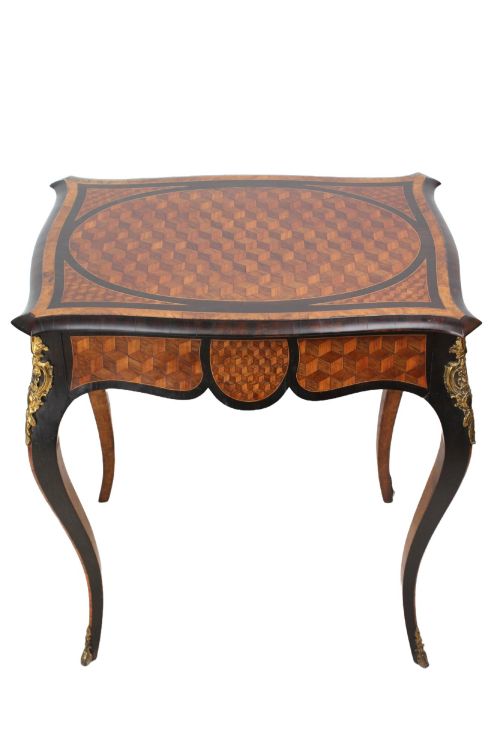
When you search for antique parquetry furniture, you encounter items built primarily during the eighteenth and nineteenth centuries, with a strong representation of French Louis XV and Louis XVI styles. The selection includes desks, commodes, occasional tables, and chests of drawers embellished with patterned wood veneers.
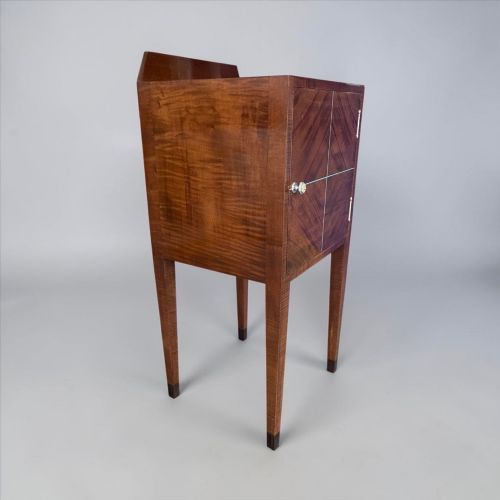
Bureau plats, writing desks, and bombe shaped bureaus form a significant portion of the pieces, alongside cabinets, vitrines, and bedside chevets. These items often display revival influences from continental workshops and London makers operating in the Victorian and Edwardian eras.
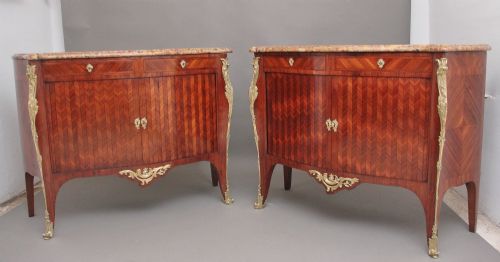
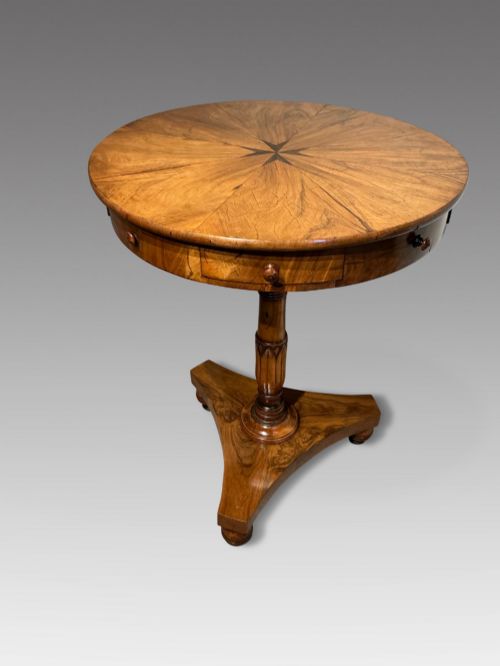
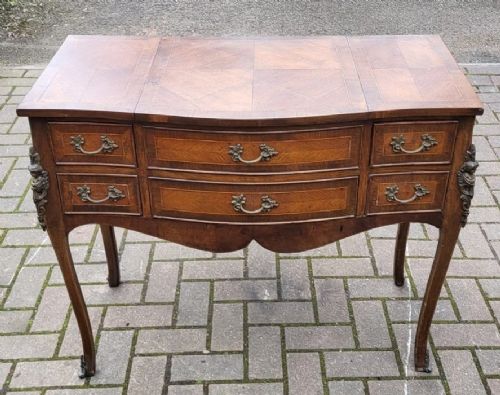
The form relies heavily on case furniture and smaller display tables where geometric wood arrangements can be showcased on tops, drawer fronts, and sides. Walnut, kingwood, and mahogany provide the structural and decorative foundation for these geometric compositions.
Materials and construction methods
Cabinetmakers constructed these pieces using dense hardwoods such as kingwood, walnut, rosewood, and mahogany as foundations for intricate veneer patterns. Small geometric tiles of timber were precision-cut and laid onto pine or oak carcasses to form the characteristic repeating motifs.
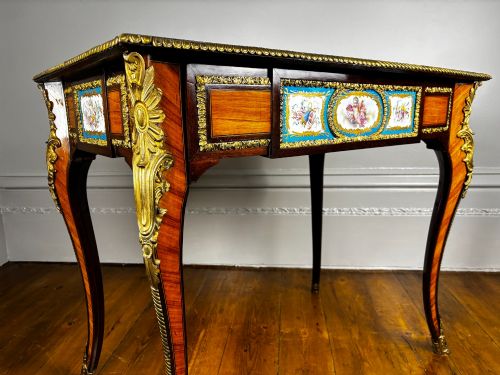
Ormolu mounts, cast in gilt bronze, protect corners and accentuate the serpentine lines of desks and commodes, whilst marble tops provide durable surfaces on cabinets and commodes. Brass and gilt bronze elements are fixed with screws through the timber carcass.
Specialised mechanisms appear in tables and desks, allowing writing slides, cylinder fronts, and internal compartments to operate smoothly within the veneered framework.
Antique Parquetry Furniture Retail Price Guide 2026
Typical asking prices for parquetry furniture among the pieces listed under this phrase on Sellingantiques today, from the lower quarter to the upper quarter. They describe what is for sale here now, not the wider market.
Pieces span the eighteenth, nineteenth, and early twentieth centuries, encompassing Victorian and Edwardian production alongside French revival styles.
Distinctions in manufacture and finish
The precision of the veneer work dictates the standing of a piece, where tight joints between individual wood tiles indicate superior bench work. Irregular gaps or uneven sanding across the geometric pattern point to less careful workshop production.
The integration of ormolu mounts reveals the maker's hand; high-grade mounts are crisply chased and fit the contours of the wood precisely without surplus gaps. Inferior examples use cast metal that sits awkwardly against the timber surface and lacks definition in the leaf or scroll work.
Secondary timbers inside drawers and behind panels demonstrate the original economic tier of the item, with solid mahogany or walnut carcass construction outperforming secondary softwood framing.
Francois Linke·JAS Shoolbred·Ralph Turnbull·G T Morant·L.Martin of Paris·Sormani
The Antique Parquetry Furniture Glossary
- Parquetry
- Geometric mosaic woodwork arranged in repeating patterns such as cubes, chequers, or triangles. It differs from marquetry by using strictly geometric shapes rather than pictorial flora or fauna.
- Ormolu
- Gilded bronze mounts applied to furniture edges, feet, and keyholes. The term derives from the French for milled gold.
- Kingwood
- A dense, heavy Brazilian timber featuring rich dark brown colouring with lighter golden streaks. It was favoured by eighteenth-century Parisian cabinetmakers for luxury veneer work.
- Bureau Plat
- A freestanding writing table fitted with drawers across the frieze, typically finished with leather on the upper surface. These desks were designed to sit in the centre of a room.
- Bombe
- A swelling, convex contour on the front and sides of a chest of drawers or commode. This curved form requires advanced veneering skill to follow the undulating timber surface.
Antique Parquetry Furniture: Frequently Asked Questions
How do I clean parquetry surfaces?
Dust surfaces regularly with a soft, dry cloth to prevent grit accumulation in the veneer joints. Avoid modern silicone sprays, which degrade antique polishes over time.
Apply a traditional beeswax sparingly to nourish the timber and maintain the sheen. Buff gently with a clean brush after application to protect the delicate wood tiles.
Can I use a bureau plat for daily writing?
These desks were built for correspondence and ledger work, making them suitable for laptop use or writing today. Ensure the leather top is protected from sharp implements or heavy pressure.
Keep the desk away from direct sunlight and radiators to prevent the kingwood or walnut veneers from shrinking and lifting. Humidity control is essential for maintaining antique timber.
What is the difference between parquetry and marquetry?
Parquetry relies strictly on geometric tiles, such as cubes and diamonds, creating architectural patterns across the surface. It emphasises the grain and natural colour variation of woods like walnut and satinwood.
Marquetry uses pictorial veneer assemblies to depict flowers, landscapes, or figures. Both techniques were utilised by cabinetmakers during the eighteenth and nineteenth centuries.
Where should I place a commode with a marble top?
A marble-topped commode functions well in a bedroom or hallway, providing a durable surface for lamps and decorative objects. The stone top adds weight and stability to the piece.
Position the commode against a structurally sound wall away from damp exterior masonry. Ensure the floor is level so the drawer runners operate without binding.
How do I identify Louis XV style furniture?
Louis XV style pieces feature asymmetrical curves, cabriole legs, and serpentine fronts without harsh straight lines. Ormolu mounts on these items typically echo natural leaf and scroll motifs.
Original nineteenth-century revivals of this style incorporate period construction methods alongside walnut or kingwood veneers. Examine the interior drawer linings to confirm the manufacturing era.