

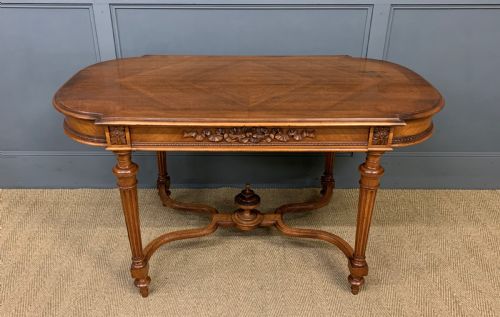


Antique Parquet Table
An antique parquet table brings geometric timber surfaces and continental elegance into a room, serving as a functional centrepiece with rich historical character.
Antique Parquet Table
An antique parquet table is defined by its precision-laid geometric wood surface, uniting structural utility with decorative patterned tops. When searching for an antique parquet table, buyers encounter a diverse array of forms originating predominantly from nineteenth-century continental workshops and Edwardian cabinet makers.
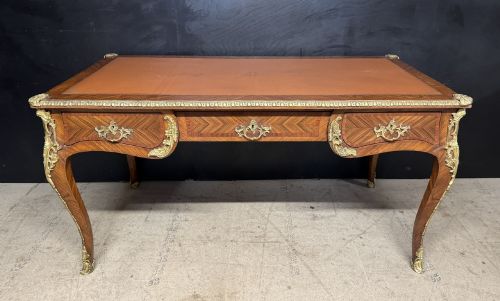
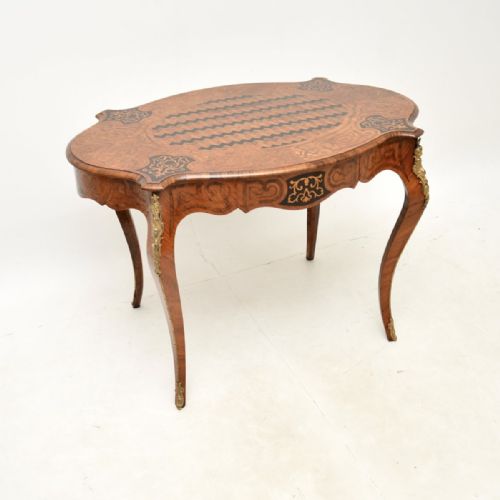
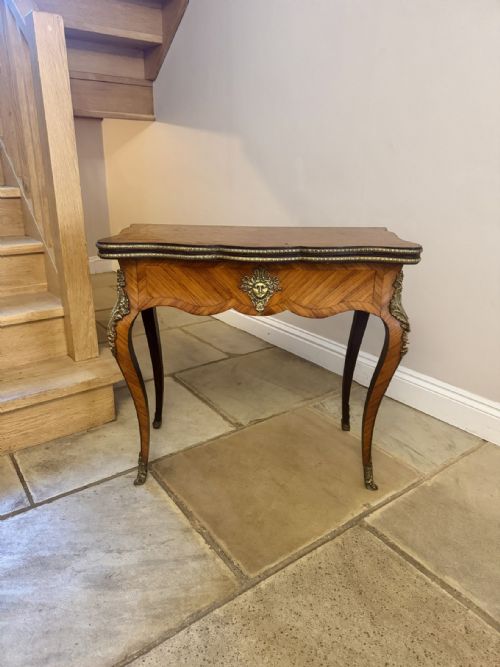
The surviving inventory spans multiple domestic functions, ranging from large dining and refectory boards to intimate centre tables, side pieces, and card tables. French examples heavily dominate the selection, frequently carrying influences from Louis XV and Louis XVI revivals alongside neoclassical sensibilities.
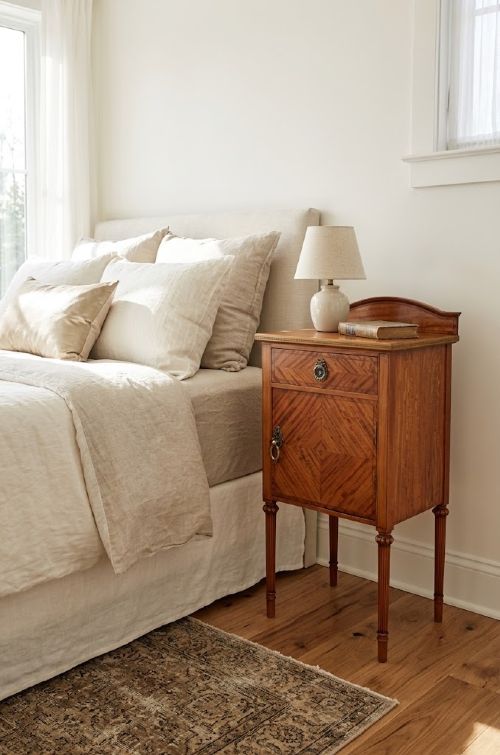
Smaller occasional pieces, bedside tables, and writing desks also appear regularly, often paired with contrasting timber veneers and gilt metal mounts. Earlier Georgian and eighteenth-century specimens emerge occasionally, demonstrating the enduring appeal of patterned wood floors translated into portable furniture.
How they were made
Cabinet makers constructed these tables by arranging small geometric pieces of coloured timber veneer onto a solid underlying carcase of oak, walnut, or mahogany. Woods such as kingwood, satinwood, rosewood, and walnut provided the tonal variations necessary to create distinct cubed, chevron, or herringbone patterns.
Many of the continental pieces integrated cast ormolu mounts, brass details, and decorative bronze enrichments along the friezes, legs, and corners. Cross-banding and delicate stringing frequently bordered the main parquetry panels to frame the geometric design and protect the edge grain.
Antique Parquet Table Retail Price Guide 2026
Typical asking prices for parquet table among the pieces listed under this phrase on Sellingantiques today, from the lower quarter to the upper quarter. They describe what is for sale here now, not the wider market.
Some nineteenth century card tables cleverly conceal backgammon boards and secret drawers beneath their geometric wooden tops.
What varies in quality
The distinction between ordinary and exceptional tables rests primarily on the precision of the wood-working and the selection of cabinet timbers. Superior examples display microscopic gaps between individual veneer blocks and employ richly figured exotic woods that catch the light from different angles.
The standard of secondary materials, such as heavy fire-gilded ormolu mounts rather than plated base metals, elevates certain pieces significantly. Furthermore, the integration of mechanical elements like smooth-sliding drawers, folding card table mechanisms, and documented maker signatures separates standard production from master craftsmanship.
Zweiner·Linke
The Antique Parquet Table Glossary
- Parquetry
- Geometric mosaic woodwork used for decorative floors and table tops. It differs from marquetry by forming regular geometric shapes rather than pictorial scenes.
- Ormolu
- Gilded bronze mounts applied to furniture. This decorative technique became prominent in French neoclassical and revival pieces.
- Kingwood
- A dense, heavily figured South American timber with dark violet-brown tones. Cabinet makers prized it for contrasting borders and geometric veneer work.
- Bureau plat
- A flat-topped freestanding writing desk fitted with drawers. These tables often featured leather writing surfaces surrounded by parquetry borders.
- Gueridon
- A small round occasional table supported by a central pillar or multiple legs. Originating in France, they frequently serve as display surfaces.
Antique Parquet Table: Frequently Asked Questions
How do I clean an antique parquet table?
Dust the surface regularly with a soft, dry cloth to prevent microscopic particles from settling into the veneer joints. Apply a quality microcrystalline wax periodically to nourish the timber and protect the polished finish without building up excessive residue.
Avoid placing these tables near direct heat sources or strong sunlight, which can dry out the historic woods and cause the tiny parquetry blocks to lift or crack. Use protective pads under hot or damp items to safeguard the delicate French polish.
What is the difference between parquetry and marquetry?
Parquetry involves arranging small geometric blocks of wood, such as squares, diamonds, and triangles, to create repeating mathematical patterns. It forms a structured, architectural surface across the top of the furniture.
Marquetry uses varied timber veneers to compose pictorial or floral scenes, depicting landscapes, flowers, or musical instruments. Many nineteenth-century tables actually combine both techniques, featuring a central pictorial medallion surrounded by geometric parquetry borders.
How do I identify a French nineteenth century table?
Look for characteristic construction methods, such as oak secondary framing underneath the top and sophisticated ormolu mounts cast with botanical motifs. Stylistic cues often point to Louis XV or Louis XVI revival designs with curved cabriole legs or tapering fluted supports.
The use of exotic woods like kingwood and satinwood alongside precise cabinet-making labels further connects these items to Parisian workshops of the eighteen-eighties and eighteen-nineties.