
Cabriole Leg Wooden Table
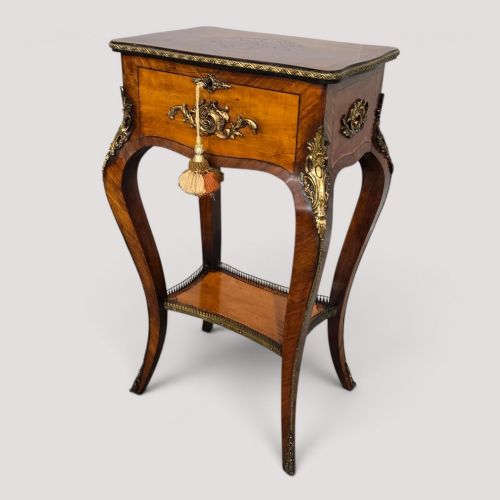
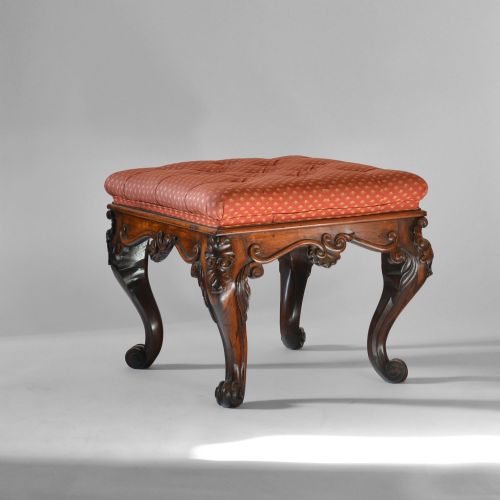
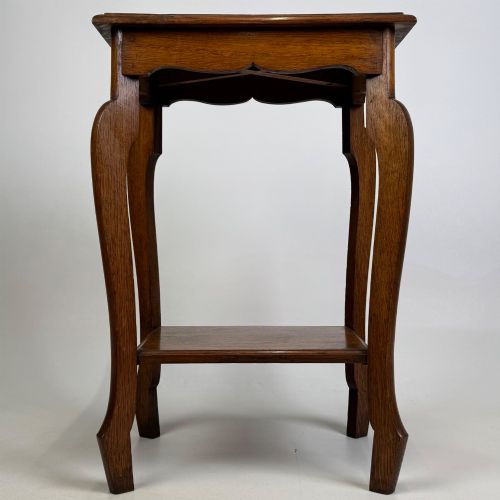
A cabriole leg wooden table brings fluid, curving grace to a room through distinctive double-curved supports that sweep outward and narrow down to pad or claw feet.
Cabriole Leg Wooden Table
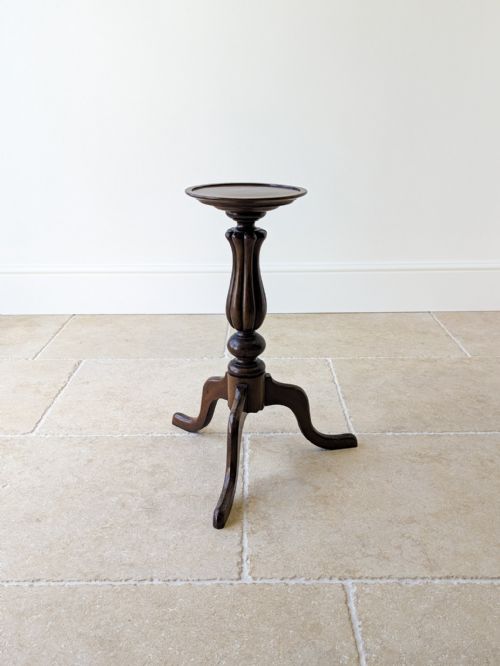
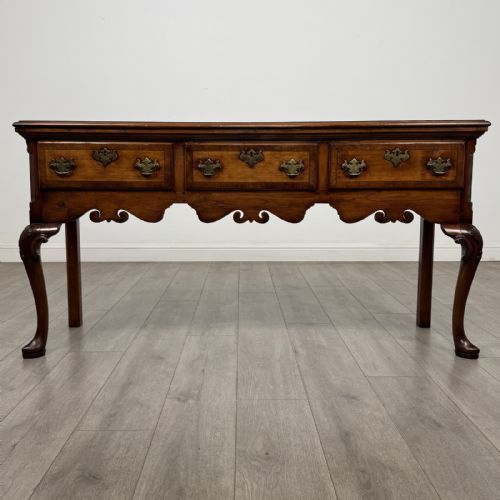
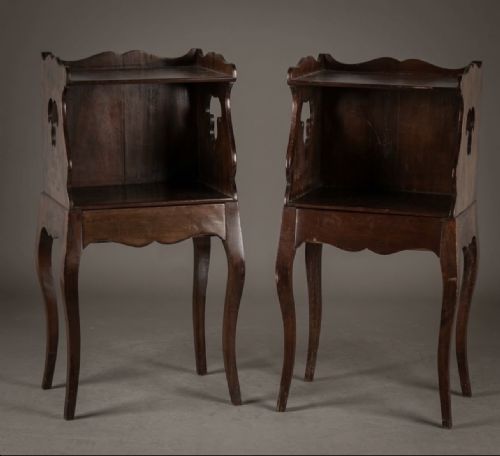
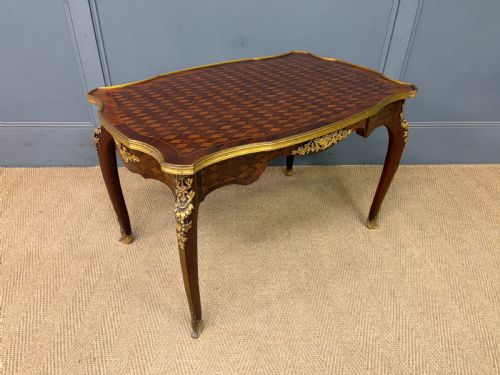
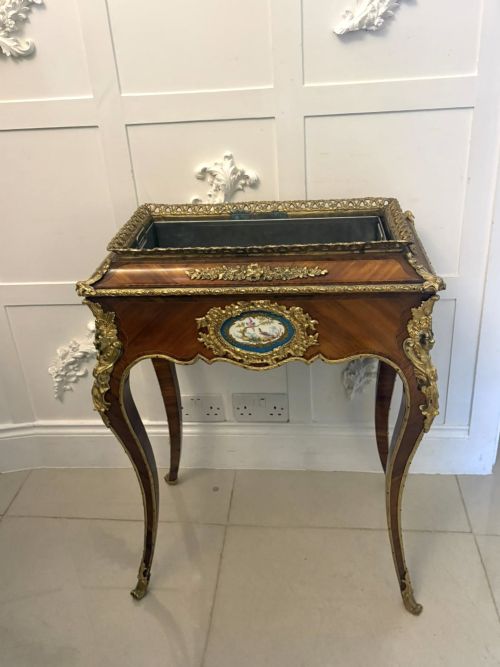
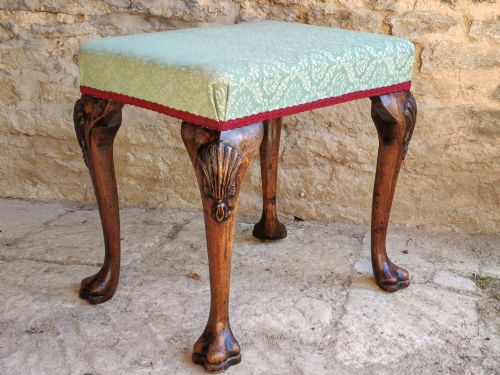
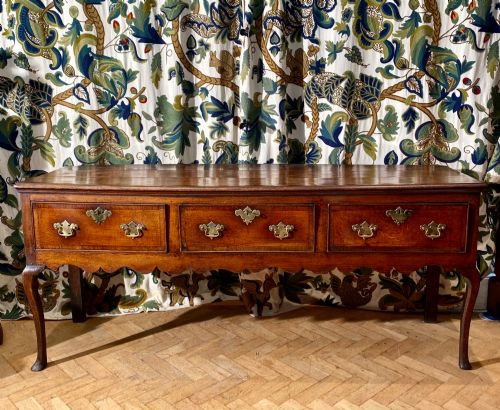
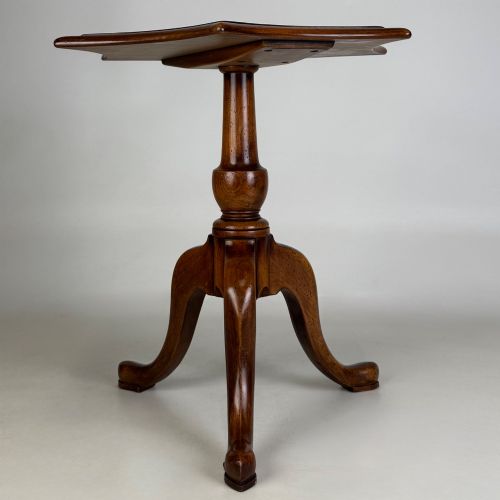
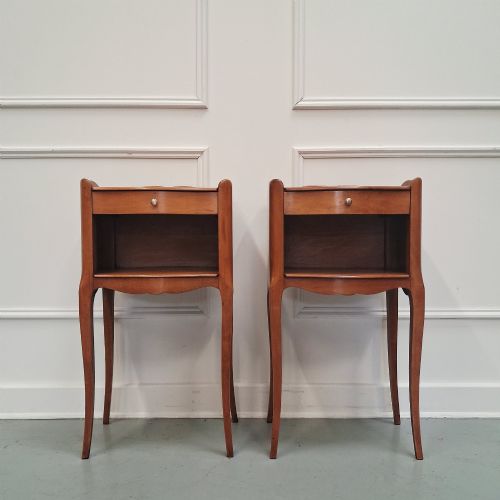
When you search for a cabriole leg wooden table, you encounter a diverse range of forms spanning from compact wine tables and bedside pieces to expansive dining tables and lowboys. These pieces bridge several centuries of design, appearing in Georgian and Queen Anne styles alongside later Edwardian and twentieth-century interpretations.
The selection on this page relies heavily on walnut and mahogany construction, often augmented by fruitwood, oak, or exotic veneers like kingwood. Forms vary widely from tripod wine tables and occasional side pieces to card tables and console desks, each resting upon the signature curving leg.
Materials and construction methods
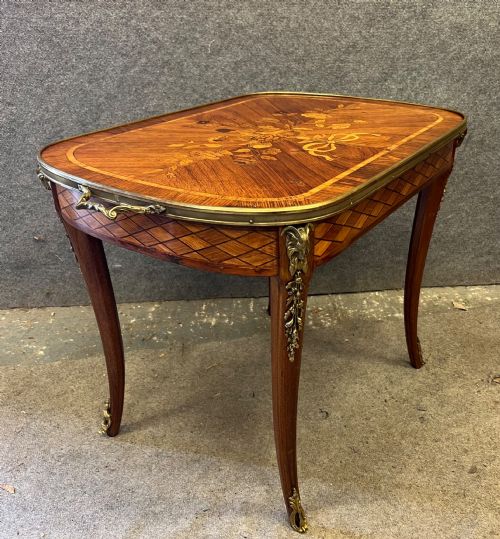
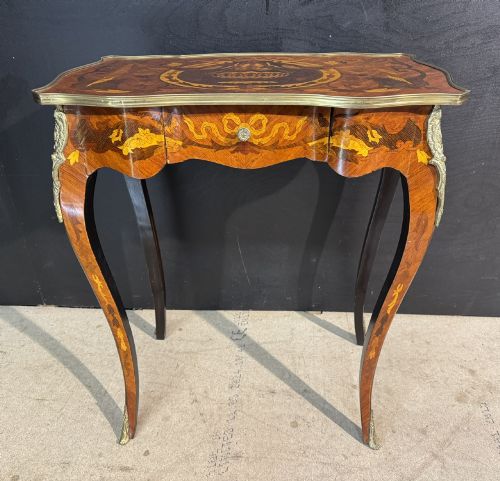
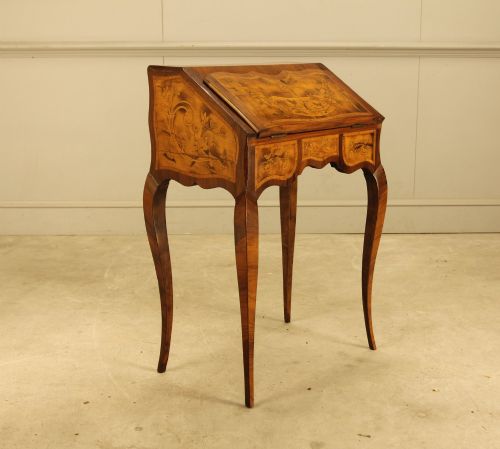
Cabinet makers constructed these tables using dense hardwoods such as mahogany, walnut, and oak, frequently selecting figured timbers for prominent surfaces. Marquetry, parquetry, and brass accents were often integrated to elevate the visual texture of the wood.
The defining cabriole leg required careful shaping from solid timber or sturdy laminates to ensure structural integrity while maintaining its characteristic flowing silhouette. Joinery techniques such as mortise and tenon frames and concertina actions supported functional adaptations like tilting tops and drop leaves.
The listings span from eighteenth-century Georgian masterpieces to Edwardian revivals and 1930s walnut designs.
Assessing craftsmanship and execution
The distinction between ordinary and exceptional pieces rests in the fluidity of the leg carving and the selection of timber. Superior examples exhibit harmonious proportions where the double curve flows naturally into the foot without awkward transitions.
Surface patination and the precision of inlaid veneers, such as marquetry or parquetry, further separate standard utilitarian items from masterworks. The integration of functional elements, like smooth tilt-top mechanisms or sturdy drawer joints, indicates the maker's underlying skill.
Giles Grendey
The Cabriole Leg Wooden Table Glossary
- Cabriole leg
- A furniture leg featuring a double curve, typically swelling outward at the knee and tapering inward to an ankle before flaring slightly at the foot. This design originates from ancient Chinese furniture and became a staple of eighteenth-century European joinery.
- Lowboy
- A small oak, walnut, or mahogany table with drawers, resembling the lower section of a highboy or tall chest. They frequently feature cabriole legs and served as dressing or side tables in period homes.
- Marquetry
- The art and craft of applying pieces of veneer to a structure to form decorative patterns and pictures. Craftsmen utilised various exotic and native woods to create intricate floral or geometric designs.
- Tripod table
- A small occasional table supported by a central pillar resting on three curving legs. Many examples include a tilting mechanism to allow the top to be stored flat against a wall.
- Parquetry
- A geometric mosaic of wood pieces used for decorative flooring or furniture surfaces. It relies on contrasting tones and grain alignments to form repeating patterns.
Cabriole Leg Wooden Table: Frequently Asked Questions
What is a cabriole leg?
A cabriole leg is a stylistic furniture support modelled on the natural leap of an animal, featuring an outward convex arch at the top and an inward concave arc below. This form mimics the front leg of a quadruped.
The design gained widespread popularity during the eighteenth century across Queen Anne and Georgian furniture, offering visual lightness and organic grace to heavy wooden tables and chairs.
How do I date an antique table?
Dating requires examining the secondary timbers used in the internal framing, the construction methods of the joints, and the overall style of the piece. Tool marks and fastener types offer further clues regarding the era of manufacture.
Changes in fashion, from the solid walnut of the early eighteenth century to the rich mahogany of the Georgian period and later Edwardian revivals, help narrow down the decade of creation.
Were these tables used for dining?
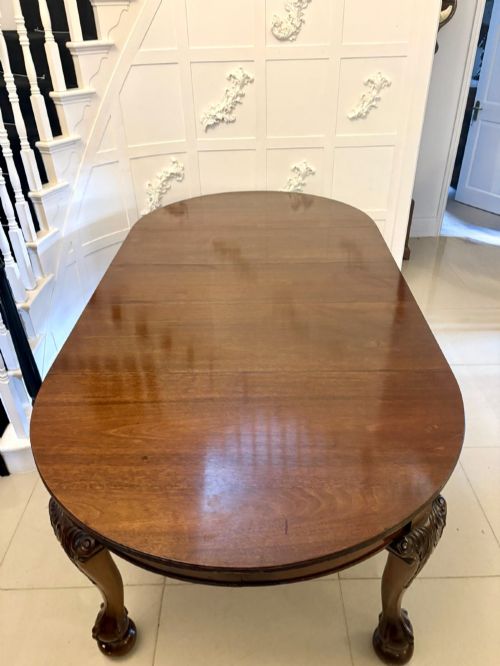
Many larger examples served as dining surfaces, including drop-leaf formats and extension tables designed to seat families and guests. Smaller variants were built specifically for tea, cards, or bedside use.
Card tables often featured concertina actions or folding tops to save space when not in active use during social gatherings.
How should I care for a walnut table?
Walnut and mahogany furniture benefits from stable indoor humidity levels and protection from direct sunlight, which can fade polished surfaces over time. Gentle dusting with a soft cloth preserves the timber's natural finish.
Avoiding synthetic silicones and applying traditional wax sparingly maintains the deep patina developed over decades or centuries of use.