



Antique Parlor Games
These antique parlor games bring social history to life through surviving boards, tables, and equipment designed for domestic entertainment.
Antique Parlor Games
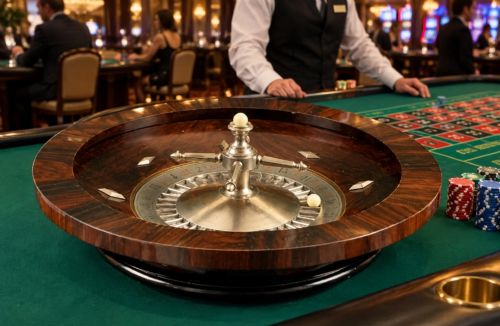
When you examine antique parlor games, you encounter the material culture of nineteenth and early twentieth-century domestic leisure, spanning table tennis sets, solitaire boards, and skittles. These items range from compact boxed dominoes and bilboquet cups to substantial folding card tables and roulette wheels intended for country house entertaining.
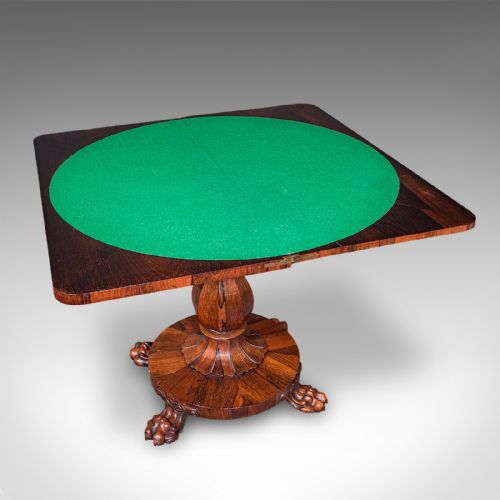
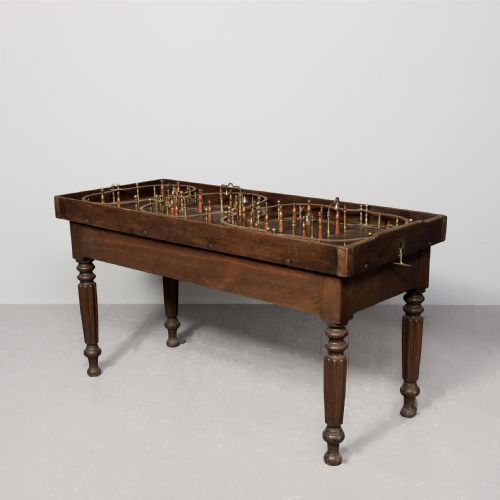
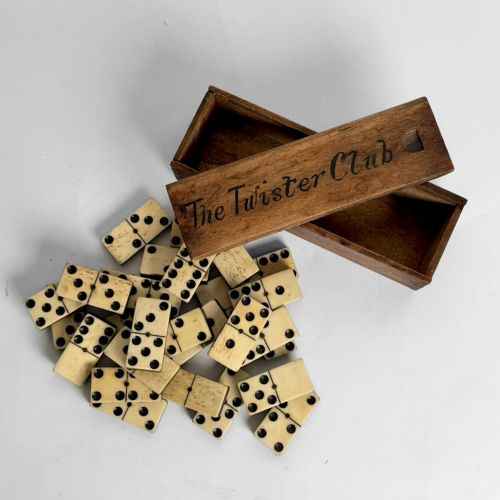
The pieces on this page draw from periods including the Regency, Victorian, and Edwardian eras, reflecting changing social habits in Britain and beyond. You will find dedicated furniture such as William IV mahogany bagatelle tables alongside portable wooden game cases and bone gaming pieces.
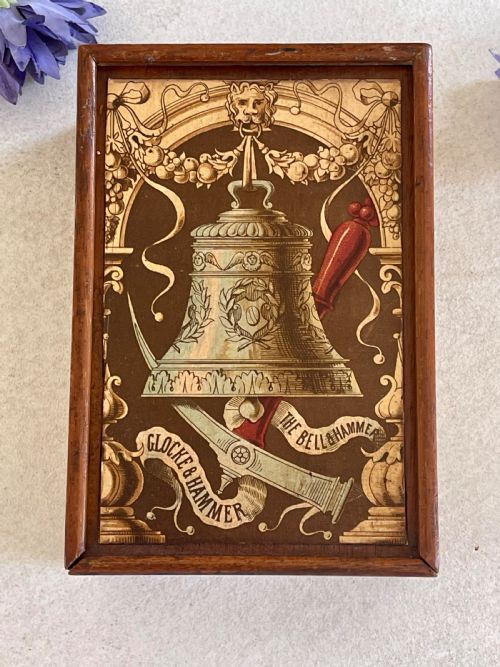
Originating from British workshops and international makers alike, these objects combine utilitarian function with decorative craftsmanship. Whether small treen novelties or elaborate rosewood games compendiums, each piece served as a focal point for family and guest amusement.
Materials and construction
Craftsmen utilised dense hardwoods such as mahogany, rosewood, and oak to construct durable tables, storage boxes, and game boards that endured frequent handling. Secondary materials like brass hinges, bone gaming counters, and paper instructions completed the functional design of these domestic entertainments.
Joinery techniques ranged from precision turning for treen ball and cup games to sturdy cabinetry for fold-over card tables and roulette wheels. Surface treatments included ebonising and polished wood finishes, which protected the material while highlighting natural grain patterns.
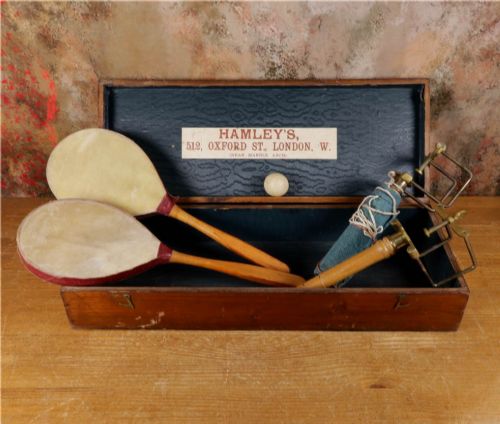
Early table tennis arrived in boxes bearing names like Gossima, ready for polite parlor rallies before dinner was served.
Distinctions in quality
The distinction between standard domestic items and superior examples rests on the choice of materials and the refinement of the woodwork. Dense timbers like rosewood and mahogany, combined with complex mechanisms or fitted interiors, mark out pieces from the upper end of the production range.
Completeness also dictates standing, with original components such as matched marble sets for solitaire, authentic felts on roulette tables, and intact maker boxes commanding greater interest. Simpler treen toys and basic pine or oak pieces offer direct utility without the decorative elaboration found in grander compendiums.
Jaques & Hamleys·F.H.Ayres Ltd·British Chess Company
The Antique Parlor Games Glossary
- Treen
- Small handmade wooden domestic objects and treen novelties, ranging from cups to boxes, produced by turners using traditional lathe techniques. These items display the practical utility of everyday timber work.
- Compendium
- A fitted box containing multiple distinct games and playing pieces within a single organised case. Such sets were designed for travel or country house drawing rooms.
- Bagatelle
- A cue sport played on a specialised wooden table with holes and wooden pins, precursor to modern pinball and billiard variants. Tables often featured folding or compact designs for home use.
- Bilboquet
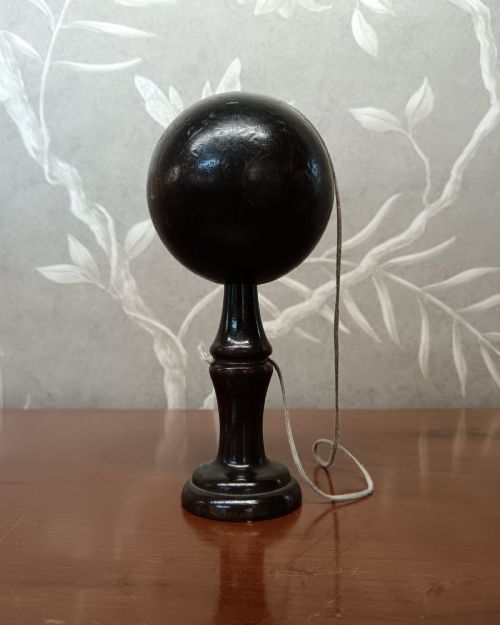
- A traditional hand-held skill toy, also known as ball and cup, requiring the player to catch a ball attached by a string upon a wooden spike or concave base.
- Staunton
- A standardised design of chess pieces created in the mid-nineteenth century, featuring distinct, recognizable forms for each piece type that became the tournament standard.
Antique Parlor Games: Frequently Asked Questions
What is a parlor game?
Parlor games are indoor activities and amusements designed for guests and family members to play together within the domestic spaces of a home.
They encompass everything from board games and card tables to physical skill toys and roulette wheels intended for social gatherings.
How were games tables used?
Games tables functioned as dual-purpose furniture pieces, serving as ordinary side or card tables until unfolded for play.
They allowed households to host activities like chess, cribbage, and bagatelle without needing dedicated permanent game rooms.
How do I date a games compendium?
Dating relies on stylistic clues in the woodwork, the materials used for internal components like bone or turned wood, and any surviving maker labels.
Victorian and Edwardian examples often feature rosewood or mahogany construction with specific brass hardware indicative of their production era.
Are these games complete with pieces?
Many surviving antique sets retain their original components, such as marbles for solitaire boards or counters for card games, though descriptions specify completeness.
Checking individual listings confirms whether original boxes, dice, or score markers accompany the main board or table.