

Antique Paperweight Sculpture
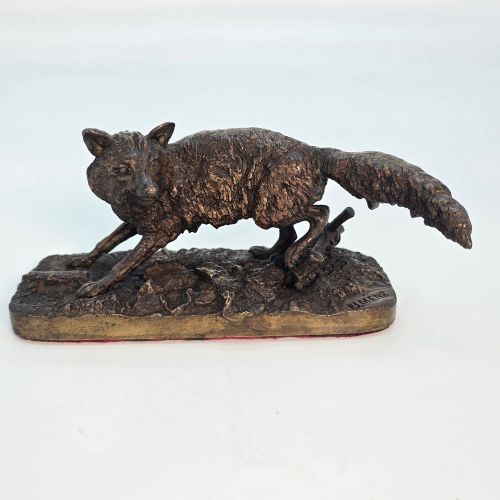
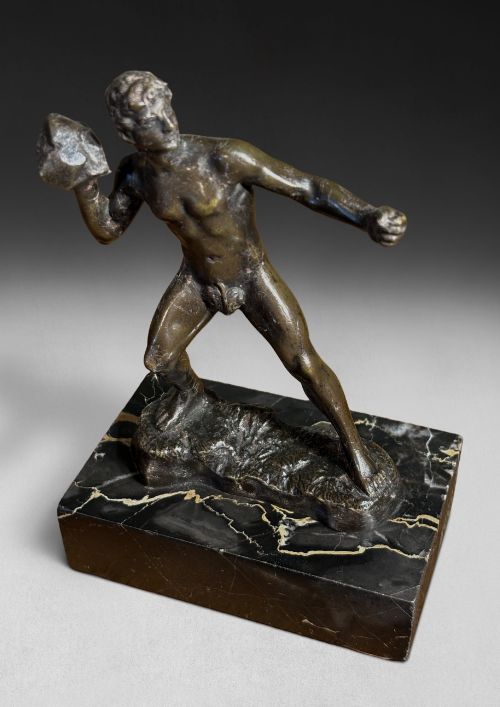
When you search for antique paperweight sculpture, you enter a world of heavy desk ornaments that hold down correspondence while bringing animal bronzes, carved jade and frosted glass to the writing table.
Antique Paperweight Sculpture
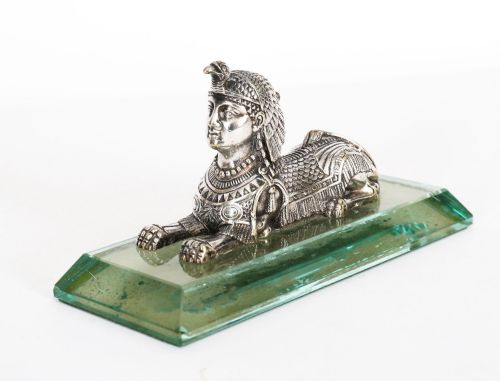
An antique paperweight sculpture functions primarily as a functional desk accessory designed to secure loose papers against draughts while serving as a miniature work of art. These items frequently take the form of animals, mythological figures and classical models cast in metal or carved from stone.
The versions most commonly met on this page span the nineteenth and early twentieth centuries, emerging from European animalier workshops, Austrian foundries and Asian scholarly traditions. They combine utilitarian weight with sculptural ambition, appearing on marble bases, onyx plinths or directly on the desktop.
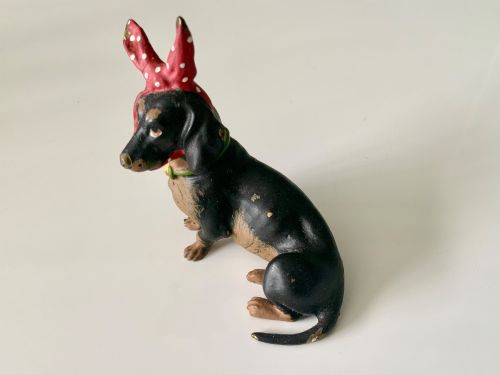
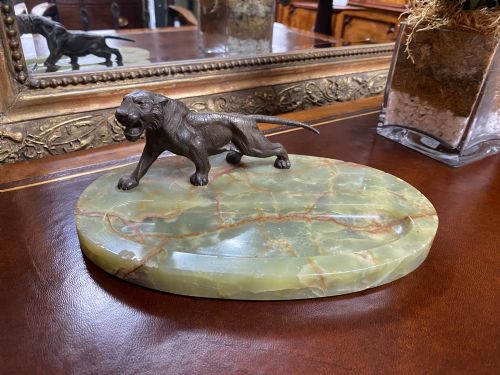
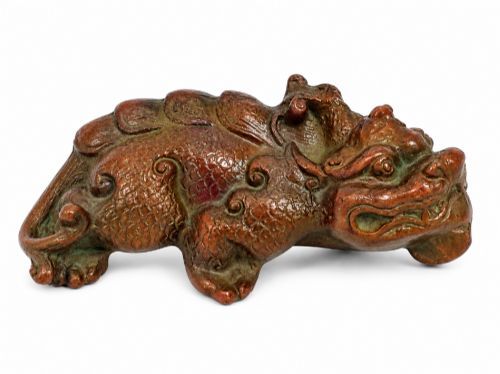
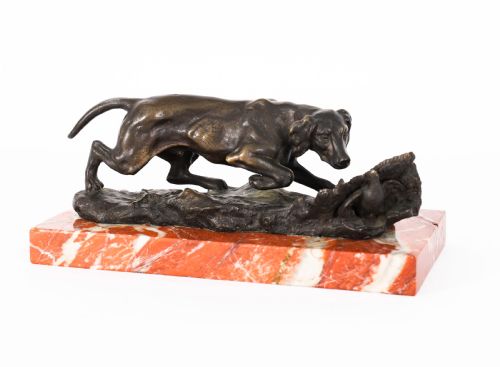
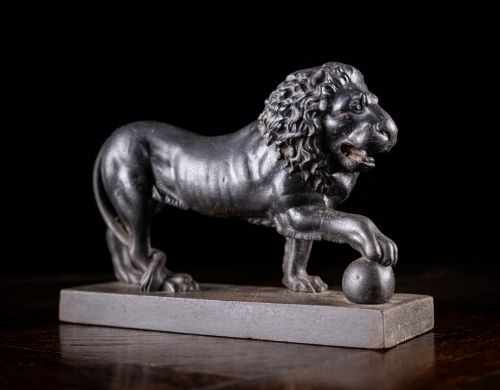
Buyers encounter distinct regional traditions within this category, ranging from Vienna cold-painted bronzes of birds and dogs to French animalier studies of lions and hounds. Chinese scholarly items also appear, utilising bronze, jade and shishi motifs for desk placement.
How they were made
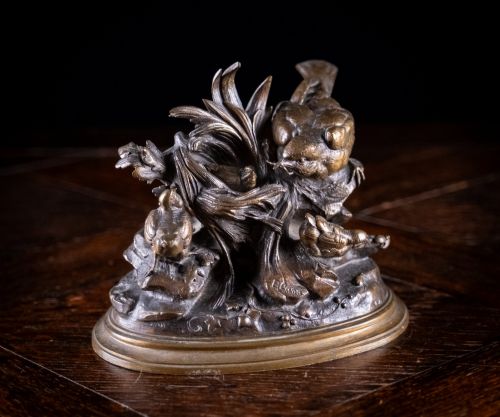
Foundries utilised the lost-wax technique for bronze pieces, allowing intricate detail in figures such as tarantulas, stags and hunting dogs before applying patination or cold paint. Fire-gilding and silvering provided reflective surfaces for select items.
Carvers shaped white jade, green marble and onyx using traditional abrasive methods to produce smooth, tactile surfaces suitable for handling. Bases of onyx and marble provided the necessary mass to anchor lighter metal figures.
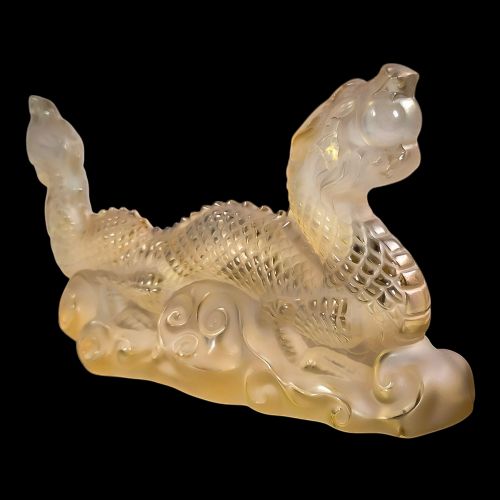
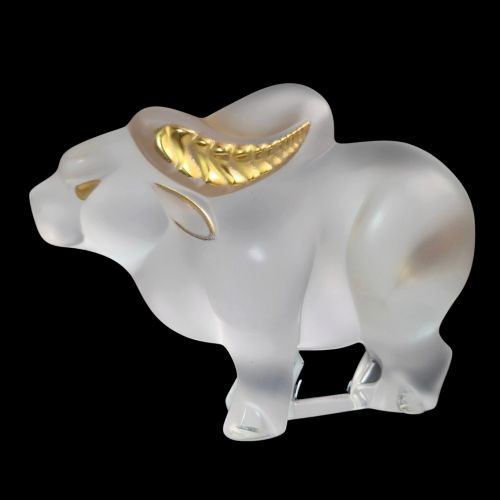
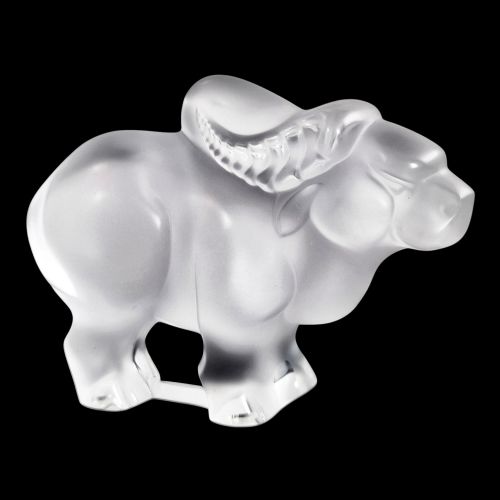
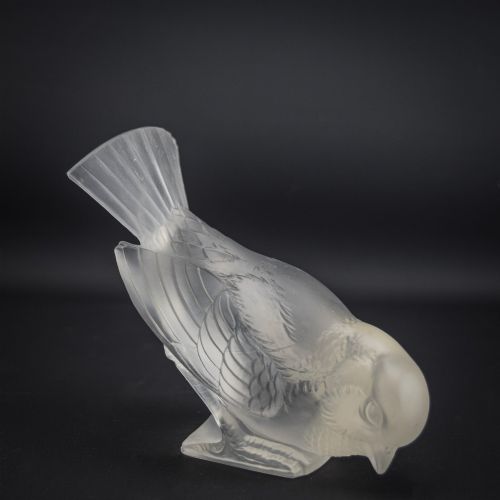
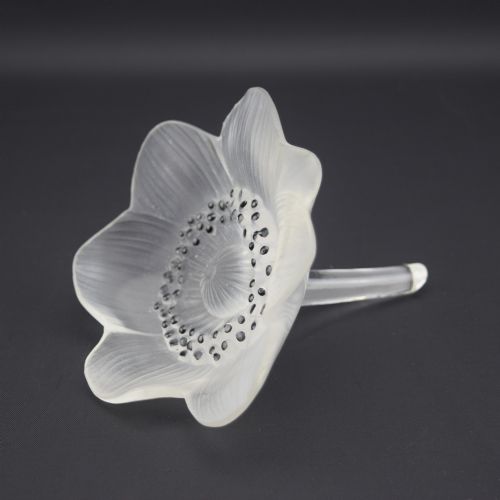
Glassmakers employed pressed and opalescent moulding techniques during the twentieth century, creating figures like sparrows and sirens that caught light through translucent depths.
Antique Paperweight Sculpture Retail Price Guide 2026
Typical asking prices for paperweight sculpture among the pieces listed under this phrase on Sellingantiques today, from the lower quarter to the upper quarter. They describe what is for sale here now, not the wider market.
A bronze tarantula spider waits patiently on the desk, offering a startling weight to hold down your morning post.
What varies in quality
The standard of chasing and surface finishing separates workshop output, where master founders achieved crisp musculature and feather texture against simpler, softer castings. Original cold paint preservation and fire-gilding integrity determine historical intactness.
The integration between the sculpture and its mounting, such as a bronze figure secured to a fitted marble or onyx base, indicates the original maker's care. Superior materials, from dense green marble to translucent white jade, elevate the piece's tactile weight.
Kakuha Kanzaemon·Carl Kauba·Charles Louis Malric·Susse Frères·Rene Lalique·Franz Bergman·Pierre Jules Mene
The Antique Paperweight Sculpture Glossary
- Animalier
- A nineteenth-century artistic movement focusing on the realistic depiction of animals, particularly predators and domestic beasts. Sculptors in this style studied anatomy closely through life observation.
- Cold-painted bronze
- A manufacturing method where bronze figures were painted with polychrome oil paints and left un-fired or gently warmed, common in Austrian workshops. The delicate pigment requires careful handling to preserve its original hue.
- Grand Tour
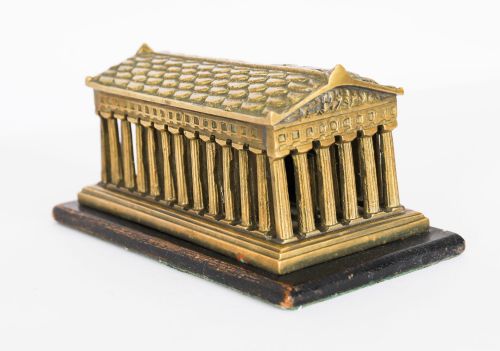
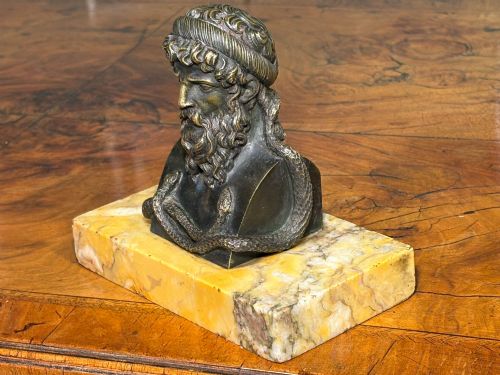
- A cultural journey undertaken by wealthy young Europeans visiting classical antiquities in Italy, prompting the creation of miniature bronze and marble replicas for home display. These souvenir models replicated famous sculptures like the Florentine boar.
- Okimono
- A Japanese decorative object designed for display on a shelf or desk, translating literally as an art piece for placement. These small sculptures often depict insects, animals or figures with high naturalistic accuracy.
- Vienna Bronze
- Small, highly detailed bronze figures produced in Austrian foundries during the late nineteenth and early twentieth centuries, famed for their vibrant cold-painted surfaces. Subjects ranged from everyday animals to exotic figures.
Antique Paperweight Sculpture: Frequently Asked Questions
What is an antique paperweight sculpture?
An antique paperweight sculpture is a small, heavy decorative object placed on a desk to hold down papers while displaying artistic craftsmanship. These pieces often depict animals, figures or classical motifs.
They combine utility with aesthetic value, reflecting the tastes of nineteenth and early twentieth-century collectors who appreciated detailed miniature art for their writing tables.
How were cold painted bronzes made?
Makers cast the bronze object first, using traditional foundry methods to achieve fine surface textures like fur and feathers. They then applied multiple layers of cold oil paint by hand without firing the metal in a kiln.
This technique produced vibrant, lifelike colours on small figures such as birds and dogs, though the surface remains sensitive to moisture and abrasion over time.
Where were Grand Tour sculptures displayed?
Grand Tour sculptures were displayed in nineteenth-century studies, libraries and drawing rooms by travellers returning from Italy. They served as scholarly conversation pieces and reminders of classical art.
Placed upon desks or tables, these marble and bronze models of ancient monuments and animals brought elite European culture into domestic interiors.
How do I care for marble base sculptures?
Keep marble and onyx bases away from direct sunlight and excessive humidity to protect the natural stone grain and polish. Dust the surfaces gently with a dry, soft cloth rather than using chemical cleaners.
Ensure the heavy base rests on a stable, level surface to support the weight of the metal figure securely without risk of tipping.