

Antique Paper Art Drawings
These antique paper art drawings encompass centuries of graphic skill, capturing portraits, landscapes, and studies in ink, pastel, and pencil.
Antique Paper Art Drawings
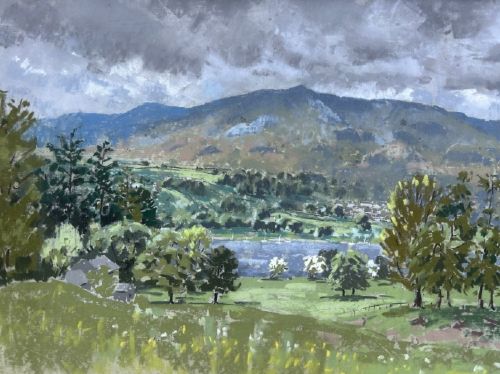
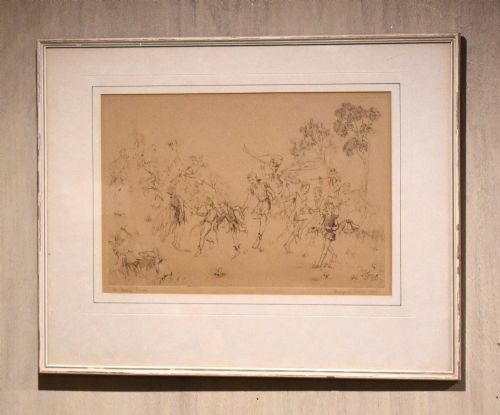
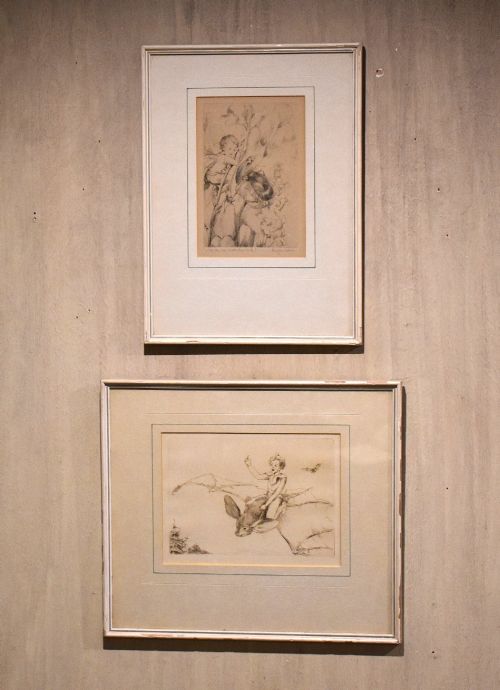
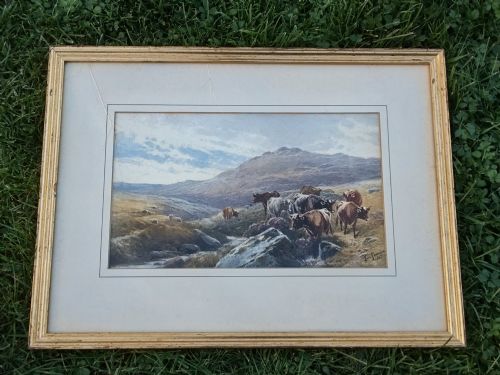
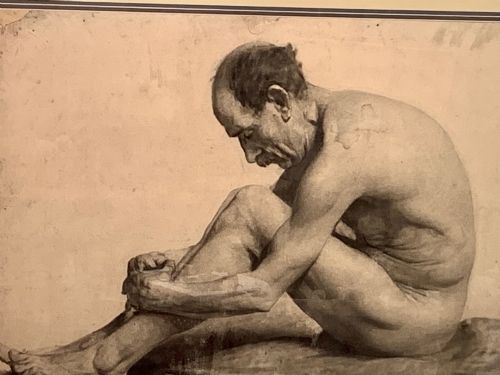
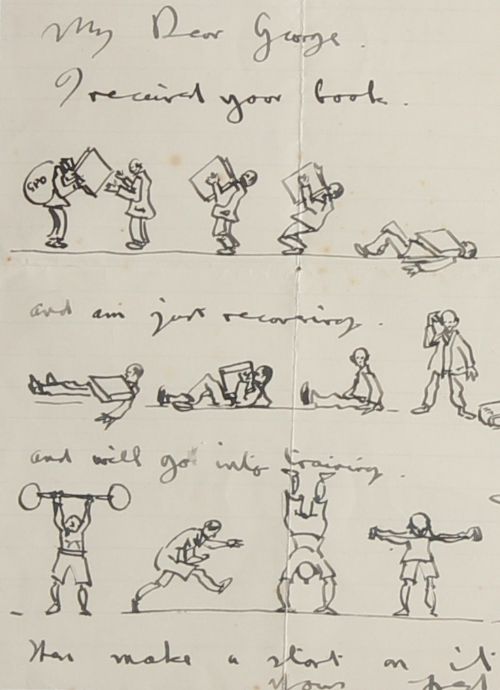
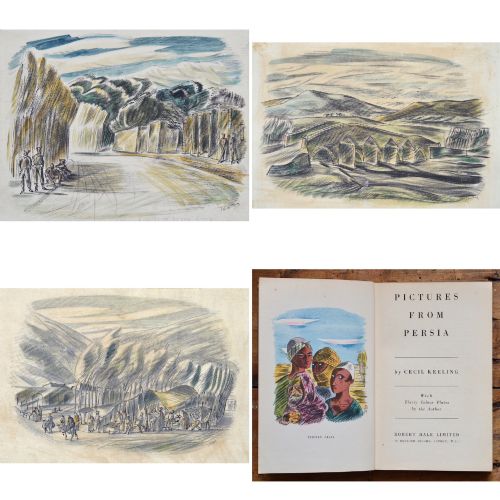
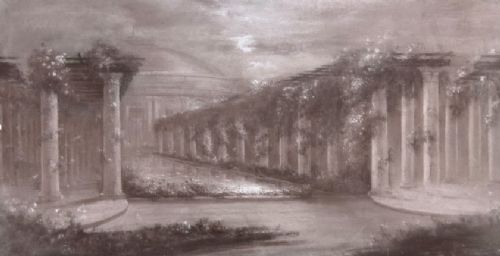
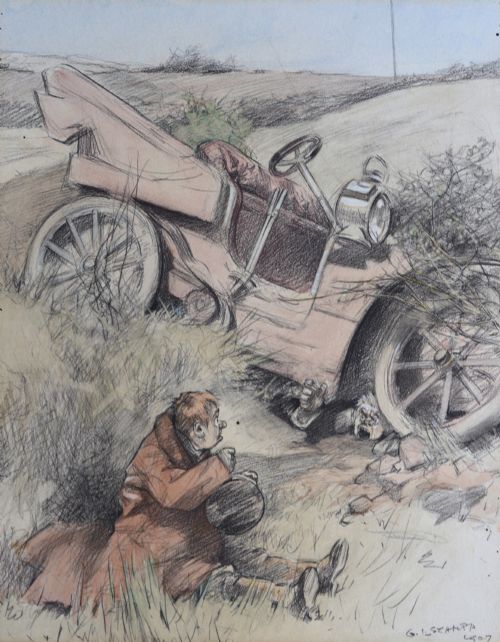
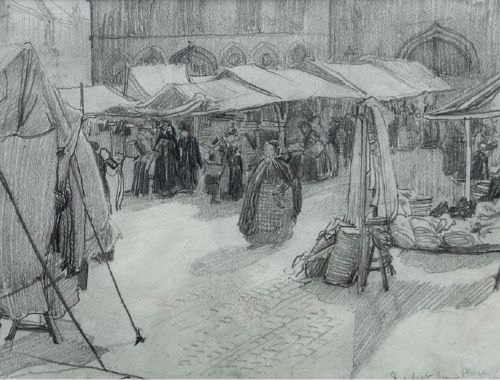
When buyers search for antique paper art drawings, they encounter works executed on paper supports using mediums such as graphite, charcoal, pastel, and watercolour. These range from academic figure studies and caricatures to detailed topographical landscapes and historical portraits.
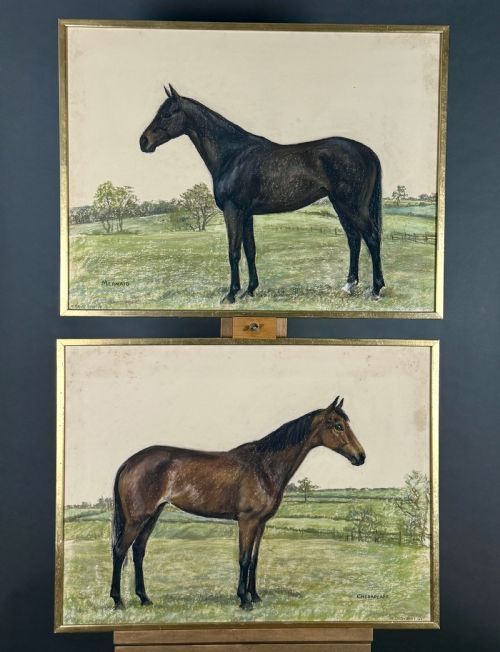
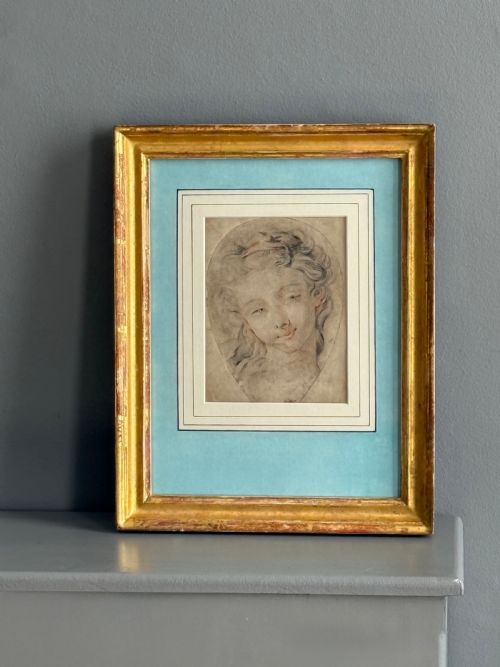
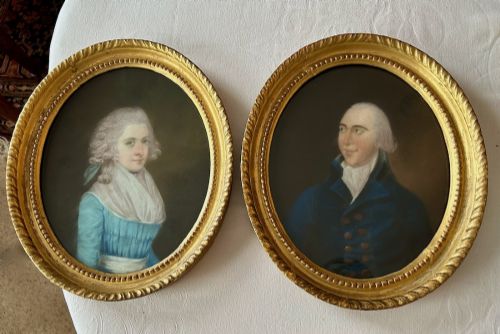
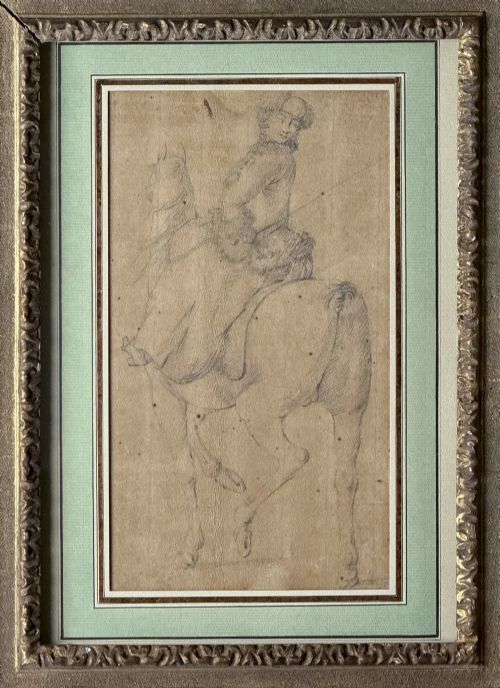
The versions most commonly met on this page include nineteenth-century and early twentieth-century works, alongside eighteenth-century portraiture and equestrian studies. Pieces frequently arrive framed behind glass to protect the delicate paper substrate from environmental degradation.
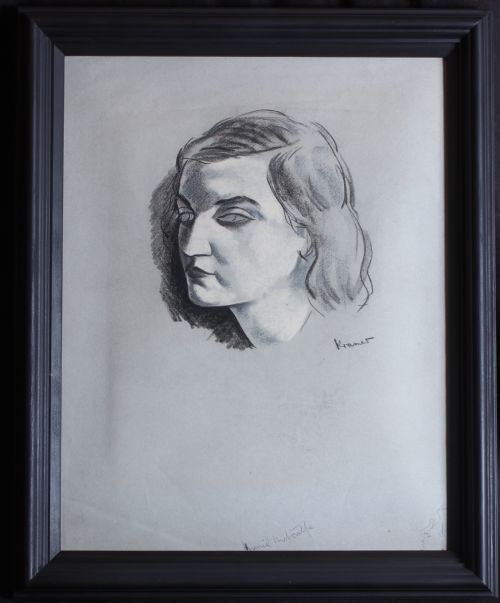
Subjects span formal portraiture, including depictions of military officers, nobility, and composers, as well as informal sketches and architectural drafts. British and European schools predominate among the featured makers and unsigned pieces.
How they were made
Artists utilised traditional drawing and painting mediums applied directly to various paper types, including buff paper and handmade sheets. Graphite, charcoal, and pastel provide linear precision and tonal depth, while pen, ink, and wash introduce fluid shading and permanence.
Support materials typically involve framed paper compositions secured beneath glass, frequently housed in period wooden frames that preserve the fragile mediums. Mixed media works combine watercolour, gouache, and ink on a single sheet to build complex layers of colour and line.
Listings feature works spanning from the eighteenth century through the 1960s, executed in graphite, pastel, charcoal, and watercolour.
What varies in quality
The distinction between ordinary and exceptional works rests on the surety of the draughtsmanship and the expressive capability of the medium. Confident, deliberate lines in a pencil or charcoal study demonstrate the artist's mastery over proportion and form.
Condition and preservation heavily influence the standing of a piece, particularly regarding paper discoloration, foxing, or fading of fugitive pigments like watercolour and pastel. Original framing and documented provenance further elevate the standing of historical drawings.
George Lorain Stampa·Henry Percy Huggill·Alfred Young Nutt·James Smetham·William Etty·John Russell·William Marshall Craig·Francois Boucher·Augustus John·Russell Sidney Reeves·Thomas Gainsborough
The Antique Paper Art Drawings Glossary
- Foxing
- Brown spots or patches on paper caused by chemical reactions in the pulp over time. This common form of ageing is frequently observed in older works on paper.
- Gouache
- An opaque water-based paint that includes a white pigment filler, producing a heavier and more matte finish than traditional watercolour. It is often combined with ink or pastel in mixed media drawings.
- Pastel
- A dry drawing medium consisting of powdered pigment and a binder, applied directly to paper to create rich, velvety colour fields. Because the pigment sits loosely on the surface, these works require glass protection.
- Wash
- A thin, transparent layer of diluted ink or watercolour applied with a brush to create tonal gradations and shadows. It frequently supports precise pen and pencil outlines in historical topographical drawings.
- Provenance
- The documented history of ownership of an artwork, establishing its authenticity and lineage. A clear record adds significant context to signed and attributed pieces.
Antique Paper Art Drawings: Frequently Asked Questions
How should I frame antique drawings?
Antique works on paper require conservation-grade framing to prevent degradation from light and humidity. Utilising acid-free mats ensures the paper does not touch the glass directly.
Keeping pieces away from direct sunlight protects fugitive mediums like watercolour and pastel from fading. Proper sealing prevents dust and insects from reaching the delicate surface.
What is mixed media art?
Mixed media art combines two or more distinct artistic mediums on a single support. In these listings, artists frequently paired pen, ink, wash, and gouache on paper.
This approach allowed creators to leverage the linear precision of ink alongside the opaque highlights of gouache. Such combinations create textured depth not achievable with a single material.
Are these works original?
The listings comprise original hand-drawn artwork rather than modern mass-produced reproductions. Each piece represents a unique physical creation by the artist's hand.
Signatures, inscriptions, and paper characteristics help establish the authenticity of historical drawings. Archival styles and period framing further support their age.