




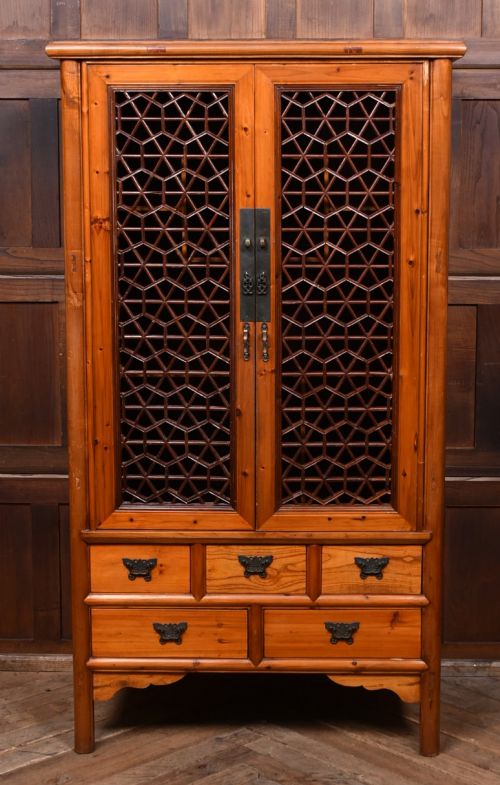


Antique Pantry Unit
An antique pantry unit brings honest utilitarian storage into a modern home, offering deep shelves and period timber character.
Antique Pantry Unit
When you search for an antique pantry unit, you encounter robust storage furniture designed to hold food, linens, and household provisions. These pieces span the nineteenth and early twentieth centuries, emerging from various regional workshops and domestic settings.
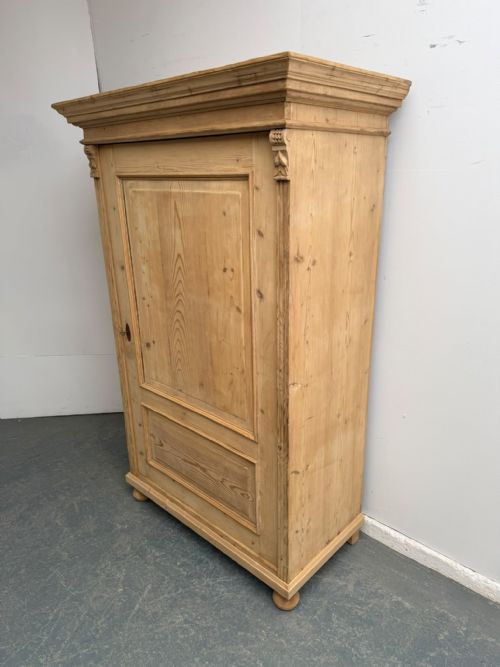
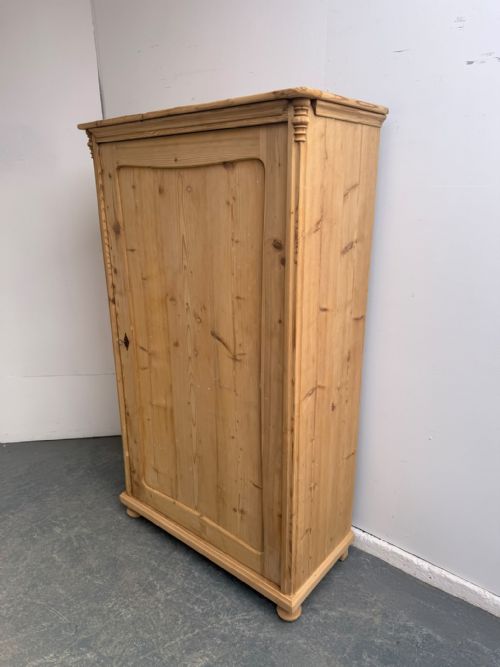
The most common versions on this page are pine larder cupboards and housekeeper's cupboards originating in the Victorian era. They appear as tall single or multi-door cabinets, often constructed with ventilated panels and internal drawer arrangements.
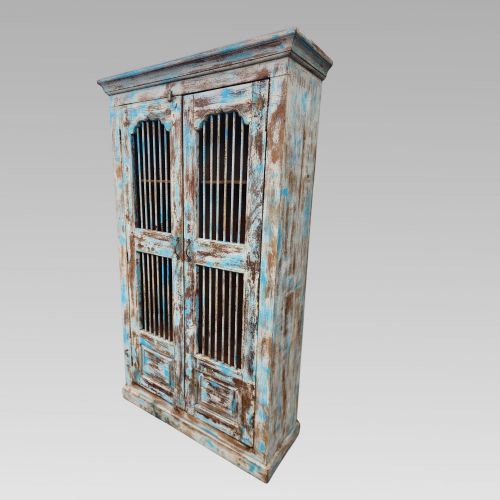
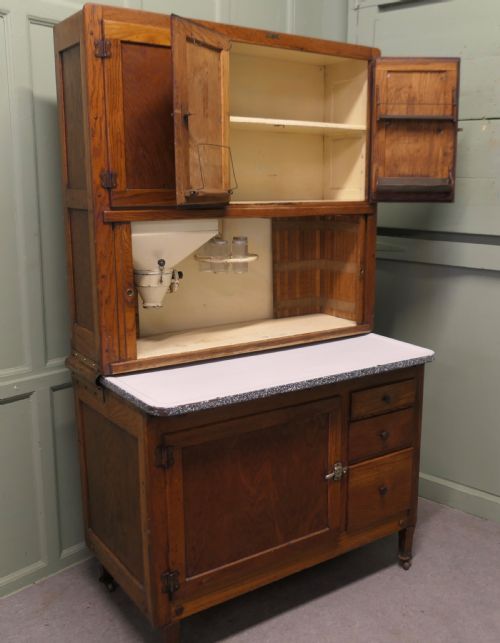
Beyond standard domestic pine, the selection includes oak kitchen cabinets, French cupboards, and specialised forms such as American Hoosier cabinets and Japanese larder units. Each object reflects the practical demands of its original kitchen or utility space.
How they were made
Construction relies heavily on solid pine and oak, joined with traditional methods to withstand daily domestic use. Panels are frequently fielded or beaded, while doors incorporate iron and brass hardware for hinges and latches.
Antique Pantry Unit Retail Price Guide 2026
Typical asking prices for pantry unit among the pieces listed under this phrase on Sellingantiques today, from the lower quarter to the upper quarter. They describe what is for sale here now, not the wider market.
Listings feature items spanning the nineteenth century up to nineteen forty, utilising pine, oak, iron, brass, and enamel.
What varies in quality
Quality in these units rests upon the integrity of the timber and the retention of original functional elements like internal shelving and drawers. Pieces retaining their early paint surfaces or specialised hardware sit differently from those stripped down to bare wood.
Proportion and scale also define the better examples, where balanced door configurations and multi-drawer bases indicate careful workshop construction rather than basic utility building.
Hudson Bros
The Antique Pantry Unit Glossary
- Housekeeper's cupboard
- A large storage cabinet traditionally used for storing linens, dry goods, and household provisions. These tall pieces often combine upper shelving with lower drawer sections.
- Hoosier cabinet
- A freestanding kitchen cabinet designed to centralize food preparation and storage. It typically includes specialised flour bins, spice jars, and work surfaces.
- Fielded panel
- A wooden panel with bevelled edges that fits into a grooved frame. This technique allows the wood to expand and contract with humidity changes.
- Vented cupboard
- A storage unit featuring perforated metal, mesh, or louvered panels. These allow air circulation to preserve food contents.
- Multi-wood
- Furniture constructed using more than one timber species. This approach often utilised available local woods for different structural parts.
Antique Pantry Unit: Frequently Asked Questions
What is an antique pantry unit?
An antique pantry unit is a large freestanding storage piece designed for kitchens and larders during the nineteenth and early twentieth centuries. These cabinets held food provisions, tableware, and household linens.
They appear in various timber forms, predominantly pine and oak, featuring shelves, drawers, and sometimes ventilated doors for food preservation.
How were larder cupboards used?
Larder cupboards served as the primary food storage before modern refrigeration. Their enclosed shelving protected dry goods from pests and dust.
Many examples included mesh or pierced metal panels to allow air circulation, keeping perishable items fresher for longer periods inside the kitchen.
How do I date a pine cupboard?
Dating a pine cupboard involves examining construction marks, timber characteristics, and hardware style. Hand-sawn boards and older jointing methods generally point towards the nineteenth century.
Later Victorian and Edwardian pieces often incorporate standardised iron hinges, machine-cut elements, and different internal layouts.
Can I paint an antique pine cabinet?
Many Victorian pine cupboards were originally painted or finished to suit domestic utility spaces. Preparing a piece for a new coat of paint or wax is a common practice among buyers.
Choosing whether to retain bare waxed timber or apply a traditional paint finish depends on the current surface condition and personal preference.