

Antique Panelled Doors
Antique panelled doors and related architectural cabinetry span several centuries of timber construction, offering enduring craftsmanship and functional presence to period interiors.
Antique Panelled Doors
Antique panelled doors and associated storage pieces encompass architectural salvage, wardrobes, sideboards, and cupboards dating from the seventeenth century through to the early twentieth century. These items reflect the domestic architecture and joinery traditions of Georgian, Victorian, Edwardian, and Regency periods.
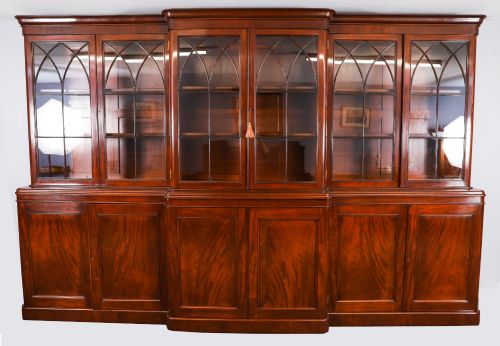
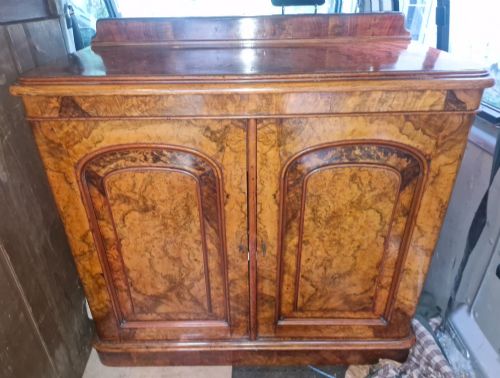
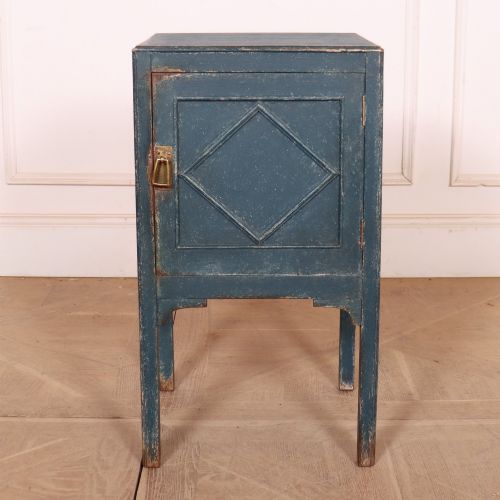
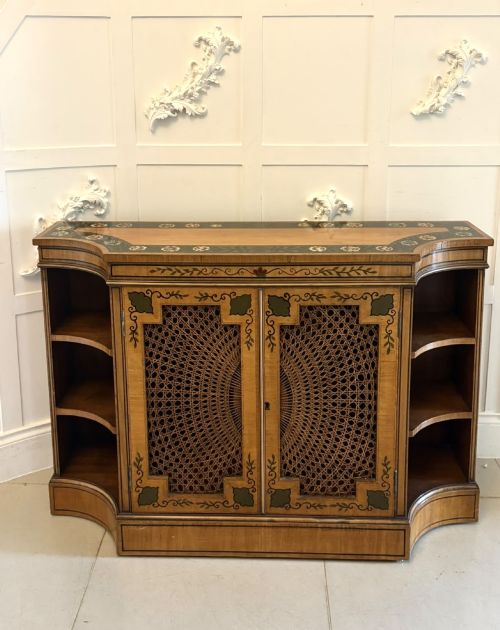
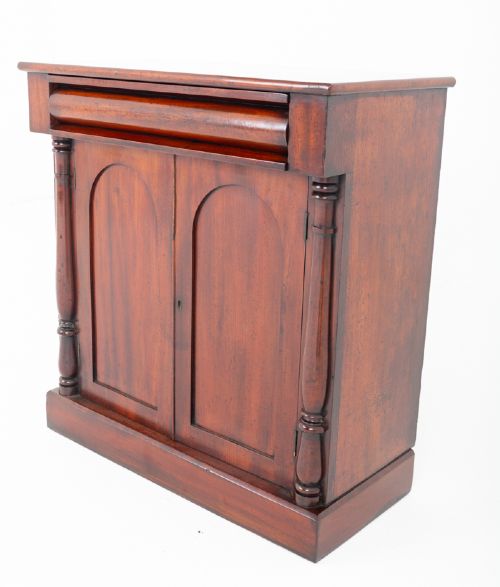
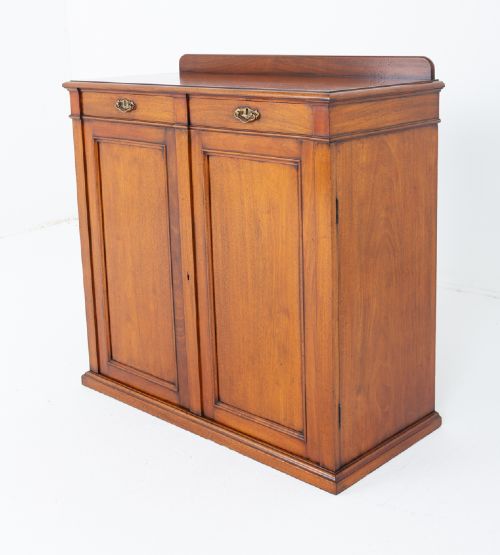
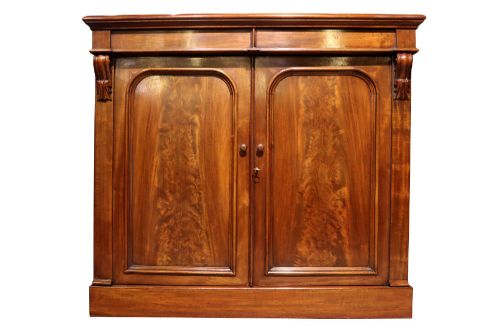
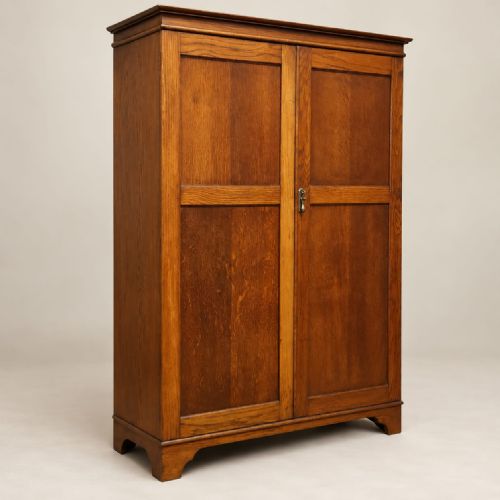
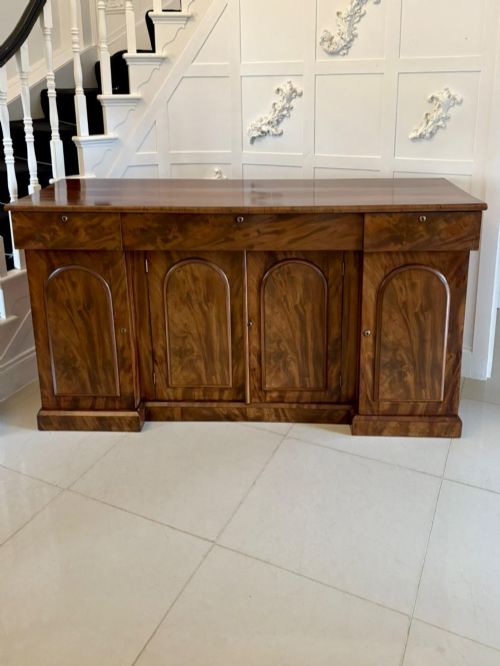
The version most frequently met on this page is the oak or mahogany cupboard, sideboard, or wardrobe featuring fielded, carved, or painted panels. Pieces range from large housekeepers' cupboards to smaller wall cabinets and architectural elements.
Makers and joiners utilised domestic and imported timbers to construct functional storage that served libraries, hallways, and bedchambers. The evolution of these forms shows a steady transition from heavy, joined structural oak towards refined mahogany and walnut veneers.
Materials and construction methods
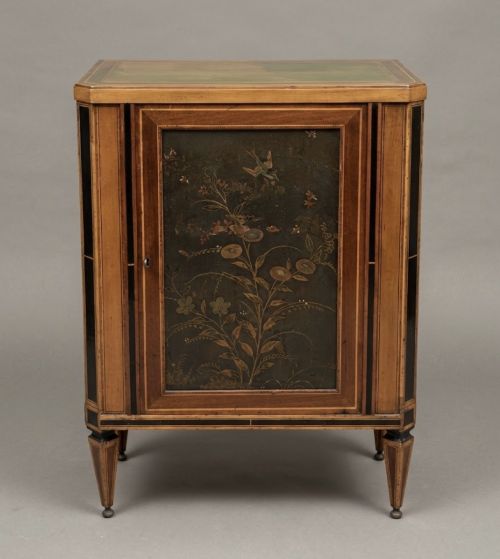
Cabinet makers relied principally on solid oak, mahogany, and pine, frequently supplemented by decorative veneers of walnut and rosewood. Iron, brass, and bronze hardware provided structural reinforcement and hinges for heavy panelled construction.
Joinery techniques involved framed panels designed to accommodate the natural seasonal expansion and contraction of timber without splitting. Carved ornamentation, fielded panels, and scumble paintwork were applied by hand to finish the surfaces.
Antique Panelled Doors Retail Price Guide 2026
Typical asking prices for panelled doors among the pieces listed under this phrase on Sellingantiques today, from the lower quarter to the upper quarter. They describe what is for sale here now, not the wider market.
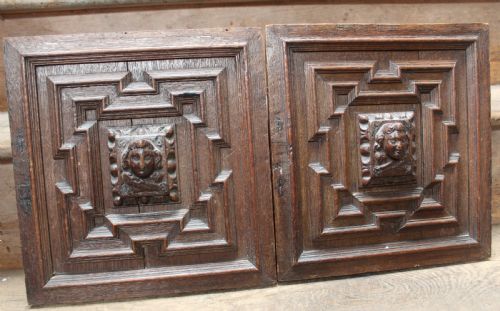
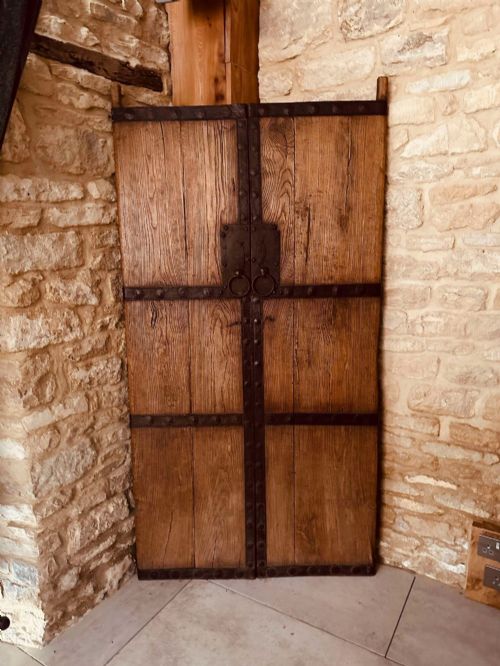
A rustic pair of oak doors carries the lingering possibility of being carved by the legendary Mouseman workshop.
Distinctions in quality and execution
The standard of a piece rests upon the selection of timber and the precision of the joinery within the panel frames. Superior examples display carefully matched grain patterns and crisp, hand-carved detailing rather than mechanical or superficial embellishment.
Integrity of structure and the survival of original brass or iron hardware distinguish finer survivals. Alterations to interiors or replacement panels reduce the architectural coherence of the piece.
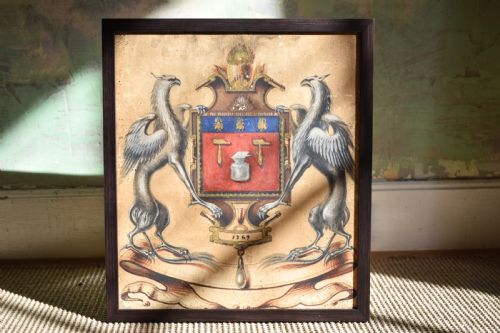
Heals·Raymond Subes
The Antique Panelled Doors Glossary
- Fielded panel
- A wooden panel with bevelled edges that fit into a grooved frame, reducing weight while allowing the wood to move with humidity changes.
- Compactum wardrobe
- A large fitted wardrobe containing compartmentalised storage, drawers, and hanging space behind multiple panelled doors.
- Scumble paintwork
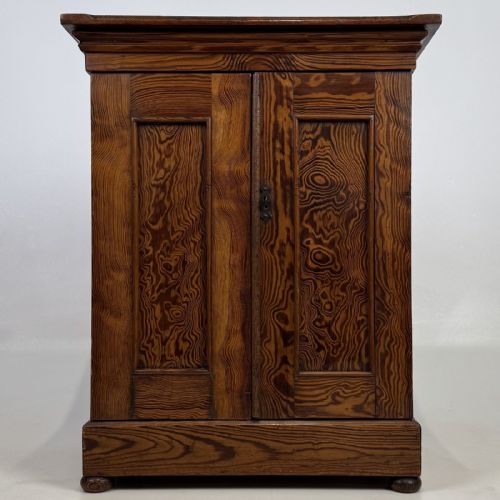
- A decorative surface treatment applied to mimic the grain of more expensive timbers like oak upon simpler woods such as pine.
- Dentil cornice
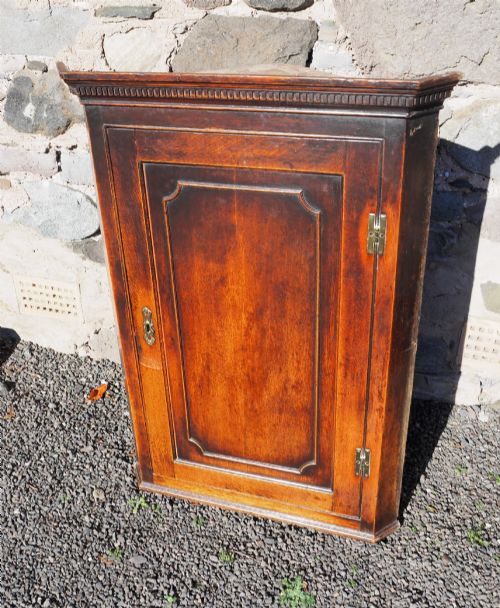
- A architectural moulding characterised by a repeating pattern of small rectangular blocks resembling teeth beneath the upper edge.
- Chiffonier
- A compact sideboard or low cabinet popular during the Regency and Victorian periods, often fitted with panelled or fabric doors.
Antique Panelled Doors: Frequently Asked Questions
How do I identify the age of panelled doors?
Age is determined by observing the timber species, construction joints such as hand-cut tenons, and the style of mouldings. Earlier pieces often display pegged joints and native oak, while later Victorian and Edwardian examples utilise machine-sawn components and factory-cast hardware.
Secondary woods at the back and drawer interiors also provide clues to the period. Examining tool marks helps differentiate hand-planed surfaces from later industrial machining.
Were these pieces used only in formal rooms?
Storage furniture and architectural elements served varied domestic functions, ranging from grand libraries and dining rooms to service areas like housekeepers' rooms and larders. Housekeepers' cupboards and larder units were built for practical storage in domestic offices rather than public display.
Over time, many utility cupboards transitioned into decorative living spaces as interior fashions changed. Their robust construction allowed them to endure centuries of shifting domestic use.
How should I care for antique timber doors and cabinets?
Maintain stable indoor humidity and temperature to prevent the solid timber panels from warping or splitting within their frames. Avoid placing pieces near direct heat sources or in strong sunlight that can dry out the wood and fade polished finishes.
Apply traditional beeswaxe sparingly to nourish the grain without building up sticky residues. Regular dusting with a soft cloth preserves the natural patina developed over centuries.
What distinguishes Georgian joinery from Victorian work?
Georgian cabinet work prioritises restrained classical proportions, architectural cornices, and dense mahogany or figured oak. Surfaces often feature subtle mouldings and understated brass fittings that complement balanced room layouts.
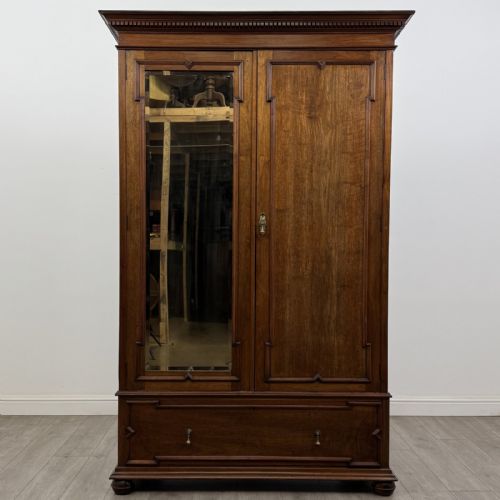
Victorian pieces tend to be heavier and more elaborately carved, reflecting industrial production methods and revival styles. Wardrobes and sideboards from this era frequently incorporate mirrored glass and extensive compartmentalised interiors.