





Antique Painting Flowers in Pots
These antique painting flowers in pots capture botanical subjects in oil or watercolour, alongside porcelain and ceramic vessels designed for display.
Antique Painting Flowers in Pots
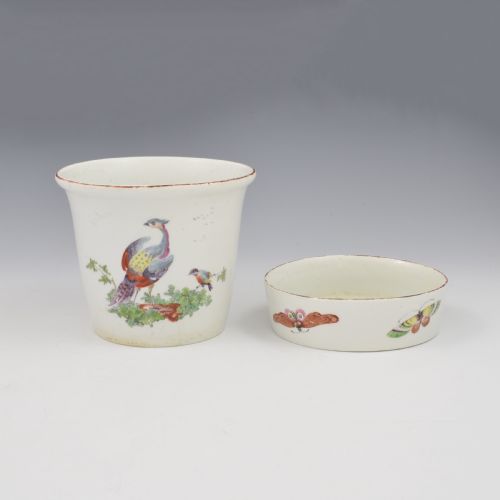
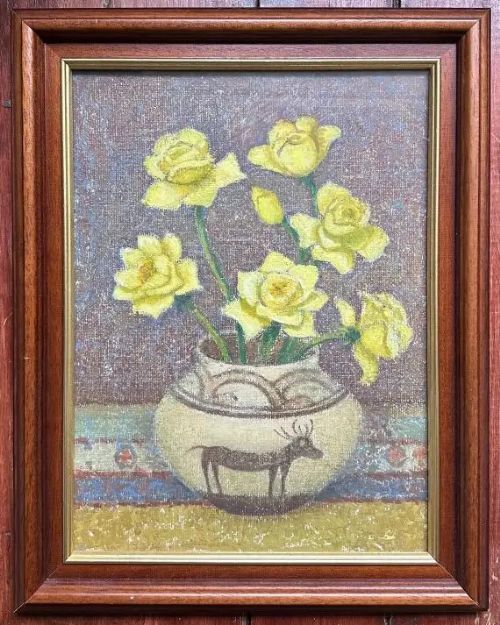
When you search for antique painting flowers in pots, you encounter oil paintings and watercolours depicting botanical subjects, alongside physical jardinieres, cachepots, and bough pots designed to hold plants. The selections span the eighteenth century, the nineteenth century, and the early twentieth century, taking in both British works and Chinese export pieces.
The physical vessels include porcelain pots, glazed earthenware, and enamel jardinières, while the flat works comprise framed watercolours of pelargoniums and oil paintings of plants in terracotta pots. You will frequently find pieces carrying Japanese Imari patterns, Chinese Famille Rose decoration, and European factory porcelain.
Makers and origins range from Derby and Coalport to Worcester, Dresden, and various Qing Dynasty kilns. The grouping bridges fine art on paper and canvas with the decorative arts of the planter and the vase.
How they were made
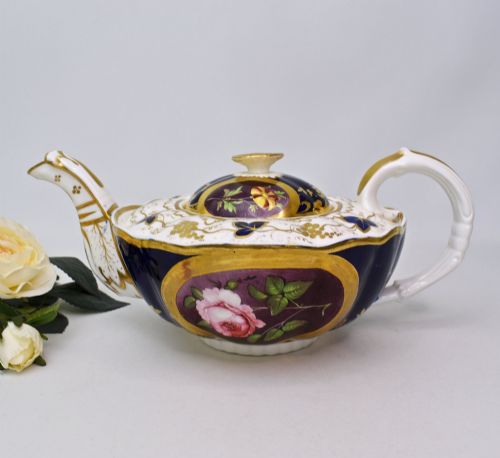
Ceramic vessels rely on porcelain, glazed earthenware, and enamel, shaped into jardinieres and bough pots then decorated with hand-painting, gilding, and gold leaf. Many porcelain pieces utilise underglaze blue or overglaze famille rose enamel palettes.
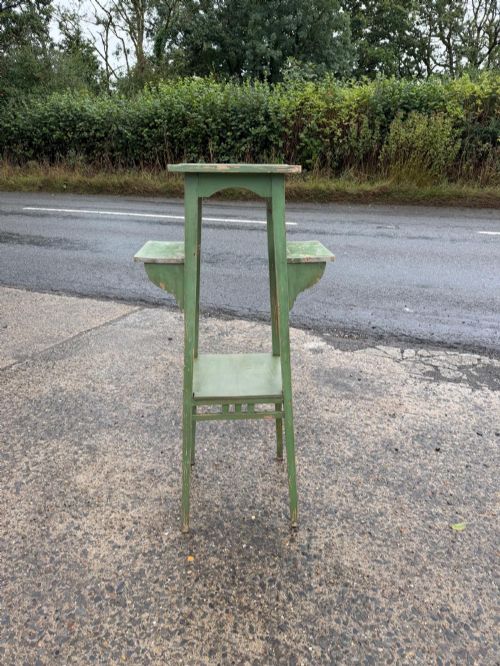
Painted works utilise oil and watercolour applied to canvas or paper, capturing floral studies with fine brushwork. Structural metal items such as plant stands employ wrought iron finished with paint.
Antique Painting Flowers in Pots Retail Price Guide 2026
Typical asking prices for painting flowers in pots among the pieces listed under this phrase on Sellingantiques today, from the lower quarter to the upper quarter. They describe what is for sale here now, not the wider market.
Listings feature porcelain, enamel, and earthenware, alongside oil paintings and watercolours spanning the eighteenth to the twentieth century.
What varies in quality
The fidelity and detail of the hand-painted decoration set the finer porcelain and ceramic items apart, particularly in the crispness of Famille Rose enamels or Imari motifs. In painted works on paper and canvas, the draftsmanship of the floral study and the handling of pigment determine distinction.
The integrity of the glaze, the presence of original paint on metal stands, and the preservation of gilded surfaces distinguish superior examples. Age-appropriate firing imperfections in older porcelain pieces sit alongside the refined execution found in established factories.
Derby Porcelain·Royal Worcester·Coalport·Moorcroft·Dresden Porcelain
The Antique Painting Flowers in Pots Glossary
- Bough pot
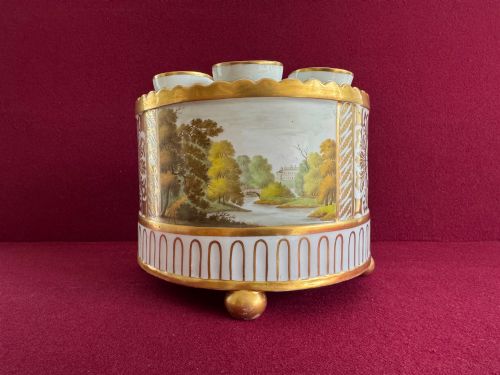
- A vessel designed to hold cut branches or flowers, often fitted with a pierced cover. These ceramic containers appeared frequently in Georgian interiors.
- Jardiniere
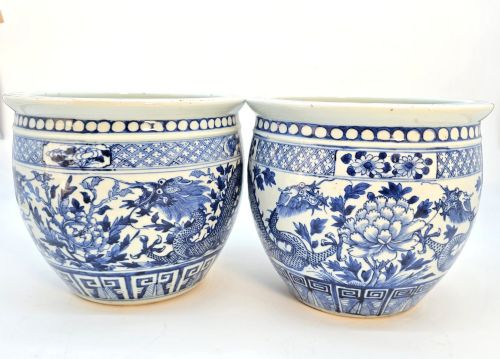
- A large decorative pot or stand used to hold live plants or floral displays. They are typically rendered in porcelain, ceramic, or enamel.
- Cachepot
- An ornamental pot used to conceal an ordinary flower pot. The term derives from the French for hiding the pot.
- Famille rose
- A palette of opaque enamel colours introduced in Chinese ceramics during the Qing dynasty. Pink enamel forms a defining characteristic of this group.
- Imari
- A style of Japanese export porcelain decorated in underglaze blue, iron red, and gold. Pieces from this tradition travelled extensively to European markets.
Antique Painting Flowers in Pots: Frequently Asked Questions
What is a bough pot used for?
A bough pot holds cut branches, flowers, or bulbs inside a room. Their pierced lids help arrange stems upright.
These ceramic vessels served a practical and decorative purpose in period interiors, bringing seasonal greenery indoors.
Where were jardinieres placed?
Jardinieres sat on tables, windowsills, or dedicated plant stands within reception rooms. Their waterproof interiors accommodated potted plants.
They allowed households to display greenery indoors while protecting furniture from moisture.
What distinguishes oil paintings from watercolours?
Oil paintings utilise pigment suspended in drying oil applied to canvas or panel, yielding rich textures and deep tones. Watercolours use water-soluble pigments on paper, creating translucent washes.
Both mediums captured botanical subjects and floral still lifes across the nineteenth and early twentieth centuries.