



Antique Painted Silhouette
An antique painted silhouette captures a crisp likeness in pigment and ink, offering an intimate glimpse into Georgian and Regency life.
Antique Painted Silhouette
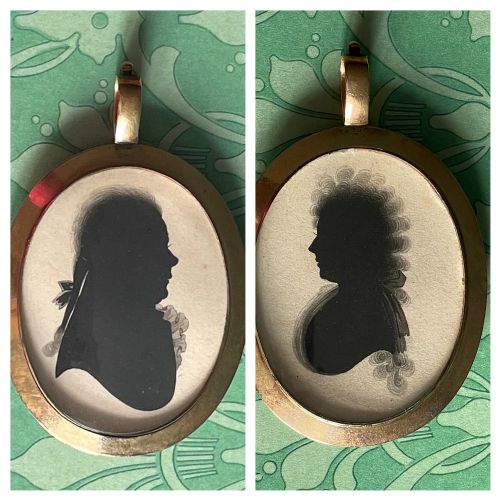
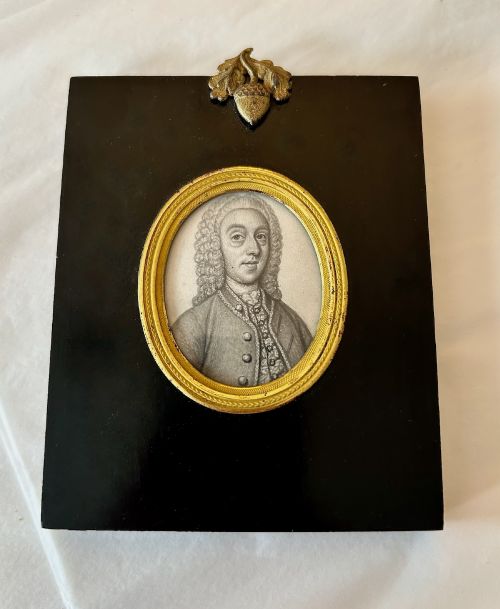
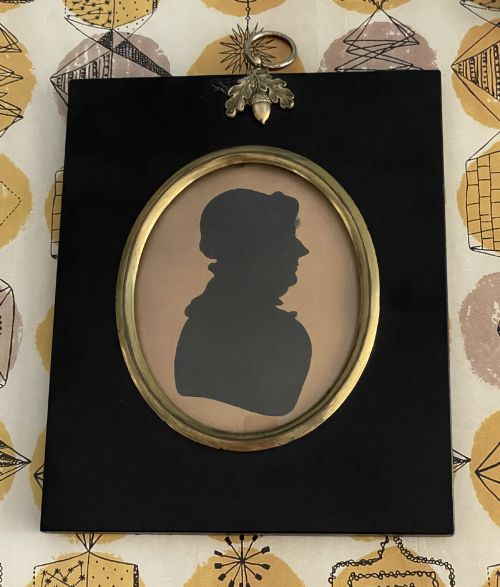
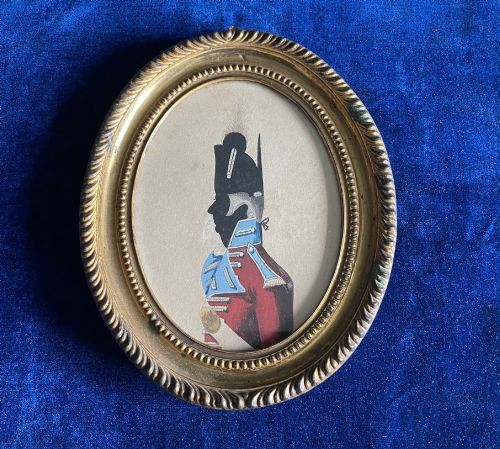
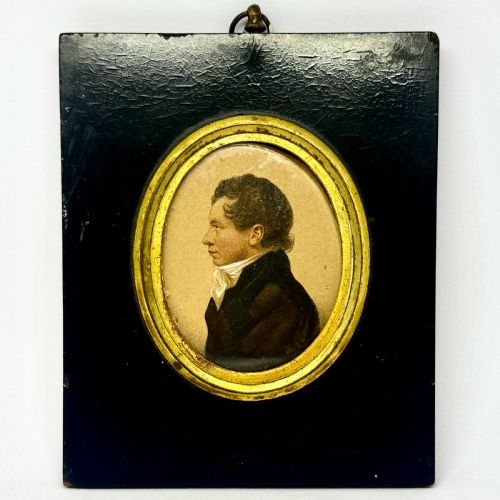
When you search for an antique painted silhouette, you encounter miniature likenesses executed with ink, paint, and pigment on glass, paper, or plaster. These works range from humble family mementoes to accomplished portraits bearing the signatures of notable practitioners.
The versions you are most likely to meet on this page hail from the eighteenth and nineteenth centuries, spanning the Georgian, Regency, and Victorian periods. They typically present framed profiles of gentlemen, ladies, and children, though maritime scenes and folk art variants also appear.
How they were made
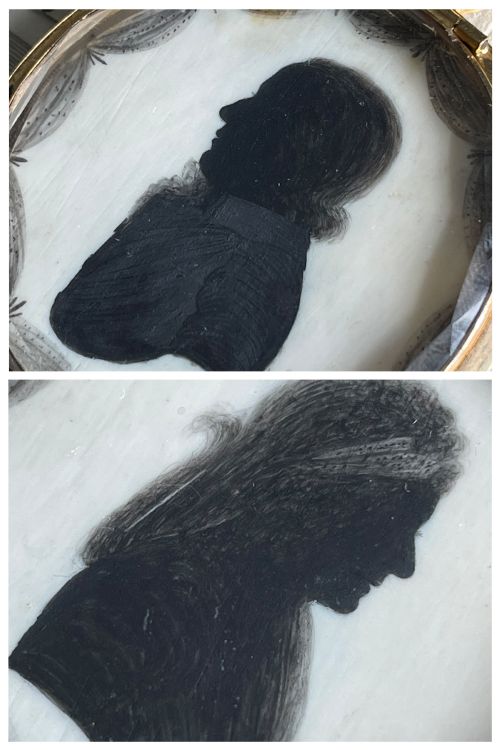
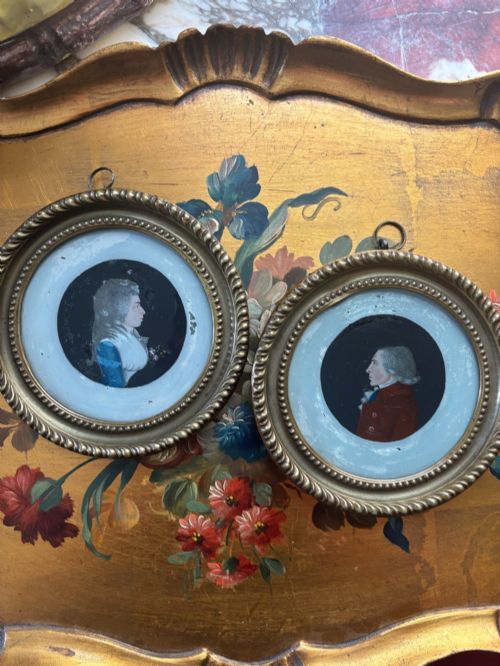
Artists utilised ink and pigment directly upon paper, card, or plaster to build the dense black profiles characteristic of the form. Many makers employed reverse painting on glass, applying pigment to the rear of the pane so the glossy front surface protected the delicate work.
Gilding with gold leaf frequently highlighted buttons, lace, and bonnets, adding a touch of illumination to the dark profile. Frames constructed from wood, maple, or rosewood, sometimes backed with brass fittings, completed the presentation.
Antique Painted Silhouette Retail Price Guide 2026
Typical asking prices for painted silhouette among the pieces listed under this phrase on Sellingantiques today, from the lower quarter to the upper quarter. They describe what is for sale here now, not the wider market.
The listings span the eighteenth, nineteenth, and twentieth centuries, featuring mediums like glass, paper, brass, and gold leaf.
What varies in quality
The finesse of the brushwork and the precision of the profile define the upper tier of these portraits. Master practitioners achieved a lifelike tension in the jawline and brow that lesser hands missed entirely.
The medium itself dictates the visual depth, with reverse glass painting and delicate gold leaf embellishments requiring superior control compared to standard ink on paper.
John Miers·J. Deacon·John Smith of Edinburgh·Alfred Darbyshire
The Antique Painted Silhouette Glossary
- Verre eglomise
- A process of applying cold painting and gold leaf to the reverse of glass. This technique creates a luminous, reflective backdrop for the painted silhouette.
- Profile
- A side-on view of the subject's face. This format formed the fundamental basis of silhouette art before the introduction of full-length figures.
- Plaster
- A moulded backing material used by prominent profileists like John Miers. It provided a textured, absorbent surface that held pigment well.
- Miniature portrait
- A small-scale painting executed with high detail. These works often served as personal tokens or jewellery pieces.
- Gilding
- The application of gold leaf to accent clothing or jewellery. It provides a sharp contrast against the dark silhouette.
Antique Painted Silhouette: Frequently Asked Questions
How do I identify a John Miers silhouette?
Look for signature trade labels pasted to the reverse of the frame, alongside the characteristic use of plaster or fine glass supports. His work displays exceptional crispness in the profile and delicate gold leaf detailing.
Authentication often rests on these contemporary trade labels and the distinctive quality of the painted pigment.
Where were silhouettes displayed in the home?
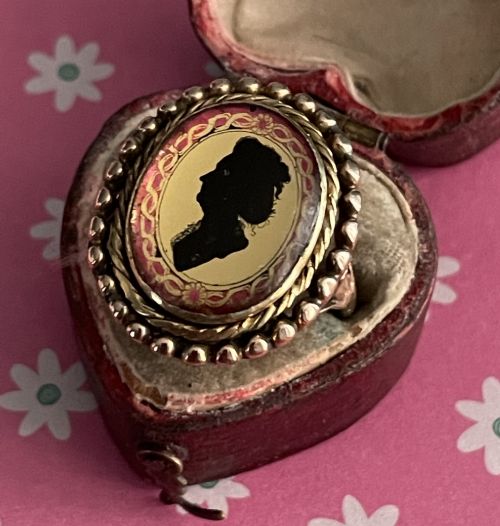
In the Georgian and Regency periods, these portraits hung in intimate spaces like parlours and bedchambers, arranged in clusters on walls. Some smaller examples were set into rings or pendants to be worn close to the body.
Their modest scale allowed owners to carry them during travel or display them on desk stands.
What is reverse glass painting?
This method involves applying ink and pigment to the back of a glass pane, viewed from the unpainted front. The glass acts as a protective glaze while giving the portrait a glossy, deep finish.
Artists often added gold leaf behind the glass to illuminate the subject's attire.
How do I date an antique silhouette?
Costume details such as bonnets, cravats, and hairstyles offer the most reliable clues to the period of execution. Framing materials and paper types also help narrow the decade of creation.
Signed pieces or those with documented provenance provide the firmest dates.