
Antique Painted Door Cabinet
An antique painted door cabinet brings colour and functional storage to a room, offering everything from modest pine cupboards to elaborate satinwood display pieces.
Antique Painted Door Cabinet
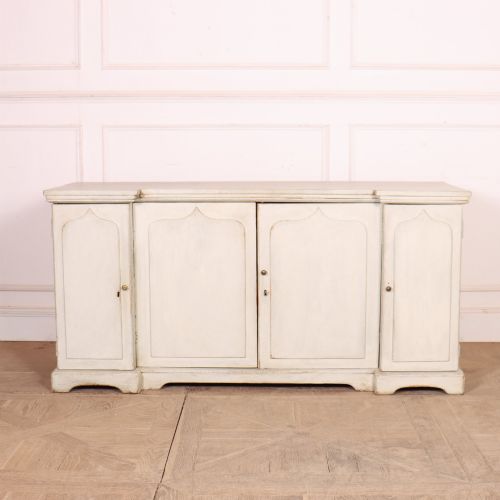
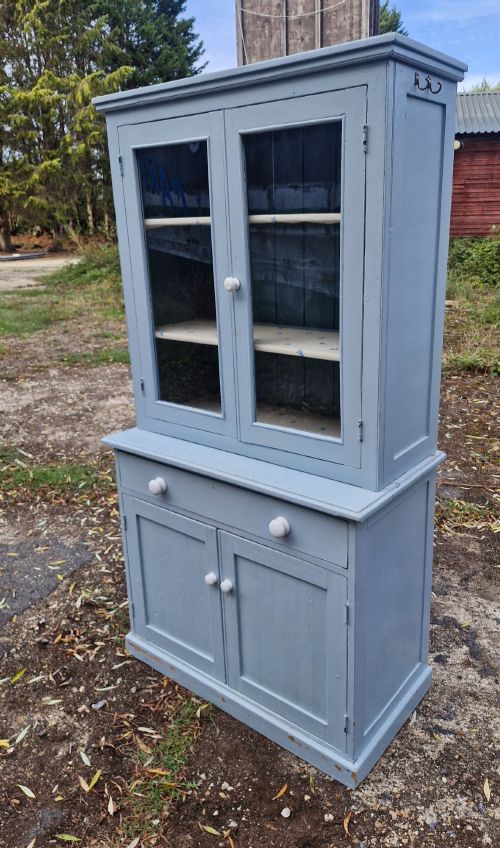
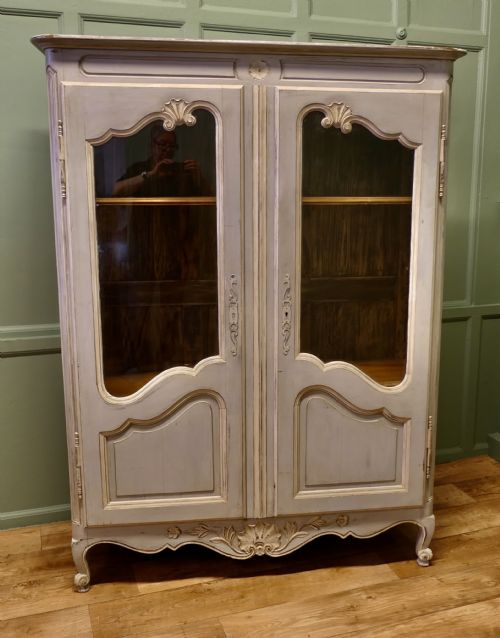
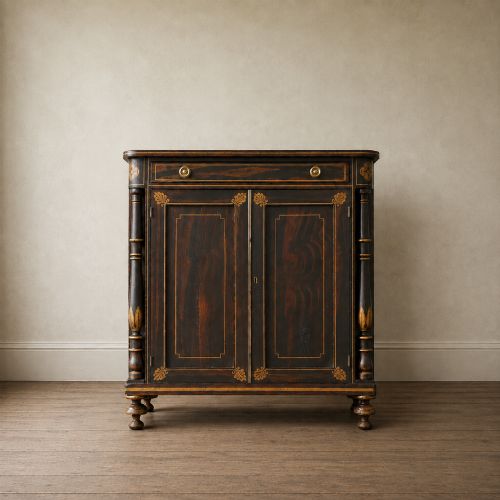
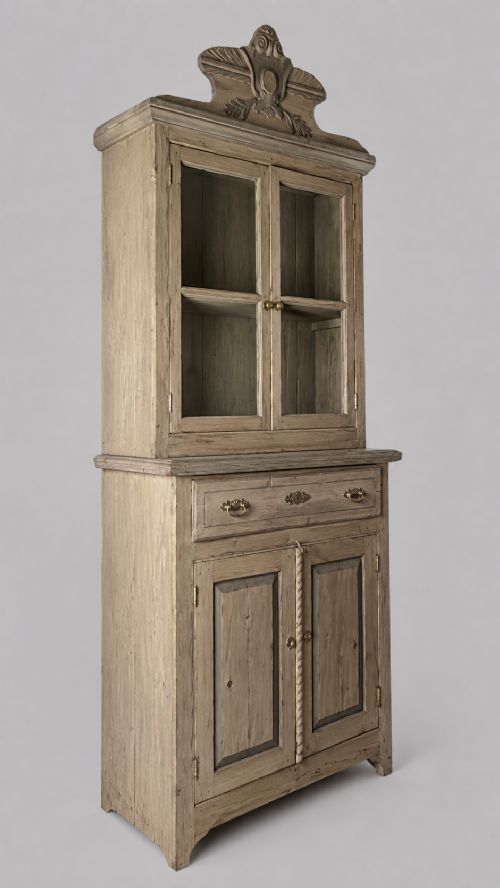
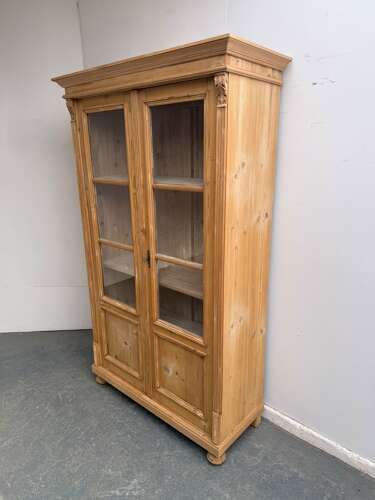
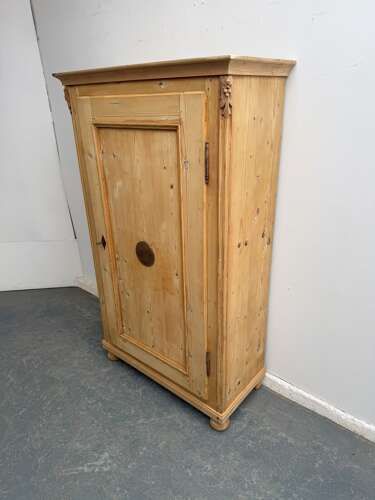
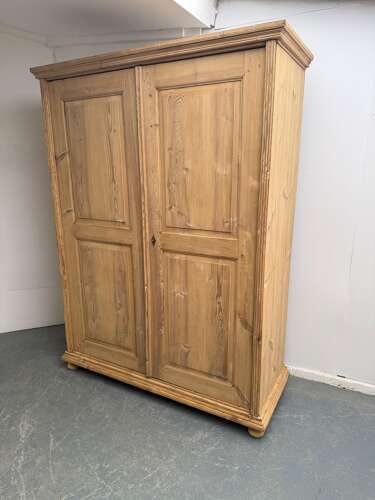
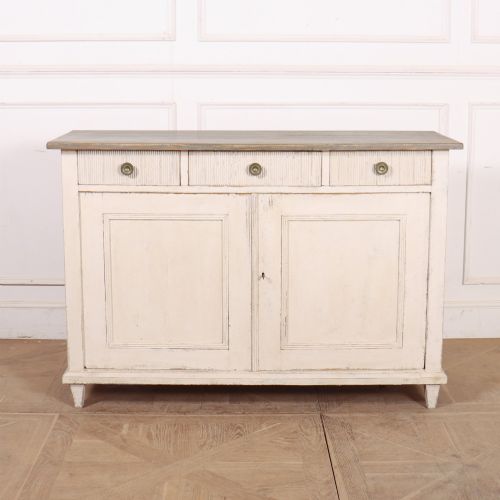
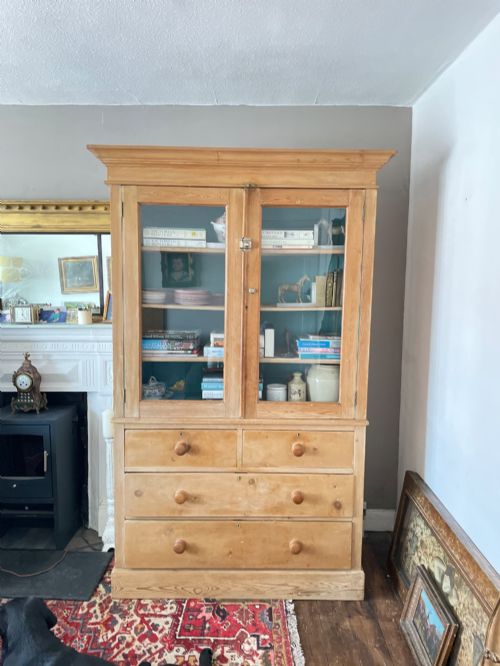
An antique painted door cabinet spans a wide variety of storage furniture, including kitchen cupboards, display cabinets, side cabinets, and wardrobes. These items serve both practical and decorative purposes within domestic spaces.
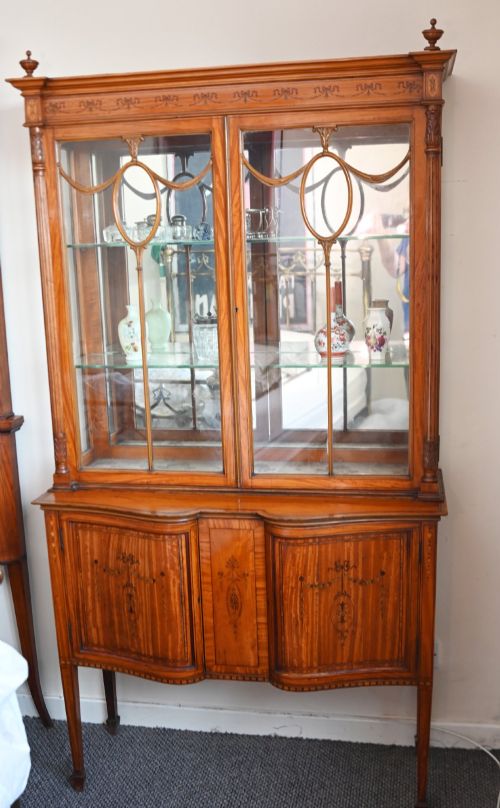
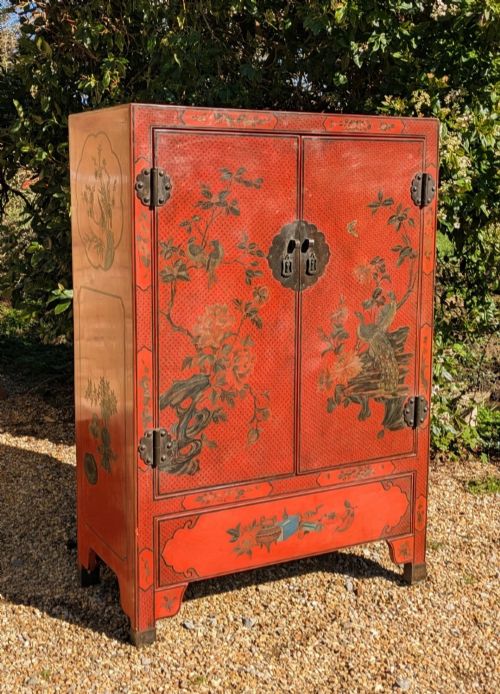
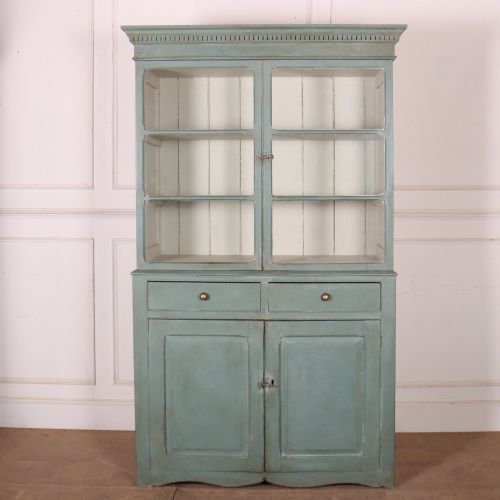
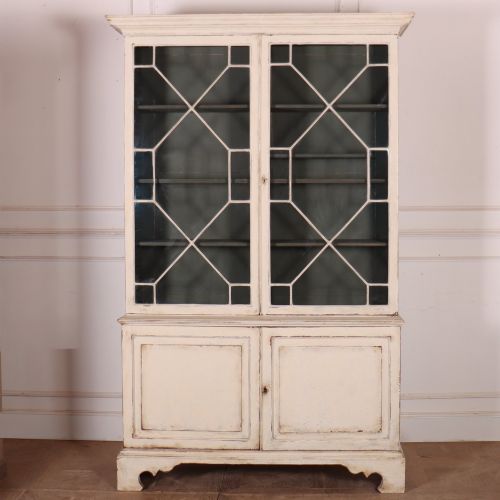
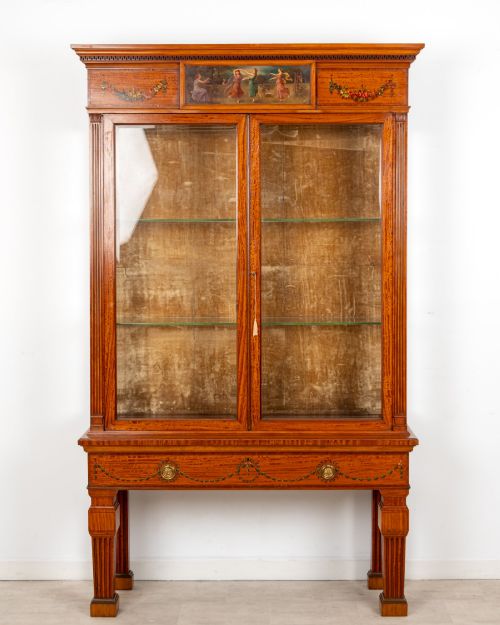
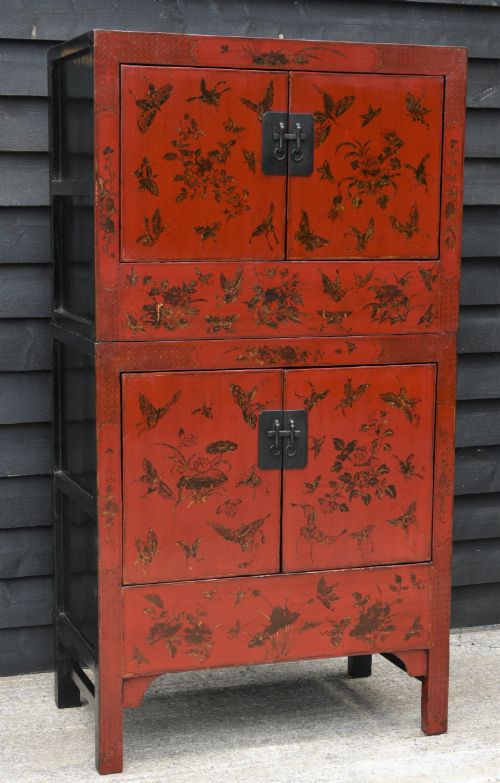
The pieces appearing on this page range from simple Georgian and Victorian pine items to more ornamental Edwardian satinwood designs and Chinese red lacquer examples. Buyers frequently encounter vernacular pine storage units alongside formal glazed bookcases.
Origins stretch across English, French, Dutch, Italian, and Chinese workshops, uniting diverse regional cabinet-making traditions under the umbrella of painted surface finishes.
Materials and construction methods
Pine serves as the primary structural timber for many utilitarian domestic cupboards, while finer display cabinets and wardrobes utilise satinwood or imported hardwoods. Metal fittings in brass and iron provide structural support and operational hardware.
Surface decoration relies on layers of paint, lacquer, and gilding, transforming plain timber grounds into vibrant panels adorned with outdoor scenes and decorative motifs.
Listings feature items spanning the eighteenth, nineteenth, and early twentieth centuries, constructed in pine, satinwood, and lacquer.
Judging quality and execution
The division between everyday utility furniture and high-status decorative pieces rests primarily in the execution of the surface finish and the selection of timber. Hand-painted panels and layered lacquer require greater artistry than simple coats of wax or flat paint.
Proportional harmony and the survival of original decorative schemes elevate certain cabinets above standard workshop production, marking the distinction between standard domestic items and commissioned works.
Hampton & Sons, London
The Antique Painted Door Cabinet Glossary
- Satinwood
- A light-coloured, fine-grained timber often utilised in high-status Edwardian and Georgian furniture. It provides a smooth surface ideal for delicate hand-painted decoration.
- Chinoiserie
- A European decorative style reflecting Chinese artistic traditions. It frequently manifests as intricate lacquerwork depicting figures, pavilions, and outdoor scenes.
- Vitrine
- A glass-fronted cabinet designed for the display of porcelain, books, or curiosities. These pieces combine glazed doors with timber frames.
- Breakfront
- A piece of furniture where the central section projects forward from the flanking sections. This configuration adds architectural depth to large cabinets and bookcases.
- Japanned
- A European imitation of East Asian lacquerwork involving layered varnishes and metallic dust. This technique creates a glossy, dark surface finish.
Antique Painted Door Cabinet: Frequently Asked Questions
Where should I place an antique painted door cabinet?
These cabinets suit dining rooms, living spaces, and hallways where they provide enclosed storage alongside visual interest. Placing them away from direct sunlight protects delicate painted surfaces and lacquer.
Selecting a room with stable humidity levels helps preserve the timber structure and prevents the painted doors from warping or cracking over time.
How do I care for antique painted surfaces?
Dusting gently with a dry, soft cloth prevents the accumulation of dirt on painted and lacquered panels. Avoid harsh chemical cleaners or excess moisture, which can lift old paint layers.
Applying specialised wax sparingly to unpainted timber sections maintains the wood, but painted surfaces generally require only gentle cleaning to preserve their historic patina.
What is the difference between a cupboard and a vitrine?
Cupboards feature solid wooden doors designed to conceal stored items from view. They typically serve utilitarian storage roles in kitchens, bedrooms, and general domestic spaces.
Vitrines incorporate glass panels within the doors to display the contents within. They prioritize decorative presentation over hidden storage.
How do I identify a Georgian painted cabinet?
Georgian cabinets often display classic architectural proportions, simple cornices, and understated hardware reflecting 18th-century design principles. Painted finishes on these pieces may be later additions or early regional decorative layers.
Examining the construction joints, such as hand-cut dovetails and backboards, helps confirm the age of the underlying timber structure.