

Antique Painted Console
An antique painted console brings surface texture and historic colour to a hallway or reception room.
Antique Painted Console
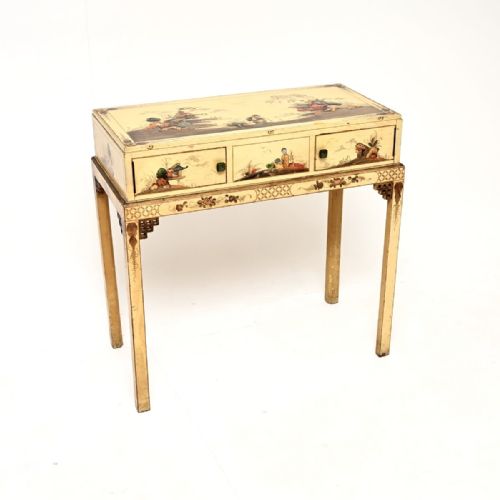
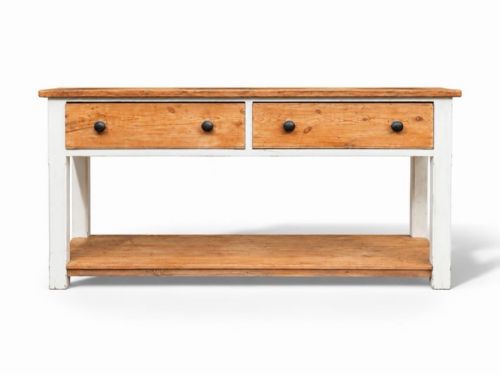
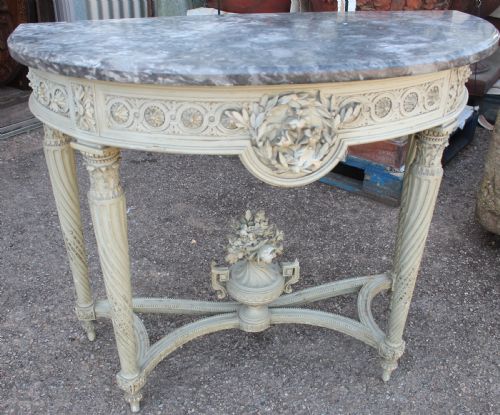
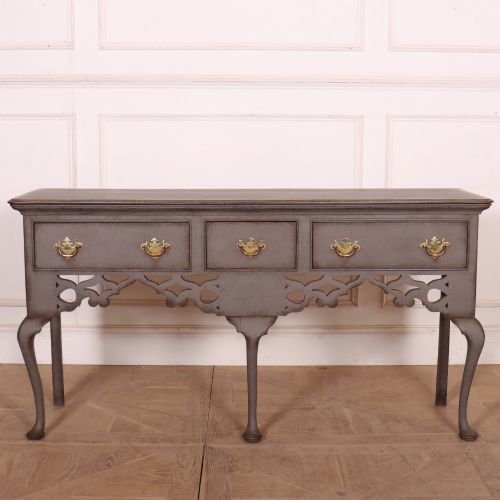
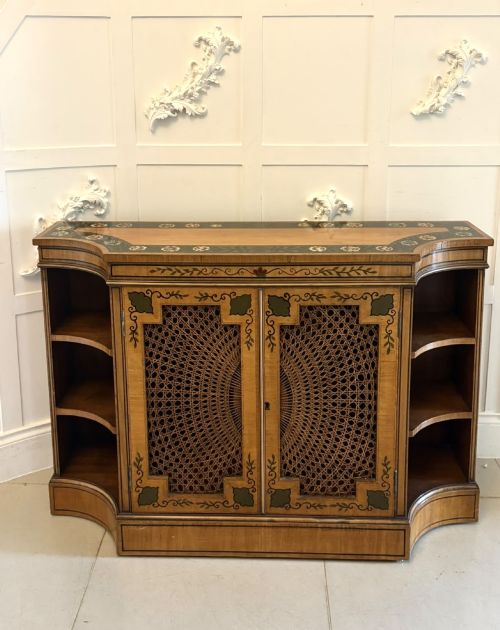
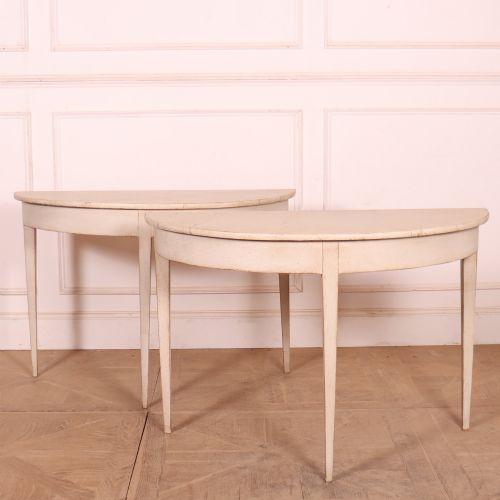
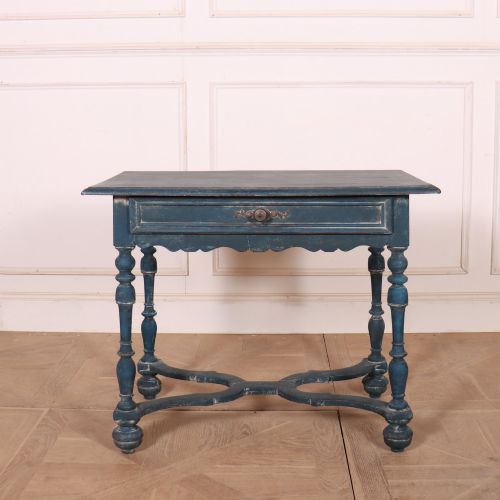
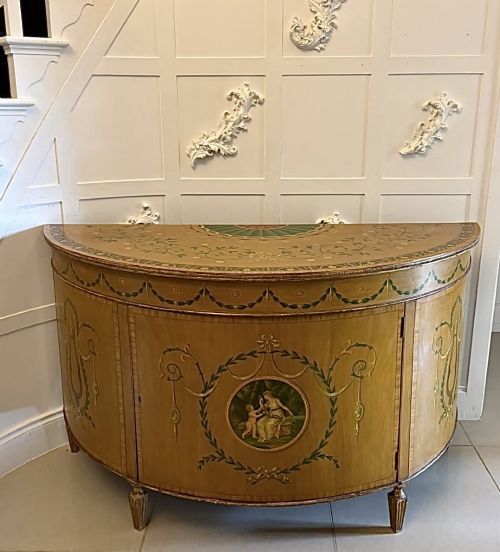
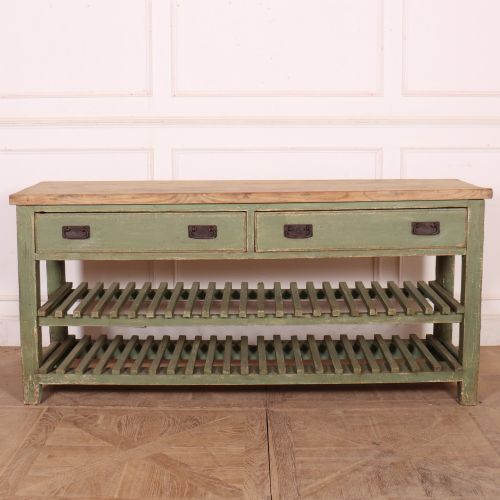
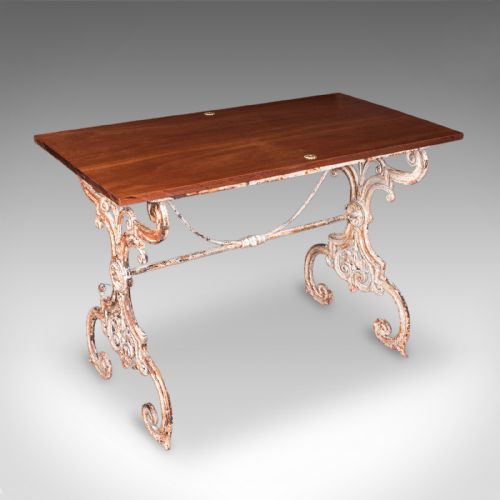
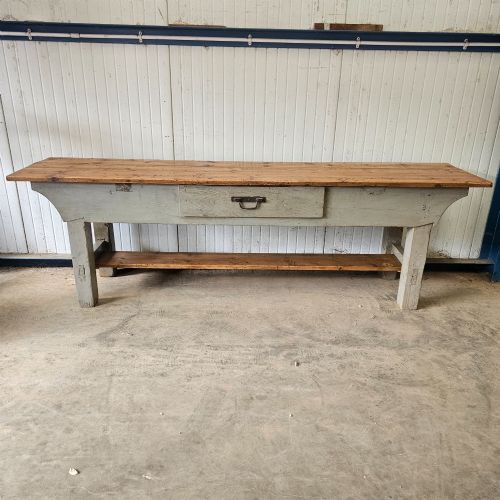
An antique painted console sits flat against a wall, serving as a display surface or serving table in domestic interiors. When exploring the category of antique painted console, buyers encounter diverse forms ranging from narrow pier tables to robust farmhouse dresser bases and drapers tables.
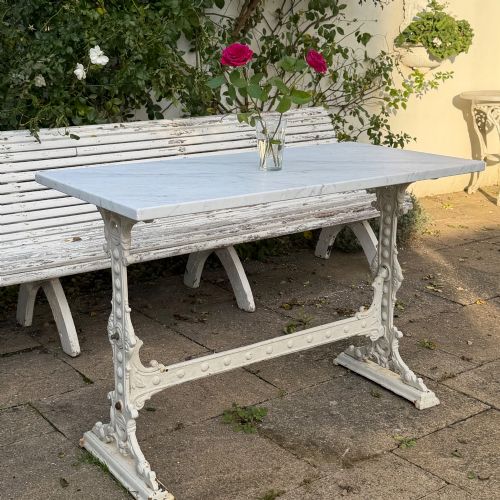
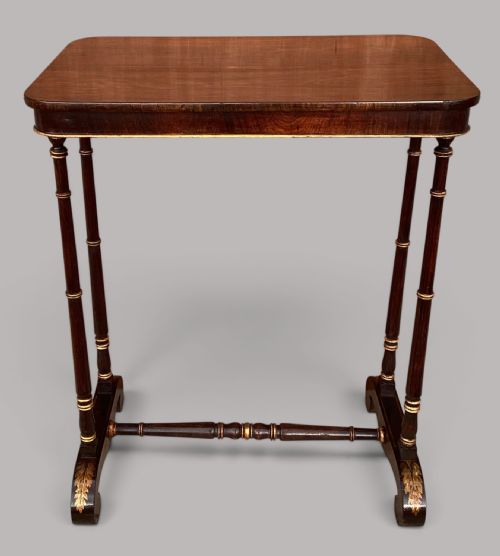
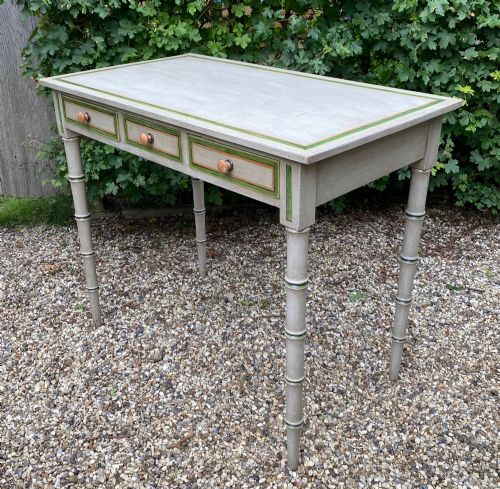
Makers adapted the console format for various domestic tasks, producing worktables, card tables, and serving counters finished with decorative paint schemes. These tables often incorporate functional elements such as lower potboards, drawers, or marble tops designed for practical utility.
Materials and construction methods
Carpenters utilised native timbers such as pine, oak, and assorted hardwoods to build the primary framework of these tables. Construction frequently relied on traditional joinery methods suited to domestic and farmhouse furniture.
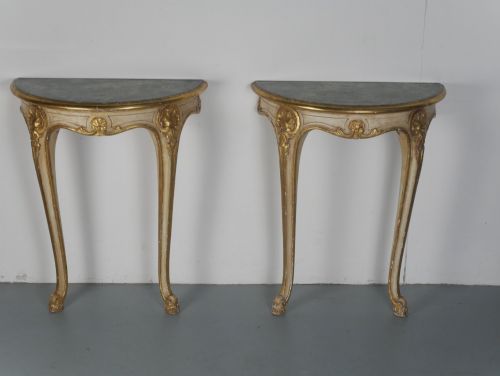
Surfaces received layers of pigment and protective coatings, including original paint, scumble glazes, lacquered finishes, and occasional parcel gilt details. Marble inserts also appear on select French and Italian console tables to provide a durable prep surface.
Antique Painted Console Retail Price Guide 2026
Typical asking prices for painted console among the pieces listed under this phrase on Sellingantiques today, from the lower quarter to the upper quarter. They describe what is for sale here now, not the wider market.
Several tables show traces of flour and butter stains from long-forgotten bakery and dairy tasks.
Evaluating craftsmanship and finish
The integrity of the underlying timber framework and the preservation of original pigment define the upper tier of pieces. Tables retaining genuine early surface patination demonstrate greater historical value than those with later decorative interventions.
Refinement in carving, such as neoclassical details or hand-carved mounts, distinguishes bespoke urban commissions from utilitarian country furniture. Proportions and the balanced integration of secondary elements like shelves or brass hardware indicate the maker's skill.
The Antique Painted Console Glossary
- Console table
- A table designed to stand against a wall, frequently supported by wall brackets or front legs. These pieces traditionally served decorative functions in grand halls or formal reception spaces.
- Dresser base
- A lower storage unit featuring drawers and sometimes a lower potboard shelf. These sturdy pieces originated in kitchens and dining rooms for food preparation and tableware storage.
- Potboard
- An open slatted lower shelf incorporated into the base of a dresser or console table. This feature allowed household staff to store heavy earthenware pots off the damp floor.
- Scumble
- A decorative painting technique involving translucent or semi-opaque glazes dragged over a lighter base coat. Artisans utilised this method to simulate grain patterns or create mottled textures on pine furniture.
- Demi-lune
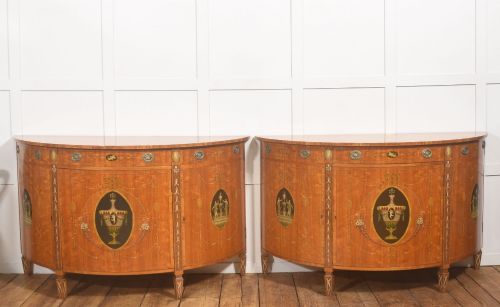
- A half-moon shape used to describe the curved top and frame of specialised console tables. These pieces fit tightly against flat walls to save floor space in narrow hallways.
Antique Painted Console: Frequently Asked Questions
Where should I place a console table?
These tables suit narrow entrance halls, reception rooms, and dining spaces where floor space is at a premium. Their shallow depth allows them to sit against walls without obstructing pathways.
Position a mirror above the console to complete a traditional hallway arrangement, or use it to display lamps and decorative objects.
How do I care for original paint?
Dust surfaces gently with a dry, soft cloth and avoid chemical cleaners or excessive moisture. Protecting the pigment layer preserves the historic character of the finish.
Keep wooden furniture away from direct heat sources and strong sunlight to prevent the paint from drying out or fading over time.
What is a drapers table?
A drapers table is a long, utilitarian worktable historically used in fabric shops for measuring and cutting textiles. They offer generous surface area and sturdy timber construction.
In modern interiors, these tables function well as kitchen islands, serving stations, or large console desks.
How can I identify a provincial piece?
Provincial pieces often display simpler joinery and heavier proportions than urban furniture created in capital workshops. Makers utilised locally available woods such as pine rather than imported exotic timbers.
These regional tables carry the distinct aesthetic of country workshops, reflecting the daily practical needs of rural households.