

Antique Padlock
An antique padlock represents a tangible piece of history, functioning primarily as a secure fastening or a charming personal adornment.
Antique Padlock
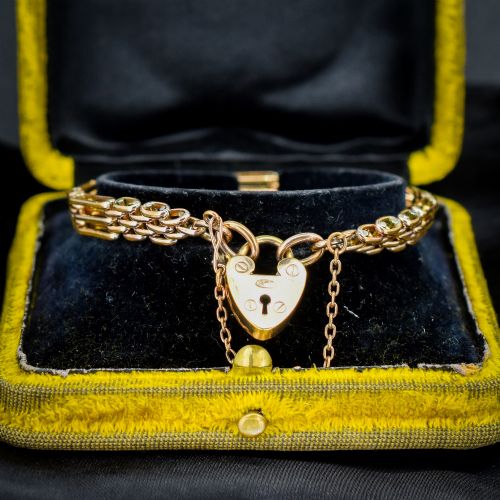
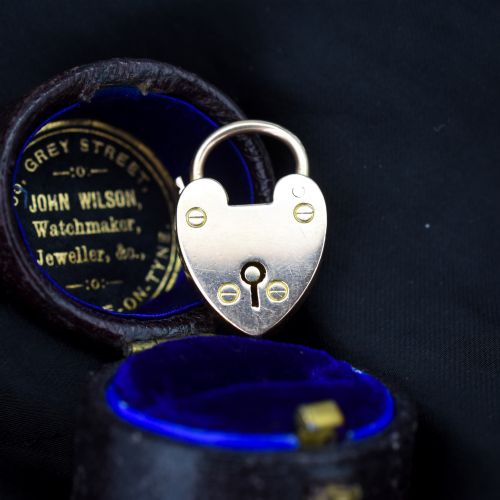
An antique padlock encompasses a varied selection of items, ranging from functional utility objects to decorative jewellery components. Buyers exploring this category encounter functional security devices alongside wearable items designed to secure bracelets or adorn chains.
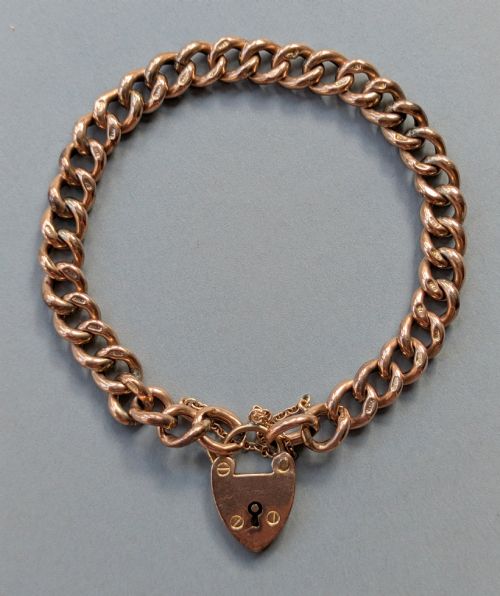
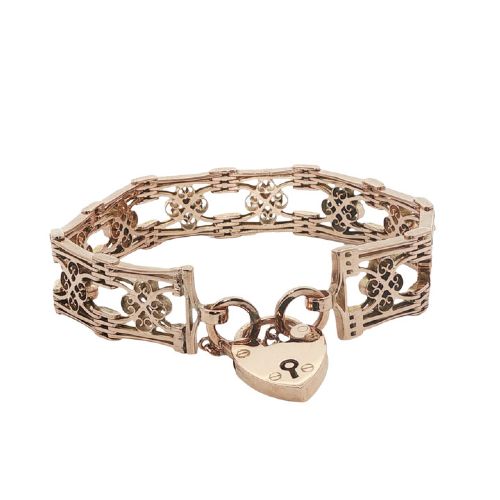
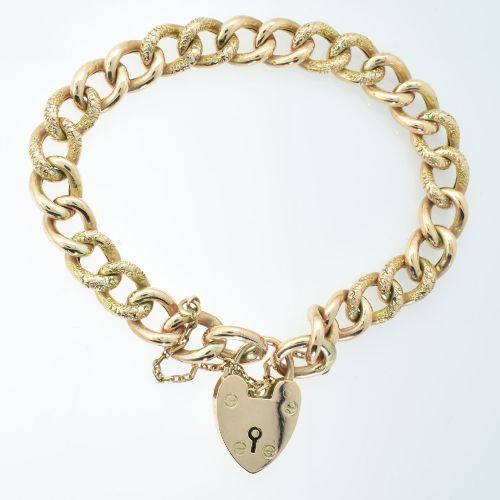
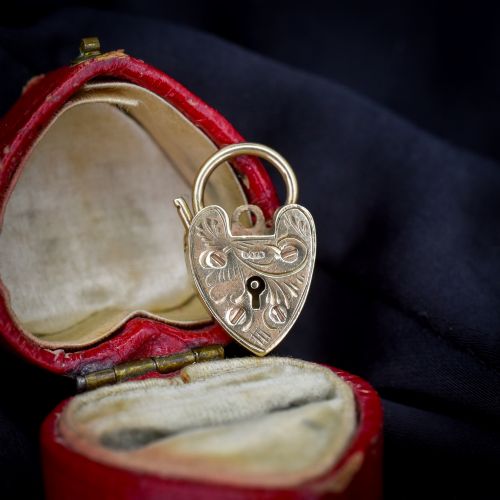
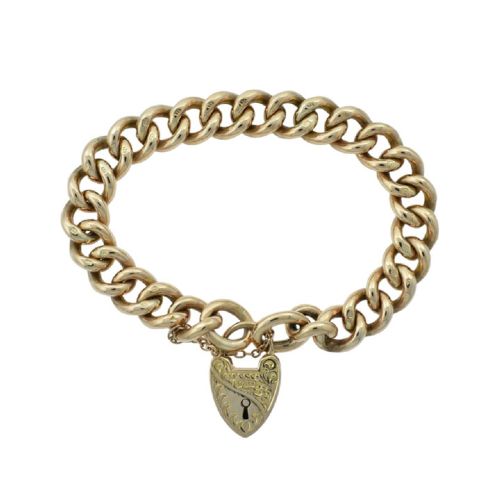
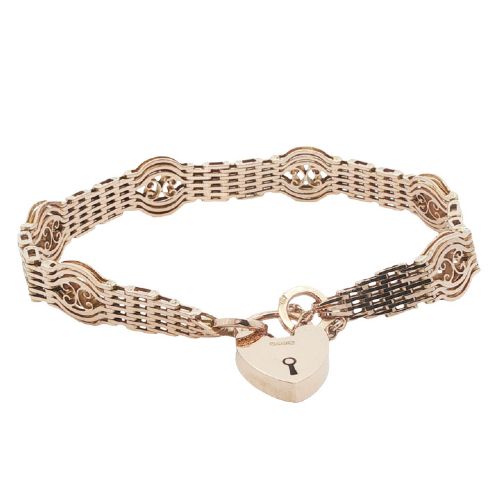
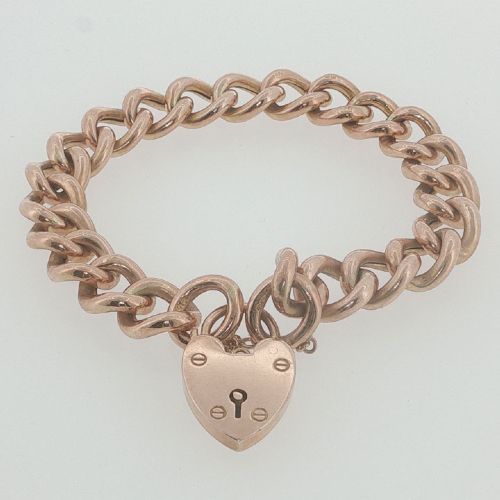
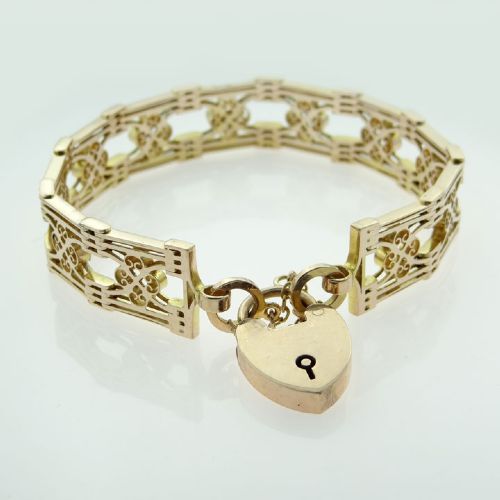
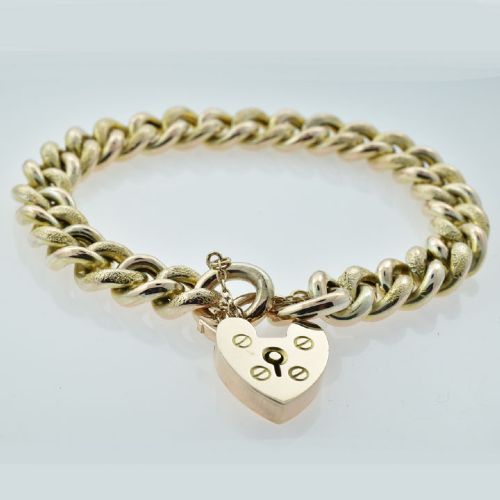
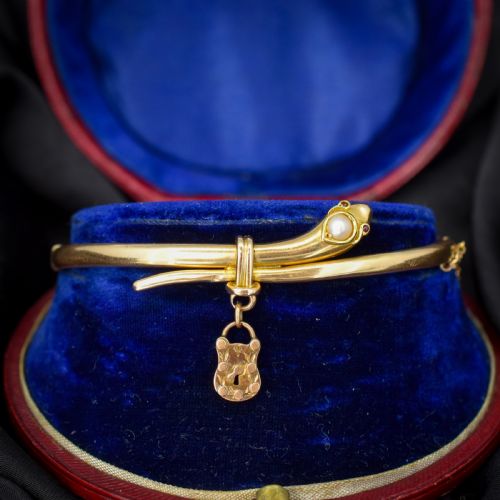
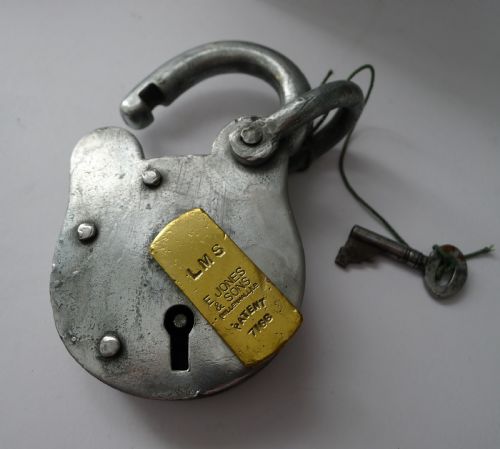
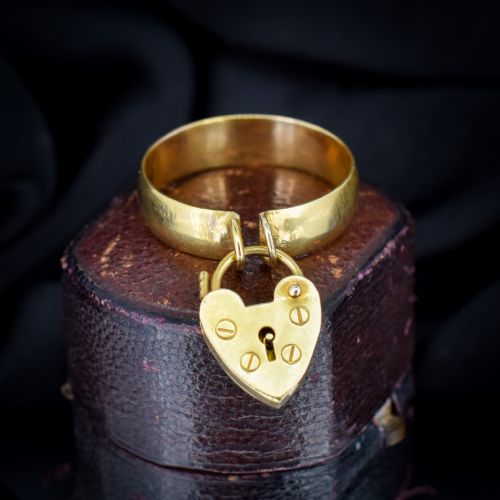
The selections span multiple eras, with Victorian and Edwardian examples appearing frequently alongside pieces from the early twentieth century. Common forms include heart-shaped charms, gate bracelets fitted with locking clasps, and utilitarian brass mechanisms from railway and customs applications.
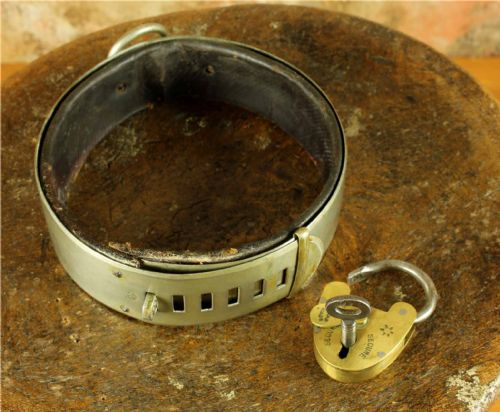
Origins stretch across British, French, and Scottish workshops, utilising materials that shift from robust iron and brass to precious gold and silver settings. The physical configuration alters depending on the intended use, moving from substantial dog collars to delicate pendant rings.
What varies in quality
The standard of craftsmanship shows in the depth and precision of hand engraving upon gold surfaces and the structural integrity of hinged mechanisms. Pieces featuring integrated gemstones or intricate gate links demonstrate a higher degree of benchwork than plain functional designs.
Preservation of original components, such as accompanying keys or matching hallmarked links, influences the integrity of the surviving item. Material composition also creates clear distinctions, separating solid gold and silver examples from silver-plated or base metal hardware.
Antique Padlock Retail Price Guide 2026
Typical asking prices for padlock among the pieces listed under this phrase on Sellingantiques today, from the lower quarter to the upper quarter. They describe what is for sale here now, not the wider market.
Listings feature 9ct gold, rose gold, silver, brass, and iron materials across Victorian, Edwardian, and twentieth-century periods.
The Antique Padlock Glossary
- Padlock
- A detachable lock with a shackle that can be opened or released, utilised either for functional security or as a decorative clasp on jewellery.
- Curb Chain
- A type of jewellery chain formed of interlocking uniform links that lie flat when placed on a surface.
- Gate Bracelet
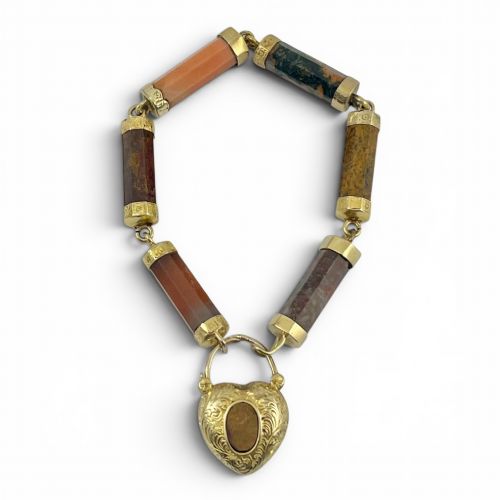
- A bracelet style composed of parallel rectangular metal links connected by small vertical links, commonly fastened with a heart padlock.
- Niello
- A black metallic alloy used as a decorative inlay on engraved metal surfaces to create high-contrast patterns.
- Agate
- A variety of chalcedony quartz frequently cut and polished for use in Scottish Victorian jewellery mountings.
Antique Padlock: Frequently Asked Questions
What is an antique padlock?
An antique padlock is a fastening device or jewellery component produced in past centuries, utilising materials like gold, silver, brass, and iron.
These pieces range from functional utility locks used on railways and dog collars to decorative heart-shaped clasps worn on charm bracelets and chains.
How were antique padlocks used?
Utility versions secured doors, railway equipment, customs items, and animal collars, whilst jewellery variations served as functional clasps for charm bracelets and gate links.
Many examples functioned simultaneously as secure fastenings and sentimental personal ornaments, often worn suspended from chains or rings.
How do I care for gold padlocks?
Gold padlocks require gentle cleaning with a soft cloth and warm soapy water to preserve the metal surface and any engraved details.
Harsh chemicals or abrasive brushes should be avoided to protect delicate gem settings such as pearls, diamonds, and agates.
How do I identify Victorian padlocks?
Victorian padlocks often display hallmarks indicating assay offices like Birmingham or Chester, alongside characteristic design motifs such as hand-engraved scrollwork and heart shapes.
Materials commonly associated with this period include 9ct rose gold, silver, and Scottish agate inserts.