



Antique Oyster Veneer Drawers
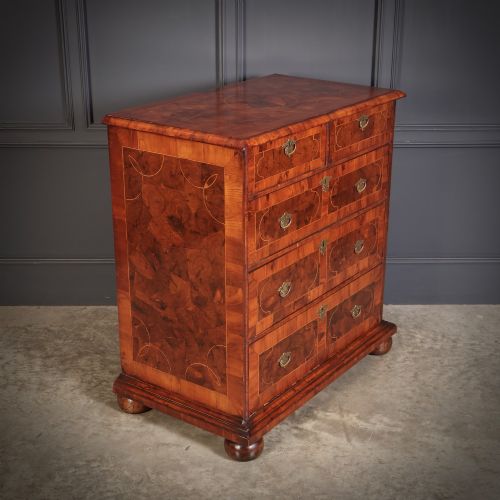
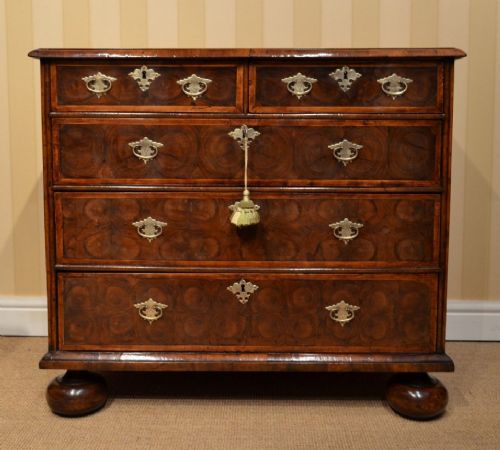
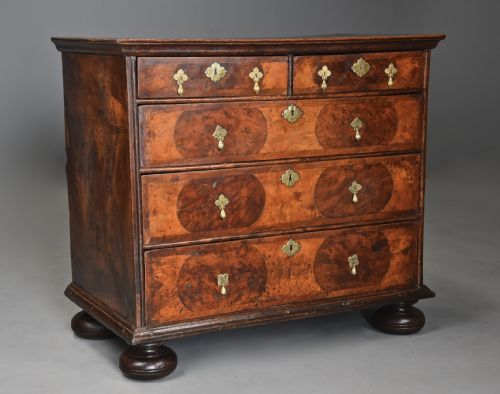
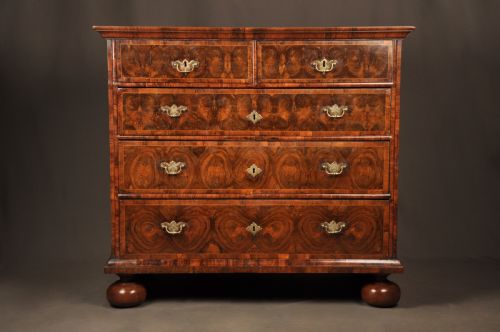
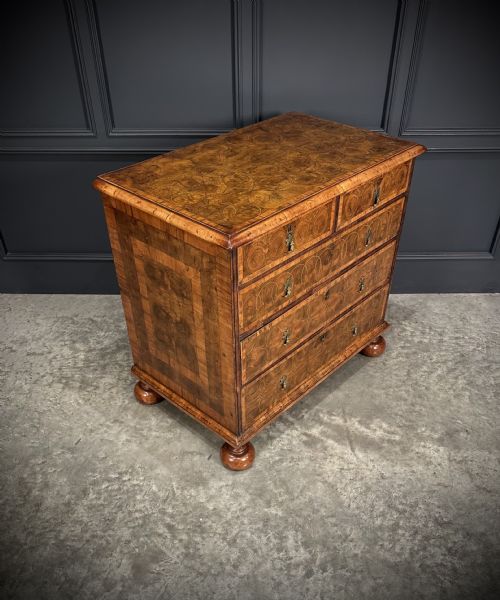
Antique oyster veneer drawers bring supreme circular grain patterns into a room, offering rich timber surfaces shaped in the seventeenth and eighteenth centuries.
Antique Oyster Veneer Drawers
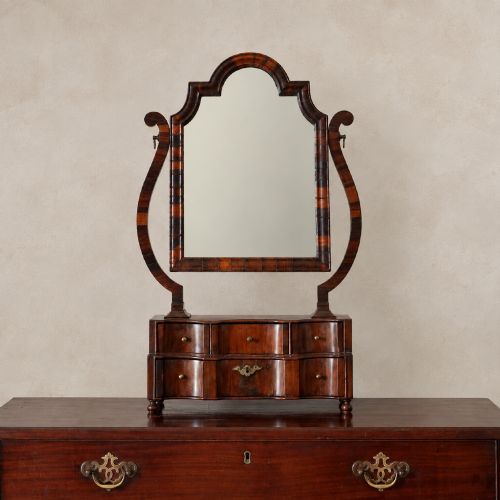
When you search for antique oyster veneer drawers, you encounter timber sliced across small branches to create circular cross-sections resembling oyster shells. These pieces appear predominantly in chests of drawers, chests on stand, and toilet mirrors originating from the seventeenth and eighteenth centuries, with occasional twentieth-century revivals.
The most common forms on this page include William and Mary and Queen Anne chests of drawers and chests on stand. Makers arranged these round veneers across drawer fronts and top surfaces, often framing them with geometric banding.
Examples date from the seventeenth century and the eighteenth century, alongside Georgian periods and a 1920 revival. Woods such as walnut, laburnum, olivewood, and yew feature extensively across these historic forms.
How they were made
Cabinetmakers sliced branch wood at an angle to produce the signature elliptical or circular veneer patterns. These small sections were painstakingly laid onto secondary wood foundations in geometric patterns.
Craftsmen incorporated contrasting timbers like boxwood for stringing and inlay work to border the oyster panels. Brass hardware, including drop handles and escutcheons, was fitted to complete the drawer fronts.
Every single slice of branch wood looks remarkably like a tiny wooden oyster waiting to be shucked on your chest.
What varies in quality
Quality rests on the density and precision of the circular veneer arrangement across the primary surfaces. Finer examples display meticulous matching of the wood grain across multiple drawers without awkward interruptions.
The choice of underlying timber and secondary woods defines the tier of craftsmanship. Superior pieces utilise rich walnut, olivewood, or laburnum combined with intricate boxwood inlay and stable carcase construction.
The Antique Oyster Veneer Drawers Glossary
- Oyster veneer
- Slices of timber cut transversely from small branches or roots to expose circular growth rings. This technique creates a distinctive repeating pattern across furniture surfaces.
- Chest on stand
- A cabinet of drawers sitting upon an elevated frame with legs. This form lifts the main storage body off the floor.
- Stringing
- Thin inlays of contrasting wood inserted into grooves on drawer fronts or tabletops. Boxwood is frequently utilised for this linear decoration.
- Marquetry
- Elaborate patterns formed by fitting together pieces of veneer onto a structure. This technique appears on select seventeenth-century walnut pieces.
Antique Oyster Veneer Drawers: Frequently Asked Questions
What is oyster veneer?
Oyster veneer consists of transverse slices taken from small tree branches or roots. These circular pieces create patterned surfaces resembling oyster shells.
Cabinetmakers arranged these sections across drawer fronts and tops during the seventeenth century to display decorative grain.
How do I style an oyster chest?
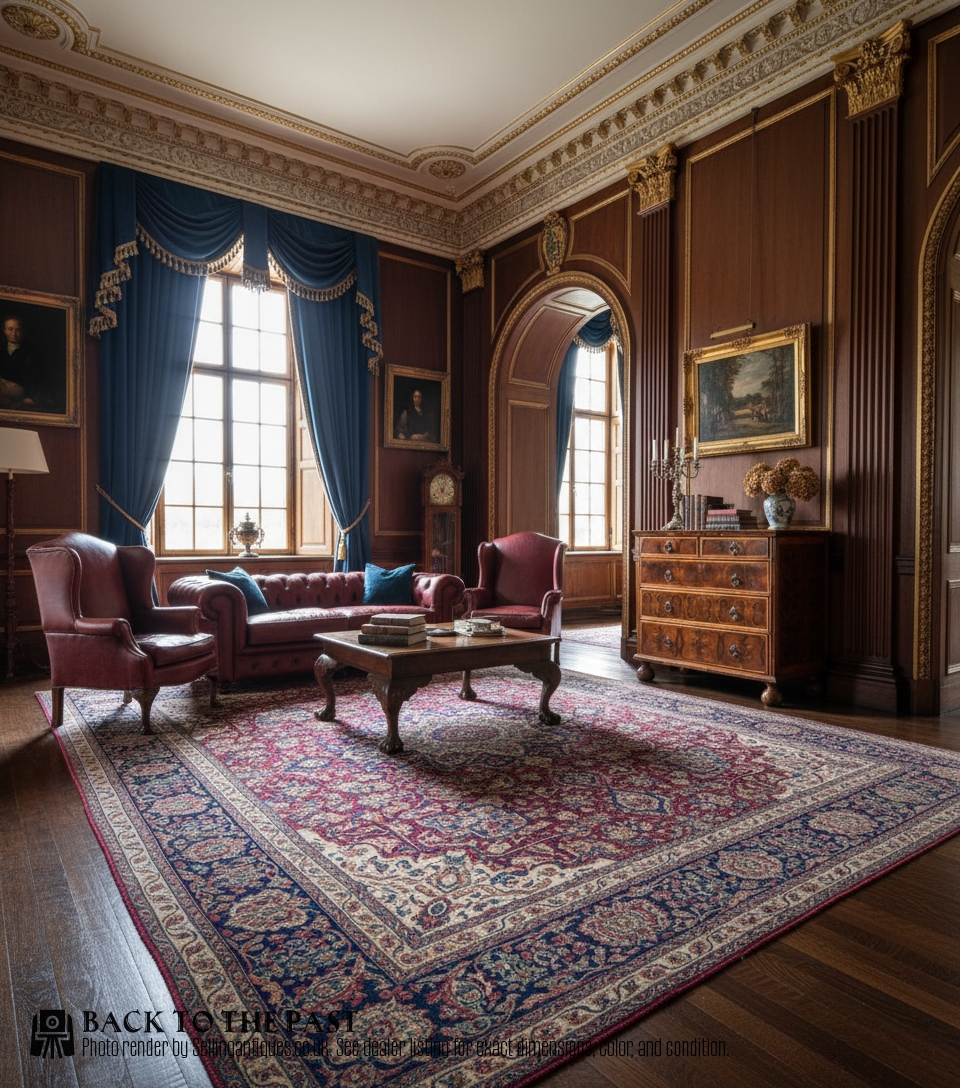
An antique oyster veneer chest functions well as a focal point in a hallway or living room. Its patterned timber surface pairs effectively with plain walls.
Keep the top uncluttered to allow the circular wood grain patterns to remain the primary visual feature.
How do I identify William and Mary pieces?
William and Mary furniture typically exhibits geometric veneering, panelled drawer fronts, and inverted cup or trumpet turning on stands. These pieces date from the late seventeenth to early eighteenth century.
Look for walnut, laburnum, or olivewood timbers combined with intricate boxwood stringing.
What woods were used for veneer?
Cabinetmakers utilised walnut, laburnum, olivewood, and yew for cutting circular veneer sections. These woods provided distinct colour variations and ring patterns.
Boxwood was frequently used alongside these timbers for contrasting stringing and inlay details.