
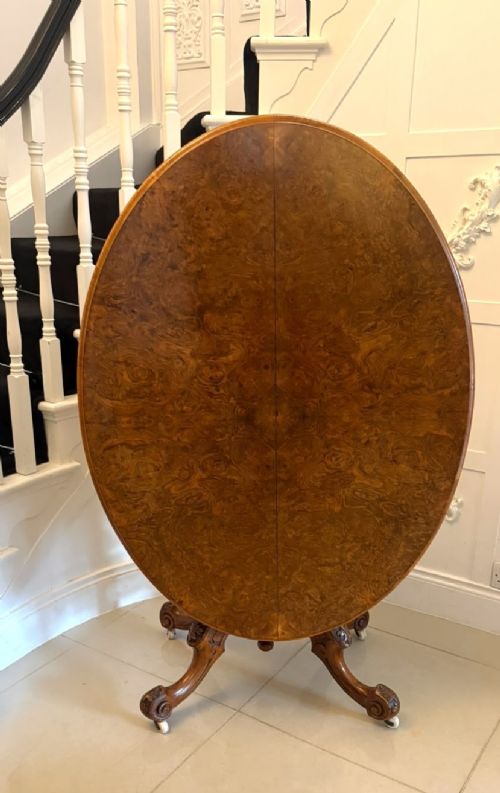
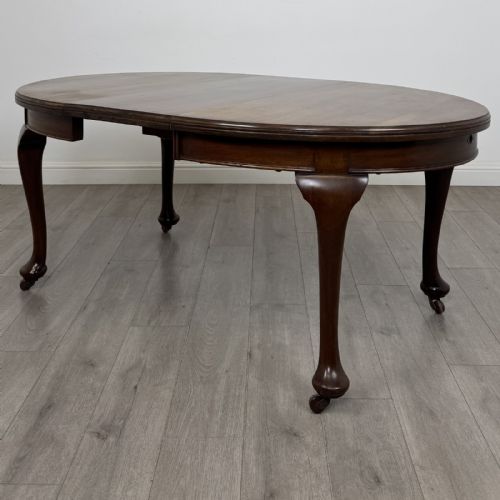
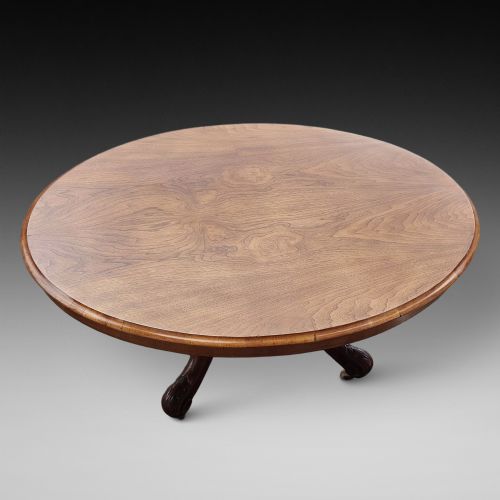
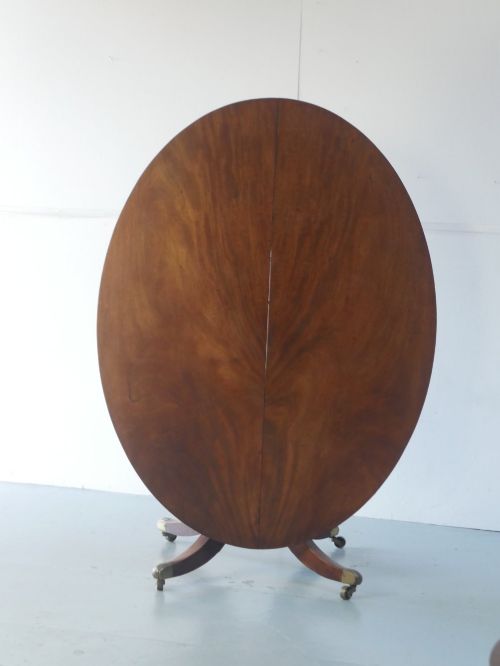
Antique Oval Top Table
An antique oval top table brings warmth and curved elegance to a room, spanning periods from Georgian grace to Victorian utility.
Antique Oval Top Table
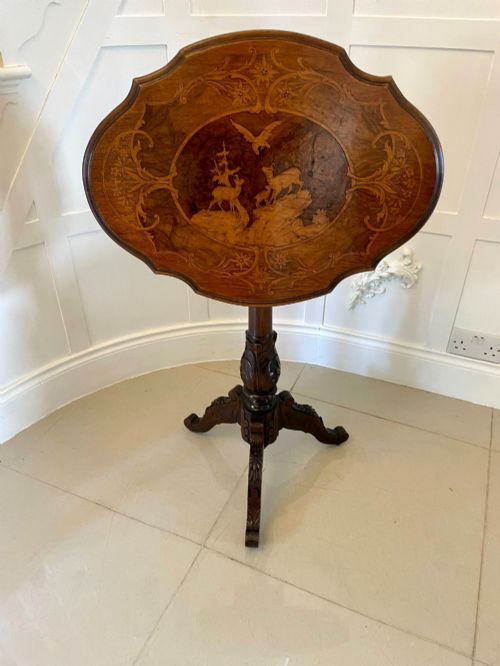
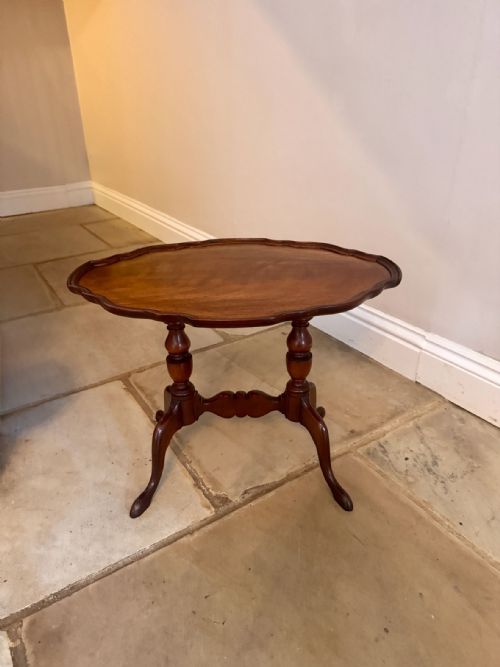
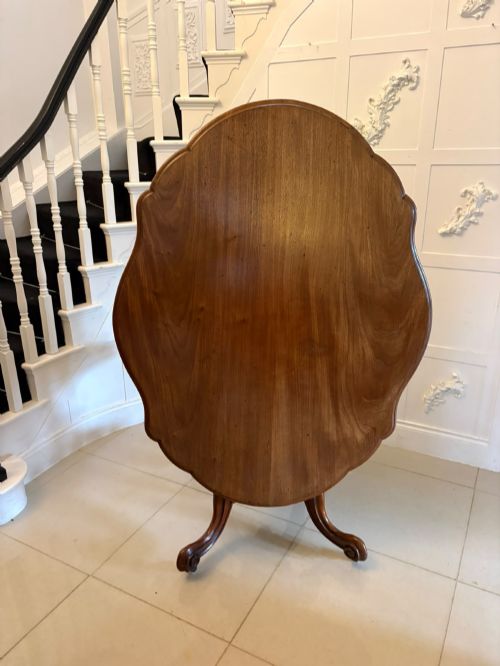
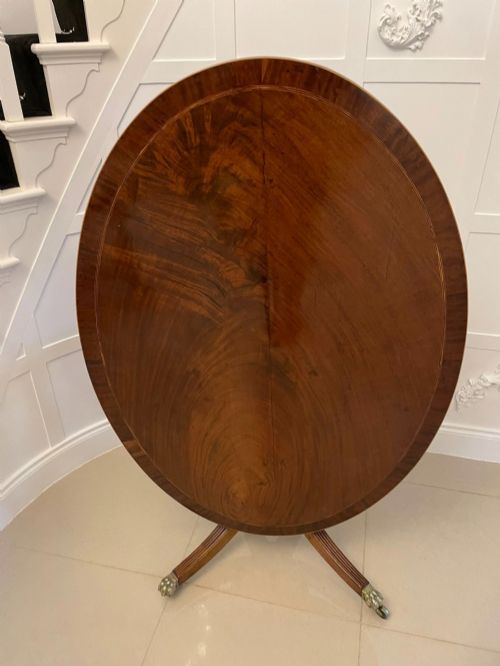
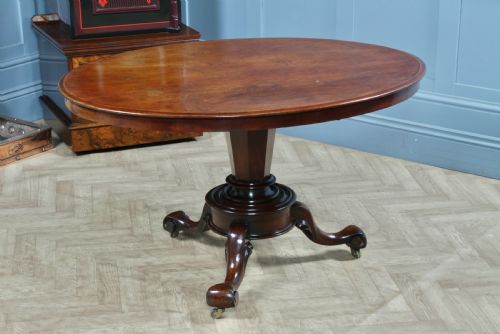
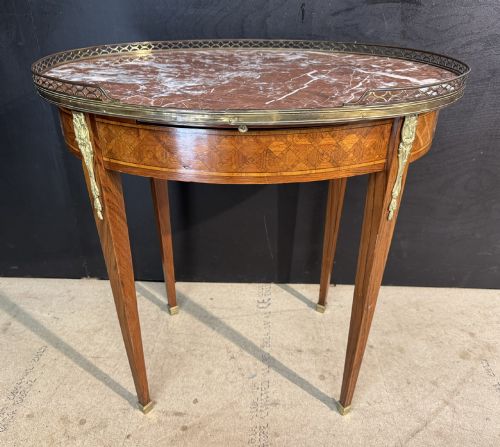
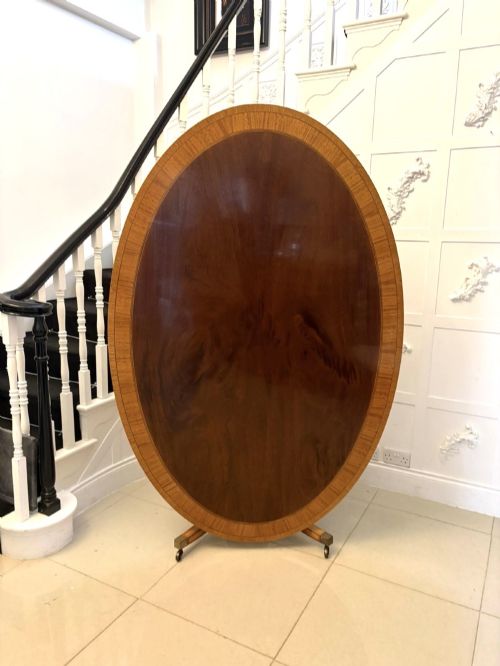
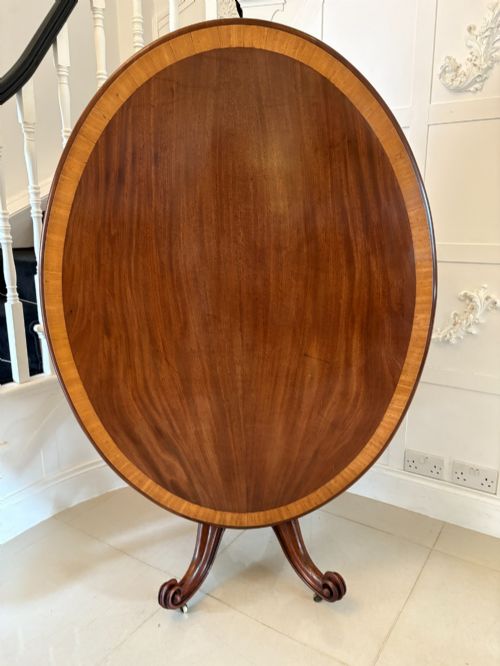
An antique oval top table encompasses a wide variety of forms designed for dining, occasional use, and display across multiple centuries. Buyers searching for an antique oval top table will encounter large dining pieces alongside compact lamp tables, writing desks, and tripod breakfast tables. These pieces serve functional roles in domestic interiors while introducing distinct period character through their rounded shapes.
The selection ranges from substantial Georgian and Victorian dining tables seating several people down to smaller occasional tables, urn stands, and centre tables. Burr walnut and mahogany dominate the larger formats, while occasional tables frequently feature marquetry, satinwood crossbanding, or tilt-top mechanisms. Origins stretch across English workshops and continental makers, incorporating styles from Regency to Edwardian.
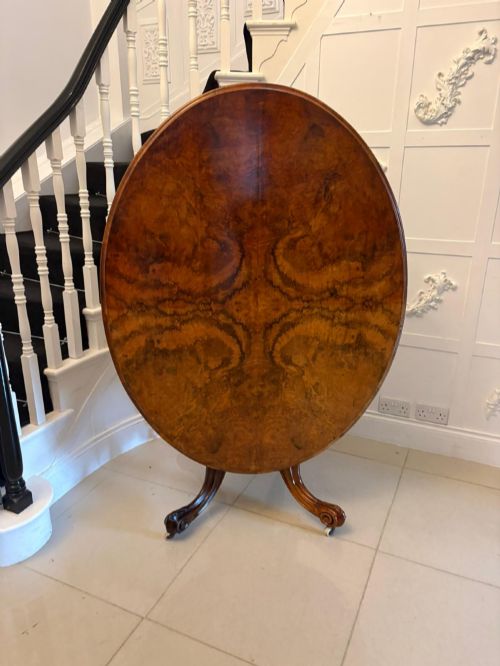
Dining and loo tables often feature tilt-top mechanisms supported by solid carved bases or tripod legs, allowing them to save space when not in use. Centre tables and occasional tables provide smaller surface areas suited to lamps, books, or display objects. The recurring presence of oval tops softens the geometry of a room compared to traditional rectangular formats.
Materials and construction methods
Cabinet makers utilised dense hardwoods such as mahogany, walnut, and burr walnut for the primary structures and tabletops, often selecting figured veneers to create striking visual patterns. Satinwood, kingwood, and rosewood appear as contrasting timbers for crossbanding and detailed inlay work. Solid brass mounts, leather inserts, and marble tops further augment specific writing, display, and wine cooler tables.
Construction techniques relied on sturdy joinery, turning, and hand carving, particularly for the central pillars and quadrapod or tripod bases supporting heavier dining and loo tables. Tilt-top mechanisms used pivoting wooden blocks and brass catches to secure the top in either horizontal or vertical positions. Inlaid pieces incorporated delicate marquetry strings and contrasting veneers set flush into the primary timber surface.
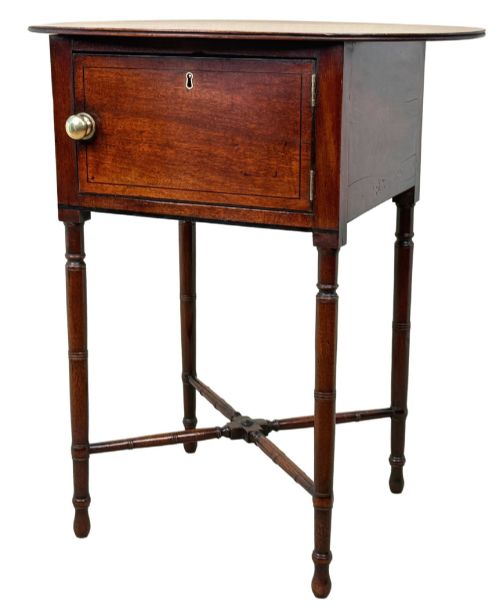
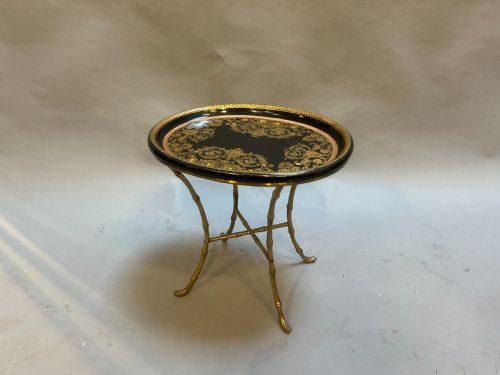
Table forms span dining tables, occasional tables, centre tables, lamp tables, writing desks, and bijouterie display pieces.
What determines quality
Quality separates through the selection of timber veneers and the crispness of hand-carved details on bases and pedestals. Superior examples display richly figured burr walnut or carefully matched mahogany grains across the entire oval surface rather than plain, uniform timber. Finely executed inlay work, such as satinwood crossbanding or geometric stringing, indicates superior craftsmanship.
The stability and engineering of the base structure define the mechanical integrity of the piece. Robust turning, solid timber framing, and smooth operation of tilt-top mechanisms or drawers separate high-grade workshop production from standard domestic furniture. Well-preserved original surfaces and patination retain the integrity valued by collectors.
The Antique Oval Top Table Glossary
- Tilt-top
- A tabletop hinged to its pedestal base so it can pivot into a vertical position for storage or display when not in use. This mechanism is frequently found on Victorian breakfast and loo tables.
- Crossbanding
- A border of veneer laid around the edge of a tabletop with the wood grain running perpendicular to the centre panel. It creates a defined visual frame using contrasting timbers like satinwood.
- Loo table
- A large nineteenth-century centre or dining table, usually with an oval or round tilt-top, originally used for the popular card game loo. They stand on central carved pillars with tripod or quadrapod feet.
- Bijouterie table
- A glass-topped display table designed to showcase small valuable items, medals, or trinkets. These tables often incorporate hinged lids and lined interiors.
- Urn stand
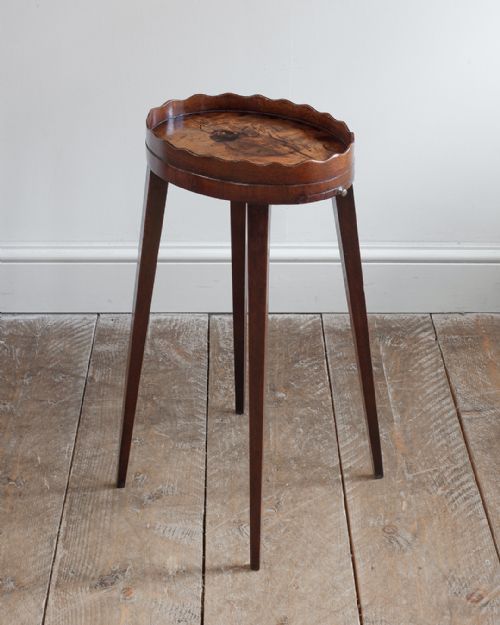
- A small occasional table designed to hold a hot water urn or tea equipment near a larger dining or drawing room setup. They frequently feature elevated galleries or slender proportions.
Antique Oval Top Table: Frequently Asked Questions
How do I style an oval table in a square room?
An oval table breaks up the rigid geometry of a square room by introducing curved lines and softer sightlines. Positioning it in the centre creates a natural focal point that improves movement around the furniture.
Pairing the curved top with matching occasional seating or circular rugs enhances the balanced layout of the space.
What was a loo table used for originally?
A loo table served as a social gathering surface for playing loo, a popular card game during the Georgian and Victorian eras. The tilt-top design allowed the table to be folded and stored against a wall when the game ended.
Today, these versatile pieces function effectively as large centre tables or occasional dining surfaces in reception rooms.
How can I tell a Victorian table from an Edwardian one?
Victorian tables often feature heavier proportions, dark burr walnut or mahogany timbers, and deeply carved pedestal bases. They lean towards rich patination and functional mechanisms like tilt-tops.
Edwardian pieces tend to show lighter construction, subtle inlay work, and brighter mahogany or satinwood tones reflecting changing domestic fashions.
Are tilt-top tables stable enough for daily dining?
Solidly built tilt-top tables remain stable for dining provided the central locking mechanism and pedestal base are secure. The pivot joints on quality nineteenth-century examples were engineered to support heavy loads without wobbling.
Checking the tightness of the pivot block ensures the surface stays flat and firm during regular use.