


Antique Oval Meat Platter
An antique oval meat platter is a generous serving vessel designed for grand dining, offering substantial presence and historic charm to any table.
Antique Oval Meat Platter
An antique oval meat platter serves as a grand centrepiece for large joints of meat, featuring deep wells and wide rims to catch juices. These substantial serving dishes belong to the broader categories of platters, chargers, and serveware, designed for formal dining tables.
The pieces available span from the eighteenth century through the nineteenth century, including Georgian and Victorian periods. Buyers encounter earthenware, ironstone, porcelain, and silver plate alongside ceramic meat domes and draining trays.
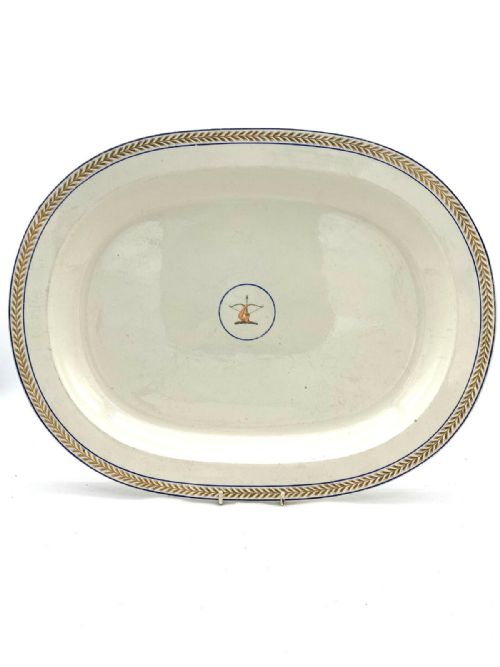
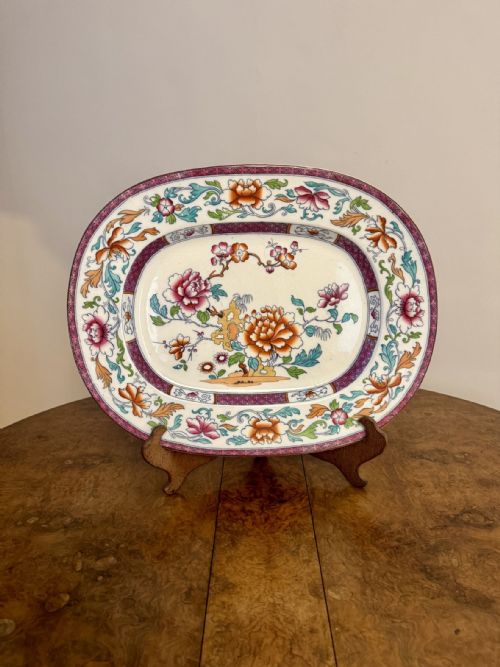
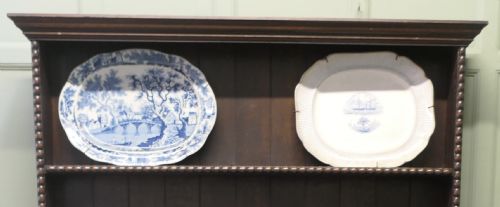
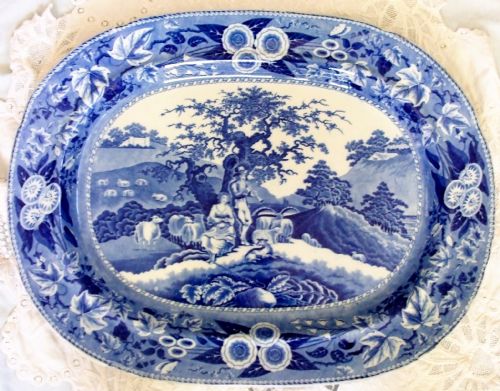
Designs range from classical armorial decoration and blue and white transfer printing to vibrant Qing Dynasty Famille Rose and Chinese Export styles. Many examples display pastoral or exotic scenes such as the Piping Shepherd, zebra pattern, and Chinese Garden.
How they were made
Potters shaped earthenware, ironstone, and porcelain bodies before applying cobalt pigment under the glaze for transfer printing and hand painting. Factories fired these ceramics at high temperatures to achieve durable surfaces capable of handling heavy joints of meat.
Metal versions utilised silver plate over a base metal foundation, shaped into platters or domed covers. Silversmiths hammered and assembled components like the Old Sheffield Plated meat domes and draining trays with meticulous care.
A solitary zebra walks across early nineteenth-century porcelain, proving that exotic beasts made fine company for Sunday roasts.
What varies in quality
The refinement of the ceramic body and the crispness of the transfer print or hand-painted cobalt pigment determine the visual hierarchy. Early pieces demonstrate greater depth in their glaze and more delicate application of pictorial scenes.
Substantial weight in ironstone and porcelain, alongside the integrity of silver plating on copper or base metal, separates standard utility items from superior presentation pieces. Complete sets with matching strainers or domes achieve higher distinction.
Wedgwood·Henry Wilkinson·Robert Breading·Meissen
The Antique Oval Meat Platter Glossary
- Transfer print
- A decorative technique where an engraved copper plate transfers a design onto tissue paper, which is then pressed onto the ceramic body before glazing. This method allowed for intricate pictorial scenes like the Piping Shepherd and zebra patterns to be produced consistently.
- Ironstone
- A heavy, durable type of earthenware patented in the nineteenth century to withstand rigorous kitchen use. Large dishes and strainers often utilised this dense material for its strength.
- Armorial platter
- A ceramic or metal dish featuring a painted or printed family coat of arms. These bespoke items were commissioned by landed families for formal dining.
- Mazarine
- A fitted draining tray, often pierced, that sits inside a platter to keep meat elevated above its juices. Silver-plated examples frequently accompanied large serving dishes.
- Creamware
- A light-coloured refined earthenware developed in the eighteenth century, most famously associated with factories like Wedgwood. Its warm tone provided a subtle background for armorial painting.
Antique Oval Meat Platter: Frequently Asked Questions
How do I date a blue and white platter?
Examining the ceramic body, glaze characteristics, and the style of the transfer print helps determine the manufacturing period. Early nineteenth-century examples often exhibit deeper cobalt blues and softer earthenware pastes compared to later ironstone.
Makers' marks on the reverse, when present, provide specific clues to the decade of production. Stylistic details like Victorian Chinoiserie or Georgian borders also anchor the piece in its era.
What was a meat dome used for?
A meat dome covered large roasting joints on the table to keep the food warm and retain moisture between carving. These plated domes were lifted by a handle on top to reveal the roast.
Often paired with matching platters and draining trays, they formed an essential part of formal dining service in wealthy households.
Can I use an antique platter for serving food?
Most ceramic and silver-plated platters are suitable for serving dry foods or cold cuts at the table. Hand washing is essential to preserve the historic glaze and delicate transfer prints from modern detergents.
Avoid thermal shock by not exposing old earthenware or ironstone to extreme temperature changes, such as direct oven heating.
What is the difference between a platter and a charger?
Platters are functional serving vessels shaped specifically for presenting meats, poultry, and large courses at the table. Chargers are typically larger, ornamental plates that traditionally sat beneath other courses rather than holding food directly.
In historic listings, these terms sometimes overlap depending on the scale and depth of the individual dish.