


Cream Ceramic Serving Platter
These cream ceramic serving platter options bring genuine 18th-century earthenware elegance to your dining table.
Cream Ceramic Serving Platter
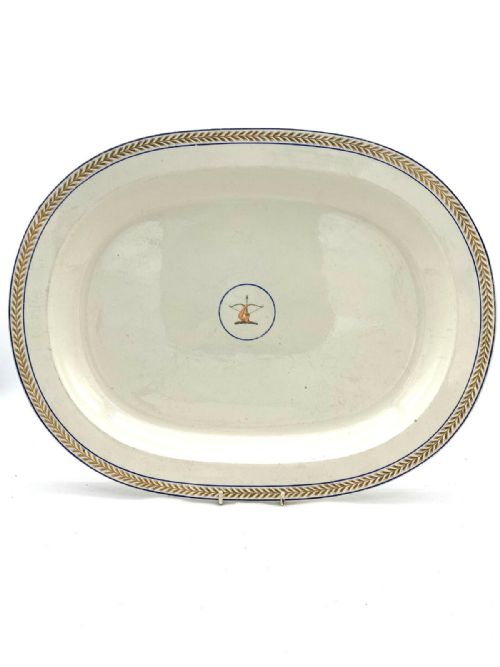
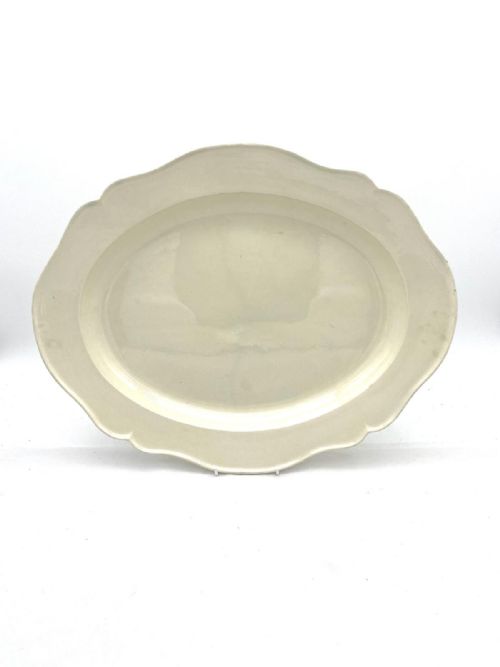
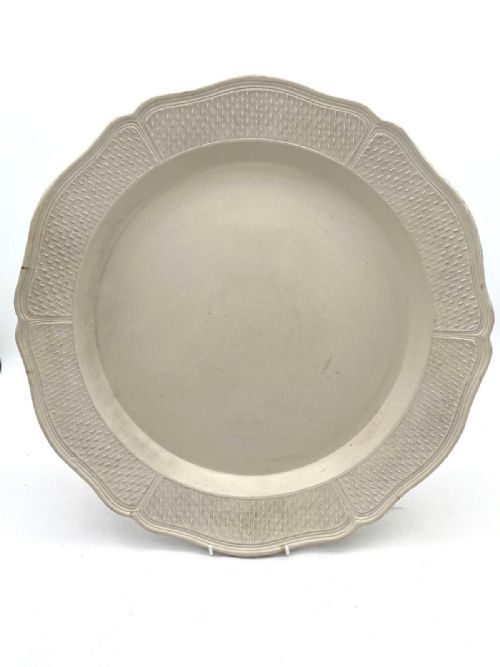
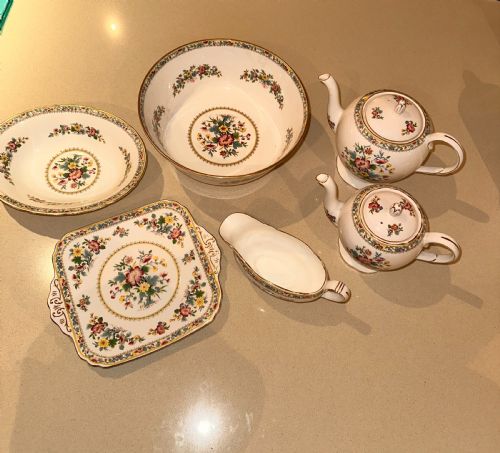
A cream ceramic serving platter is typically found in traditional English or Victorian styles, often taking the form of a charger, meat plate, or sandwich plate. These items served functional roles in historical dining rooms for presenting large quantities of food.
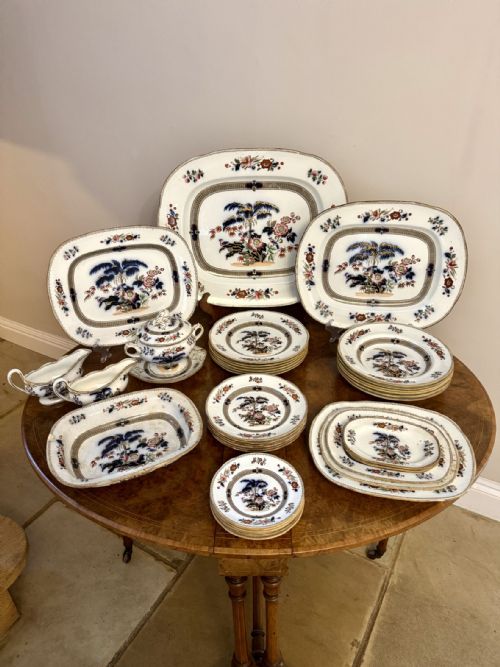
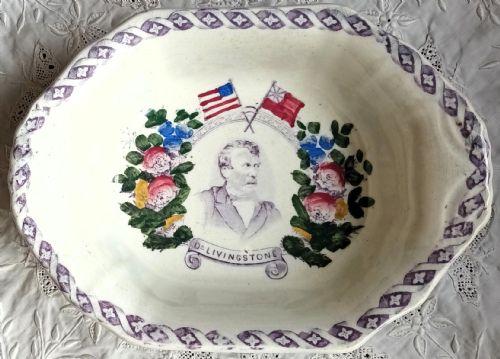
The selection on this page ranges from Georgian creamware pieces dated to the eighteenth century through to later nineteenth-century earthenware and twentieth-century porcelain. You will encounter various regional wares, including French provincial items and Scottish commemorative pottery dishes.
How they were made
Potters utilised earthenware and creamware bodies, often finished with lead glaze or enamel to provide a smooth, durable surface for serving food. Many pieces incorporate hand-painted details and gold leaf applications that highlight the moulded edges and rims.
The manufacturing techniques range from early saltglazed firing methods to later nineteenth-century hand-painted production methods. Skilled artisans shaped large chargers and meat plates to withstand the rigours of formal dining while maintaining decorative appeal.
Current listings span periods from the eighteenth century through to the 1920s, utilising earthenware, creamware, and porcelain.
What varies in quality
The fineness of the ceramic body and the precision of the moulding set the standard for each piece. Earlier creamware items often show delicate silver-shaped edges and subtle glaze variations characteristic of eighteenth-century kilns.
Hand-painted decoration and the application of gold leaf dictate the visual depth of the platter. Pieces featuring detailed armorial crests or intricate floral designs demand a higher level of artisan skill than plain utility wares.
Wedgwood·Carlton Ware·Royal Doulton
The Cream Ceramic Serving Platter Glossary
- Creamware
- A refined earthenware with a pale yellowish glaze developed in England during the eighteenth century. It became the dominant tableware material before the widespread adoption of white ironstone.
- Charger
- A large decorative or serving plate used traditionally beneath other courses or for presenting joint meats at the centre of a table. These items are substantially larger than standard dinner plates.
- Saltglazed
- A stoneware or earthenware pottery finish achieved by throwing common salt into the kiln during the high-temperature firing process. This creates a distinctive orange-peel texture on the ceramic surface.
- Earthenware
- Porous pottery fired at lower temperatures than stoneware or porcelain. It requires a glaze to become impermeable to liquids and forms the basis of many traditional serving platters.
- Armorial
- A ceramic design featuring a family coat of arms or heraldic crest. These bespoke motifs were painted or printed onto high-status dinner services for wealthy households.
Cream Ceramic Serving Platter: Frequently Asked Questions
What is a cream ceramic serving platter used for?
These platters functioned historically as central serving dishes for meats, side dishes, or desserts during large formal meals. Their generous surface area accommodated substantial portions for family dining.
Today, they serve equally well as functional tableware for gatherings or as decorative display pieces on walls and dresser shelves.
How do I care for antique creamware?
Wash antique earthenware by hand using warm water and mild soap rather than placing them in an automated dishwasher. Sudden temperature changes can stress the old ceramic body and the historical glaze.
Store them securely on flat surfaces or in specialised plate racks to protect the edges from chips and structural strain.
How can I tell the age of a platter?
Examine the weight, glaze characteristics, and the style of the footrim on the underside of the ceramic body. Earlier eighteenth-century pieces often exhibit distinctive creamware tones and lighter, hand-thrown construction.
Maker marks stamped or painted on the reverse provide definitive clues to the manufacturing period and the specific pottery responsible.
Are these pieces safe for serving food?
Most antique earthenware and creamware can hold dry or cool foods safely, though older glazes may require caution with acidic items. Inspect the surface for any crazing or historical repairs that might affect hygiene.
Many collectors prefer to use them strictly for display or for serving dry foods like bread and biscuits at the table.