



Antique Oval Brooch
An antique oval brooch brings centuries of portraiture, micromosaics and gemstones into a single wearable piece of history.
Antique Oval Brooch
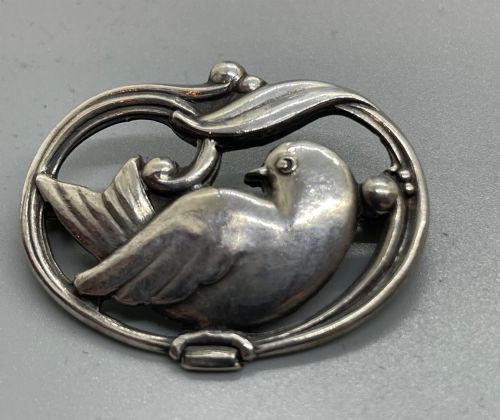
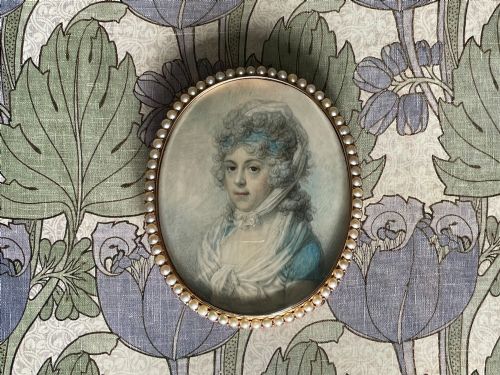
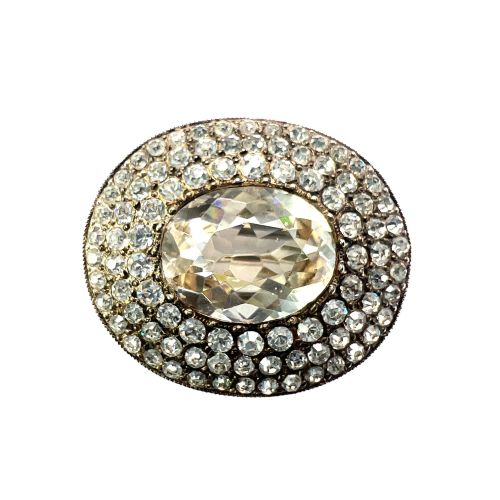
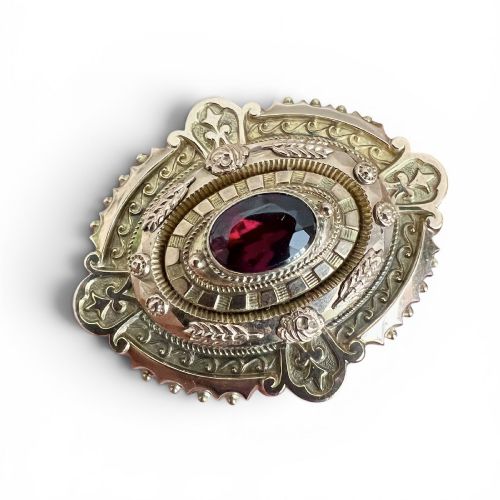
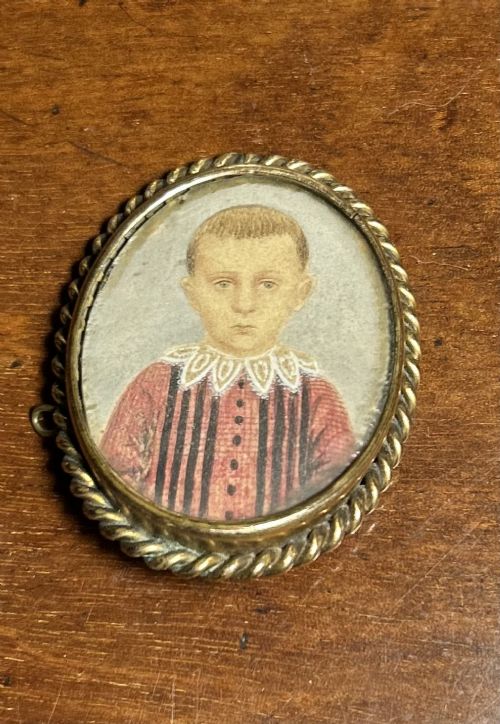
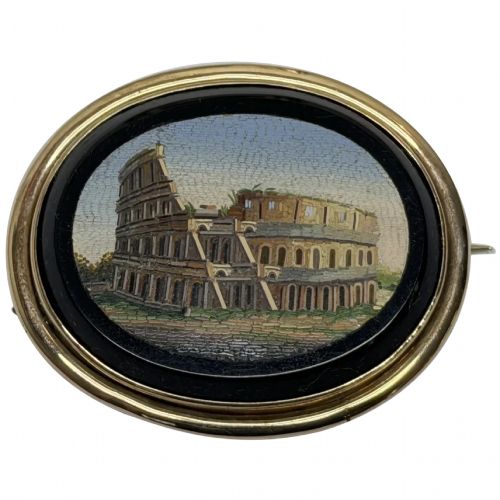
An antique oval brooch spans Georgian hair mourning pieces, Victorian gold and gemstone mountings, Edwardian paste designs and later twentieth-century platinum settings. Buyers searching for an antique oval brooch encounter diverse formats ranging from carved shell cameos and micromosaics depicting the Roman Colosseum to miniature portraits of young boys and noble ladies.
The selections on this page draw principally from the Victorian and Edwardian eras, alongside eighteenth-century Georgian examples and mid-century pieces. These items combine ornamental function with miniature art, serving historically as fasteners, pendants and personal tokens worn close to the heart.
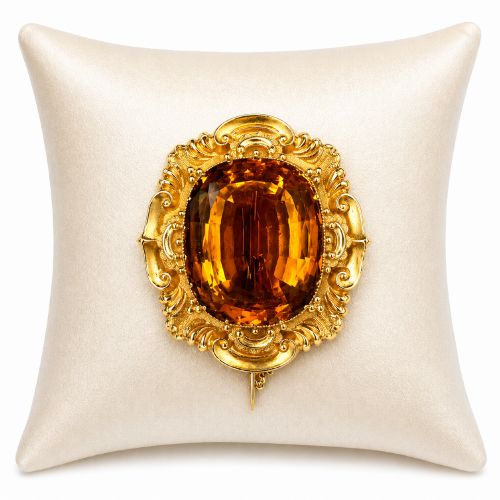
Forms vary from simple silver paste pins to substantial yellow gold lockets set with amethyst, garnet, topaz, sapphire and diamond. The oval geometry provides a balanced frame for both figurative painting and symmetrical gemstone arrangements.
Materials and Construction
Metals span yellow gold, silver, platinum and pinchbeck, providing the structural foundations for intricate bezels, prong settings and pin stems. These precious and base metals are worked through casting, repoussé and granulation to support stones and frames.
Decorative elements incorporate natural shell for cameos, glass pastes, enamel, and delicate watercolour on ivory or vellum for portrait miniatures. Artisans also utilise micromosaic tesserae and carved chalcedony, mounting each component meticulously within gold or silver borders.
Object forms span portrait miniatures, lockets, stick pins and convertible pendant brooches.
Factors of Quality
Original fastenings, pin mechanisms, and the presence of makers' marks or clear hallmarks contribute significantly to desirability. The purity of the gold or platinum and the matching, saturation and clarity of gemstones such as topaz, amethyst, emerald and diamond determine the upper tier of the range.
A H Darby & Son·Richard Cosway·John Barry·Wedgwood
The Antique Oval Brooch Glossary
- Micromosaic
- A picture formed from tiny opaque glass tesserae assembled to depict classical ruins or landscapes. These tiny tiles require immense patience and skill to create cohesive pictorial scenes.
- Pinchbeck
- An alloy of copper and zinc invented in the eighteenth century to imitate gold. It provides a warm metallic lustre without the precious metal cost.
- Paste
- Faceted lead glass used to imitate gemstones in antique jewellery. High-quality paste stones are hand-cut and foiled to enhance their brilliance.
- Chalcedony
- A microcrystalline variety of quartz often used in Victorian jewellery. It appears in smooth cabochon cuts with translucent qualities.
Antique Oval Brooch: Frequently Asked Questions
How do I wear an antique oval brooch?
These pieces pin securely onto heavy fabrics such as wool coats, scarves, and structured lapels using their original hinged pins and C-clasps. Many also feature hidden loops allowing them to convert into pendants worn on a chain.
Heavier gold and gemstone examples require sturdy textiles to support their weight without sagging. Lighter silver and paste versions sit comfortably on silk or cotton garments.
Were these brooches used for mourning?
Georgian and Victorian mourning pieces frequently incorporated human hair, dark stones such as jet or garnet, and miniature portraits behind glass. They served to commemorate departed loved ones.
Other examples celebrated familial affection, marriage, or personal identity rather than grief. Portrait miniatures of children and young relatives were common personal tokens.
How do I date an antique oval brooch?
Dating relies on combining stylistic clues, metal types, pin mechanisms, and any accompanying hallmarks or maker marks. Georgian pieces often feature closed-back settings and foiled gems, while Victorian items display greater variety from Etruscan Revival gold to shell cameos.
Edwardian designs favour lighter silver and platinum mountings with delicate paste or gemstone clusters. Mid-century twentieth-century examples shift towards cleaner geometric lines and higher carat white metals.