

Antique Outdoor Urns
These antique outdoor urns bring weight and classical form to terraces, and you will find iron, stone, and terracotta pieces ready for the garden.
Antique Outdoor Urns
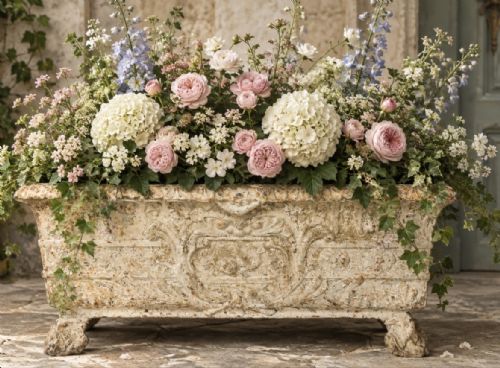
When you search for antique outdoor urns, you encounter robust vessels designed to anchor garden vistas, patios, and lawns. These pieces serve as focal points or planting vessels, carrying a sculptural presence shaped by centuries of landscape design.
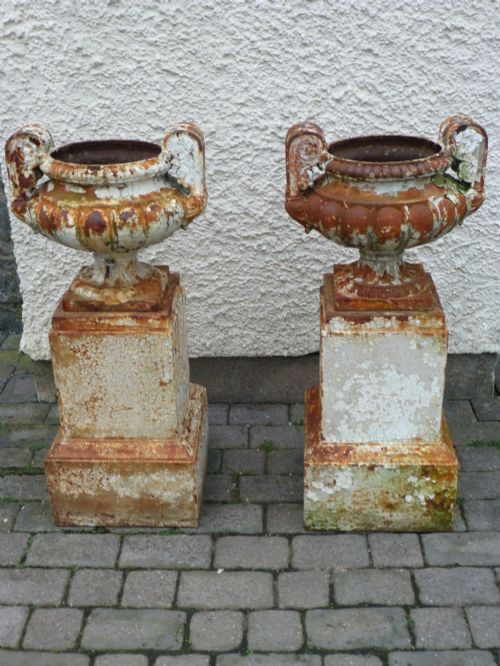
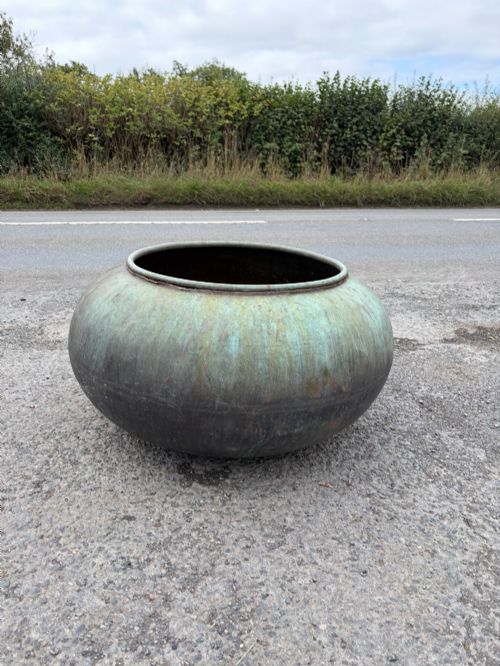
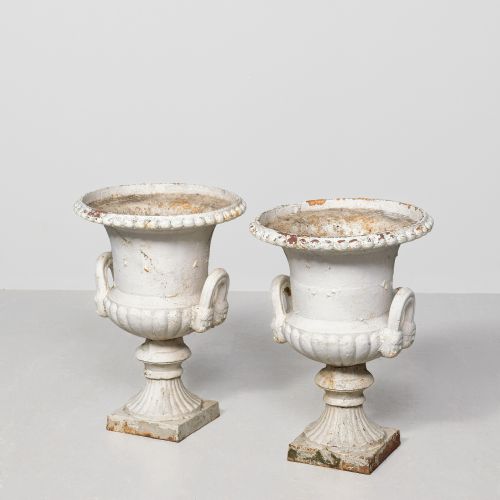
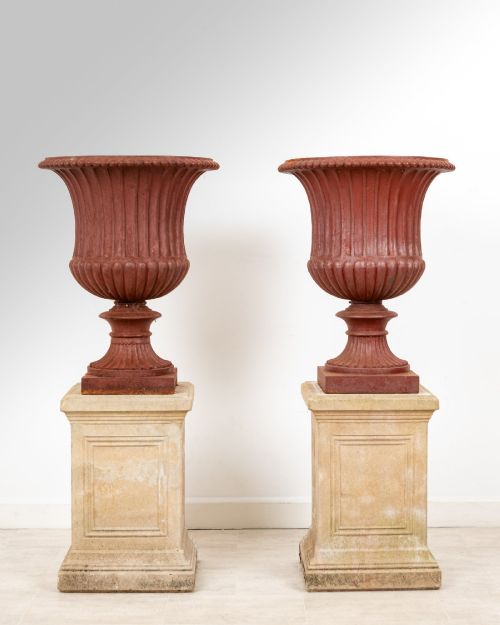
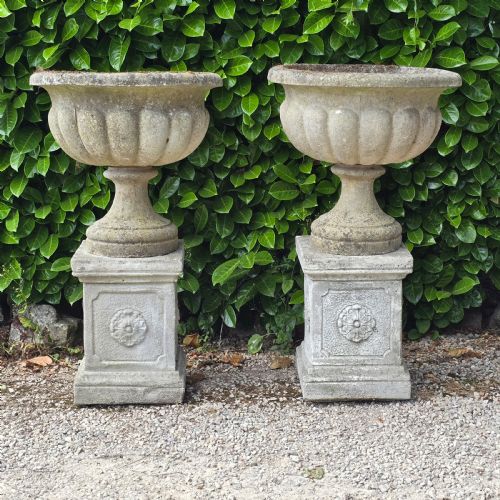
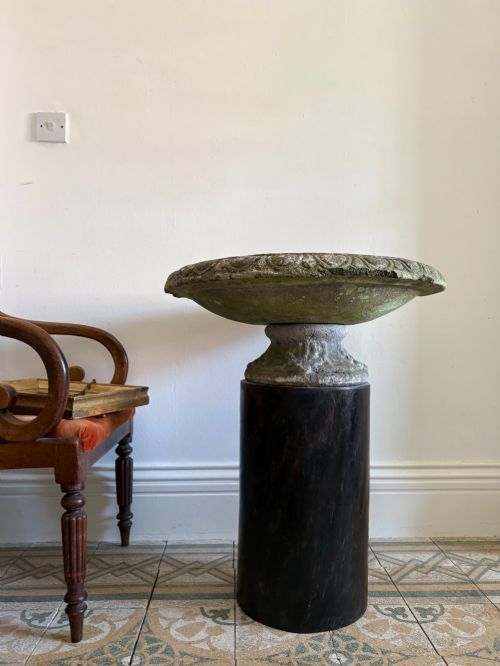
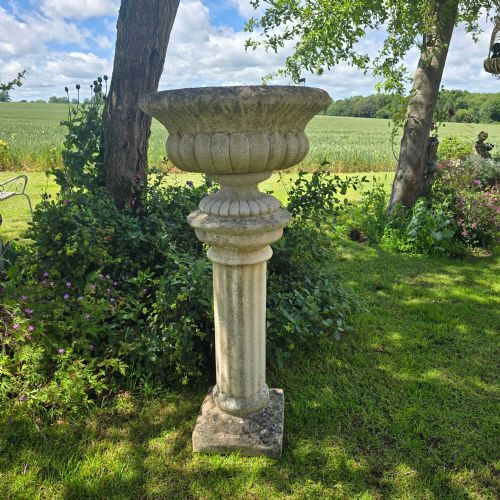
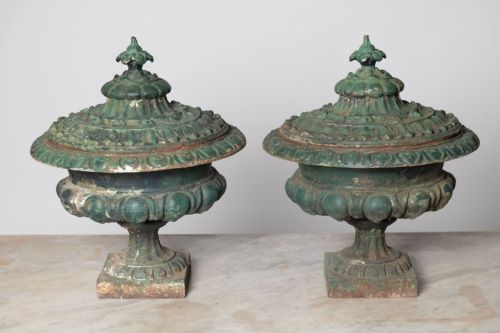
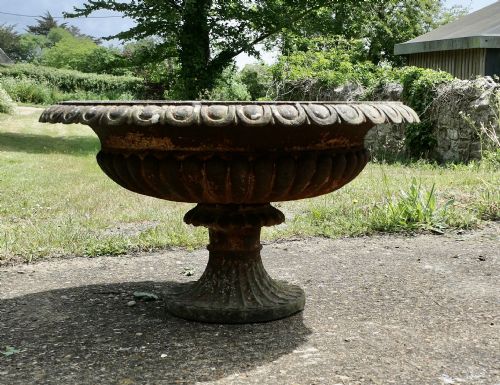
The selection centres on heavy cast iron campana shapes, weathered stone, and warm terracotta jars. Pieces frequently appear alongside matching pedestals or plinths, lifting the bowl to catch the eye among box hedging and herbaceous borders.
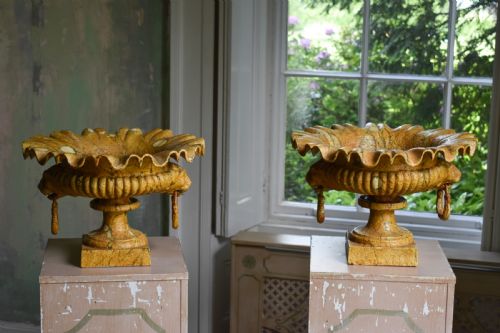
Victorian and nineteenth-century examples dominate the offerings, spanning classical revival styles alongside rustic French and Gothic interpretations. Buyers find both single statement vessels and uniform pairs intended to flank stone steps or gateway entrances.
How they were made
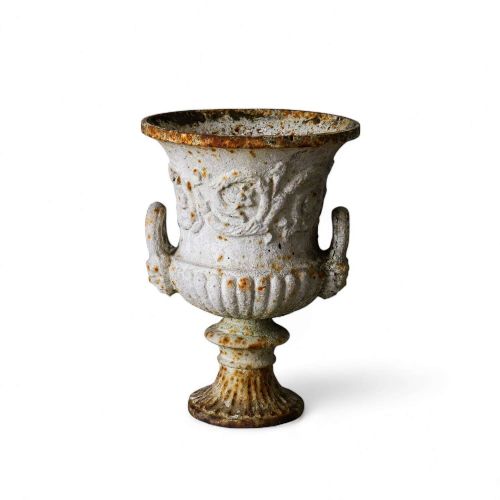
Foundries cast iron using sand moulds, producing crisp acanthus leaves, reeded bowls, and handles that withstand decades of winter weather. Makers such as Coalbrookdale, Falkirk Carron, and Val d'Osne poured molten metal to achieve the sharp contours seen on campana silhouettes.
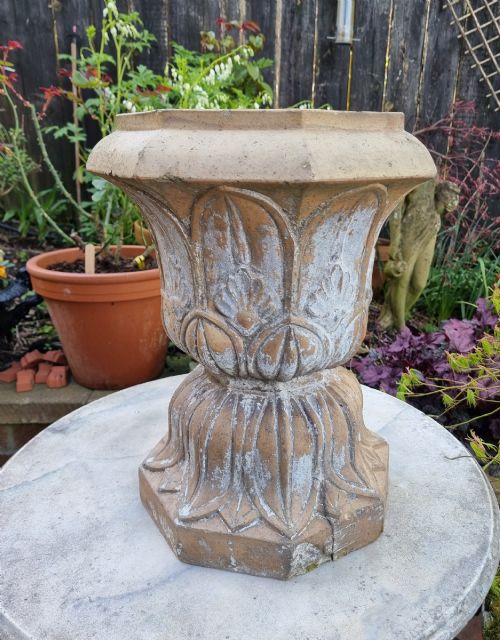
Terracotta and stoneware pieces rely on skilled throwing or moulding of local clay, followed by firing in kilns to achieve porous yet durable garden bodies. Stonemasons carved composite and soft stone by hand, leaving tool marks that weather gracefully beneath layers of lichen and moss.
Garden history includes cast iron planters shaped specifically as swimming shrimp.
What varies in quality
The definition of the cast separates standard iron foundry work from exceptional sculptural output. Superior examples retain crisp detailing on relief work, such as individual seed pods and sharply undercut foliage, whereas worn moulds yield soft, indistinct edges.
Integrity of the material defines longevity in the garden. Heavy metal sections cast with uniform wall thickness resist frost cracking, and original matching bases ensure the proportions remain balanced as the vessel ages outdoors.
Falkirk Carron foundry·Coalbrookdale·Andrew Handyside·VAL D'OSNE FOUNDRY
The Antique Outdoor Urns Glossary
- Campana
- A bell-shaped garden urn with an everted rim and a tapering body, often set upon a short stem and square foot. This classical silhouette originates from ancient Roman marble vessels.
- Terracotta
- A hard, unglazed fired red clay used for garden pots and oil jars. The porous material breathes, allowing air to reach plant roots.
- Reconstituted Stone
- A durable material made from crushed stone aggregate bound with cement, cast in moulds to replicate natural carved stone. It provides uniform strength for architectural garden ornaments.
- Plinth
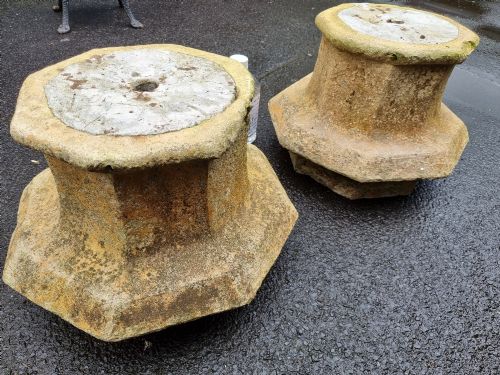
- A heavy rectangular or square block that elevates an urn above ground level. These architectural bases give garden ornaments greater visual presence on terraces.
- Faux Bois
- A decorative technique mimicking wood grain in stone, concrete, or ceramic. Garden pieces in this style imitate rustic timber structures.
Antique Outdoor Urns: Frequently Asked Questions
How do I protect cast iron urns from frost?
Cast iron handles freezing temperatures well if water does not collect and expand inside the bowl. Raise the base slightly off the ground on pot feet so drainage holes remain clear during heavy downpours.
lining large iron vessels with protective material also prevents wet compost from freezing directly against the inner metal walls.
Can terracotta urns stay outside all winter?
Terracotta absorbs moisture from damp soil, making hard frost a risk if water trapped within the clay expands. Move smaller pots under cover or empty them completely before winter sets in.
Larger oil jars and heavy garden vessels manage cold weather better if tipped slightly forward on wedges to shed standing water.
How do I identify a Victorian garden urn?
Victorian examples display heavy cast iron construction with neoclassical motifs like acanthus leaves, egg-and-dart rims, and gadrooning. Foundry marks and registration numbers often appear cast into the base or underside.
These pieces typically exhibit thick layers of accumulated paint or deep patination built up over decades of outdoor exposure.
Where should I position an urn in the garden?
Place urns at terminal points of garden paths, on stone terraces, or flanking entrance steps to create a strong formal axis. Matching pairs work best when framing doorways or at the head of a formal lawn.
Elevate heavy stone or iron vessels on matching plinths to catch the light and protect the base from damp soil.